Last updated November 18, 2026
Free written scope consultation - allowances, timeline, and change-order rules on paper before a single trade is scheduled
The Complete Driveway & Pavers Guide for North Las Vegas Homeowners
Caliche has cracked more paver driveways in North Las Vegas than bad contractors ever will. That white, concrete-hard mineral layer sits a foot or two under a lot of local yards, and when water gets trapped against it, the ground above moves. Pavers heave, joints open up, and a driveway that looked perfect in year one turns into a trip hazard by year three. Most national paver guides never mention it once. This one is built around it. You’ll learn how caliche changes sub-base work and cost, which pavers survive 115°F surface heat, why Southern Nevada’s hard water eats your sealant faster than anywhere else, what your HOA actually requires before you break ground in North Las Vegas, and what real local prices look like right now.
Quick Answer
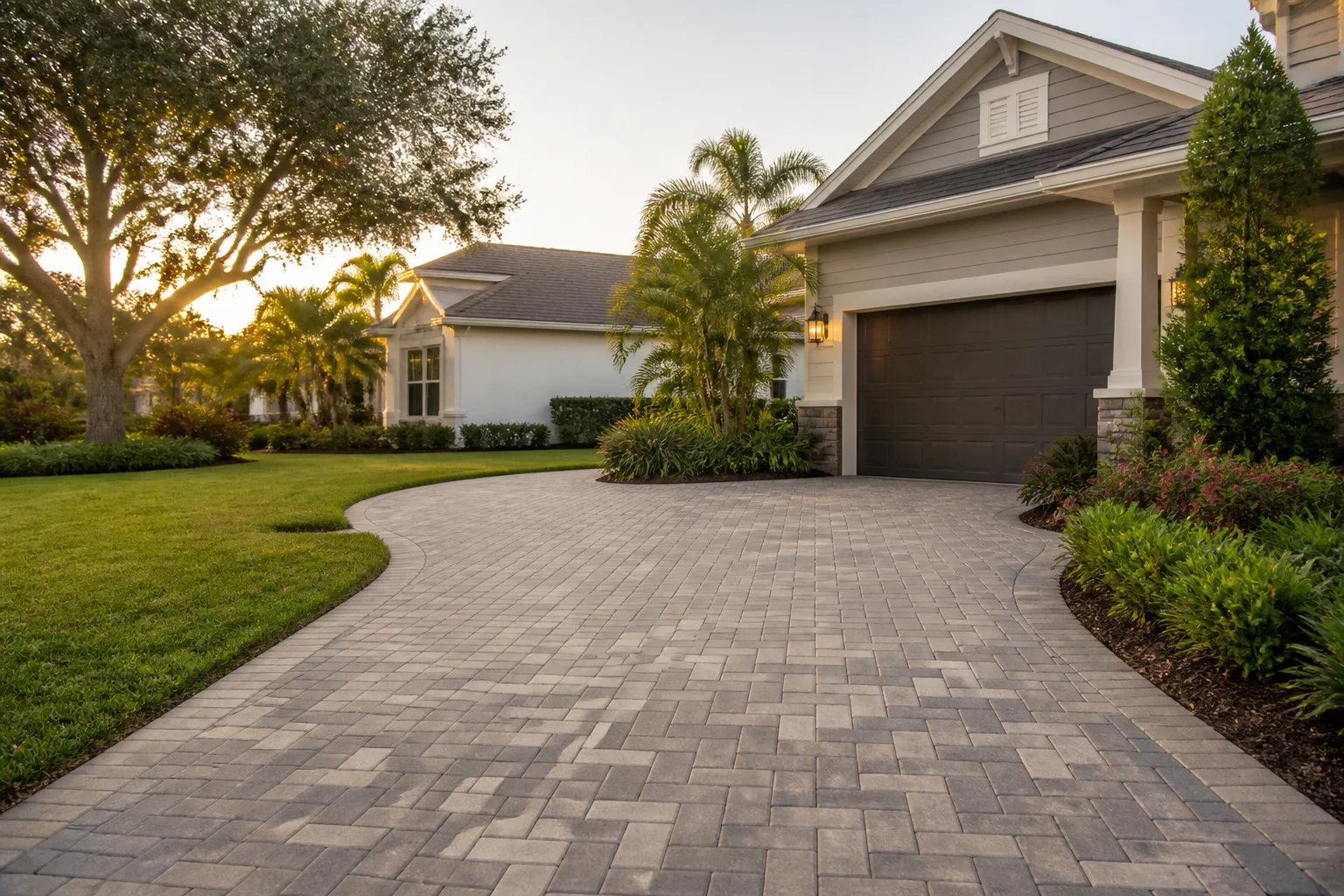
A paver driveway in North Las Vegas typically runs $14 to $24 per square foot installed, which puts a standard two-car driveway (roughly 500 to 600 square feet) at about $7,000 to $14,000 in today’s market. The number swings on caliche depth, how much sub-base has to be excavated and hauled off, and the paver line you choose. A properly built North Las Vegas driveway needs a compacted aggregate base engineered for caliche soil, a heavy-duty edge restraint, and polymeric sand rated for desert temperature swings. Skip any of those and you’re paying twice.
Styles & brands we work with
- Kitchen remodeling
- Bathroom remodeling
- Home additions & ADU
- Roofing
- Windows & doors
- Driveway & pavers
- Fence
Table of Contents
- Why Caliche Is the Single Biggest Factor in Your Driveway
- Which Paver Materials Handle North Las Vegas Heat
- Hard Water, Efflorescence, and the Sealant That Actually Holds Up
- HOA Rules in North Las Vegas Master-Planned Communities
- What Pavers Really Cost in North Las Vegas
- The Installation Process, Step by Step
- Maintenance Through a Mojave Desert Year
- Common Mistakes to Avoid
Why Caliche Is the Single Biggest Factor in Your Driveway
In our experience working North Las Vegas soil, caliche is the item that separates a driveway that lasts 25 years from one that’s cracked and shifting before the warranty expires. Caliche forms when calcium carbonate leaches down through the soil and hardens into a cemented layer. It can be six inches thick or several feet thick. It doesn’t drain. When irrigation water, monsoon rain, or a washing machine discharge hits that layer, it pools, and the soil above it turns into a spongy, moving mass under your pavers.
Most driveways are built with 4 to 6 inches of compacted aggregate base. On a caliche lot, that formula fails. The base has to be excavated deeper, the caliche has to be broken up or removed entirely, and in some North Las Vegas yards the affected area gets undercut an extra 8 to 12 inches and replaced with structural fill that’s compacted in lifts. That’s the single line item that makes a local paver bid higher than a national estimate, and it’s the one that matters most.
Here’s what we check before any driveway work starts in North Las Vegas:
- Depth of caliche. A soil probe or test pit reveals where the hardpan starts and how thick it runs.
- Drainage path. Where does water go now? If it’s pooling at the garage slab, that changes the grading plan.
- Existing slab condition. A cracked concrete driveway often signals base failure beneath it, not just surface wear.
- Lot slope. North Las Vegas lots can slope steeply toward the street, and pavers on a grade need a different restraint system.
Skipping the caliche work is the most expensive shortcut a homeowner can take. A driveway built over uncompacted caliche typically starts heaving within 2 to 3 years, and the repair means tearing out the pavers, redoing the base, and re-laying the finishes. The base work you “saved” ends up costing double.
Which Paver Materials Handle North Las Vegas Heat
Surface temperatures on a North Las Vegas paver driveway can climb past 150°F in July. Ordinary concrete pavers from cooler climates fade, chalk, and in some cases spall. The materials that hold up here are the ones made for desert UV exposure and thermal cycling.
Clay brick pavers
Clay is fired at over 2,000°F, so a 150°F afternoon doesn’t faze it. Colors are through-body, meaning the pigment runs through the whole paver rather than sitting on the surface. That means fade is minimal, and even chipping doesn’t expose a lighter core. Clay pavers are more expensive than concrete but they’re the most fade-resistant option available.
High-density concrete pavers
The best concrete pavers from established manufacturers are engineered for high-UV climates, and the good ones come with a written fade warranty. Belgard is a brand we lean on for this exact reason: their products are formulated for extreme heat and they hold color well. Density is the key specification. Low-density pavers absorb water, then crack when it freezes (yes, North Las Vegas gets occasional winter freezes), then spall. Ask for the density spec and the fade warranty before you buy.
What to avoid
- Paver lines sold as “closeout” with no fade warranty. The color looks right the day they’re laid and wrong five summers later.
- Thin pavers under 2 3/8 inches. They crack when a heavy truck rolls over them.
- Sealed “wet look” finishes applied immediately after installation. The pavers need to cure and off-gas first.
Whatever you choose, verify the paver is rated for vehicular traffic (not just pedestrian), and confirm the manufacturer stands behind it in a hot, dry climate. In our experience, that one step prevents more premature failures than any other choice on the project.
Hard Water, Efflorescence, and the Sealant That Actually Holds Up
Southern Nevada Water Authority water is famously hard, and that hardness is the source of the white, chalky bloom you see on some North Las Vegas driveways. That bloom is called efflorescence, and it’s salts migrating out of the paver as moisture moves through. In wetter climates, efflorescence is a slow, occasional problem. Here it’s a chronic one, because the water feeding it is loaded with calcium and magnesium, and every irrigation overspray adds more minerals to the surface.
The fix is not just “add sealant.” The order and the product both matter:
- Let the pavers dry fully. Fresh pavers hold construction moisture. Sealing too soon traps it and drives efflorescence up.
- Clean efflorescence off before sealing. A proper efflorescence remover, applied after the bloom has appeared and stopped actively forming, clears the surface salts.
- Choose a breathable penetrating sealer. A film-forming sealer in this climate can trap moisture, blister in the heat, and peel within two summers. Penetrating sealers let the paver breathe while slowing water absorption.
- Reapply on a schedule. In North Las Vegas, that’s typically every 2 to 4 years depending on sun exposure, not the 5 to 7 years claimed in generic guides.
One more local detail: irrigation overspray is the #1 contributor to efflorescence on North Las Vegas driveways. If the lawn sprinklers are hitting the pavers along the edge, redirect the heads. That one adjustment does more than any sealer.
HOA Rules in North Las Vegas Master-Planned Communities
Many North Las Vegas neighborhoods are master-planned, and the HOA architectural review process can stall a driveway project for weeks if you don’t plan around it. The rules vary by community, but the common requirements are consistent enough to list here.
What most North Las Vegas HOAs will ask for
- A written application with a site plan showing the driveway dimensions, footprint, and relationship to the property line.
- A paver sample, either physical or a high-resolution photo of the actual product, plus the manufacturer and color name.
- A color palette that matches the community’s approved list. Most master-planned communities restrict you to earth tones, and some prohibit red brick outright.
- Signed acknowledgement that maintenance (weed control, sealing, repairs) stays with the homeowner.
- Proof that the contractor is licensed, insured, and bonded.
Two things people miss
First, the approval has to happen before the first shovel hits the dirt. Removing existing pavers without approval is the fastest way to get a stop-work order and a fine. Second, the driveway expansion joint and the property line matter. Some HOAs require that a new driveway not encroach on the side-yard setback, which on a narrow North Las Vegas lot can mean the driveway is narrower than you planned.
Ask the HOA for the architectural guidelines document before you sign a contractor bid. We’ve seen bids built on a 16-foot-wide driveway that the HOA then limited to 14 feet, and the homeowner had to redo the scope after paying a deposit. On that note, if your project includes new fencing along the property line, our guide to Fence Installation in North Las Vegas covers the HOA side of that process as well.
What Pavers Really Cost in North Las Vegas
National paver cost averages undershoot North Las Vegas pricing by 20% to 30%, mostly because they ignore caliche and don’t account for the cost of hauling off excavated material to a local disposal facility. Here are ranges based on the current North Las Vegas market.
| Line Item | Typical Range |
|---|---|
| Paver material (per square foot) | $4 – $9 |
| Standard base preparation, compacted aggregate (per sq ft) | $3 – $5 |
| Caliche excavation and structural fill (per sq ft, when required) | +$2 – $6 |
| Labor, layout, and setting (per sq ft) | $5 – $8 |
| Polymeric sand and joint stabilization (per sq ft) | $1 – $2 |
| Edge restraint system (per linear foot) | $6 – $12 |
| Sealing (first application) | $1.50 – $3 per sq ft |
| Strip footer with rebar (where required) | $20 – $40 per linear foot |
All-in, a typical North Las Vegas paver driveway runs $14 to $24 per square foot installed, with the caliche factor alone capable of adding 15% to 25% to the total. A 500-square-foot driveway lands around $7,000 to $12,000; a 700-square-foot circular or expanded driveway lands around $10,000 to $17,000. Pavers are also a natural pairing with an outdoor living addition; if you’re planning a pool deck or patio expansion at the same time, our Home Additions & ADU in North Las Vegas team can coordinate the site work so you’re not paying twice for excavation.
A word on cheap bids: if a quote comes in under $11 per square foot for a North Las Vegas driveway, ask exactly what base depth is specified and how the caliche is being handled. In our experience, low bids come from skipping the caliche work or thinning the base, and that’s the failure mode you’ll be living with.
The Installation Process, Step by Step
Here’s what a properly built paver driveway looks like, from the first cut to the final compaction. This is what you should see a contractor doing on your North Las Vegas property.
- Permit check and HOA approval. Confirm both are in hand before mobilizing. Most North Las Vegas driveway work requires a permit, and skipping it can complicate resale.
- Demolition and haul-off. Remove the existing surface (or soil), and haul it to the appropriate disposal site. In North Las Vegas, disposal of caliche-heavy material costs more than typical concrete rubble.
- Caliche evaluation. Test pits or a probe to establish the depth and hardness of the caliche layer. This step determines how much excavation and structural fill is needed.
- Excavation and sub-base. Cut down to the required depth, install the structural aggregate base (typically 6 to 8 inches of compacted material for a residential driveway, deeper if caliche is severe), and compact it in lifts with a plate or roller.
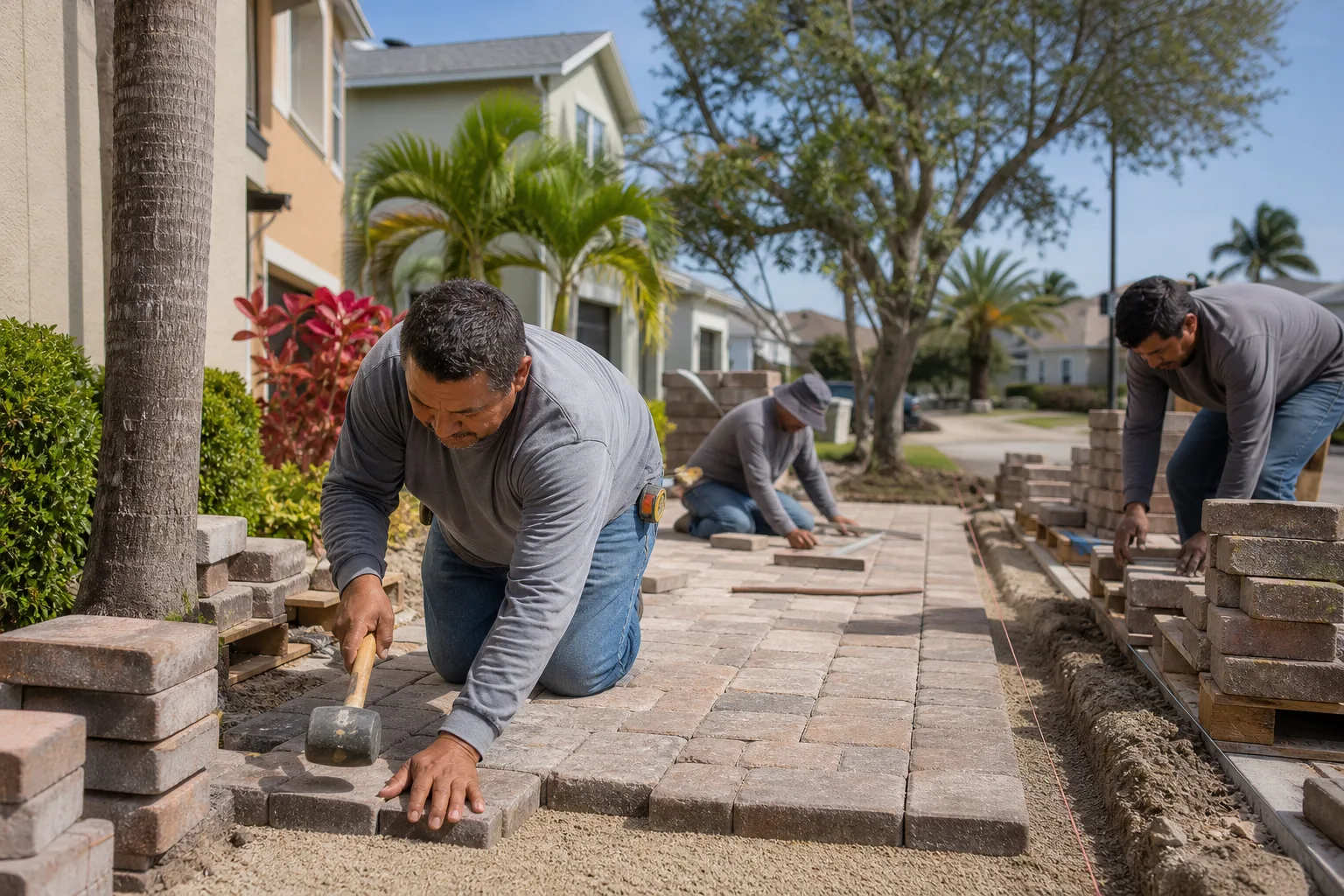
- Edge restraint. Install a concrete or heavy-duty plastic edge restraint along both sides, anchored into the base. This is what stops the pavers from spreading over time.
- Sand setting bed and paver laying. A thin, screeeded setting bed of coarse sand, then the pavers laid from a square reference line. Patterns matter less than the reference line being true.
- Cutting and edge pavers. Cut the perimeter pavers with a wet saw for a clean, tight edge.
- Polymeric sand and compaction. Sweep polymeric sand into the joints, activate it with water, then run a plate compactor over the surface with a protective pad. This step is what locks the pavement in place.
- Cure and seal. Let the driveway cure fully before the first sealant application. In our climate, that’s typically a few weeks.
Each of these steps matters, and skipping or rushing the base and compaction steps is where 90% of paver failures originate. If you are also considering a matching paver walkway to the front door or a patio at the back, the same installer can build it the same way.
Maintenance Through a Mojave Desert Year
A paver driveway is low-maintenance, not no-maintenance. The North Las Vegas climate creates a specific seasonal calendar.
- Spring (March to May). Resweep polymeric sand back into any joints that opened over winter, and check for small shifts along the edges. Spring is also when wind-blown dust settles in the joints, so a quick rinse helps.
- Summer (June to September). Washing the driveway after monsoon rains removes the mineral residue left behind. Check that your downspouts and irrigation heads aren’t spraying the pavers.
- Fall (October to November). Pre-winter inspection: look for cracks, efflorescence, and any joint sand loss. This is also a good time to reseal if the paver surface has started to absorb water (a simple test: pour a cup of water, and if it sinks in rather than beading, it’s time).
- Winter (December to February). Freeze events are short here but they do happen. After a freeze, walk the driveway and check for pavers that have lifted. If they have, the base wasn’t built right.
Beyond the seasonal checklist, keep up with weed control in any open joints, and be attentive to any paver that starts to shift. A single moving paver is a warning, not just a cosmetic problem. Address it early and the repair is a few pavers; ignore it and you’re looking at a base redo.
Common Mistakes to Avoid
- Skipping the caliche evaluation. If a contractor doesn’t probe your soil before bidding, the bid is fiction. Caliche handling can swing the price by thousands and it’s the item that determines whether the driveway lasts.
- Choosing a low-density paver to save money. The paver that costs $2 per square foot less will look tired in 4 years while the high-density alternate looks new at 15. Ask for density and fade warranty.
- Ignoring HOA approval before breaking ground. In North Las Vegas master-planned communities, starting without approval is a stop-work order and a potential fine. Get written approval first, every time.
- Sealing too soon after installation. The pavers need to dry fully and off-gas. Sealing a fresh driveway traps moisture and accelerates efflorescence.
- Using film-forming sealer in the desert. It looks great for one summer and then blisters, peels, and traps dirt. Penetrating sealer is the right call for this climate.
- Ignoring irrigation overspray. Hard water is the cause of efflorescence, and the sprinklers hitting the pavers are the source. Redirect the heads before you do anything else.
- Using the wrong edge restraint. A driveway on a slope with a lightweight plastic edge will spread. Concrete curb or heavy-duty anchored edge is the standard for a slope.
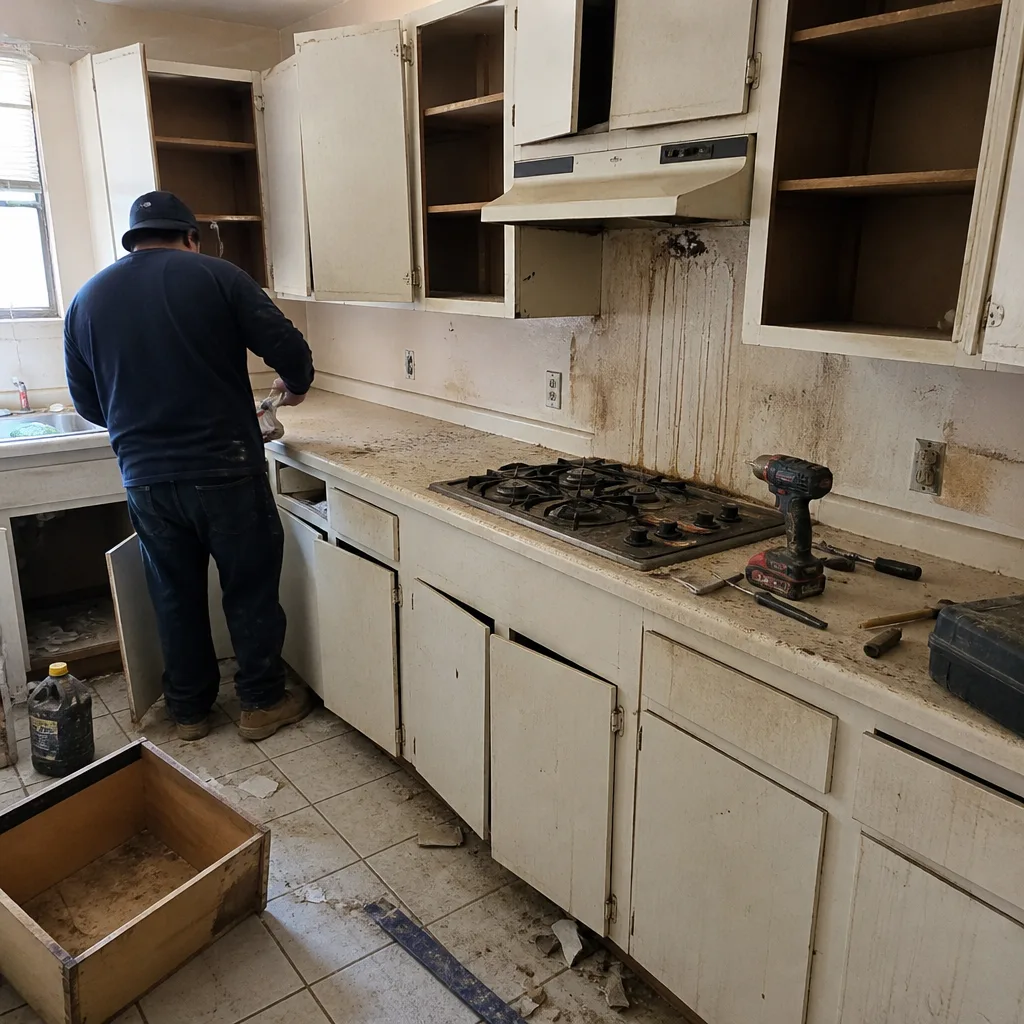
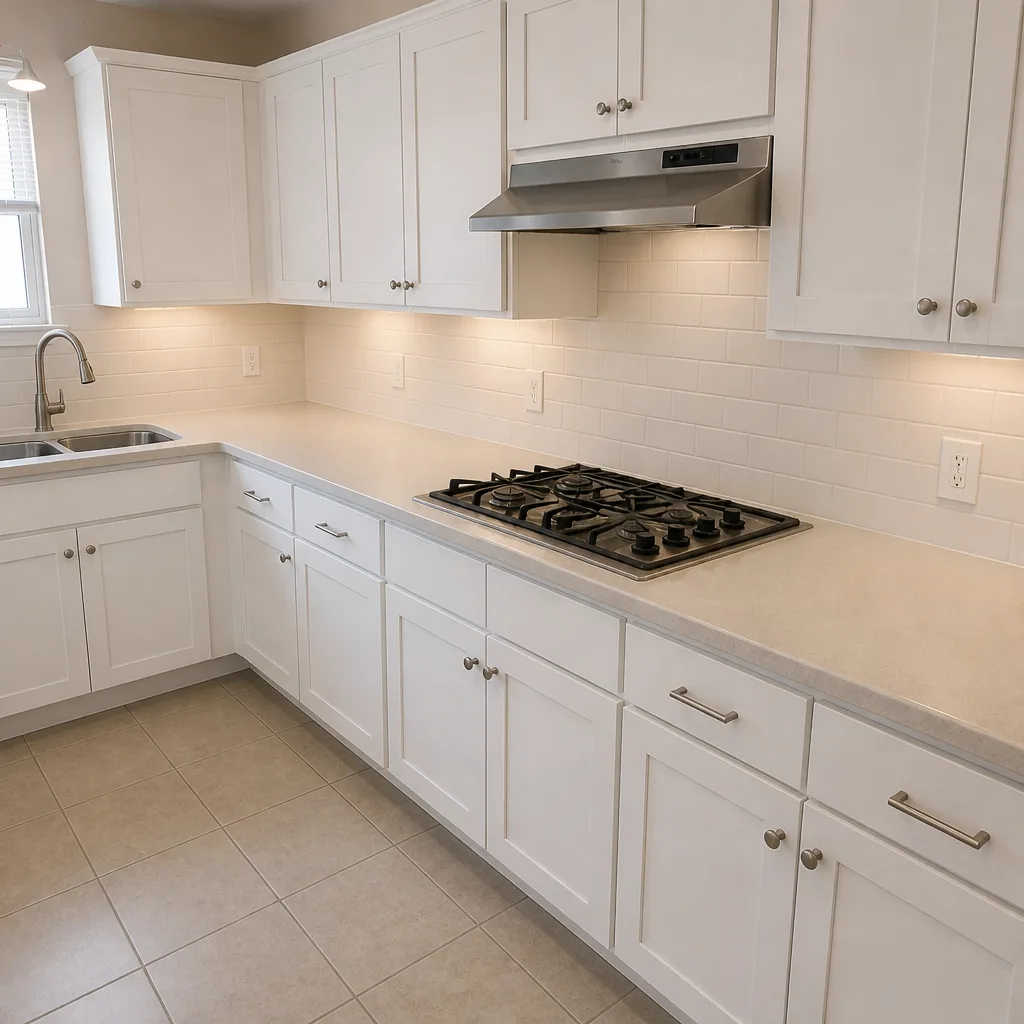
See the difference
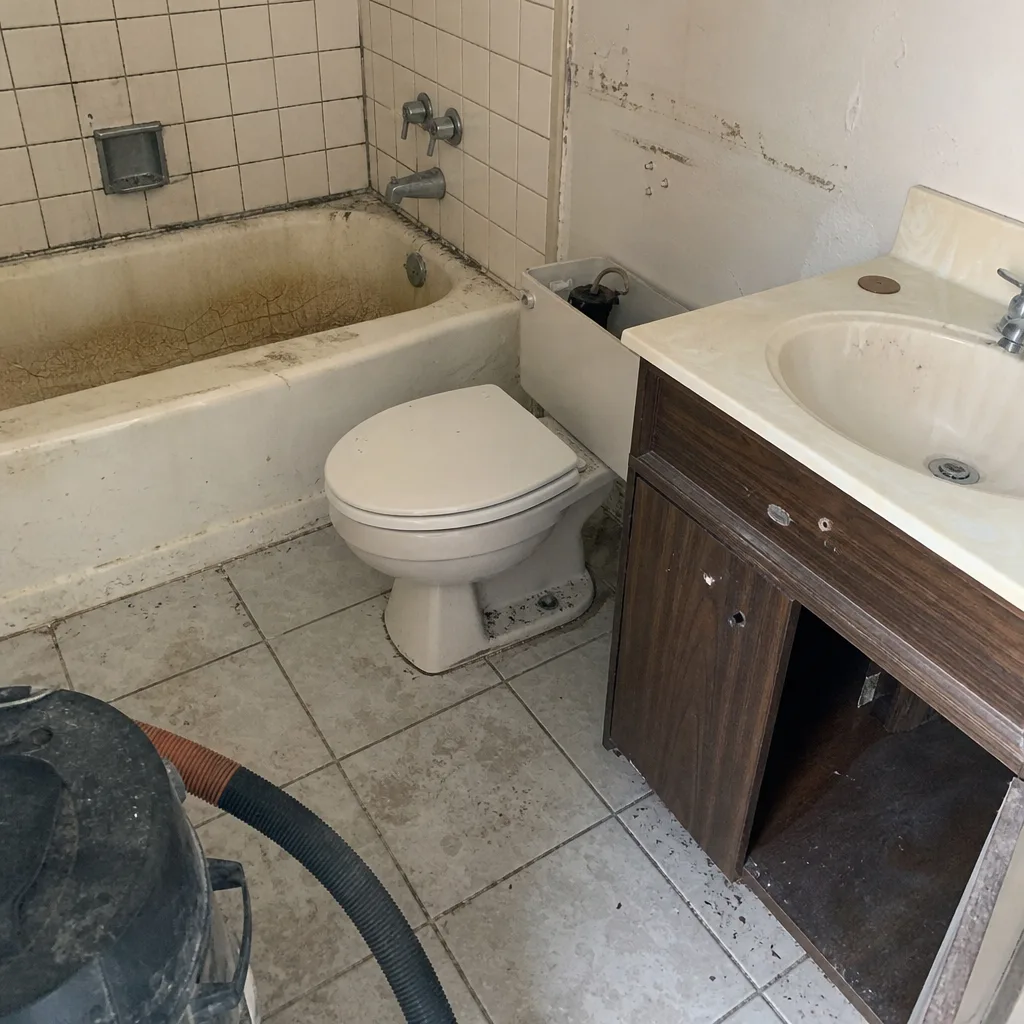 Before
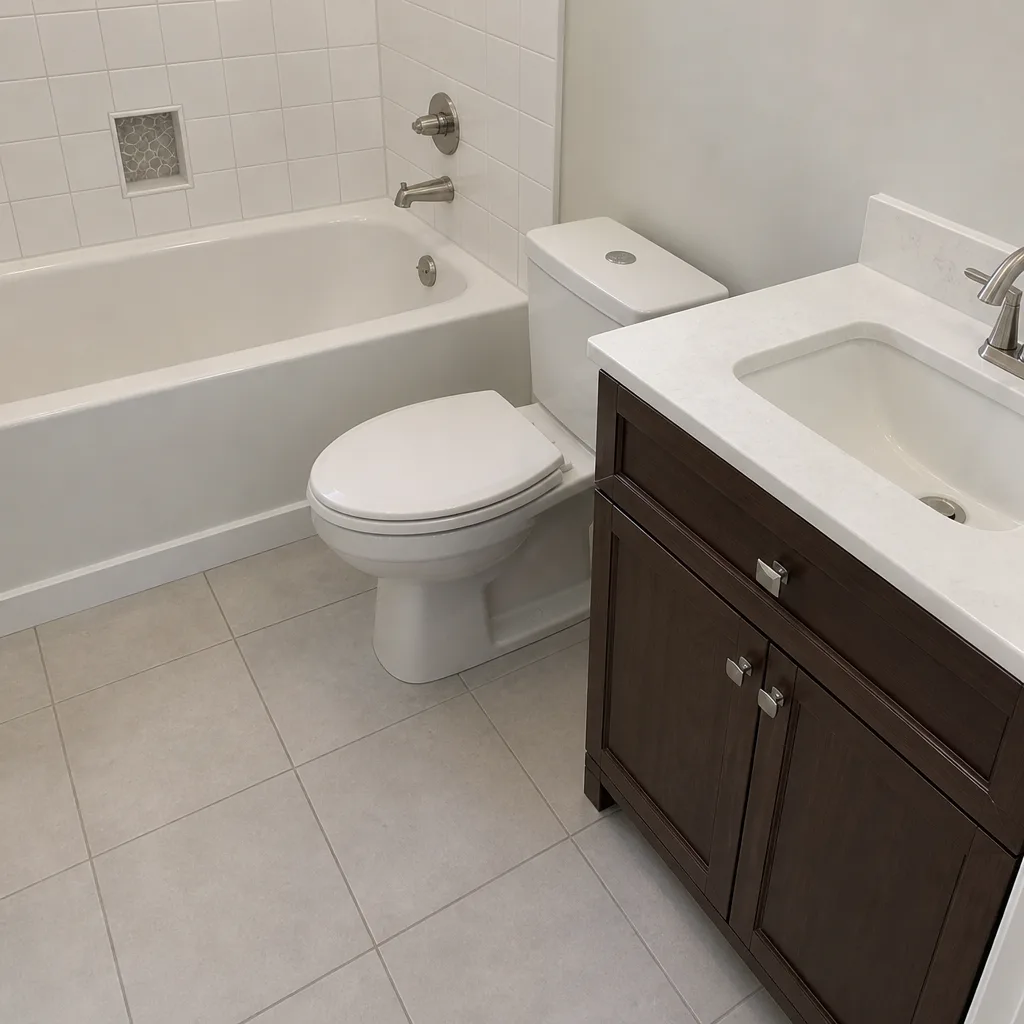 After
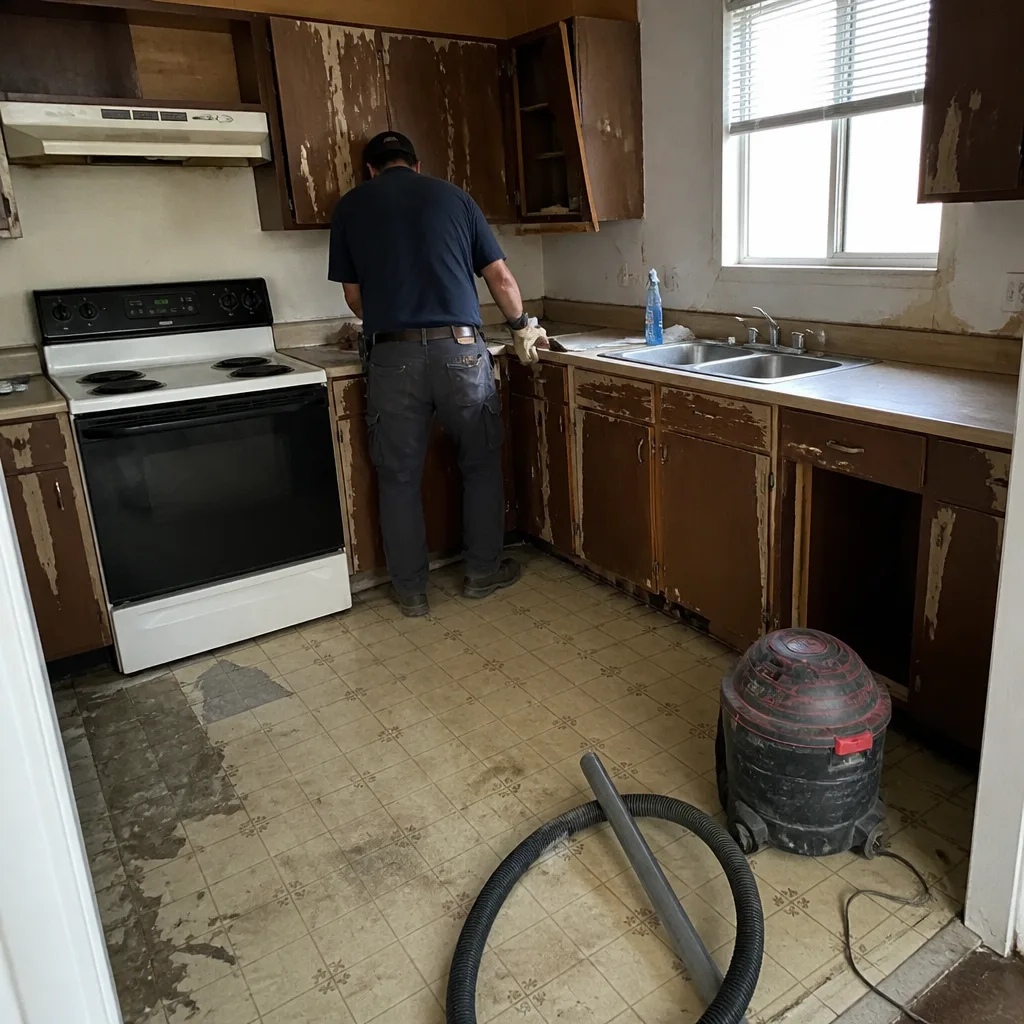 Before
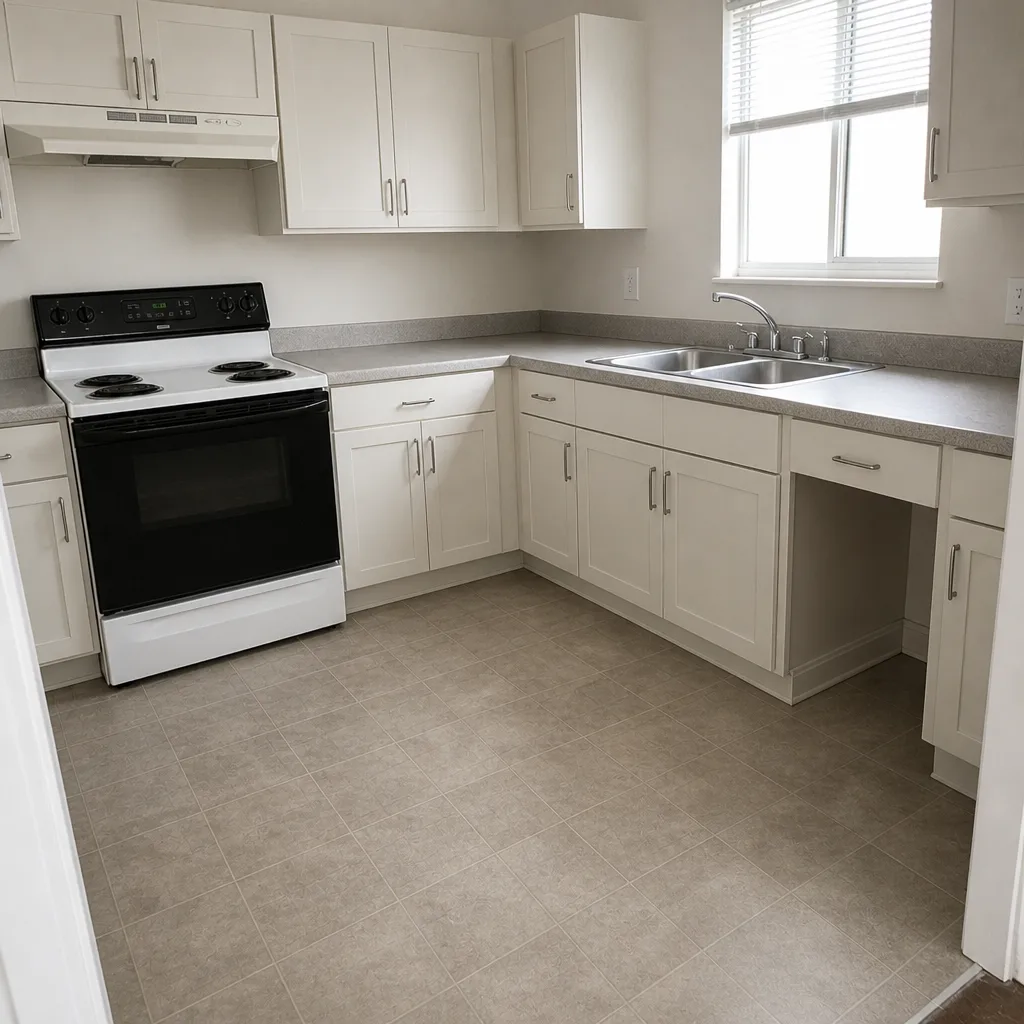 After
 Before
 After
When to Call a Professional
Some paver maintenance is homeowner work: sweeping joint sand, resealing, washing off desert dust. But these situations call for a professional, and the sooner the better.
Call us when you see pavers that have heaved or tilted (that’s almost always a base failure and it will not fix itself), when a large area of the driveway has cracked or shifted, when the pavers were laid over existing concrete and are now debonding, or when you’re planning a new driveway and your lot has caliche. Working caliche soil requires the right excavation equipment, compaction tools, and structural fill, and a homeowner with a shovel cannot do it correctly.
Also call when you’re ready to have the job done once instead of twice. Groundwork Construction Co. of North Las Vegas offers free estimates in North Las Vegas. Call (844) 797-5026 for a written quote and a plan that accounts for what your specific lot is actually built on.
Frequently Asked Questions
A paver driveway in North Las Vegas runs $14 to $24 per square foot installed, so a standard two-car driveway is typically $7,000 to $14,000. The range depends mainly on caliche depth and paver selection. Call (844) 797-5026 for an exact quote. Estimates are free.
Most North Las Vegas driveway installations require a permit, and HOA approval is also required in master-planned communities. Confirm both before any work starts. A reputable contractor will handle the permit process and provide proof of approval. Call (844) 797-5026 and we’ll walk you through what your specific project requires.
Over caliche, the base typically goes deeper than the standard 4 to 6 inches, often 6 to 8 inches or more, and in severe cases the affected soil is undercut an additional 8 to 12 inches and replaced with structural fill. The exact specification depends on the test pit results. Call (844) 797-5026 to schedule an evaluation.
A properly built paver driveway in North Las Vegas lasts 25 to 30 years with basic maintenance, while a driveway built over uncompacted caliche can fail in as little as 2 to 3 years. The base and edge restraint are the biggest factors. Call (844) 797-5026 to have your project built right the first time.
That white bloom is efflorescence, and in North Las Vegas it’s driven by the hard water from Southern Nevada Water Authority. The fix is a proper cleaning and a breathable penetrating sealer, plus redirecting any irrigation that’s hitting the pavers. Call (844) 797-5026 for an assessment and quote.
Yes, and in most cases you should. Using the same Belgard or comparable paver line for both ties the outdoor spaces together. A patio requires the same base preparation and edge restraint as a driveway. Call (844) 797-5026 to schedule a free estimate and design consult.
The Bottom Line
North Las Vegas is not a generic paver market. Caliche, 115°F summers, hard water, and HOA architectural rules all change what correct installation looks like. A driveway built to Pacific Northwest or Southeast standards will fail faster here than almost anywhere in the country. The right approach: test for caliche before you bid, specify high-density pavers with a fade warranty, use a breathable penetrating sealer, obtain HOA approval in writing before you break ground, and budget for real local prices rather than national averages.
If you want all of that done correctly the first time, from site evaluation to final compaction, that’s the work we do. Our technicians have up to 12 years of experience, and every project is covered by the 730-Day Done Right Promise. Visit Groundwork Construction Co. of North Las Vegas home to learn more about the full scope of services. For a free written estimate, call (844) 797-5026. Live person, 24/7. Upfront pricing, no surprises.
Written by the team at Groundwork Construction Co. of North Las Vegas.