Last updated November 18, 2026


Free written scope consultation - allowances, timeline, and change-order rules on paper before a single trade is scheduled
How Long Does Driveway & Pavers Take? Timelines and What to Expect
A contractor who tells you a standard two-car paver driveway takes two days is either skipping the base cure time or planning to work around your schedule with a skeleton crew. Both shortcuts show up in the finished product a year later, when the pavers shift and the joints open. In our experience across North Las Vegas, the honest number for a typical driveway is five to nine working days from permit to seal. This guide breaks down every phase, tells you which delays are normal and which mean something went wrong, and explains why crew size matters more than calendar days.
Quick Answer
A paver driveway in North Las Vegas typically takes 5 to 9 working days from permit approval to final sealing, with the base preparation and compaction cure making up roughly half that time. Add 3 to 10 business days for permitting and 1 to 2 weeks before you can park heavy vehicles on the finished surface. Weather in the summer monsoon months can add 2 to 5 days to the schedule.
- Permit and design: 3 to 10 business days
- Demo and excavation: 1 to 2 days
- Base install and compaction: 1 to 2 days
- Base cure: 3 to 7 days (longer in summer heat for concrete base)
- Paver laying: 1 to 3 days depending on crew size
- Jointing, cleanup, sealing: 1 to 2 days, plus 24 to 48 hours seal cure before foot traffic
Styles & brands we work with
- Kitchen remodeling
- Bathroom remodeling
- Home additions & ADU
- Roofing
- Windows & doors
- Driveway & pavers
- Fence
Table of Contents
- The phase-by-phase timeline for a North Las Vegas paver driveway
- Permits and HOA approval in North Las Vegas: what to expect
- Why the base cure is the single most important phase of your driveway build
- How North Las Vegas summer heat changes the schedule
- Legitimate weather delays versus scheduling excuses
- Crew size versus calendar days: why five days with two men beats two days with six
- Red flags in a contractor’s quoted timeline
- What to expect in the first month after installation
The phase-by-phase timeline for a North Las Vegas paver driveway
Every paver driveway breaks into eight phases, and each one affects the next. When a contractor gives you a single number for the whole job, this is the sequence they’re compressing.
- Design and estimate (1 to 3 days). Running measurements, drainage calculations, and material selection from brands like Belgard, Unilock, or Tremron. This should produce a written line-item quote, not a phone number.
- Permit application (3 to 10 business days). North Las Vegas requires a right-of-way (encroachment) permit when the driveway apron meets the street. Turnaround depends on the city’s current queue.
- Demo and excavation (1 to 2 days). Removing existing concrete or asphalt, hauling off debris, and excavating to depth. Depth varies with the paver thickness and base spec, typically around 8 to 12 inches total for a residential driveway.
- Base installation and compaction (1 to 2 days). Placing and compacting the aggregate or concrete base in lifts. This is the phase most contractors rush, and it’s the phase that determines whether your driveway looks flat in five years.
- Base cure (3 to 7 days, longer for concrete base in summer). Concrete base needs to reach strength before pavers go down. In North Las Vegas, surface temps in July and August can push a slab past 140°F during the day, and the crew has to protect the cure rather than speed it up.
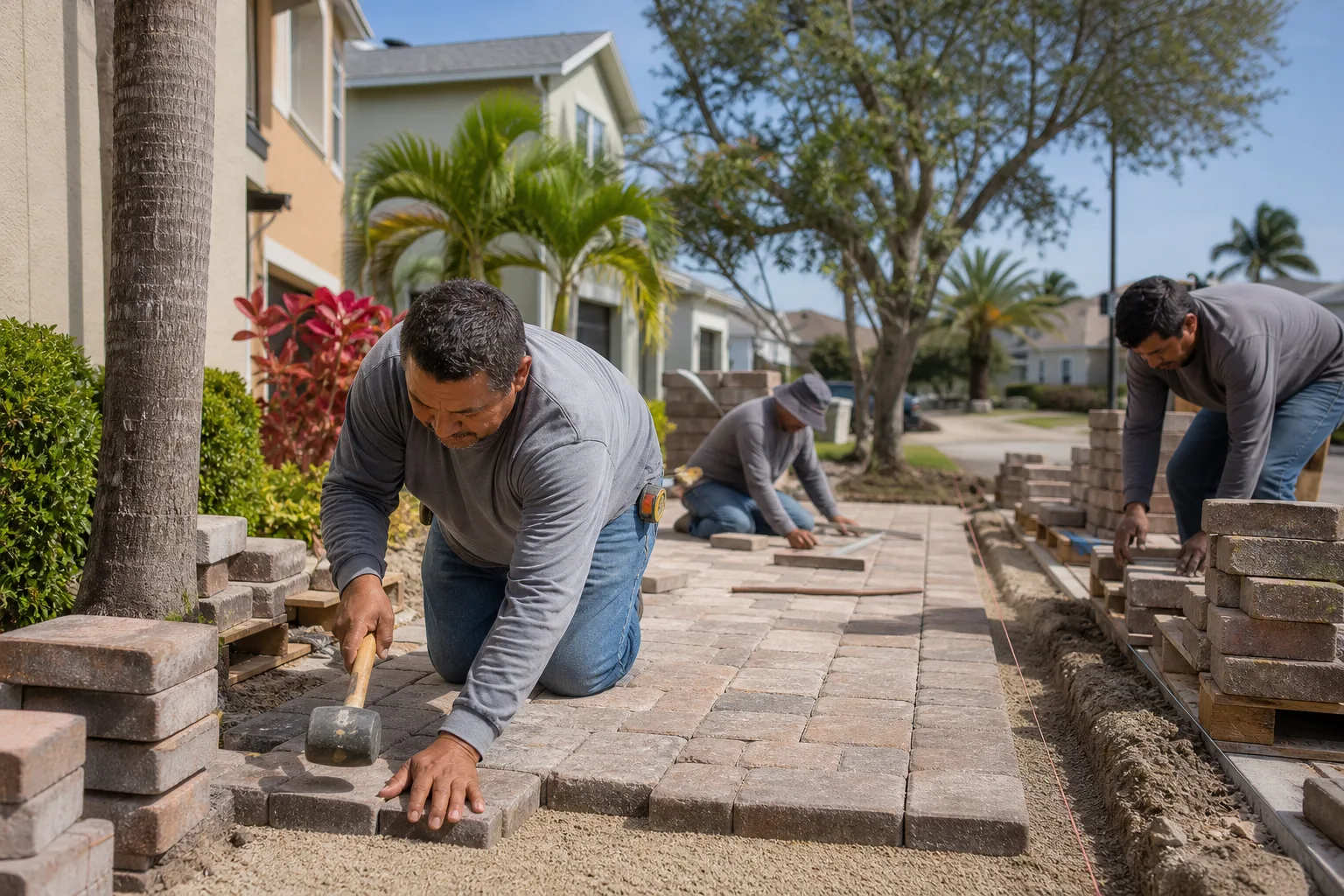
- Paver laying (1 to 3 days). Setting a screed bed, cutting, laying in the specified pattern, and running edge restraints. Cutting around aprons on a curved driveway takes longer.
- Jointing and cleanup (same day as laying finishes or next morning). Sweeping polymeric sand into the joints and compacting to seat it, then a full site clear.
- Sealing (after 24 to 48 hours of dry weather, then 24 to 48 more to cure). Some builders skip this step entirely. Skipping seal on a Las Vegas driveway means UV fade, sand loss, and weeds faster than you’d expect.
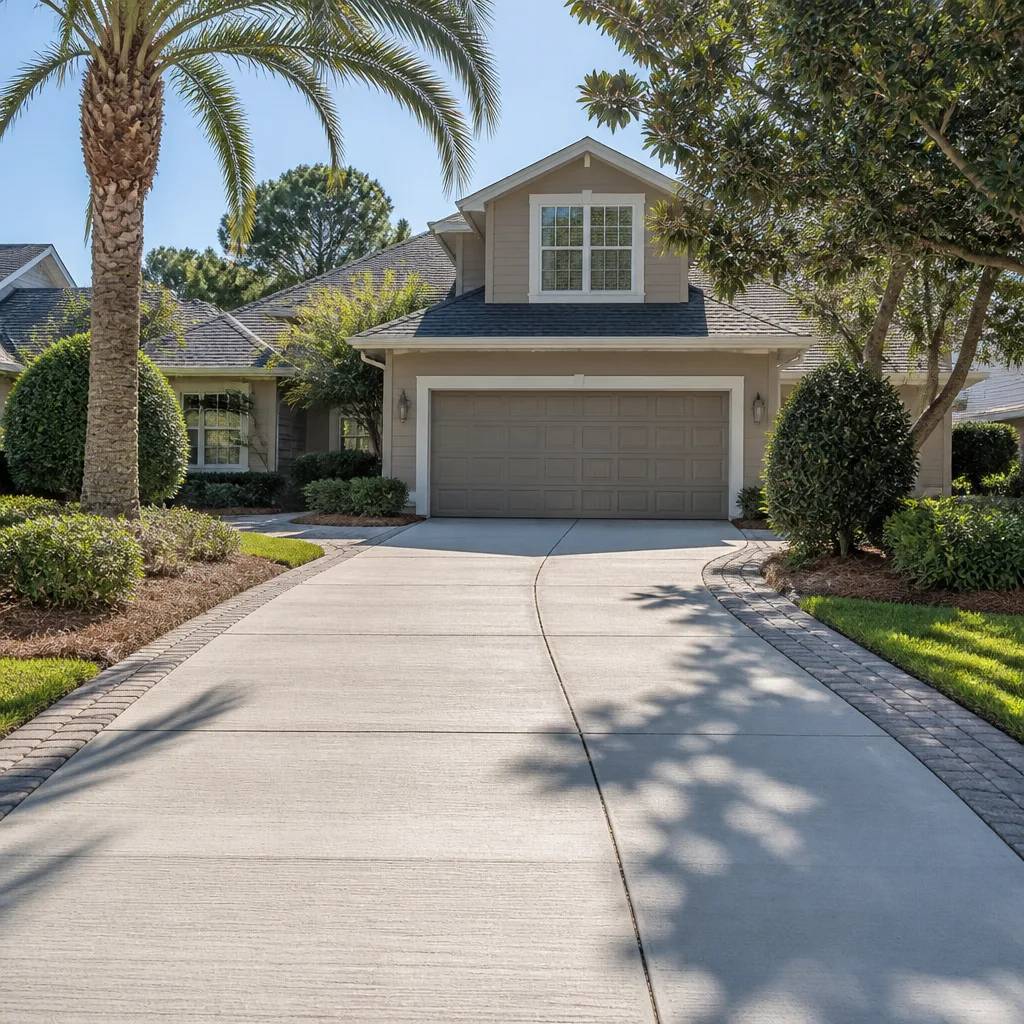
If you want the interior details on materials and construction, our Driveway & Pavers in North Las Vegas page covers what’s actually being installed. If a contractor quotes “two days” without addressing steps 4 through 6, they are either skipping base cure or planning to lay pavers on a wobbly base and hope you don’t notice.
Permits and HOA approval in North Las Vegas: what to expect
The permit clock starts before any equipment rolls onto your property. In North Las Vegas, most driveway replacements that touch the public right-of-way need an encroachment permit from the city, and if your property is in an HOA (as many are in Aliante, Tule Springs, or the neighborhoods off Revere), expect the HOA architectural review to take another 5 to 15 days.
Here’s the practical sequencing that saves you a week:
- HOA first, permit second. HOA architectural review is the long pole. Submit that packet before the city permit, since the city can’t approve an encroachment the HOA will reject.
- Assemble drawings and a materials sheet. The city and HOA both want to see paver brand, pattern, and color. Naming Belgard or Unilock on the sheet speeds the review because those specs are already in the system.
- Schedule a walk-through with utility locate. Nevada’s 811 locate takes 2 business days by law, and no honest contractor skips it. If your contractor starts digging before 811 has marked the gas and water lines, that’s a stop-work issue, not a schedule win.
- Ask for copies of the approved permit. If a contractor can’t produce it at the final walkthrough, you’re the one holding the open permit at resale.
We’ve seen jobs in North Las Vegas where the HOA review alone added 11 days to a project that was “supposed” to start the following Monday. The right time to know that is before you sign, not after.
Why the base cure is the single most important phase of your driveway build
Ask any experienced paver installer what makes a driveway last ten years versus three and you’ll hear the same answer: base. If a contractor’s quoted timeline doesn’t have a defined cure window between base compaction and paver laying, the schedule is wrong.
Two things go wrong when base cure is rushed:
- Settlement. A concrete base that hasn’t reached strength will compress under the weight of paver traffic in the first six months. You’ll see ridges and low spots forming where the pavers sit on an uneven surface.
- Joint separation. When the base moves, the pavers move with it. Polymeric sand that’s been set on a moving surface will crack and wash out, and you’ll be re-sanding joints before the driveway is two years old.
Aggregate base (compacted crushed stone) is different: it doesn’t need a chemistry cure, but it does need proper compaction in 2- to 3-inch lifts with a plate compactor. A crew that piles 8 inches of base in one lift and runs the compactor over it once has technically “installed” the base but functionally trapped loose material underneath future pavers. In our experience, the tell is a driveway that drains fine on day one and puddles in the rain season two years later.
A legitimate North Las Vegas driveway schedule includes:
- Base placed in 2- to 3-inch lifts
- Compaction between every lift, not just at the end
- Moisture conditioning (the base shouldn’t be bone-dry when compacted)
- Minimum 3-day cure for aggregate; 5 to 7 days for concrete base in summer
- Slope verification before pavers are set
No structural work on your home means this isn’t a building-code issue – it’s a workmanship issue, and the 730-Day Done Right Promise from Groundwork Construction Co. of North Las Vegas exists because base shortcuts typically surface in that window.
How North Las Vegas summer heat changes the schedule
Summer heat in North Las Vegas affects a paver driveway in three specific ways, and none of them are negotiable.
Concrete base cure slows down. That sounds backwards, but the hotter a slab gets, the faster water evaporates out of the mix, which can crack it before it reaches design strength. A crew that knows what it’s doing on a July job protects the slab with wet burlap or a curing compound during the day and works the base install early morning. The calendar effect is usually 1 to 2 extra days of cure time, not fewer.
Paver surface temperature exceeds 140°F in direct sun by midday. That’s hot enough to make the polyurethane seal cure too fast, cloud, or trap moisture. Sealing gets pushed to early morning or late afternoon. If a contractor tells you they’ll “seal it whenever,” that’s a sign they don’t seal much in this market.
Buddy – crew productivity drops. Crews working in direct July sun on a North Las Vegas driveway take more breaks, sometimes operate a split shift (5 am to noon, off three hours, back 3 pm to 8 pm), and finish a given day with fewer square feet of laying. A schedule built for a spring install is 20 to 30 percent optimistic when built around July.
If you can schedule a paver driveway in North Las Vegas between October and April, you’ll usually get a smoother run. If you need it done in summer (and plenty of homeowners do), build 2 to 5 extra days into what you plan for.
Legitimate weather delays versus scheduling excuses
Not every delay means a problem, but you should know the difference.
Real weather delays:
- Rain during excavation or base install. A monsoon cell dropping a half inch in 30 minutes in August will turn a North Las Vegas excavation into a mud pit. The base has to be re-graded and re-compacted. This is a legitimate 1- to 3-day hit.
- Rain during base cure, if the base is exposed aggregate. Standing water in the excavation undermines the compaction. Another real 1- to 2-day delay.
- High winds (25 mph sustained plus). Polymeric sand and dry sweep get airborne and the seal won’t cure evenly. Sealing often can’t happen that day.
- Rain within 24 hours of sealing. Seal must cure dry. If rain lands on it, the whole sealing pass needs to be redone after drying out. That’s a real 1- to 2-day hit.
Excuses, not weather:
- “It’s too hot to work” in June. It hits 105°F in North Las Vegas reliably every June. A contractor who hasn’t built their schedule around that reality is showing you how they run every job.
- “Waiting on the paver order” when they hadn’t ordered the paver until site demo started. Material orders should be placed before work begins.
- “The permit is still in process” on a job that broke ground before the permit was issued. If the demo started before permit approval, that’s a permitting issue, not a scheduling one.
- “The crew got pulled to another job.” This is honest about what happened and dishonest about the schedule you agreed to. Ask up front how many crews the company runs and what happens if your job conflicts with another.
If your contractor is a company that answers the phone every time, you can get these answers in real time instead of guessing. A live person answering 24/7 is a meaningful schedule signal – you’re not waiting until Monday to hear why the crew disappeared.
Crew size versus calendar days: why five days with two men beats two days with six
Here’s the counterintuitive part of paver driveway scheduling: a bigger crew compresses the calendar but can hurt the job.
Consider two installers on the same 700-square-foot driveway:
- Two-day job with six men: 14 total worker-days of labor, but four of them haven’t seen the base work. Coordination costs go up. Base phase has to be done on an aggressive timeline because the crew is standing around waiting. Sand joints get rushed because the crew has to leave for another job tomorrow. Quality risk on the base and the sand setting is high.
- Five-day job with two men: 10 total worker-days of labor. The same two people handle excavation, base, compaction, laying, and sealing. Continuity means the person who compacted the base is the one verifying slope before pavers go down. Fewer hands on the material, fewer opportunities for a sloppy edge.
Calendar days aren’t the goal. Fifty hours of work doesn’t get better because you fit it into twenty hours of clock time. The best North Las Vegas driveway schedules we’ve seen are four- to six-person crews that stay on your job from demo to seal, with a foreman who owns the compaction and slope sign-offs.
What to ask before you sign:
- How many people will be on this job on each day?
- Will the same crew handle demo through seal, or will a separate “seal crew” come back weeks later?
- Who’s accountable for the base compaction pass?
- How many jobs is this company running simultaneously with mine?
If the answer is vague, the crew size is probably being negotiated, and your schedule is the currency.
Red flags in a contractor’s quoted timeline
The schedule in the estimate tells you a lot about how the job will actually go. Watch for these:
- “Two to three days, start to finish” for a driveway with a concrete base. Not possible. Base cure alone is 5 to 7 days. Either they’re using aggregate base with zero cure (fewer than 3 days) or skipping cure entirely.
- No permit timeline on the estimate. If a contractor can’t tell you the North Las Vegas permit turnaround, they don’t pull them. If they don’t pull them, you own the code issue.
- Sealing “at the end of the season.” Translation: they’ll come back to seal it whenever, and you’ll be chasing them in October. Seal belongs on the initial schedule with a defined date.
- No weather contingency in the timeline. Every honest schedule has one. Every dishonest one doesn’t.
- “We’ll work around your HOA.” HOA approvals aren’t “worked around.” They’re approval gates before demo begins.
- Written quote with no phase breakdown. You should be able to see excavation, base, compaction, laying, jointing, and sealing as separate lines with separate durations.
- Deposit before permit. A 30 to 50 percent deposit before the permit is issued is often a sign the contractor is using your deposit to fund another job’s material order.
The 730-Day Done Right Promise – the workmanship guarantee backing every job – only works if the schedule you signed is the schedule your contractor actually built to. If a timeline looks too good to be true, the base is where the corners get cut.
What to expect in the first month after installation
The clock on the driveway doesn’t stop at the seal walkthrough. Here’s the aftermath:
- Days 1 to 2 after seal: foot traffic only. No vehicles, no furniture, no hoses dragged across the surface. The seal needs to cure fully.
- Days 3 to 7: light vehicles (sedans, SUVs) can park after 72 hours. Heavy trucks, travel trailers, or anything over about 6,000 pounds should wait a full week.
- Weeks 1 to 4: some “efflorescence” – a white chalky film – is normal on new concrete base and often migrates up through the joint sand. It generally washes off with rain or a light rinse within 30 days. Don’t panic-seal it; a second seal over efflorescence will lock it in.
- First monsoon rain after install: check for puddling at the apron and along the low side of the driveway. A properly sloped install drains within a few minutes. If water sits for 24 hours, call the contractor back. This should be a warranty item.
- First 12 to 24 months: expect light polymeric sand loss in high-traffic lanes. Most companies include one re-sand touch-up in the workmanship guarantee.
If any of this doesn’t hold, that’s exactly what the promise is for – being able to call and reach a live person who answers the phone on the day you’re noticing the problem, not a week later.
Common Mistakes to Avoid
- Choosing a bid on calendar days alone. A “faster” quote usually means the base was rushed. Ask what the base cure phase looks like on paper before comparing two quotes straight across.
- Skipping the HOA review before permit. North Las Vegas HOAs (Aliante, Tule Springs, and several communities off Centennial) have design review. Getting the city permit first doesn’t speed the start date, it just moves the bottleneck.
- Letting the crew start demo before utility locates. Nevada’s 811 service needs 2 business days. A crew that skips it is gambling with your water main and gas line.
- Not checking if the concrete base is being poured in summer. In July and August, base pour timing matters. Late-morning pours cure too fast and crack. Ask the crew what they do about it.
- Approving “seal at the end of season.” Seal gets scheduled with a date, not a season. If it’s not on the original estimate, add it.
- Forgetting the snowbird schedule squeeze. North Las Vegas contractor availability tightens between September and November when out-of-state owners fly back in and want projects done before the holidays. Booking in August gets you a better start date than booking in October.
- Skipping a written line-item quote. Upfront pricing means you know the number and what’s in it before the first shovel hits the ground. If the quote is verbal, expect the final invoice to be a surprise.
See the difference
 Before
 After
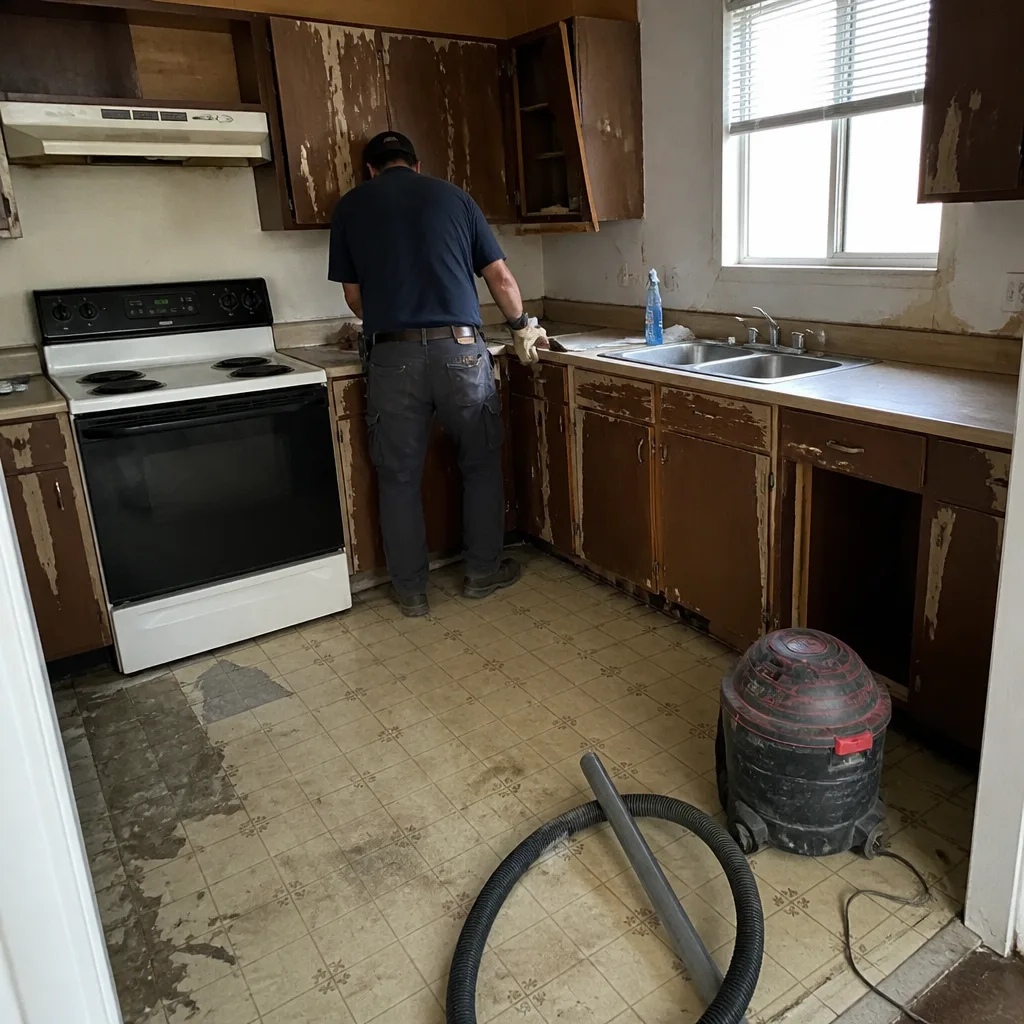 Before
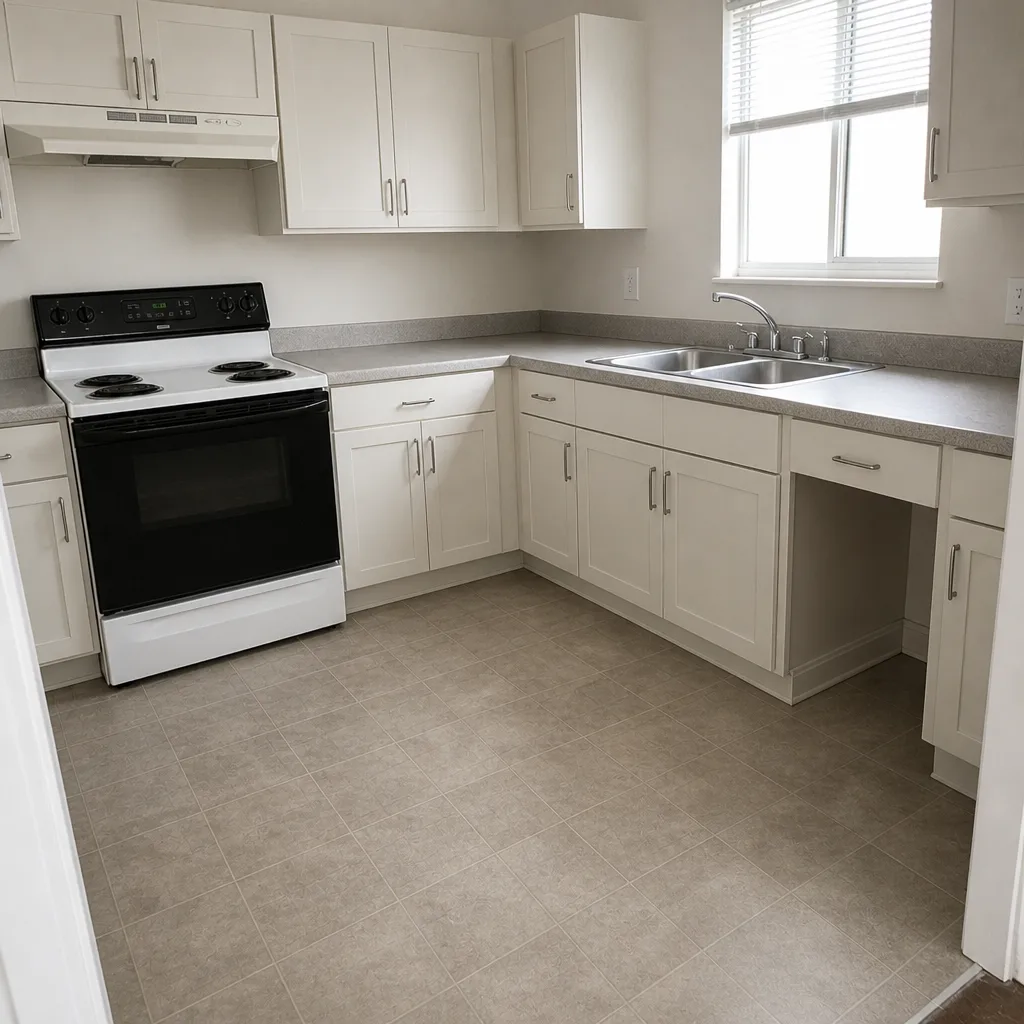 After
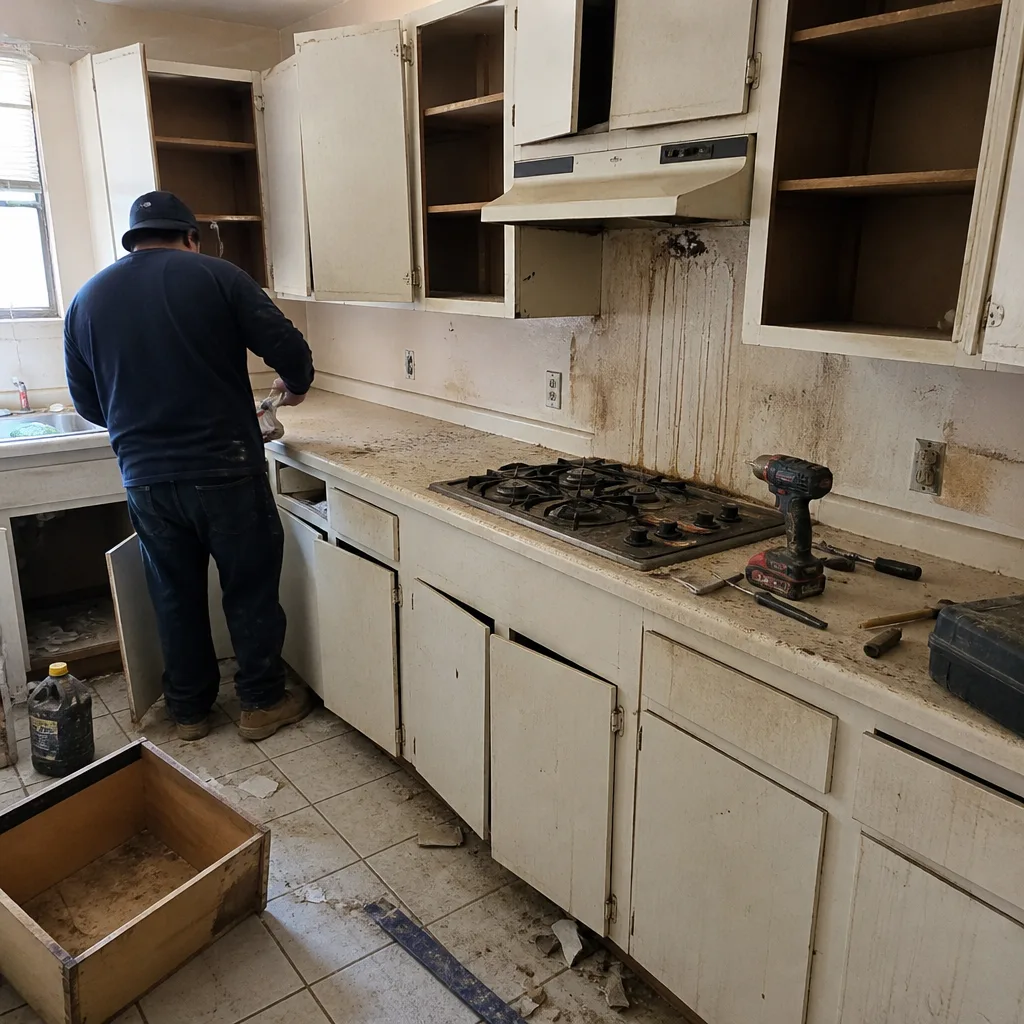 Before
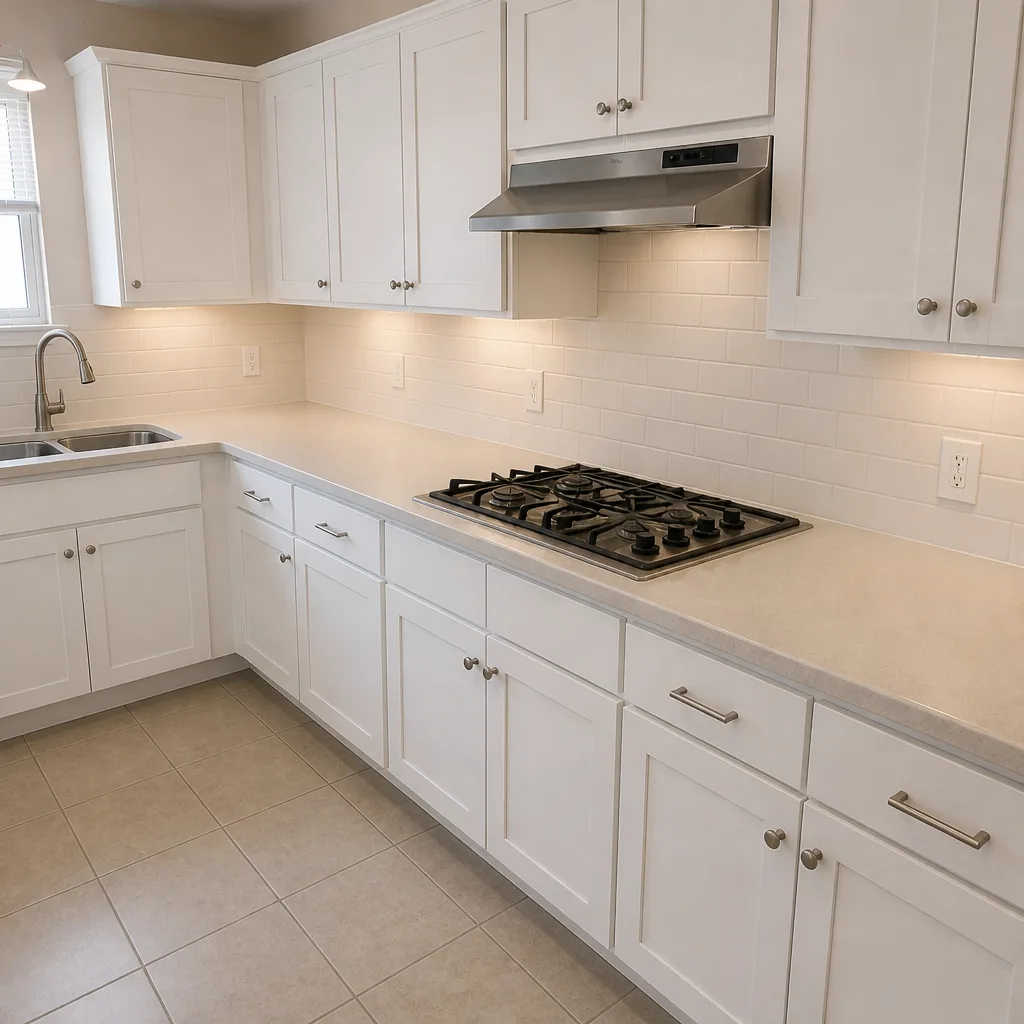 After
When to Call a Professional
A paver driveway is one of the few exterior projects where the wrong crew is more expensive than the right crew, because the failure mode is structural: an under-compacted base, a rushed cure, or a skipped permit means the driveway has to come back out. That’s a $15,000- to $30,000-class job in the North Las Vegas market, and re-doing it doubles the cost. Call a professional if your existing driveway has joints separating within three years of install, if a contractor wants to start before the permit and 811 locates are done, if the quote is verbal and light on phase detail, or if the timeline seems too good for a proper base cure. We’ve watched homeowners in North Las Vegas discover a bad base the hard way more than once; a free estimate with the schedule written in it is a lot cheaper than remediation. Groundwork Construction Co. of North Las Vegas offers free estimates in North Las Vegas – call (844) 797-5026.
Frequently Asked Questions
Plan on 5 to 9 working days from permit to seal for a standard two-car driveway, plus 3 to 10 business days for permitting and HOA review. If your property is in an HOA, add another 5 to 15 days for architectural review. The single biggest schedule variable is base cure – concrete base adds 5 to 7 days of cure time in summer that a “2-day crew” will skip. Call (844) 797-5026 for a written schedule with your exact dates.
Not honestly. A two-day install on a driveway with a concrete base skips either the base cure, the compaction passes, or both. A two-day install on an aggregate base with proper compaction is possible for a small single-car driveway worked by a large crew, but you should see the phase breakdown on the estimate before trusting that number. Ask what happens to the base cure phase.
Yes. Concrete base cure extends by 1 to 2 days in July and August because the slab needs to be protected from rapid moisture loss. Sealing moves to early morning or late afternoon to avoid 140°F-plus surface temps. Crews often work split shifts. The total effect is usually 2 to 5 extra days on a summer install compared to an October install in North Las Vegas.
Generally yes, if the driveway apron touches the public right-of-way, which is most properties. That requires an encroachment permit from the city. HOAs also require architectural review before demo begins. A licensed contractor should pull the permit and provide a copy at the final walkthrough. Call (844) 797-5026 to schedule a free estimate and confirm what your specific property needs.
Wait 72 hours for foot traffic and light vehicles, and a full 7 days before parking anything heavy – trucks, trailers, or vehicles over about 6,000 pounds. The seal needs to cure fully, and the joint sand needs time to set. In North Las Vegas summer heat the seal cures faster, but the 72-hour minimum still applies.
Ten to fourteen working days is a reasonable worst case for a North Las Vegas driveway with HOA review, a permit snag, and a monsoon rain event during base cure or sealing. Anything beyond that and you should be asking the contractor for the specific delay and the revised completion date in writing. Call (844) 797-5026 to talk through what a realistic schedule looks like for your project – the estimate includes the timeline in writing.
The Bottom Line
A paver driveway in North Las Vegas takes 5 to 9 working days of active construction, plus 3 to 10 business days for permitting and 1 to 2 weeks of post-install cure before heavy vehicles. Base cure is the phase that drives the schedule, especially in summer heat, and a “2-day crew” almost always compresses the wrong phase. Crew size matters more than calendar days – a stable crew that handles your job from demo to seal outperforms a larger crew racing to another site. And when the schedule in the estimate reads honestly, so does the contractor. Written by the team at Groundwork Construction Co. of North Las Vegas.
Call (844) 797-5026 for a free estimate with the full written schedule, line-item pricing, and the 730-Day Done Right Promise included. Live person, 24/7.
Written by the team at Groundwork Construction Co. of North Las Vegas.