Last updated November 18, 2026
Free written scope consultation - allowances, timeline, and change-order rules on paper before a single trade is scheduled
DIY vs Professional Fence Installation: What’s Safe to Do Yourself
The most expensive fence call a contractor gets is the one that starts: “I already set all the posts, but they’re not right.” Pulling and resetting concrete-cured posts costs more than the original installation would have, and in our experience it happens on roughly one in four serious DIY fence attempts. The project looks simple on a Saturday morning and turns into a rescue by Sunday night. Here’s the honest split: a basic wood privacy fence on flat ground is genuinely doable for a careful homeowner. Block walls, slope-following panels, and automated gates are not. This guide walks through the two steps that punish small errors (post layout and footing depth), the permits North Las Vegas requires, and the skill-and-tool audit you should run before you commit a weekend.
Quick Answer
On flat ground with basic materials, a wood privacy fence is safe to DIY if you can dig accurate footings, hold a true line, and wait out a proper concrete cure. Post layout and footing depth are where most homeowners lose the project. Block walls, fences on slopes, gates with automation, and anything requiring a permit in North Las Vegas are worth hiring out. If you can’t check every box on the tool and skill audit below, the math already favors a pro.
Styles & brands we work with
- Kitchen remodeling
- Bathroom remodeling
- Home additions & ADU
- Roofing
- Windows & doors
- Driveway & pavers
- Fence
Table of Contents
- Why Post Layout and Footing Depth Decide Every Fence
- The Skill and Tool Audit Before You Commit
- Concrete Footings: What the Bag Instructions Miss
- Fence Types That Are Genuinely DIY-Friendly
- Fence Types That Require Professional Execution
- Permits in North Las Vegas: What’s Required and What Happens Without One
- The Real Cost Math: DIY vs. Hiring
- Common Mistakes to Avoid
Why Post Layout and Footing Depth Decide Every Fence
Every fence failure we’ve walked up to in North Las Vegas traces back to one of two things: posts that weren’t where they should be, or posts that weren’t deep enough or set in the right concrete mix. Everything else – pickets, rails, caps, stain – is cosmetic by comparison. Get the posts right and the rest is carpentry. Get them wrong and you’re pulling concrete.
Post layout punishes error because it compounds. A half-inch drift between post one and post two becomes two inches by post ten. Over 50 linear feet, that drift turns into a visible bow, misaligned pickets, and a gate that won’t swing true. The fix isn’t a bigger hammer. It’s a string line, a laser or level transit, and the discipline to check every post against the reference before you pour. In our experience, the homeowner who skips the string line and eyeballs the run is the homeowner who calls us three weeks later.
Footing depth punishes error differently. A post that’s too shallow or set in weak concrete doesn’t fail the day you install it. It fails the first summer the ground heaves or the first windy spring when a 60 mph gust pushes against a 6-foot privacy panel. North Las Vegas soil is a mix of caliche and sandy fill in many newer subdivisions, and caliche in particular is unforgiving: it holds water against the post and creates freeze-heave and settlement cycles that a properly set footing handles without complaint. Clay-heavy pockets on the older east side of North Las Vegas behave differently than the sandier soil out near the Aliante and Tule Springs areas. The depth you need is not the same across the valley.
What “post layout” actually means on a real site
It means placing every post within 1/8 inch of a straight line, spacing them at 6 or 8 feet on center uniformly, and confirming the line is square to the house, the property line, or both. It means checking the setback from the property line against your plat map. It means knowing which side the fence faces (good side out or in, depending on local convention). None of that is hard. All of it is easy to skip. When it’s skipped, the fence looks fine from a distance and looks wrong from the patio.
The Skill and Tool Audit Before You Commit
Before you buy lumber, run this audit honestly. If you can check every box with confidence, a basic wood privacy fence is within reach. If two or more boxes are missing, the project is worth rethinking. We’ve seen homeowners in North Las Vegas pull off a clean 60-foot cedar privacy run and we’ve seen others turn a 40-foot project into a $4,000 rescue. The difference almost always comes down to this list.
- Can you dig a 24-inch-deep, 10-inch-diameter hole through caliche or compacted fill? If the answer is “with a lot of effort and maybe a rented auger,” you’re fine. If it’s “no, the ground here is rock,” you need a different plan.
- Do you own or can you rent a string line, a 4-foot level, a post level, and a laser or transit? Eyeballing a fence line is where most small errors start. These tools are the difference between a straight run and a bow.
- Do you have a wheelbarrow, mixer or mixing tub, hoe, and the patience to mix 20+ bags of concrete by hand? A 50-foot privacy fence at 8-foot on center is 7 posts, and each post wants roughly 2 to 3 bags of concrete. That’s a real day of mixing.
- Can you brace and hold every post plumb through a full 24 to 48 hours of cure? Posts shift. Bracing is not optional.
- Can you read and follow your local setback and height rules? The 6-foot height limit and property line setback rules in North Las Vegas are specific and easy to look up.
- Do you have a second set of hands? Most fence steps are two-person work. Posts, rails, and panels are heavy and awkward. Doing it alone doubles the time and the risk of a pulled back.
- Can you cut a clean gate? Gates are the smallest and most-messed-up part of every DIY fence we’re called to. Square, plumb, and sag-free takes a specific approach.
If you can’t check at least six of seven boxes, the honest math favors hiring this one out. Groundwork Construction Co. of North Las Vegas offers Fence Installation in North Las Vegas, and free estimates, so the comparison is easy to make before you commit a weekend.
Concrete Footings: What the Bag Instructions Miss
“Just follow the bag” is the most expensive sentence in DIY fencing. The bag tells you how much water to add and how long to cure. It does not tell you that a wet mix in sandy North Las Vegas soil will wick away from the post before it sets, or that an overly dry mix will leave voids that a windstorm can exploit. It does not tell you that a footing poured into a hole that widened during digging will shift before it cures. All of that matters more than the ratio on the label.
Here’s what a professional approach to footings actually covers that a bag doesn’t:
- Mix consistency. The right consistency is like thick peanut butter – holds its shape when you scoop it, doesn’t slump. Too wet and the concrete loses compressive strength. Too dry and it bridges over voids. There is no bag-based rule of thumb that gets you there without a few test batches.
- Pour timing. Concrete does not wait. Once you start pouring a post, you have about 20 to 30 minutes of working time before it starts to set. If you’re pouring seven or eight posts in a day, batch your mixing and pour in sequence. Pour, check plumb, brace, then move on. Do not pour and walk away to cut rails.
- Bracing during cure. Every post wants a diagonal brace (2×4 to a stake in the ground) holding it plumb for 24 to 48 hours. In the wind that comes off the Sheep Range in spring, an unbraced post will find plumb on its own, and not the plumb you wanted.
- Crown and drainage. Concrete should crown slightly above the soil line so water sheds away from the post. In North Las Vegas, monsoon rain and irrigation overspray both find the low spots. A flat or recessed pour holds water against the wood and starts rot within a couple of seasons.
- Hole depth in local soil. In caliche-heavy ground, you need to over-dig slightly and backfill with clean gravel or concrete to prevent water pockets. In sandier fill, you need a wider hole so the concrete mass anchors against the soil rather than slipping through it. If your post is 6 feet above grade, the footing needs to run roughly 24 to 30 inches below grade here.
None of those steps is complicated. All of them require either experience or careful research. Most of the failed DIY fences we see in North Las Vegas were set in a hole with bag-following concrete and no bracing. That’s the recipe for a leaning fence two summers later.
Fence Types That Are Genuinely DIY-Friendly
A handful of fence types reward an ambitious homeowner. They’re forgiving in the way a good recipe is forgiving: the step-by-step is clear, the materials are uniform, and the failure modes are obvious right away rather than two years down the road.
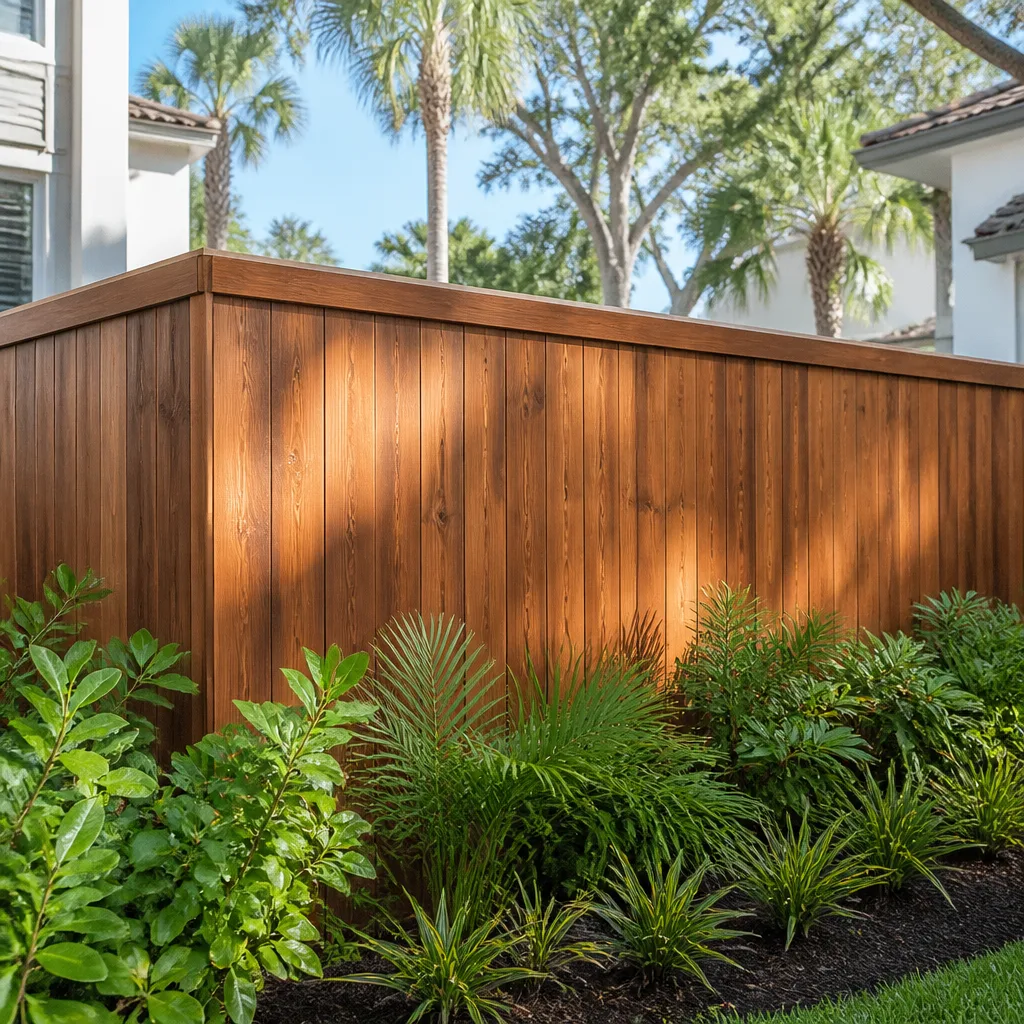
- Basic wood privacy fence on flat ground. Dog-eared cedar or pressure-treated pine, 6 feet tall, 4×4 or 6×6 posts, two or three rails, straight pickets. This is the classic DIY project and the one we see homeowners pull off cleanly. Roughly 8-foot post spacing, 2 to 3 bags of concrete per post, four to five weekends of work on a 150-linear-foot run if you’re working solo and careful.
- Short wood fence runs under 50 linear feet. Small back-yard privacy screens, side-yard enclosures, and pool-equipment hides. Short runs forgive small layout errors before they compound.
- Vinyl panels on pre-set posts. If the posts are already in the ground and plumb, hanging vinyl panels is closer to assembly than construction. Manufacturer panels are notched and purpose-built. The catch: post installation is still the hard part.
- Fence repair and picket replacement. Replacing broken pickets, re-hanging a sagging gate, re-driving a loose post if the concrete is still intact. Small, contained jobs with no layout math.
- Decorative garden fencing. 4-foot ornamental aluminum panels meant as a backyard accent, not a property barrier. Lower stakes, easier anchors.
Notice the pattern: flat ground, uniform materials, real property barriers only up to about 100 linear feet. Beyond that, the compounding math of layout drift starts to outweigh your weekend labor savings.
Fence Types That Require Professional Execution
Four fence categories go wrong fast in DIY hands, usually for reasons that don’t show up until the first Santa Ana wind or the first monsoon week. If your project is one of these, the estimation is different from “can I do this” – it’s “what does doing this right actually require.”
Block and masonry walls
Block walls in North Las Vegas are governed by engineering requirements: footing depth, steel reinforcement, grout fill, and sometimes a stamped plan. This isn’t a homeowner-grade project. A failed block wall is a structural failure, not a cosmetic one, and can fall inward onto a vehicle, a pool, or a neighbor’s yard.
Slope-following fences
If the run crosses a slope – and plenty of North Las Vegas backyards in the foothill subdivisions near Lone Mountain and the upper elevations of the north valley do – every panel has to step or rack to follow the grade. That’s a layout and math problem, not a carpentry problem. The step is uniform, the rack angle is calculated, and both have to be right before the first picket goes up.
Gates with automation
Driveway gates, pool gates, and any gate with a swing operator, keypad, sensor, and safety reverse have to be square, plumb, and wired. Automation adds low-voltage wiring, code-required safety features, and a commissioning step most homeowners don’t have the tools for. If the gate sags 1/8 inch in month two, the operator stops working correctly.
Anything spanning a long, exposed run
West-facing fences on the exposed edges of North Las Vegas catch the full summer sun and the spring wind. Long, unsheltered runs – especially with privacy panels – need to handle wind loading a shorter fence wouldn’t. A 150-foot privacy fence in an open lot needs deeper footings, closer post spacing, and sometimes a different anchoring strategy than a fenced-in backyard.
Permits in North Las Vegas: What’s Required and What Happens Without One
North Las Vegas requires permits for fences above a certain height and for all masonry walls, and requires any fence over 6 feet to go through plan review. Every property line fence also has to respect the setback and height rules that apply to your specific zone. This is not a “get a handshake from your neighbor” town. The permit process is real and specific, and skipping it creates problems that outlast the fence.
What happens if you install without a permit in North Las Vegas:
- Your future home sale can be slowed or blocked. A buyer’s inspector, appraiser, or lender can flag an unpermitted fence. During escrow, that turns into either a price reduction, a demand to remove the fence, or a mad scramble to legalize it.
- A neighbor complaint triggers a code enforcement visit. Code enforcement can require the fence to come down or be retroactively permitted, which means footing engineering and inspection on a fence that already exists.
- Insurance claims can be denied or contested. If a fence falls on a car or fails structurally during a wind event, the insurer may question coverage of a structure without a permit trail.
- Setback violations get caught at inspection or sale. A fence 6 inches over your property line is a fence that has to move. That’s a full reinstall.
For a clean permit and inspection trail, a professional fence installation from a licensed contractor is the shortest path. Groundwork Construction Co. of North Las Vegas handles the permit process as part of every fence installation and gets the final sign-off before the job is closed. If you’re going to be replacing a roof, building an addition, or installing a driveway on the same property, we’d also suggest checking out Groundwork Construction Co. of North Las Vegas home to see the full scope of trades we cover – it’s often smarter to bundle permitting across projects.
The Real Cost Math: DIY vs. Hiring
DIY is often genuinely cheaper on paper. In practice, once you account for tool rental, concrete, waste from mistakes, and the value of your weekends, the gap narrows fast. Here’s the honest line-item comparison for a 50-linear-foot wood privacy fence in North Las Vegas:
- Professional installation: $35 to $55 per linear foot for basic wood privacy fence on flat ground in the North Las Vegas market, so roughly $1,750 to $2,750 for a 50-foot run, including permits, concrete, materials, labor, and cleanup. Line-item, fixed-price, no change orders.
- DIY materials: $12 to $20 per linear foot for the same fence in materials alone, plus $150 to $350 for tool rental (auger, mixer, level, laser), plus $50 to $100 in concrete bags, plus $0 to $400 for waste from miscuts and post resets. So roughly $850 to $1,700 in real DIY cost.
- DIY time: 40 to 60 hours of labor for a careful homeowner on a 50-foot run. That doesn’t count the trip to the permit office, the second trip for the second permit stamp, or the days you can’t work because you’re waiting for concrete to cure.
- DIY risk: roughly one in four serious DIY fence attempts results in a call to a professional to pull and reset failed posts. That rescue typically costs $600 to $2,000 on top of what you already spent.
Expect the DIY-versus-pro gap to narrow further if the fence requires a permit, spans a slope, or is anything other than a flat-ground wood privacy run. For those projects, the professional line item is usually the cheaper overall number once you discount for risk.
Where a fence fits in a bigger property plan
Fencing is often the smallest line item in a bigger exterior project. If you’re also paving or replacing a driveway, our Driveway & Pavers in North Las Vegas service runs on the same permit-and-inspection workflow. If you’re adding living space or an ADU on the same lot, our Home Additions & ADU in North Las Vegas team handles the layout, setbacks, and fence realignment that go with those builds. Doing all of it under one contractor keeps the property lines clean and the permit trail consistent.
Common Mistakes to Avoid
- Eyeballing the fence line instead of stringing it. A half-inch drift between post one and post ten becomes a 3-inch bow visible from the patio. String the line and check every post against it before you pour.
- Digging shallower than the local soil demands. In North Las Vegas, caliche-heavy ground and sandy fill both need deeper footings than a generic guide suggests. A 24-inch hole in a “no-dig” yard is not the same as a 24-inch hole on a front-range slope.
- Skipping the bracing during cure. Concrete takes 24 to 48 hours to hold a post plumb. Without diagonal braces, an unbraced post will find its own line when the wind kicks up in spring.
- Pouring flat footings that hold water. A flat pour holds irrigation overspray and monsoon rain against the wood. Crown the concrete slightly above the soil so water sheds away from the post.
- No permit for a fence that needs one. North Las Vegas requires permits for fences over 6 feet and for all masonry walls. Skipping the permit turns a future sale into a negotiation and can force a full reinstall if code enforcement gets involved.
- Getting the good-side-out wrong. North Las Vegas neighborhoods have different good-neighbor fence conventions. Getting this wrong means a neighbor complaint that can snowball into a full removal and reinstall.
- Cutting the gate first and the fence second. Gates have to be square to the posts and plumb to the ground. Cutting pickets before the gate is set means the gate never quite swings right, and the fix is a shim or a re-hang.
- Underestimating materials for the wind exposure. An exposed west-facing run with 6-foot privacy panels handles more wind load than a fenced backyard. Fewer, deeper posts are not the answer; more, deeper posts are.
See the difference
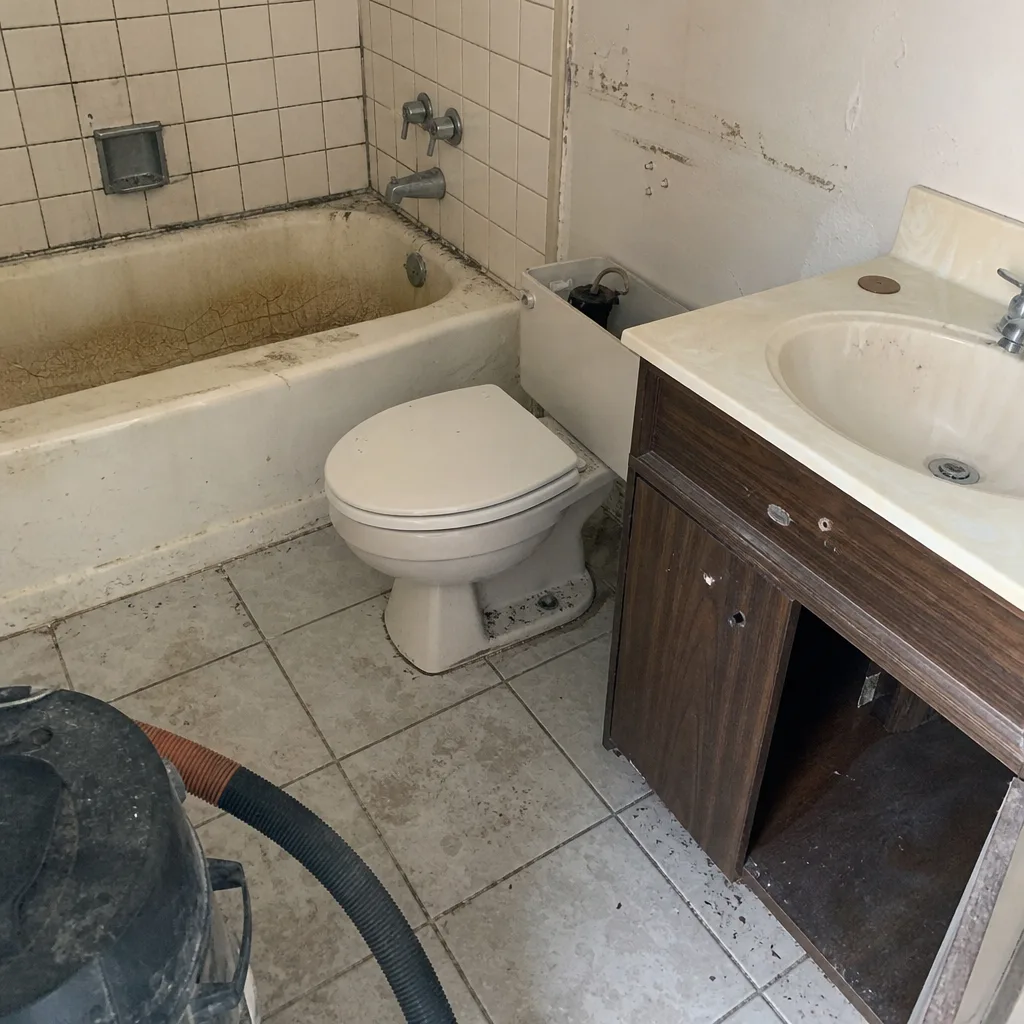 Before
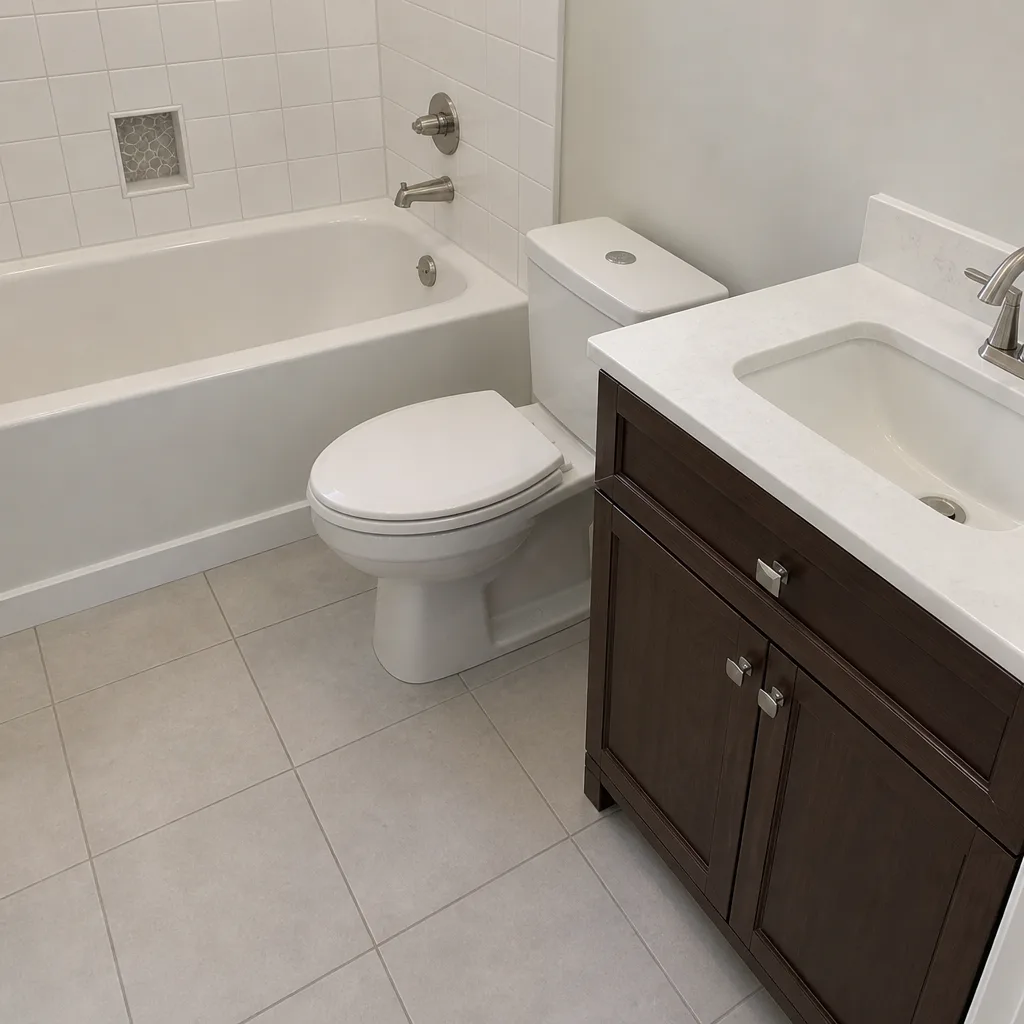 After
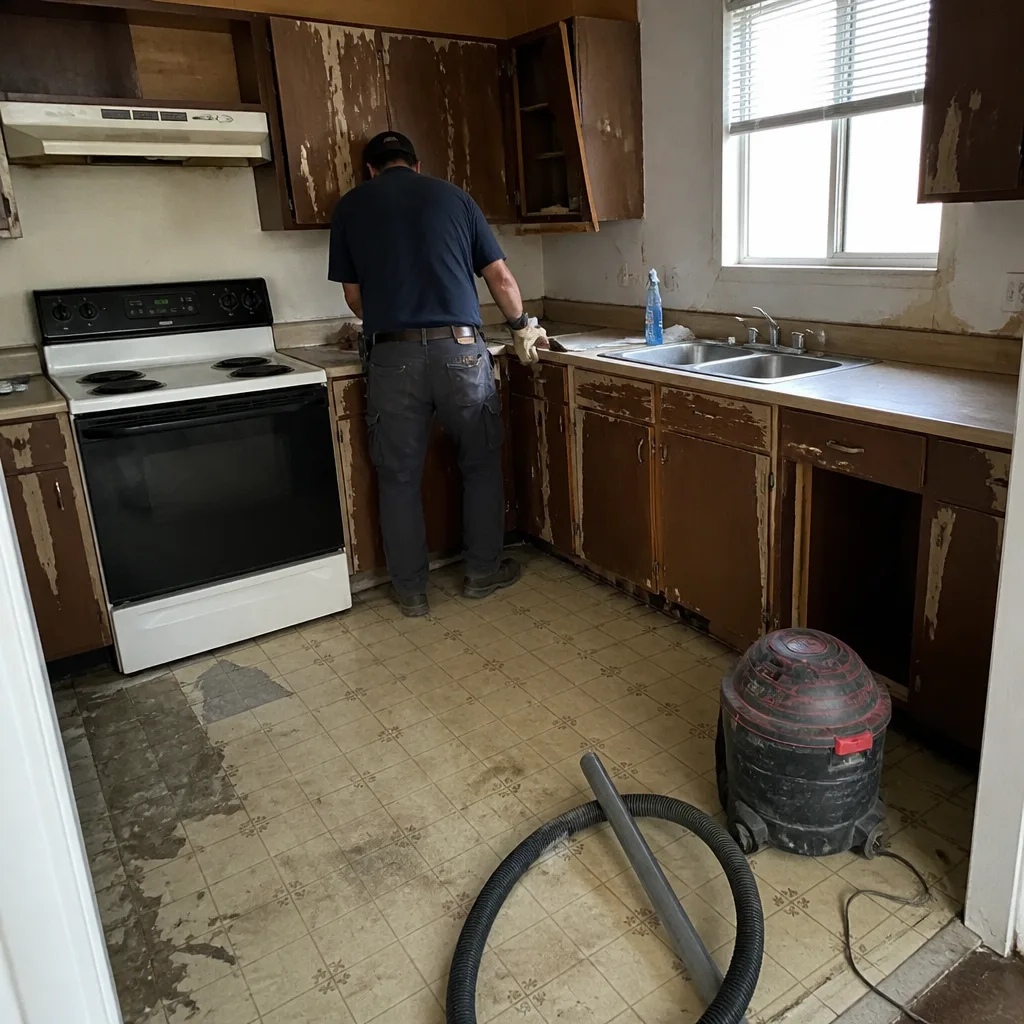 Before
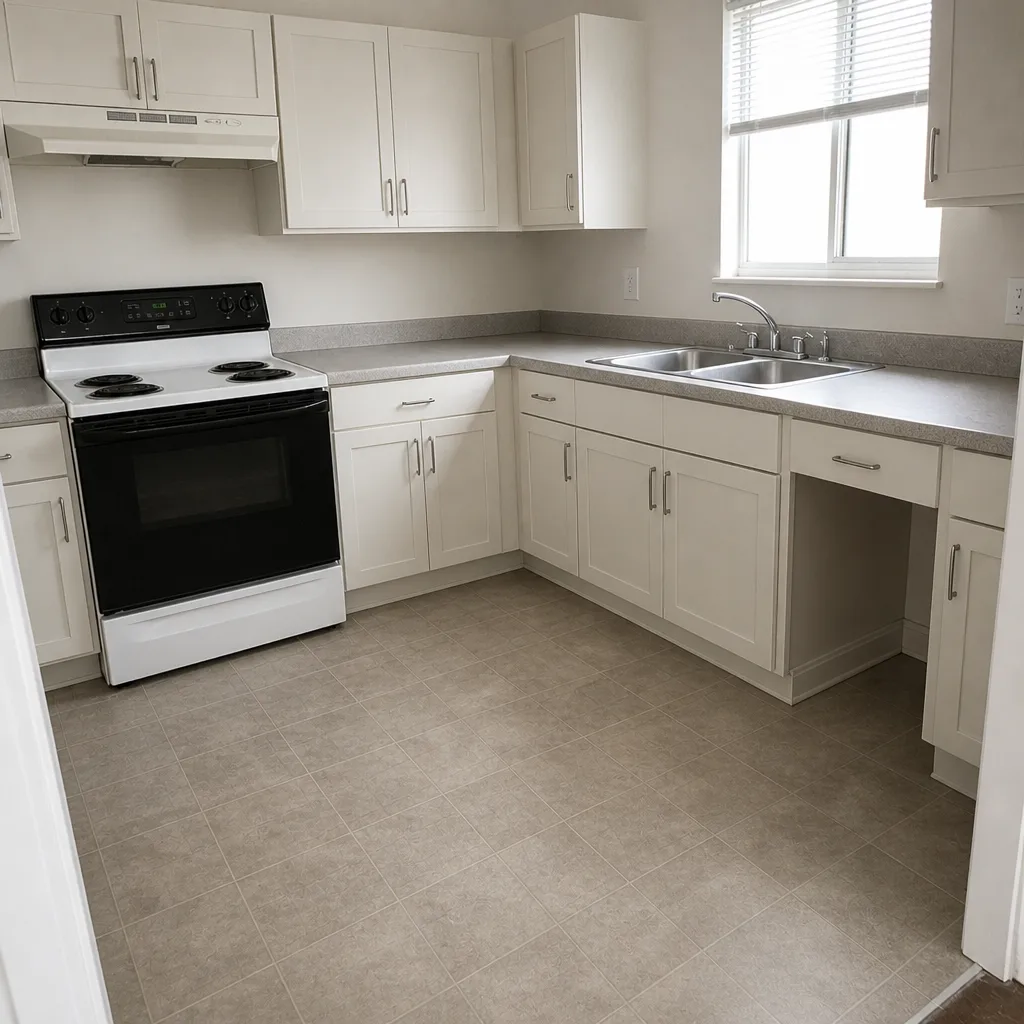 After
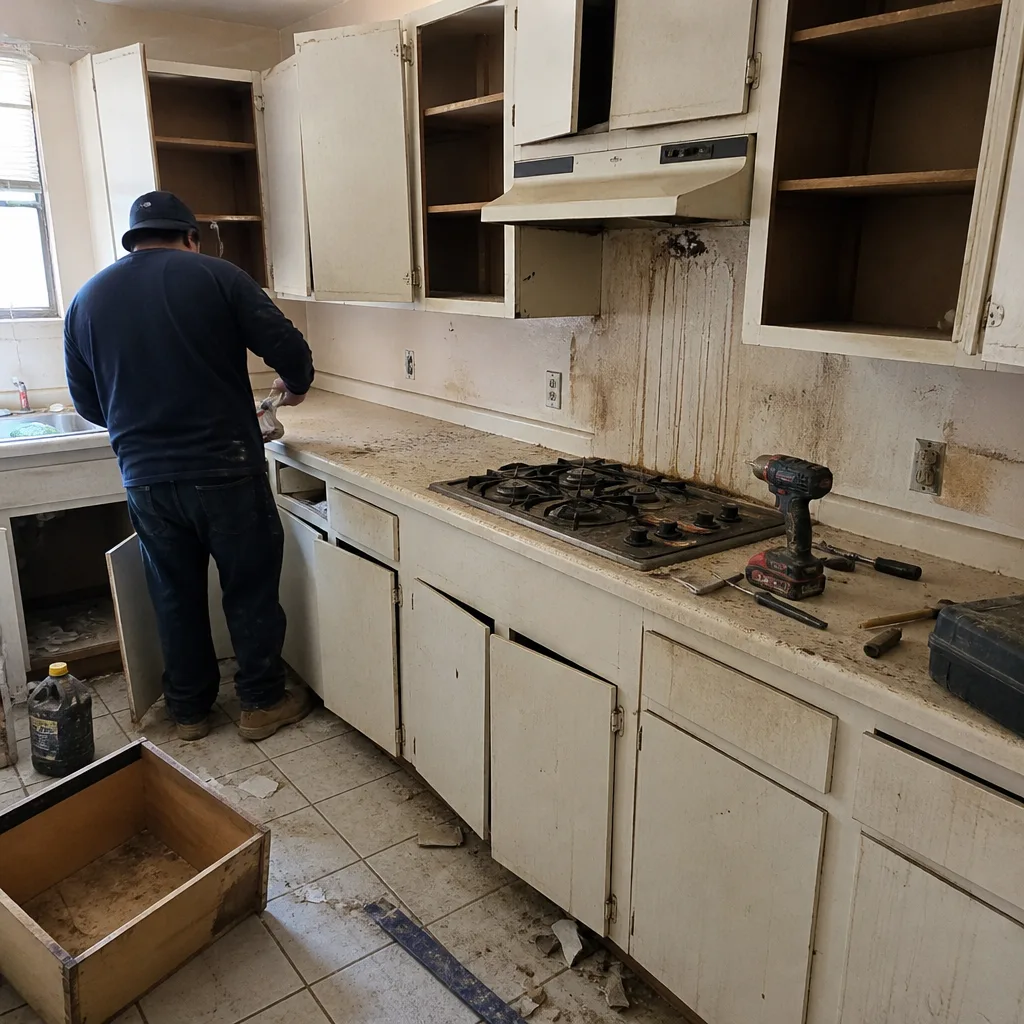 Before
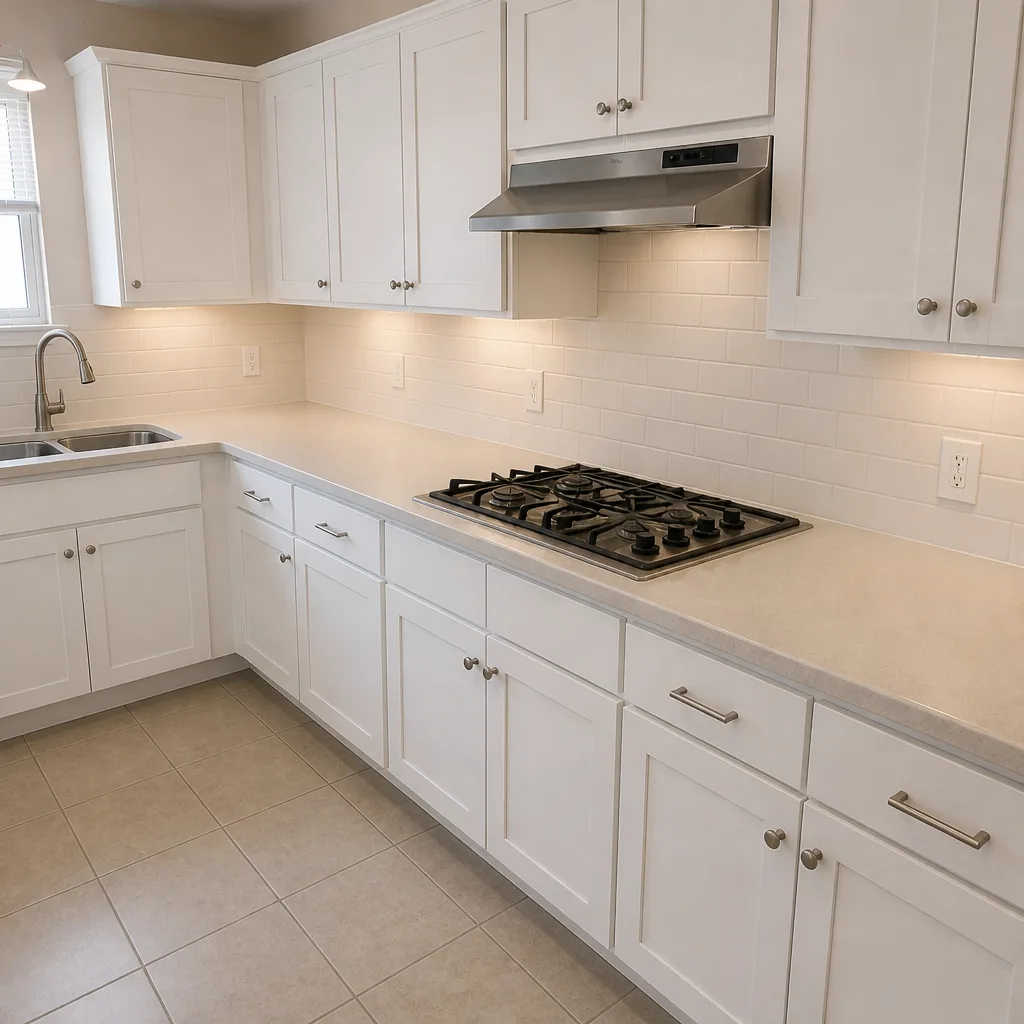 After
When to Call a Professional
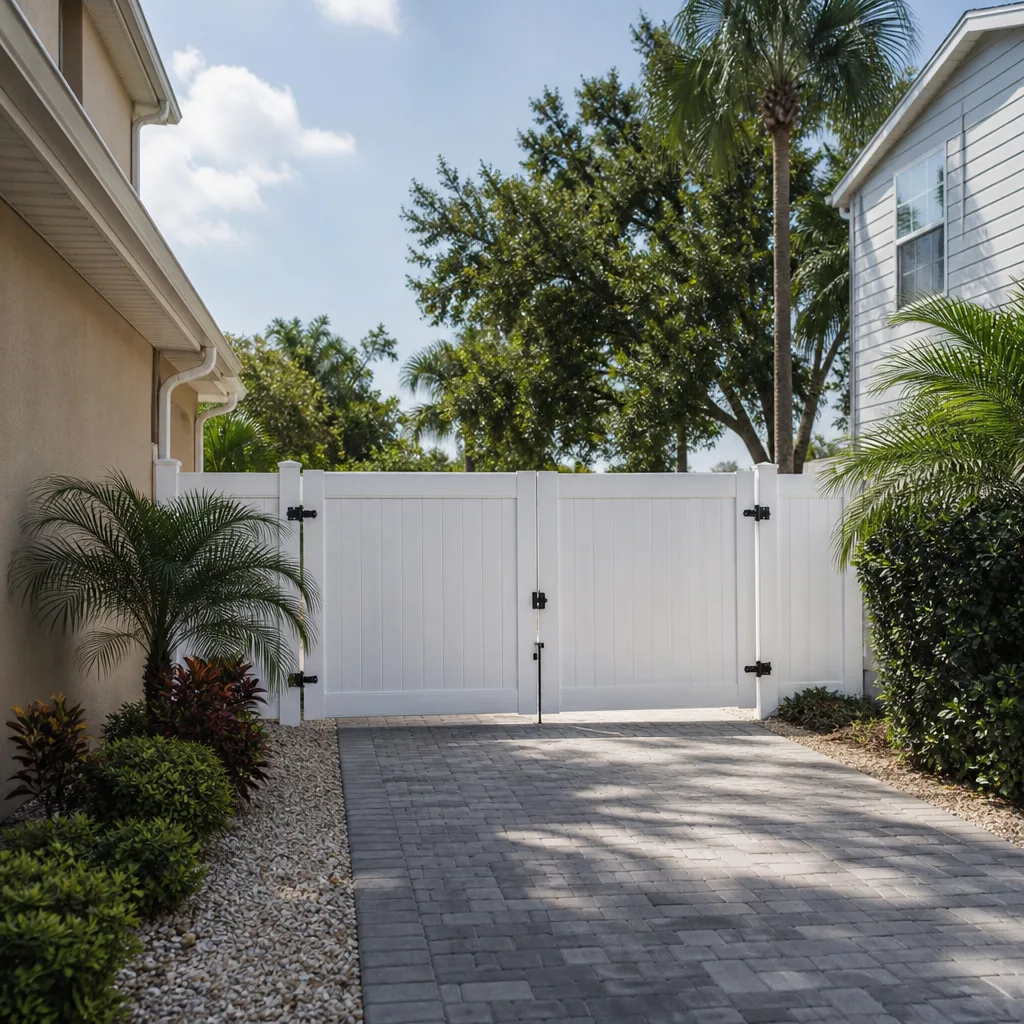
Call a professional when the project crosses one of these lines: a block or masonry wall, any fence on a slope, a gate with automation, a run that requires a permit and inspection, anything over 100 linear feet, or a soil condition in the foothills where you’re not sure how deep the footing needs to go. Call a professional also when you have already installed the posts and one of them isn’t right. Pulling and resetting concrete is a specific trade, and doing it wrong the second time means doing it a third.
For homeowners who want the project quoted with full transparency before they decide, Groundwork Construction Co. of North Las Vegas offers free estimates on fence installation in North Las Vegas. Every installation runs through the permit process, comes with a written line-item quote, and is backed by the 730-Day Done Right Promise – if it’s not done right, we make it right. Our technicians bring up to 12 years of experience, arrive in uniform, and are background-checked. We use trusted materials from partners like James Hardie and Belgard across the fence and hardscape categories. Call (844) 797-5026 to schedule your free estimate.
Frequently Asked Questions
Yes, if it’s a basic wood privacy fence on flat ground, under about 100 linear feet, and you can dig accurate footings, hold a true line, and wait out a proper concrete cure. North Las Vegas requires a permit for fences over 6 feet and for all masonry walls, so a DIY-friendly project still needs the permit filed. If your fence spans a slope, requires block or masonry, or has an automated gate, it’s not a DIY project. Call (844) 797-5026 if you want a professional estimate to compare against your DIY number – estimates are free.
A basic wood privacy fence on flat ground in North Las Vegas runs roughly $35 to $55 per linear foot professionally installed, so a 50-foot run lands around $1,750 to $2,750. That includes permits, materials, concrete, bracing, and cleanup. DIY materials alone are around $12 to $20 per linear foot. Block walls and slope-following fences price higher because of engineering, footing, and permit complexity. Call (844) 797-5026 for a written line-item quote on your specific property.
An unpermitted fence can stall a home sale, trigger code enforcement if a neighbor complains, and complicate an insurance claim after storm damage. The fence doesn’t fail immediately – the failure shows up at escrow or after a wind event. Get the permit before you start, or hire a contractor who handles the permit process as part of the installation. Groundwork Construction Co. of North Las Vegas pulls permits and closes every installation with a passed inspection. Call (844) 797-5026 to talk through the permit requirements for your address.
Most DIY fence failures come down to shallow footing depth, a weak or overly wet concrete mix, and no bracing during cure. In North Las Vegas soil, caliche-heavy ground and sandy fill each need specific footing depths and drainage that generic bag instructions don’t cover. Roughly one in four serious DIY fence attempts ends in a rescue call to pull and reset failed posts. That rescue typically costs more than the original installation. Call (844) 797-5026 for a free estimate before you start digging.
Our technicians bring up to 12 years of experience on fence, driveway, and exterior construction projects in the North Las Vegas area. Every technician on a Groundwork Construction Co. of North Las Vegas project is background-checked and arrives in uniform. Our work is backed by the 730-Day Done Right Promise – if it’s not done right, we make it right. Call (844) 797-5026 to schedule a free estimate and design consult.
Yes. Matching an existing fence on a shared or adjacent property is standard work, and we’ll pull the plat map and confirm the setback and height before quoting. North Las Vegas has neighborhood-specific conventions on good-side-out and fence height, and we check those before the first post goes in. The 730-Day Done Right Promise backs every installation we complete. Call (844) 797-5026 for a free estimate and design consult.
The Bottom Line
A basic wood privacy fence on flat ground is one of the few real construction projects a careful homeowner can take on and finish cleanly. Two steps decide whether it works: post layout, which compounds error across the run, and footing depth, which decides whether the fence stands through a North Las Vegas monsoon season or leans into one. Run the skill and tool audit honestly before you commit. If you can’t check six of seven boxes, or if the fence involves block, slope, a gate with automation, or a permit-and-inspection trail, the honest math already favors a professional. Groundwork Construction Co. of North Las Vegas offers free estimates on fence installation – call (844) 797-5026 to schedule yours. Upfront pricing, no surprises; permits pulled and closed with a passed inspection; backed by the 730-Day Done Right Promise.
Written by the team at Groundwork Construction Co. of North Las Vegas.