Last updated November 18, 2026
Free written scope consultation - allowances, timeline, and change-order rules on paper before a single trade is scheduled
DIY vs Professional Home Additions & ADU: What’s Safe to Do Yourself
Most homeowners assume the DIY question is about skill. It isn’t. It’s about the law. Nevada bars unlicensed individuals from performing their own electrical, plumbing, and structural framing work on a permitted addition or ADU, and when a permit inspector finds DIY work buried in those categories during a final inspection, they can red-tag the entire project, forcing demolition and re-inspection before a single wall gets insulated. We’ve walked into North Las Vegas garages where a homeowner’s weekend framing attempts quietly put a five-figure project on hold. This guide draws the line clearly: what you can legally self-perform, where DIY involvement actually saves money, and how to stay involved without voiding your contractor’s workmanship warranty or your eventual resale.
Quick Answer
Under Nevada law, homeowners can legally self-perform non-structural work on their own primary residence, but electrical, plumbing, and structural framing on a permitted addition or ADU require a licensed contractor. You save real money on demolition prep, finish painting, landscaping restoration, and cabinet assembly. You don’t save money by touching anything that gets inspected, because a red-tag mid-project usually costs more to fix than the professional quote you skipped.
Styles & brands we work with
- Kitchen remodeling
- Bathroom remodeling
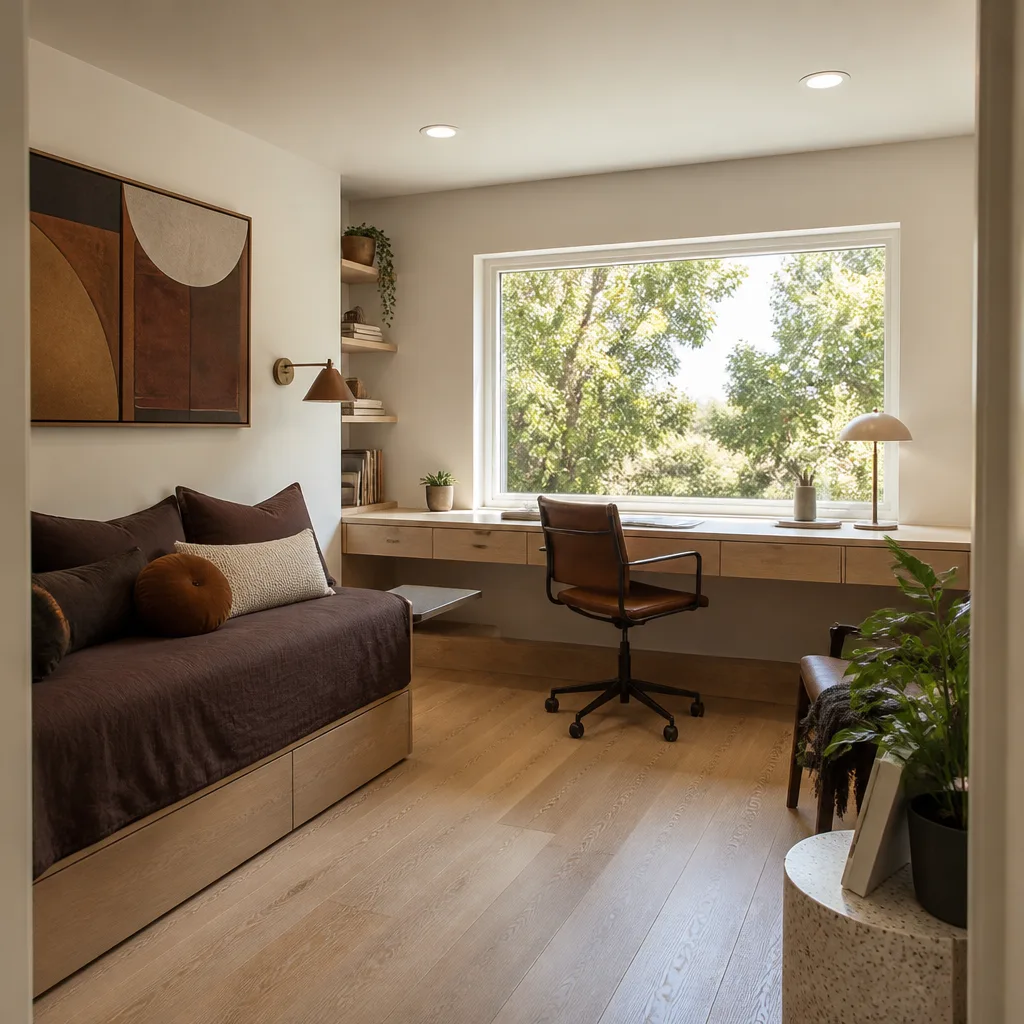
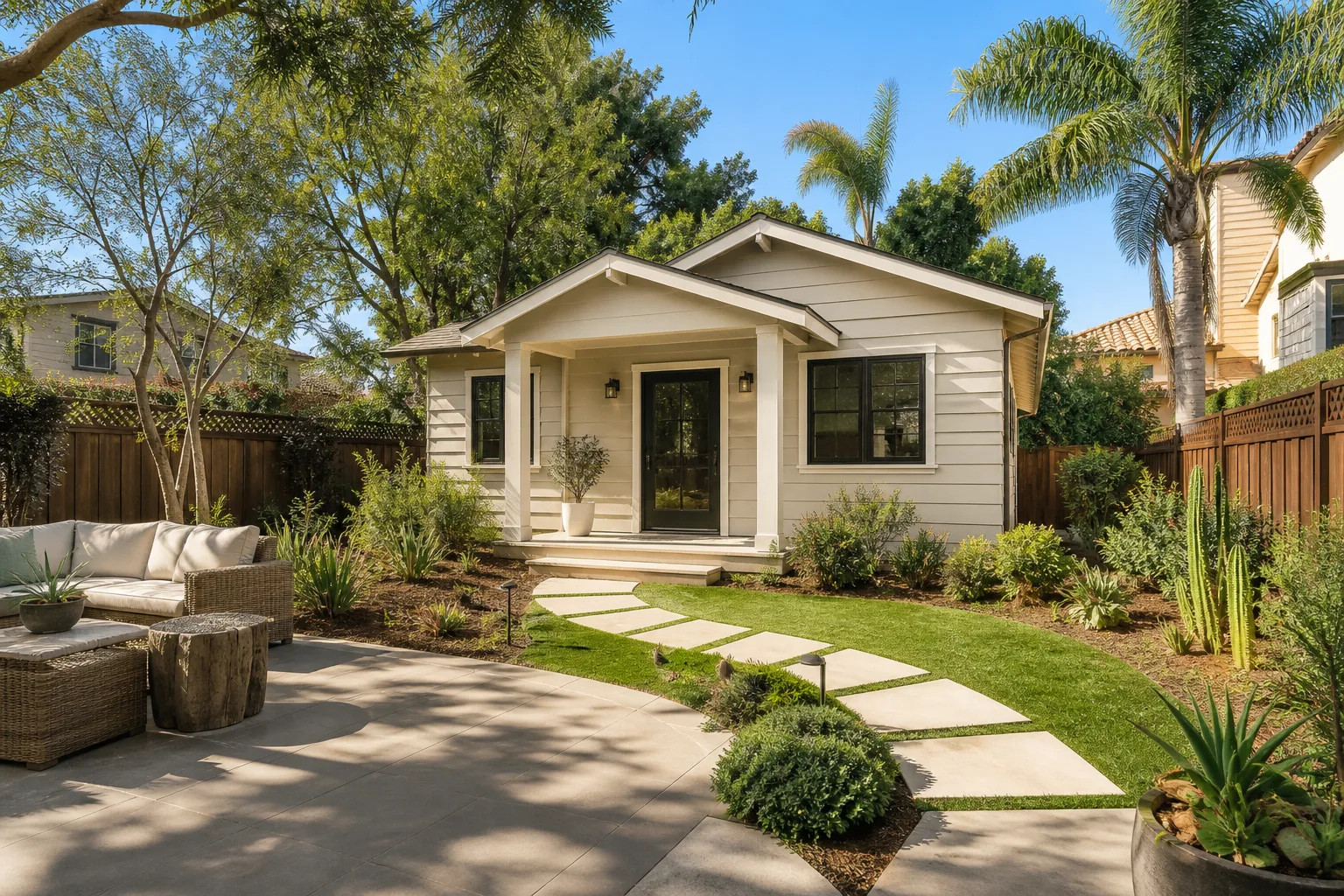
- Home additions & ADU
- Roofing
- Windows & doors
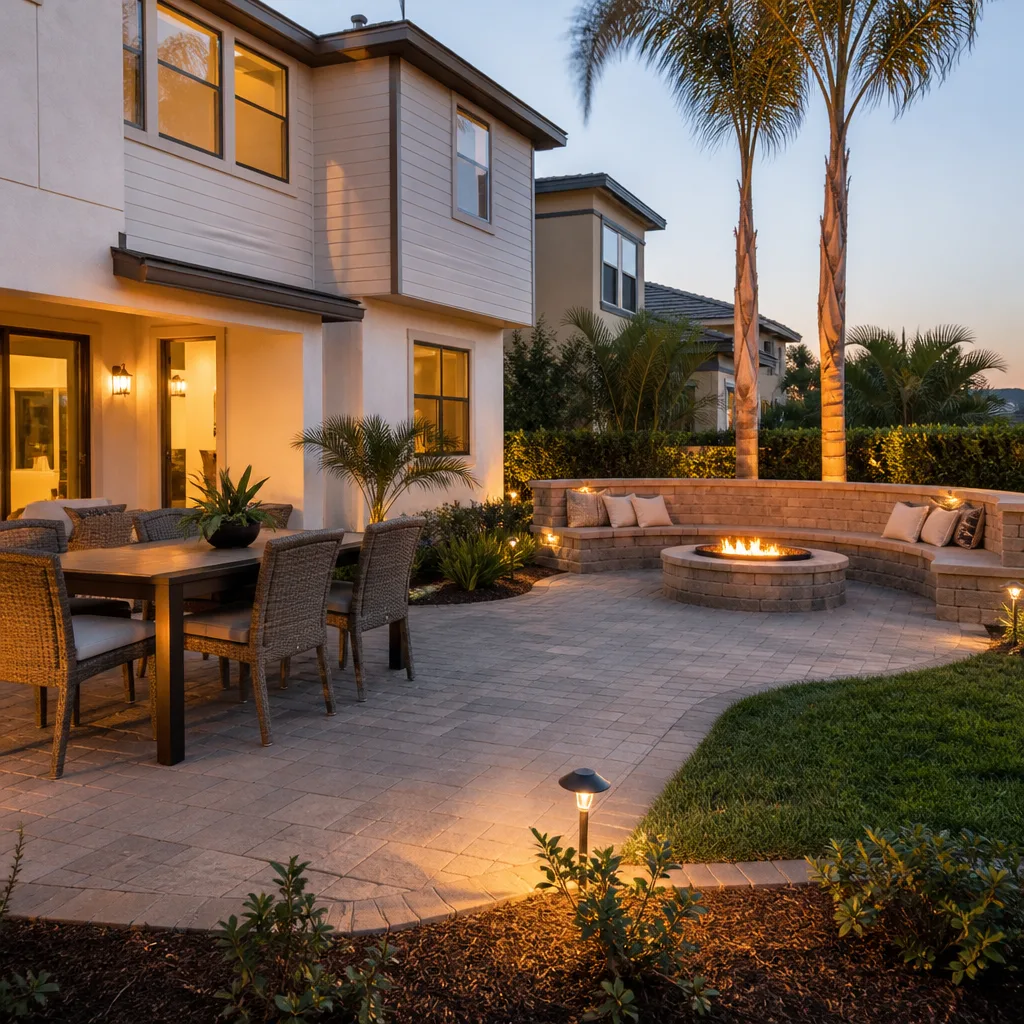
- Driveway & pavers
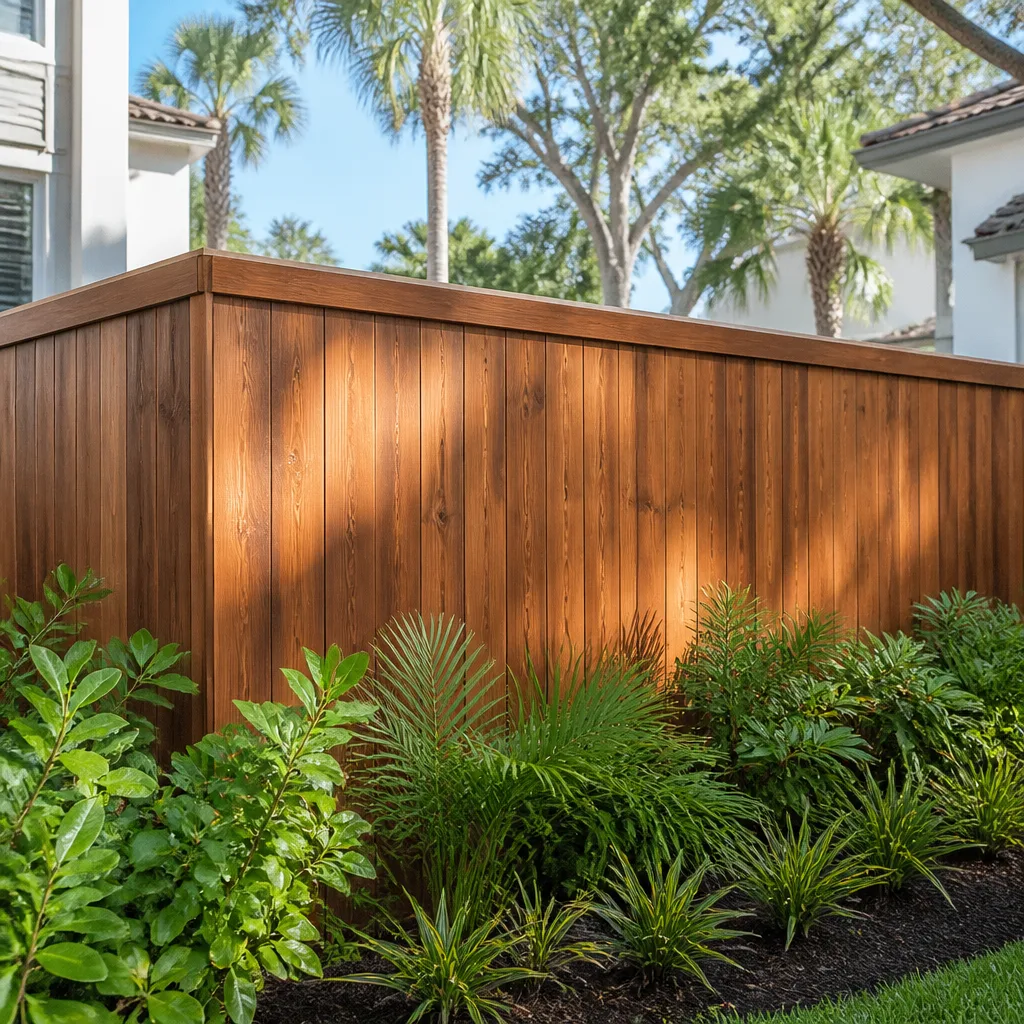
- Fence
Table of Contents
- What Nevada Law Restricts vs. What Homeowners Can Legally Self-Perform
- Where DIY Involvement Saves Real Money Without Risk
- Why Structural Framing Requires a Licensed Contractor (Even When It Looks Simple)
- How to Stay Involved as an Owner Without Creating Inspection Conflicts
- The Resale and Refinance Implications of Unpermitted Work
- The North Las Vegas Permit and Inspection Reality
- ADU-Specific Considerations: Boxabl, Mighty Buildings, and the Prefab Question
- The Owner-Builder Exemption: What It Actually Requires
What Nevada Law Restricts vs. What Homeowners Can Legally Self-Perform
Nevada’s contractor licensing framework is stricter than most states. The Nevada State Contractors Board requires a license for any project over $1,000 in labor and materials when the work is performed for someone else, but for your own primary residence, the rules shift. You can act as an “owner-builder” for some work, but the framework is narrow, and the categories that carry the most inspection weight get carved out fast. This isn’t a technicality. It’s the line that determines whether your North Las Vegas addition gets a certificate of occupancy or a stop-work order.
Here’s how the categories break down in practice. Electrical rough-in, panel upgrades, and final trim connections require a licensed electrician. Plumbing rough-in, gas line work, drain-waste-vent connections, and water heater relocation require a licensed plumber. Structural framing, header sizing, shear wall nailing, and roof connections to the existing structure require a licensed contractor. Those three categories account for the overwhelming majority of inspection failures and red-tags we’ve seen on North Las Vegas additions.
What you can legally self-perform on your own residence:
- Non-structural demolition (removing drywall, flooring, cabinets, and old insulation)
- Interior finish work that doesn’t require inspection: painting, trim, cabinet doors and drawers
- Exterior landscape restoration and finish grading outside the permitted footprint
- Site prep and debris hauling before the contractor starts
- Cabinet assembly and finish hardware installation after rough-in passes
- Insulation installation in some cases, if your contractor and inspector agree
The rule of thumb we give every North Las Vegas homeowner: if the work requires a permit inspection, plan on a licensed professional handling it. If it doesn’t require inspection, you can usually do it yourself and save money without risk.
Where DIY Involvement Saves Real Money Without Risk
The homeowners who save the most on North Las Vegas additions aren’t the ones who frame walls on weekends. They’re the ones who take on the unglamorous prep and finish work that contractors bill by the hour. Demolition prep alone can save $1,500 – $4,000 on a typical 400-square-foot addition when you handle it correctly, and that’s before you factor in the dumpster rental you won’t have to spring for through the contractor’s markup.
Here’s where the real money sits, ranked by savings and by risk:
- Demolition prep (save $1,500 – $4,000): Removing drywall, flooring, old cabinets, and fixtures before the crew arrives. The catch is hauling and disposal, which has to follow North Las Vegas waste rules, and knowing where load-bearing walls sit before your sledgehammer finds them.
- Finish painting (save $800 – $2,500): After the contractor’s drywall and texture pass final inspection, interior painting is yours if you want it. Most homeowners do, and it’s the single easiest way to cut cost without touching anything structural.
- Landscaping restoration (save $500 – $2,000): Rebuilding planters, replacing turf, or reinstalling drip irrigation after the addition expands into the yard. This work sits outside the permit footprint and rarely needs inspection sign-off.
- Cabinet assembly and hardware (save $400 – $1,200): Flat-pack cabinet boxes and drawer fronts can be assembled by you and installed by the contractor, or assembled and installed after the drywall is finished. Door hardware and pulls are always a homeowner job in our book, because nobody else gets the alignment exactly the way you want it.
- Cleanup and staging (save $300 – $800): Daily jobsite cleanup, material staging, and final construction dust removal. This is underrated. A clean jobsite is safer, and safety is a cost you can measure.
What doesn’t save money, even though it feels like it should: DIY electrical trim-out, DIY plumbing fixture swaps that require connections behind the wall, and self-installed drywall on vaulted ceilings. The savings look big on paper, the callbacks cost more after the fact.
Why Structural Framing Requires a Licensed Contractor (Even When It Looks Simple)
Framing looks straightforward until it isn’t. A wall goes up, straps go on, sheathing gets nailed, and it seems like anyone with a nail gun and a level could do it. Then a header gets sized wrong by two inches, or a load path misses the footing, or the roof-to-wall connection gets fastened with the wrong clips. The drywall goes up, the trim goes on, and eighteen months later a door won’t close and the ceiling has a hairline crack that wasn’t there before.
The cost of fixing a missed header after the fact is what surprises North Las Vegas homeowners. A header sized correctly during framing runs a few hundred dollars in materials and a few hours of labor. A header that gets corrected after drywall is up runs $3,500 – $8,000, because you’re paying for demo, reframing, re-inspection, drywall, texture, paint, and finishing on top of the fix itself. We’ve seen a $4,800 framing problem turn into a $19,000 correction in North Las Vegas when the homeowner had already framed over a load-bearing wall that the plans didn’t require to come out.
The factors that make framing a licensed-contractor category, in our North Las Vegas experience:
- Load path continuity: Every load has to travel from the roof down to the foundation without interruption. One missed hanger or one undersized beam breaks that path and shows up as settlement years later.
- Seismic and high-wind requirements: North Las Vegas falls into seismic design categories that require specific shear wall detailing, hold-downs, and nailing schedules. Getting these wrong isn’t a cosmetic issue.
- Connection specifications: Simpson Strong-Tie hardware has to match what the engineer specified. Substituting a different clip because the local supplier was out of stock can fail inspection.
- Inspector sign-off: The framing inspection happens before anything gets covered, and it’s pass or fail. A framing-inspection failure stops the whole project until it’s corrected.
For more on the structural side of adding to a North Las Vegas home, our team covers it in detail on the Home Additions & ADU in North Las Vegas page. The framing, the foundation, and the inspection sequence are all connected.
How to Stay Involved as an Owner Without Creating Inspection Conflicts
Staying involved is a smart move. Homeowners who stay involved get better outcomes because they catch problems earlier and understand what they’re paying for. The key is knowing where involvement helps and where it creates liability that lands on you. When a contractor’s workmanship warranty gets voided because an owner modified work before the final inspection, the homeowner pays for the callback. Every time.
Here’s how to stay involved in a way that works with your contractor rather than against the project:
- Attend the pre-construction walkthrough. Bring questions. Bring the plans. Ask specifically which tasks you want to handle and get them written into the scope.
- Keep a shared photo log. Weekly photos of the jobsite, dated. If a dispute happens later, photos settle it faster than memory.
- Do your self-performed work in sequence. If you’re doing demolition, it happens before framing starts. If you’re doing finish painting, it happens after the final inspection. Never in the middle of an active inspection cycle.
- Never modify inspected work. The moment a wall gets opened, an outlet gets moved, or a plumbing line gets shifted after inspection, the inspector’s sign-off is invalid. This is where warranties get voided.
- Document your own work with photos and receipts. If you install the cabinets, photograph the installation and keep the material receipts. This protects your warranty and helps at resale.
- Ask before you touch anything ambiguous. One phone call to the project manager saves a $2,000 correction.
The relationship that works best in North Las Vegas is simple: the contractor handles permitted, inspected scope, the homeowner handles documented, non-inspected scope, and both parties agree on the boundary in writing before demolition starts. Our 730-Day Done Right Promise covers the work we perform, and it stays intact as long as the homeowner’s self-performed work doesn’t overlap with ours mid-inspection.
The Resale and Refinance Implications of Unpermitted Work
Here’s the scenario every homeowner hopes won’t happen: the addition is finished, the family has lived in it for six years, and now they’re selling. The buyer’s inspector finds a 200-amp panel that was upgraded without a permit, a bathroom that was added without one, or a converted garage that never got a certificate of occupancy. The deal doesn’t just slow down. It usually dies, or it closes with a $30,000 – $60,000 discount that dwarfs whatever the original DIY savings were.
Unpermitted work shows up in four places on a North Las Vegas home sale or refinance:
- Appraisal: Appraisers count permitted square footage. Unpermitted additions get excluded from the livable area calculation, which means the lender doesn’t lend against them.
- Title and disclosure: Nevada requires disclosure of known unpermitted work. Nondisclosure creates legal exposure that follows the seller after closing.
- Buyer’s inspection: A good inspector identifies unpermitted work quickly. Electrical without permits, plumbing without permits, and structural work without permits are all red flags.
- Lender underwriting: Refinances stall when the lender’s appraiser flags unpermitted additions. The cost to retroactively permit work, if the jurisdiction allows it, often runs $8,000 – $25,000 in North Las Vegas.
The Clark County and City of North Las Vegas permit records are searchable. Any buyer’s agent can look up what was permitted on your property. Unpermitted work is not a secret, even if it stayed quiet for years. Getting it permitted correctly the first time costs less than fixing it at resale, every single time.
The clean way to think about it: the permit is the receipt. If you can’t show it, the buyer’s lender treats the work as if it wasn’t done.
The North Las Vegas Permit and Inspection Reality
North Las Vegas permit review for a residential addition typically runs four to eight weeks from submittal to permit issuance, depending on the project’s complexity and the current department workload. That timeline isn’t a guess. It’s what we see across our North Las Vegas projects, and homeowners who plan for it avoid the trap of starting work before the permit is in hand. Starting without one is the fastest way to a stop-work order and a red-tag.
What North Las Vegas inspectors check in sequence on a typical addition or ADU:
- Foundation inspection: Before concrete gets poured. Rebar spacing, anchor bolt placement, footing depth to frost line (or in our climate, to the specified depth for expansive soils).
- Framing inspection: Before insulation and drywall. Load paths, header sizes, shear wall nailing, hold-downs, and roof-to-wall connections.
- Rough electrical: Before insulation and drywall. Box placement, wire gauge, panel capacity, and grounding.
- Rough plumbing: Before insulation and drywall. Drain-waste-vent slopes, water line pressure testing, and gas line pressure testing.
- Rough mechanical: HVAC ductwork and equipment placement before drywall goes up.
- Insulation inspection: Before drywall. R-values in walls, ceilings, and any conditioned-to-unconditioned transitions.
- Final inspection: Everything closed up, fixtures installed, and life safety items (smoke and CO detectors) confirmed.
Each of those inspection milestones is a gate. If a previous gate wasn’t passed cleanly, the next one doesn’t happen. If the homeowner’s self-performed work touches an inspected category, that gate reopens and the whole sequence slows down. In our experience, North Las Vegas inspectors are direct and reasonable. They’re also not going to pass work that isn’t ready, and the homeowner who tries to “just get past” one inspection usually ends up starting over.
The permit requirements for additions and ADUs share a lot of overlap with the requirements for exterior work on a North Las Vegas property. If you’re planning fascia, soffit, or roof modifications as part of the addition, our team covers those details in the Groundwork Construction Co. of North Las Vegas home service overview.
ADU-Specific Considerations: Boxabl, Mighty Buildings, and the Prefab Question
Prefab ADUs are the fastest-growing category in North Las Vegas residential construction, and they change the DIY math. A prefab unit from a manufacturer like Boxabl or Mighty Buildings arrives as a finished module with factory-installed electrical, plumbing, and structure. The DIY question shifts from “should I build this?” to “what site work do I still need a licensed contractor for?” which is a much narrower scope.
Factory-built doesn’t mean permit-free. In North Las Vegas, an ADU still requires site-specific permitting for:
- Foundation and utility connections: The module has to land on a foundation that meets local seismic and soil requirements, and the utility connections (water, sewer, electrical panel tie-in) have to be installed by licensed trades.
- Setback and zoning compliance: North Las Vegas has specific rules for ADU placement, unit size limits, and lot coverage. A prefab unit can fail short of a setback requirement in the same way a stick-built unit can.
- Fire separation and egress: If the ADU is within a certain distance of the primary structure or property line, fire-rated construction and egress windows are non-negotiable.
- Final inspection: The ADU has to be inspected as an assembly, regardless of whether the module was inspected at the factory.
Where a prefab ADU from a manufacturer like Dvele genuinely changes things: the fabrication schedule is fixed, the quality control is often better than field construction, and the owner’s DIY involvement can extend to site prep, landscaping, and interior finish without touching the inspected categories. The narrowing of the licensed scope is the real win. For the site-side and permit-side details, our team walks through the full sequence on the Home Additions & ADU in North Las Vegas page.
The Owner-Builder Exemption: What It Actually Requires
Nevada does allow an owner-builder exemption for work on your own primary residence, and homeowners who hear about it sometimes assume it gives them a green light to build their own addition. It doesn’t work that way in practice. The owner-builder exemption removes the requirement that a licensed contractor pull the permit. It does not remove the requirement that the work meet code, that inspections pass, or that licensed tradespeople perform licensed-category work.
What the owner-builder exemption actually requires in North Las Vegas:
- You must occupy the residence as your primary home for at least one year after the work is completed. Investment properties and second homes don’t qualify.
- You can’t sell or transfer the property for at least one year after the work is done without triggering disclosure and potentially missing the exemption’s protection.
- The work must still meet all applicable codes, and inspections still have to pass. The exemption removes the contractor requirement, not the code requirement.
- Electrical, plumbing, gas, and structural work still require licensed trades. The owner-builder exemption doesn’t extend to categories that require a license, regardless of who pulls the permit.
We’ve seen North Las Vegas homeowners underestimate the fourth point, then discover that the electrical rough-in they planned to do themselves still requires a licensed electrician. The exemption is real, but it’s narrower than the name implies. For most homeowners planning a North Las Vegas addition or ADU, the exemption doesn’t unlock DIY on the inspected categories. It just changes who’s on the permit.
Common Mistakes to Avoid
- Starting demolition before the permit is issued. Even removal work falls under permit review on a permitted addition. Getting caught with demo in progress on an unpermitted scope is a stop-work order and a rehabilitation project you didn’t budget for.
- Assuming the contractor’s license covers your self-performed work. It doesn’t. If you do the framing, you own the framing. The contractor’s warranty doesn’t extend to work they didn’t perform, and that gap becomes your problem at resale.
- Sizing a header by “what looks close enough.” We’ve seen North Las Vegas homeowners install a header that was eight inches short of the engineering requirement because the local yard was out of the right lumber. The inspector catches it, the drywall comes back down, and the savings evaporate.
- Moving electrical outlets after inspection. Add a single outlet after the rough electrical passes, and the entire inspection is void. Every outlet in that room has to be re-inspected. This is a common mistake and an expensive one.
- Assuming prefab ADU delivery means no site permit. A Boxabl or Mighty Buildings module still requires North Las Vegas site permitting for the foundation, utility tie-in, setback, and final inspection. The factory doesn’t pull the site permits.
- Treating an owner-builder exemption as a contractor replacement. The exemption changes permit-pulling responsibility. It doesn’t authorize unlicensed work in electrical, plumbing, gas, or structural framing.
- Skipping the written scope boundary. The single biggest cause of warranty disputes is a verbal “I’ll handle that part” that neither party can prove afterward. Put it in writing before demolition starts.
See the difference
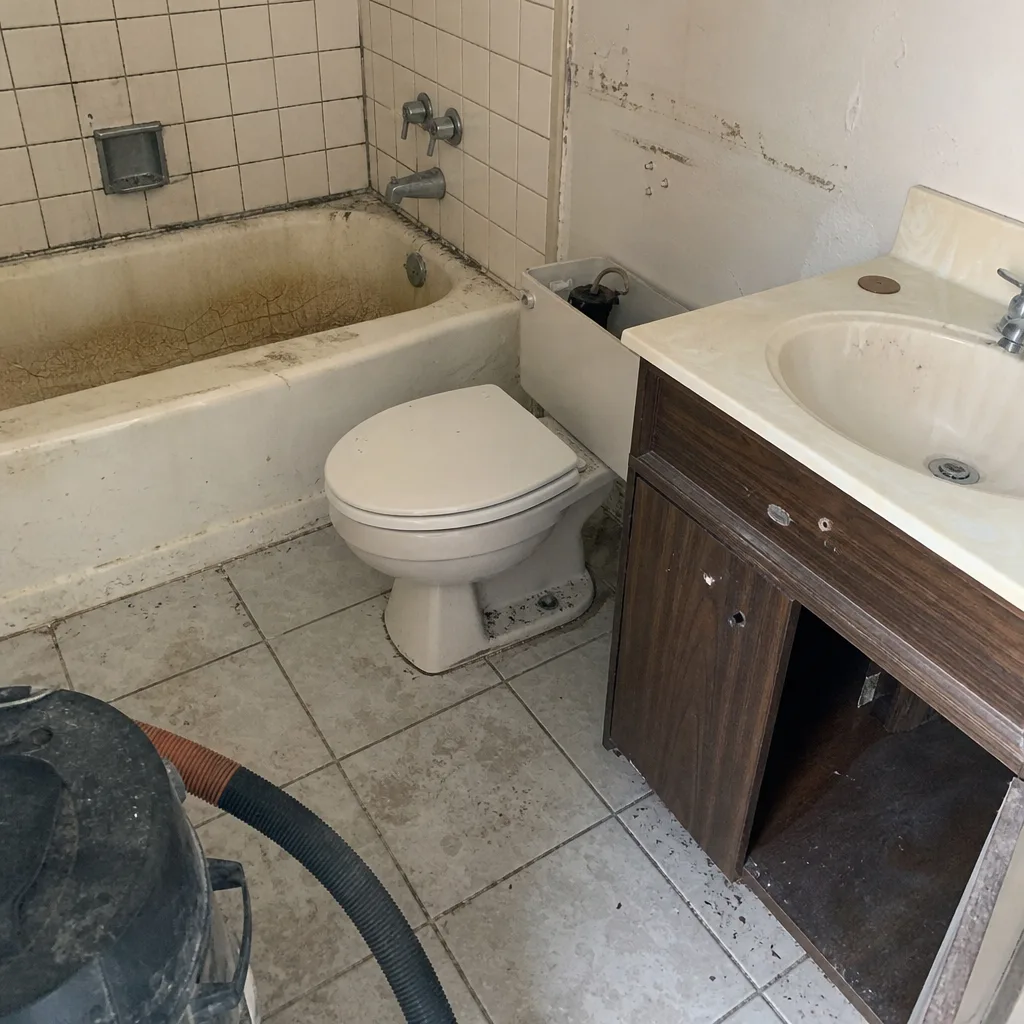 Before
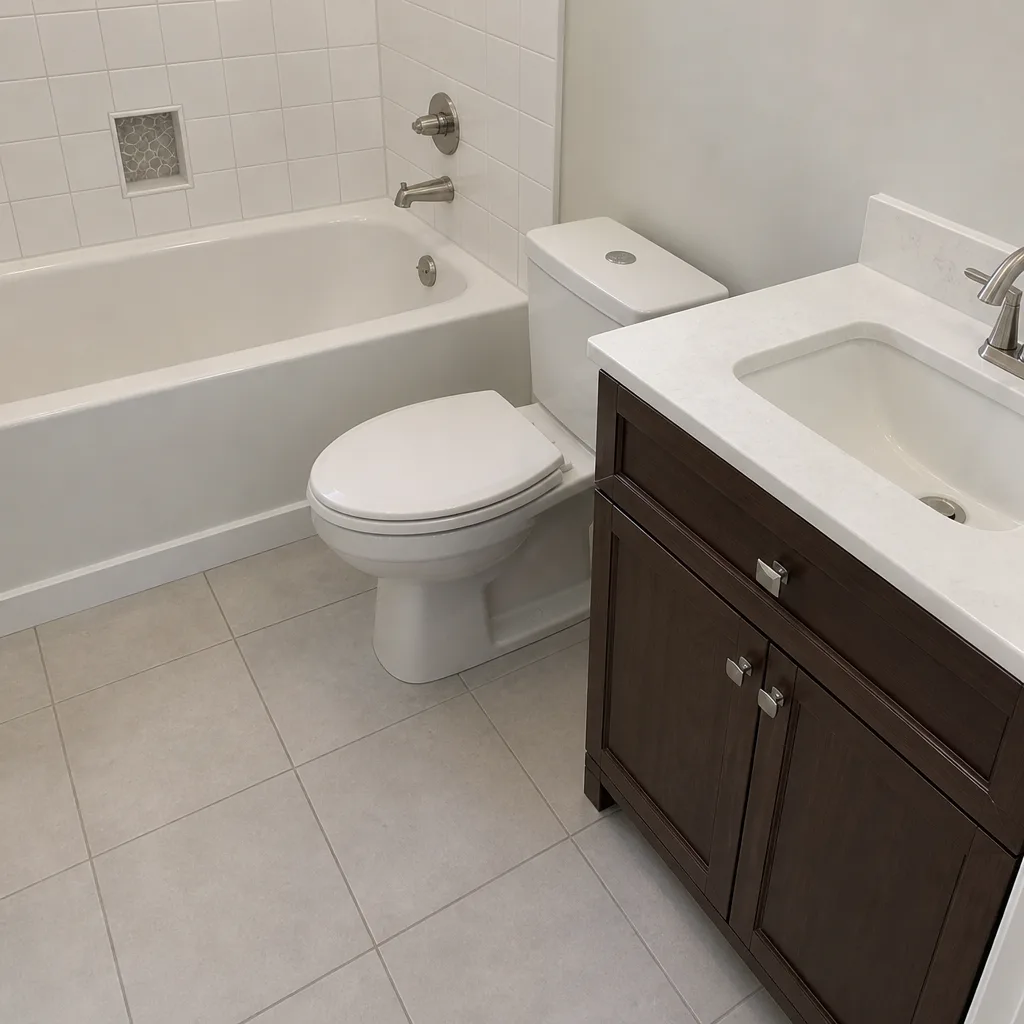 After
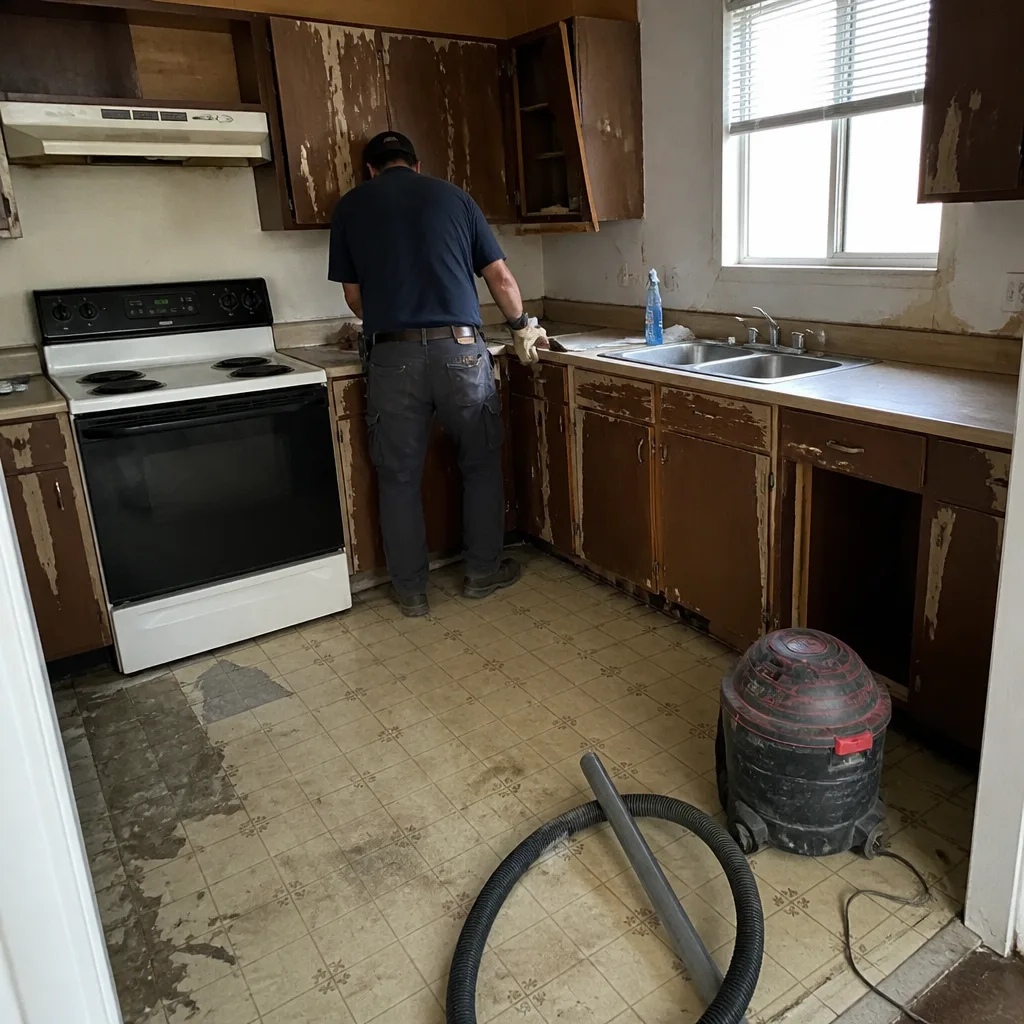 Before
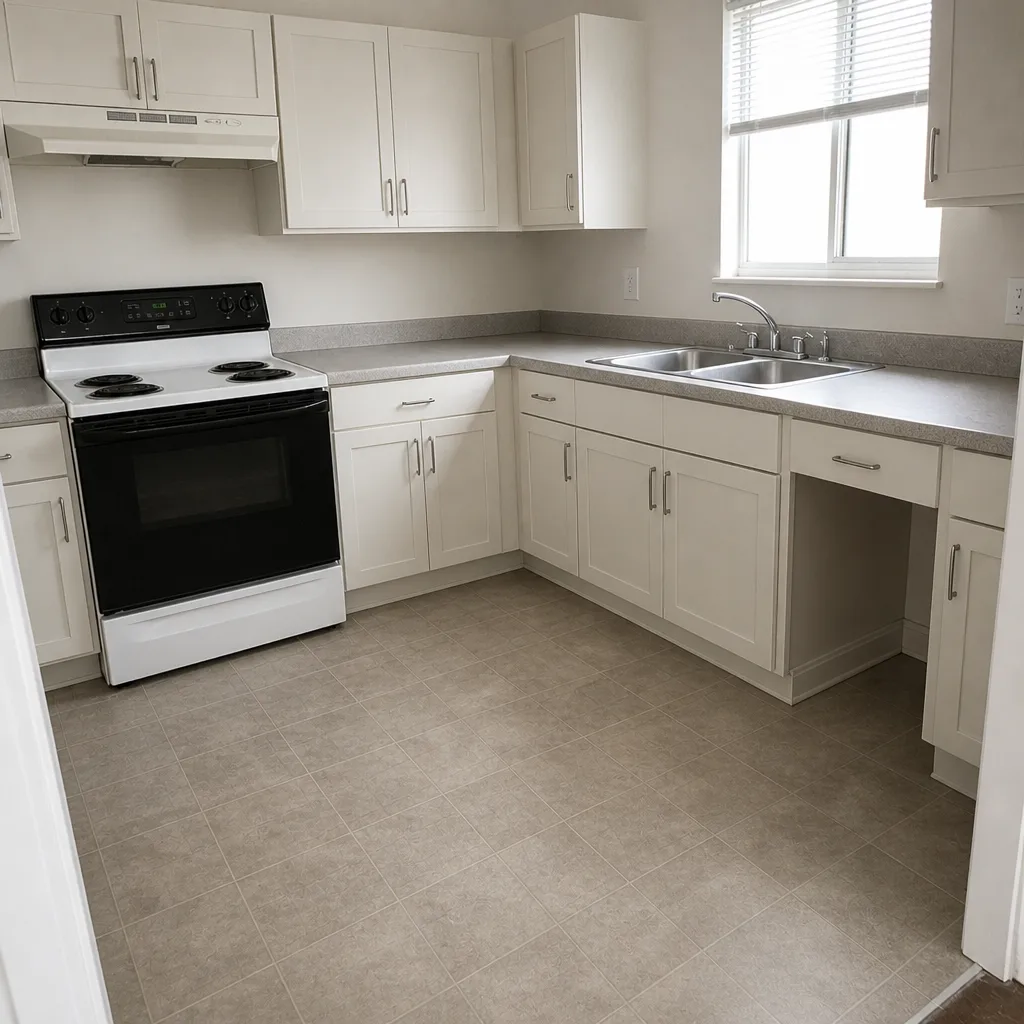 After
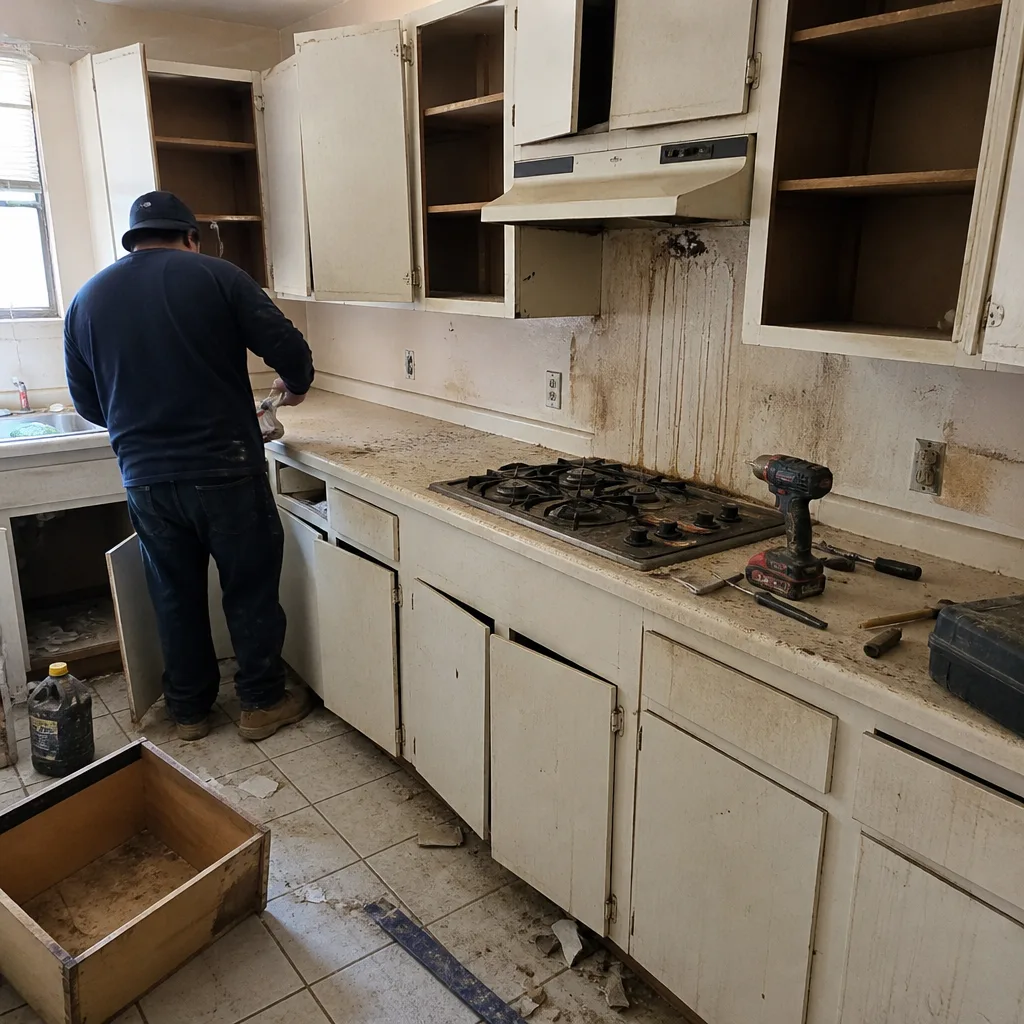 Before
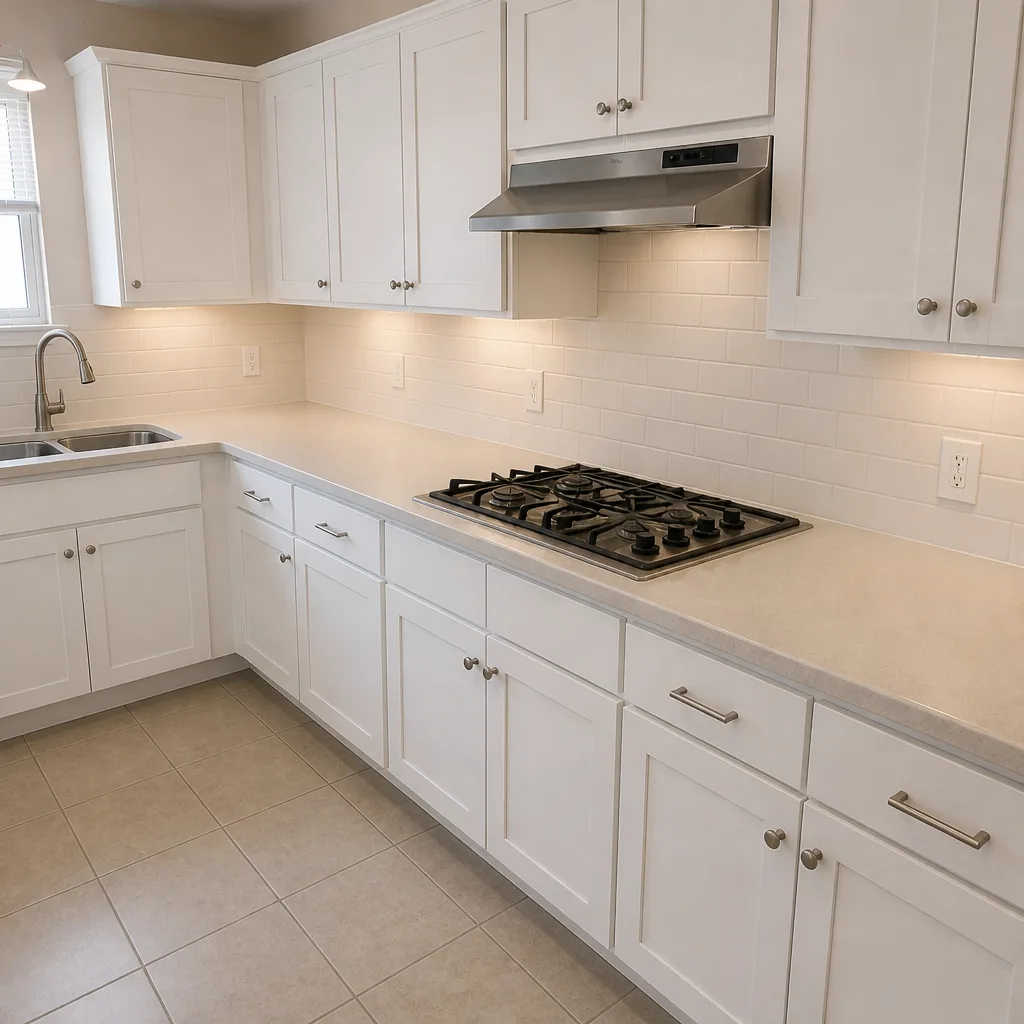 After
When to Call a Professional
Call a licensed professional the moment your project touches any of the following: electrical rough-in or panel work, plumbing rough-in or gas lines, structural framing or any load-bearing change, foundation work, roof-to-wall connections, or anything that requires an inspection milestone. Also call if your project will be financed (lenders require permitted work), if you’re planning to sell within five years, or if the scope involves an ADU that needs site permitting and utility tie-in. The savings from DIY on those categories don’t exist. They’re an illusion that disappears at the first inspection failure or the first buyer’s inspection.
Groundwork Construction Co. of North Las Vegas offers free estimates in North Las Vegas with a design consult included, so you can walk through the scope and see exactly which pieces make sense for you to handle and which ones belong with a licensed contractor. Call (844) 797-5026 to schedule yours. We answer live, 24/7, and the estimate is free.
Frequently Asked Questions
You can legally self-perform non-structural work on your own primary residence in Nevada, including demolition prep, finish painting, landscaping restoration, and cabinet assembly. Electrical, plumbing, gas line work, and structural framing require a licensed contractor on a permitted addition, and those categories are non-negotiable under Nevada State Contractors Board rules. The owner-builder exemption changes who pulls the permit but doesn’t authorize unlicensed work in those licensed categories.
Yes, and often significantly. Unpermitted additions get excluded from the appraiser’s livable square footage calculation, which shrinks the lender’s valuation, and North Las Vegas requires disclosure of known unpermitted work at sale. Buyers’ agents look up permit records for the property before making an offer, so the work isn’t hidden. Typical resale discounts for unpermitted additions run $30,000 – $60,000, which is usually far more than the original DIY savings. Getting it permitted correctly the first time is cheaper.
No. Structural framing requires a licensed contractor in Nevada, regardless of your personal experience or comfort with construction. The load path, header sizing, shear wall detailing, and connection specifications all require engineering knowledge and inspection sign-off that a homeowner can’t legally provide on a permitted addition. A missed header that gets discovered after drywall goes up runs $3,500 – $8,000 to correct, which erases any framing savings and then some.
North Las Vegas residential addition permits typically run four to eight weeks from submittal to issuance, depending on complexity and current department workload. Plan for the longer end on ADUs and two-story additions. Starting work before the permit is issued triggers a stop-work order, and the correction timeline is often longer than the original permit review would have been. Call (844) 797-5026 for a free estimate that includes a realistic permit timeline for your project.
No. A contractor’s workmanship warranty covers the work they performed, not the work you performed. If you handle the demolition, the finish painting, or the cabinet installation yourself, those items are yours to warrant. Our 730-Day Done Right Promise covers everything we build and nothing we don’t, which is why the written scope boundary before demolition matters so much. Mixing scopes without putting the line in writing is how warranty disputes start.
Yes, and this is where the largest legitimate DIY savings sit on a North Las Vegas addition. Homeowners typically save $1,500 – $4,000 on demolition prep and $500 – $2,000 on landscaping restoration when they handle those scopes themselves. The requirements are straightforward: finish before framing starts, follow North Las Vegas waste disposal rules, and confirm with your contractor in writing which specific items you’re handling. Call (844) 797-5026 to scope it out during your free estimate.
The Bottom Line
The DIY vs professional question for a North Las Vegas addition or ADU isn’t really about whether you’re handy. It’s about Nevada’s licensing law and where an inspection failure turns a savings into a five-figure correction. Self-perform demolition prep, finish painting, landscaping restoration, and cabinet assembly. Those are the categories where real money sits, and where you can contribute meaningfully without putting the permit at risk. Leave electrical, plumbing, gas, structural framing, and anything that requires inspection sign-off to a licensed contractor, because the cost of fixing a red-tag dwarfs the cost of hiring the trade in the first place. Put the scope boundary in writing before demolition starts, and keep your photos and receipts. That combination protects your warranty, your resale value, and your project timeline at the same time. Groundwork Construction Co. of North Las Vegas offers free estimates with a design consult for homeowners planning additions and ADUs across North Las Vegas, including the neighborhoods around Aliante, El Dorado, and Centennial Parkway. Call (844) 797-5026 to schedule yours. We answer live, 24/7, and our 730-Day Done Right Promise backs every project we build from foundation to finish line.
If your project also touches exterior scope, our team handles Driveway & Pavers in North Las Vegas and Fence Installation in North Las Vegas as part of full-scope site work alongside additions. Combining the exterior scope with the addition keeps one project manager on the job from foundation to finish line, which matters more than most homeowners realize until the driveway trench and the foundation trench show up on the same week.
Written by the team at Groundwork Construction Co. of North Las Vegas.