Last updated November 18, 2026





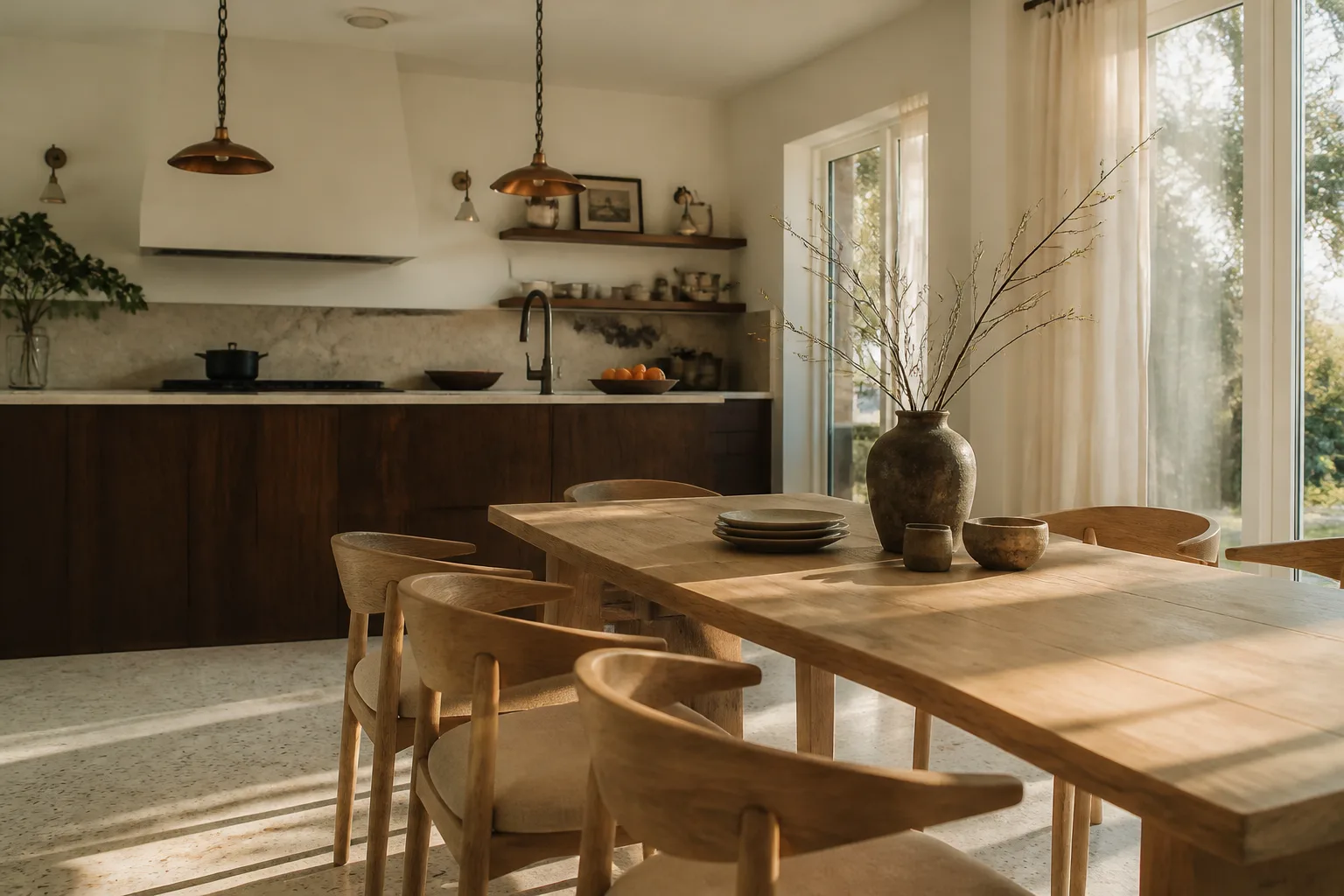
Free written scope consultation - allowances, timeline, and change-order rules on paper before a single trade is scheduled
Home Additions & ADU Warning Signs Every Homeowner Should Know
The Nevada State Contractors Board logged more than 1,400 complaints against contractors in a recent 12-month period, and home additions and remodels made up the largest share of those residential disputes. Read that again. The biggest losses homeowners take on an addition usually aren’t from bad framing or a crooked tile line. They start weeks earlier, in the bid, the contract, and the first handful of conversations. This guide walks through the specific language and behaviors that predict a contractor who lowballs and change-orders, skips permits, or vanishes mid-build, and what a clean project looks like in North Las Vegas from day one.
Quick Answer
The biggest warning signs are a vague lump-sum bid with no line items, a contractor who discourages pulling permits, a large upfront cash deposit, and refusal to name subcontractors. Any one of these is a reason to slow down. Two or more together should end the conversation before you sign. Most projects that finish on time and on budget are decided in the planning and contract stage, long before the first nail goes in.
Styles & brands we work with
- Kitchen remodeling
- Bathroom remodeling
- Home additions & ADU
- Roofing
- Windows & doors
- Driveway & pavers
- Fence
Table of Contents
- Why the Real Trouble Starts Before Construction
- The Bid Structure That Signals a Lowball
- Why “We Don’t Need a Permit” Is a Disqualifier
- What a Reputable GC Will Tell You About Subcontractors
- Deposits, Cash Requests, and What Nevada Law Allows
- The First Two Weeks That Predict the Whole Job
- ADU-Specific Red Flags
- The Green Flags Worth Paying For
Why the Real Trouble Starts Before Construction
By the time a crew is framing an addition, the financial shape of the project is already locked in. The bid price, the scope, the payment schedule, and the permit plan all came from the contract you signed. Change those later and you’re negotiating from weakness, mid-build, with your roof half-open. That’s why the warning signs worth learning are almost all pre-construction signals.
In our experience across North Las Vegas, the projects that go sideways share a pattern. The bid looked great. The deposit was bigger than expected. The permit was “handled” by somebody who never filed it. A month in, the original number was gone and the homeowner was signing change orders to cover the gap. The work itself was often fine. The setup was the problem.
North Las Vegas adds its own pressure here. The city grew fast through the 2000s and again through the last decade, and a lot of newer homes have room for an addition or a detached ADU that the original builder never sized for. Demand is strong, the contractor pool is uneven, and a homeowner who doesn’t know what to look for in a bid becomes an easy mark.
The Bid Structure That Signals a Lowball
A lump-sum bid with no line items is the single most reliable warning sign in residential construction. If the proposal says “Addition – $95,000” and nothing else, you have no way to know what’s included, what’s excluded, and what will become a change order later. A real bid breaks the work into scope categories with a number attached to each.
What you want on paper:
- Demolition and site prep, listed separately
- Foundation and slab, with the depth and reinforcement spec
- Framing, with the lumber species and wall system named
- Roofing with the actual product line, not “30-year shingles”
- Windows and doors by brand and model (brands like Andersen or Pella get specified for a reason)
- Mechanical, electrical, plumbing, each as its own line
- Drywall, paint, flooring, trim, each as its own line
- Permit fees, listed explicitly
A contractor who intentionally lowballs to win the job will strip line items to make the number look tight, then change-order you to the real cost mid-build. The bid felt cheap. The final invoice doesn’t. If you want a contrast, look at how a Home Additions & ADU in North Las Vegas project gets scoped when the contract is written line by line.
Why “We Don’t Need a Permit” Is a Disqualifier
A contractor who discourages pulling permits is telling you they plan to leave you with an unpermitted structure. That’s a problem you inherit, not them. Unpermitted additions in North Las Vegas can stall a sale, complicate insurance, and force a retroactive permit process that costs more than the job would have cost done right. The Clark County and city building departments track what’s on record, and lenders and buyers check.
“We don’t need a permit” almost always means one of two things: the contractor wants to avoid inspection scrutiny, or they don’t want to spend the time. Neither is your problem to solve.
Here’s how to verify a permit is actually pulled in your name:
- Ask the contractor for the permit application number once they’ve filed it.
- Call the North Las Vegas building department and confirm the permit is active.
- Confirm the permit lists you as the property owner and the contractor as the licensed applicant.
- Ask for the inspection schedule in writing before work begins.
- Confirm final inspection sign-off at the end of the job, and keep the paperwork.
The permit is filed under your address. If it isn’t on record, it isn’t happening, no matter what the crew says on day one. Ask for it in writing and follow up.
What a Reputable GC Will Tell You About Subcontractors
A general contractor will not be able to do every trade on your addition with their own employees. Framing, electrical, plumbing, drywall, roofing, finished carpentry: most of those come from specialty subcontractors. That’s normal. What separates a good GC from a bad one is how much they’ll tell you about who’s actually on your job site.
A reputable GC will:
- Name the subcontractors they plan to use, by company name
- Confirm every sub is licensed and insured
- Hold sub licenses and certificates of insurance on file, and share them on request
- Explain who handles the schedule and site supervision on their side
- Tell you who your single point of contact is for the whole project
A GC who won’t tell you who’s coming on your property is telling you something. Either they don’t know, or they don’t want you to know. The same principle applies when the work is a fence or a driveway pad, where the sub may not be full-time with the GC but still needs to be licensed and insured. The trade doesn’t matter. The transparency does.
Deposits, Cash Requests, and What Nevada Law Allows
Nevada limits what a contractor can take as a deposit before work begins. If a contractor asks for a deposit that seems high, or asks for cash, treat both as a hard stop. Cash leaves no paper trail, which leaves you with no leverage if the project stalls.
Watch for these financial red flags:
- A deposit that’s a large share of the total contract price, requested before any work starts
- Any request to pay in cash or through a payment app with no receipt
- Requests for the next payment before the previous phase was finished
- A contractor who won’t put a payment schedule in the contract
- Any suggestion to “hold off” on the permit fee to save money
What a clean payment schedule looks like on a North Las Vegas addition: a reasonable deposit tied to mobilization, then payments tied to specific completed and inspected milestones. Nothing paid for work that hasn’t happened yet. If the contractor won’t put the schedule in the contract, they aren’t planning to be held to it.
The First Two Weeks That Predict the Whole Job
The first two weeks of construction are a preview. A crew that shows up on time, organizes the site, protects the existing structure, and communicates the schedule in the first ten working days almost always finishes clean. A crew that doesn’t usually doesn’t.
What to watch for in those two weeks:
- Daily or near-daily arrival times. If they say 7 a.m. and they show at 10, the schedule is already fiction.
- Site protection: plastic over the doorways, walk-off mats, a dumpster in place, a port-a-john. A clean site is a sign of a system.
- Communication rhythm. You should know by day three who to call with questions and get a response the same day.
- Inspection readiness. The foundation inspection should hit the calendar when the crew says it will.
- Change order transparency. If a change comes up, it comes to you in writing with a price before the work is done, not after.
- Who’s actually on site. If a sub shows up in an unmarked truck with no uniform and no company name, ask. The answer should be immediate.
North Las Vegas summers make this more urgent than in milder climates. A slab poured in July and framed in August has to be sequenced around peak heat to avoid cracking, and a crew that’s already slipping on arrival times will slip on the pour window too. The Groundwork Construction Co. of North Las Vegas home page spells out how a fully scoped project handles sequencing and inspections.
ADU-Specific Red Flags
Accessory dwelling units sit in a different risk bucket from a room addition. An ADU has new utility connections, its own address, its own compliance path, and depending on how you intend to use it, its own rental or family-housing implications. The warning signs get sharper here.
- A contractor who treats an ADU like a “small house” without addressing parking, setbacks, and utility trenching separately
- No mention of utility capacity or the size of the panel that will serve the ADU
- No conversation about whether the ADU will be separately metered and what that involves
- A bid that doesn’t list the detached foundation, connection trenching, and site work separately
- A GC who doesn’t walk the property lines or flag the setback before signing
The cheapest ADU bid is usually the one that skipped the site work. That cost comes back as the first or second change order. North Las Vegas lots vary a lot in how much usable backyard they offer, and a proper scope walks the lot before the number is written.
The Green Flags Worth Paying For
The warning signs tell you what to walk away from. The green flags tell you what to pay for.
- Written line-item bids. Every trade broken out. No “miscellaneous” line that swallows the unknowns.
- Permits pulled in your name and confirmed in writing. With the inspection schedule attached.
- Subcontractor transparency. Names, licenses, insurance on file.
- Upfront pricing that holds. The number you see is the number you pay, with a written change-order process for anything outside scope.
- A named point of contact. Someone who answers the phone, not a voicemail box.
- A written workmanship guarantee. Ours is the 730-Day Done Right Promise, one of the longest workmanship guarantees in the residential construction space. If it’s not done right, we make it right.
- Brand partners you recognize. KraftMaid, Kohler, GAF, CertainTeed, Andersen, Pella, James Hardie, Belgard, and dozens more, specified by name in the bid.
- A real payment schedule. Tied to milestones, not to calendar dates.
None of that is exotic. It’s what a professional project looks like on paper before a single nail is driven. Groundwork Construction Co. of North Las Vegas answers the phone with a live person 24/7 precisely because we’ve seen what happens to homeowners who get a voicemail box and a delayed callback in week three.
Common Mistakes to Avoid
- Choosing the lowest bid. The lowest bid is usually the one with the most missing scope. The gap gets filled mid-build, with change orders, at the highest-stress moment of the project.
- Skipping the permit. In North Las Vegas, an unpermitted addition can block a future sale. The cost to legalize the work later is always higher than doing it right the first time.
- Paying too much up front. A large cash deposit leaves you with no leverage if the crew slows down. Milestone payments protect you and are standard on a well-run project.
- Not verifying sub licenses. The GC’s license covers the GC. Each subcontractor’s license is a separate check, and it’s yours to run.
- Signing a contract without a change-order process. If the contract doesn’t spell out how changes get priced and approved, you’ll be negotiating price mid-build with no leverage.
- Assuming a permit exists because the contractor said so. Confirm it at the North Las Vegas building department, in your name, before demo starts.
- Ignoring the first two weeks. The first ten working days forecast whether the job finishes on time. If the crew is already slipping on arrivals and inspection dates, escalate early.
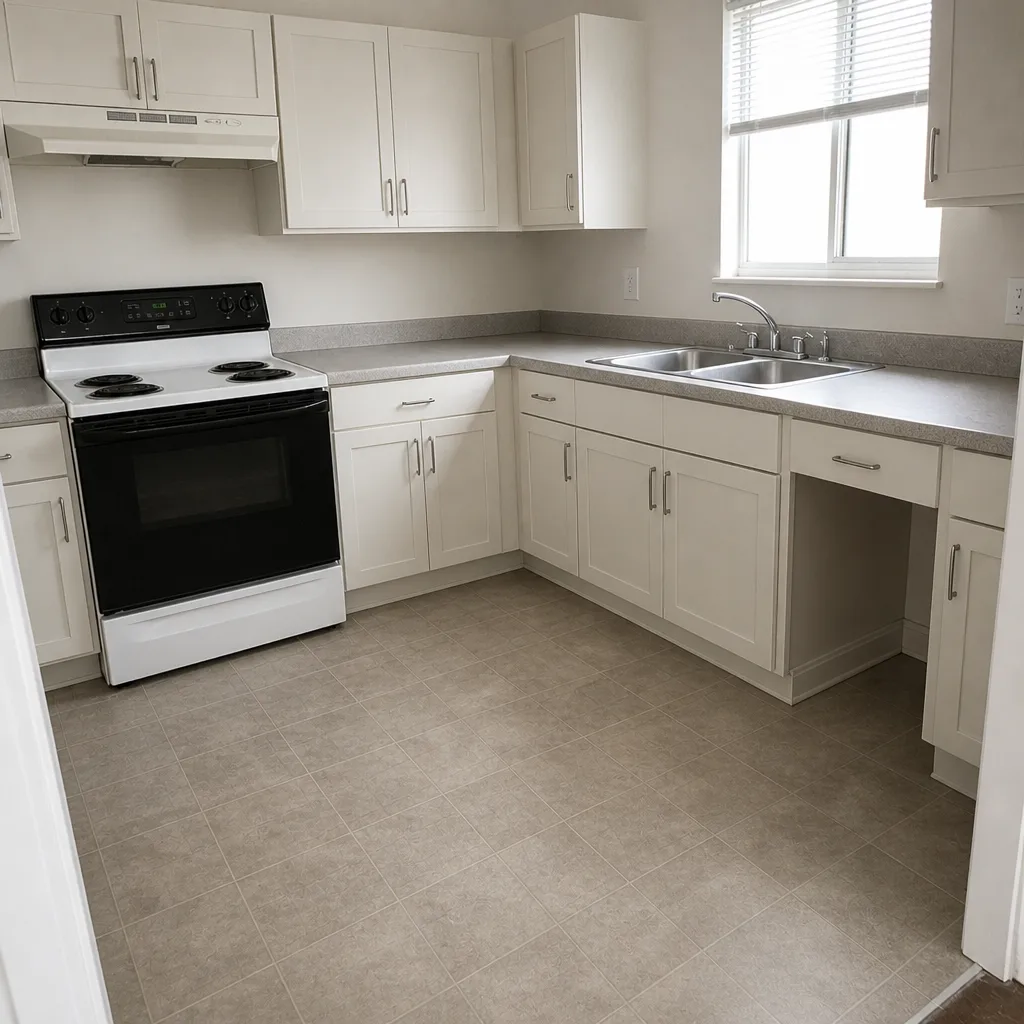
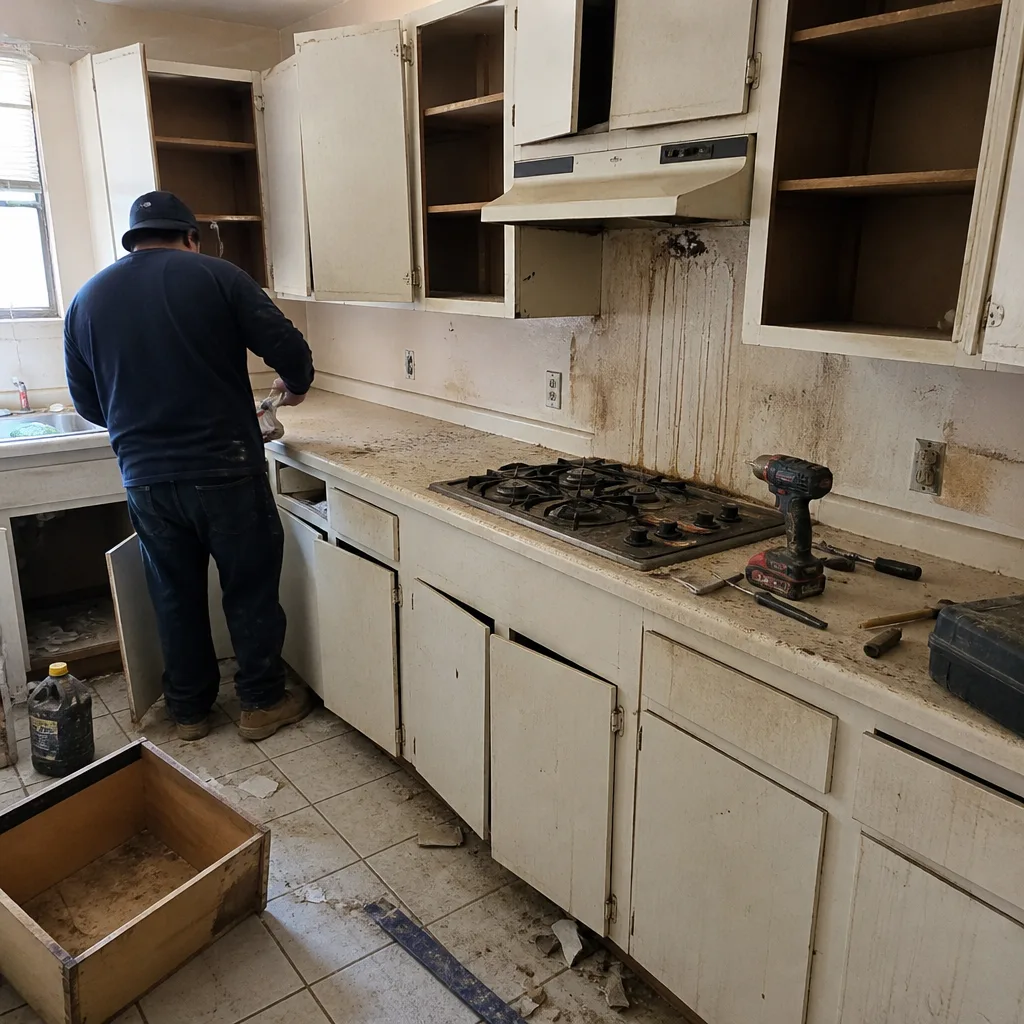
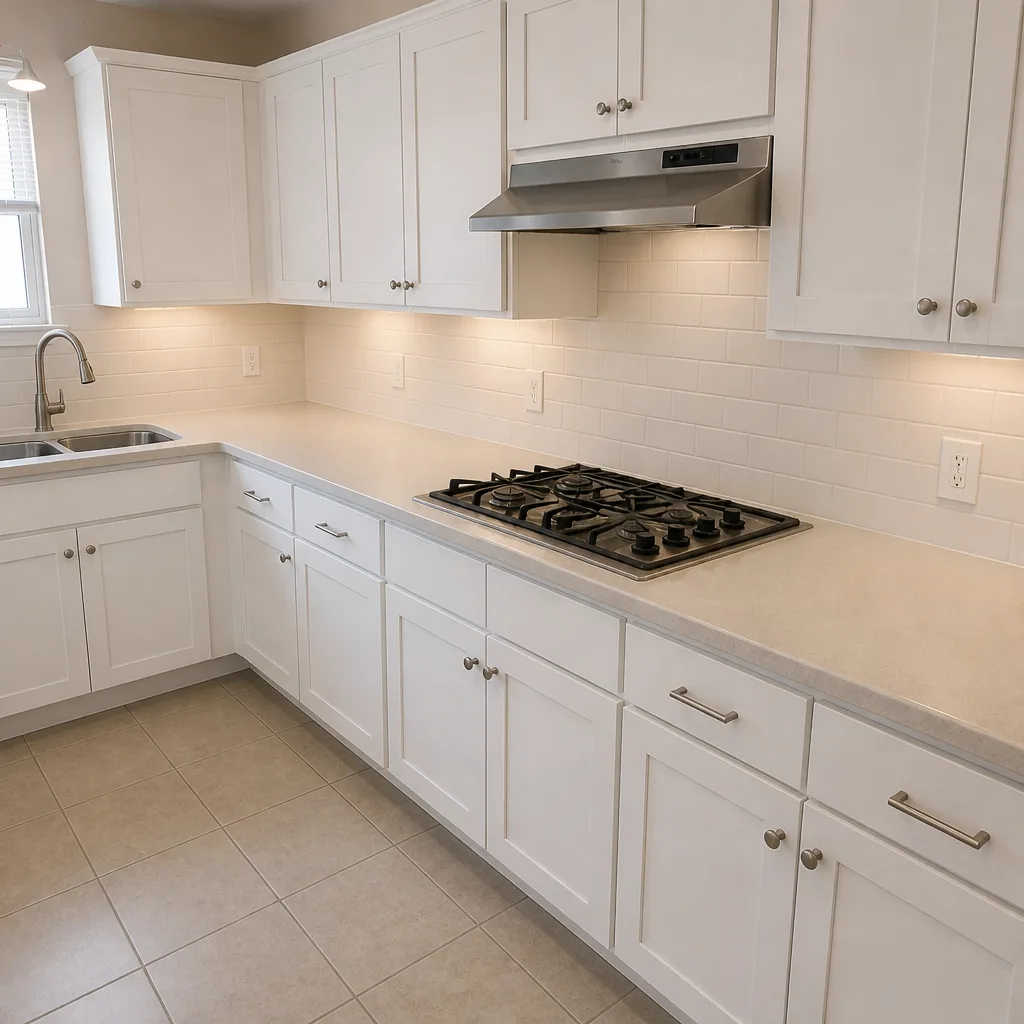
See the difference
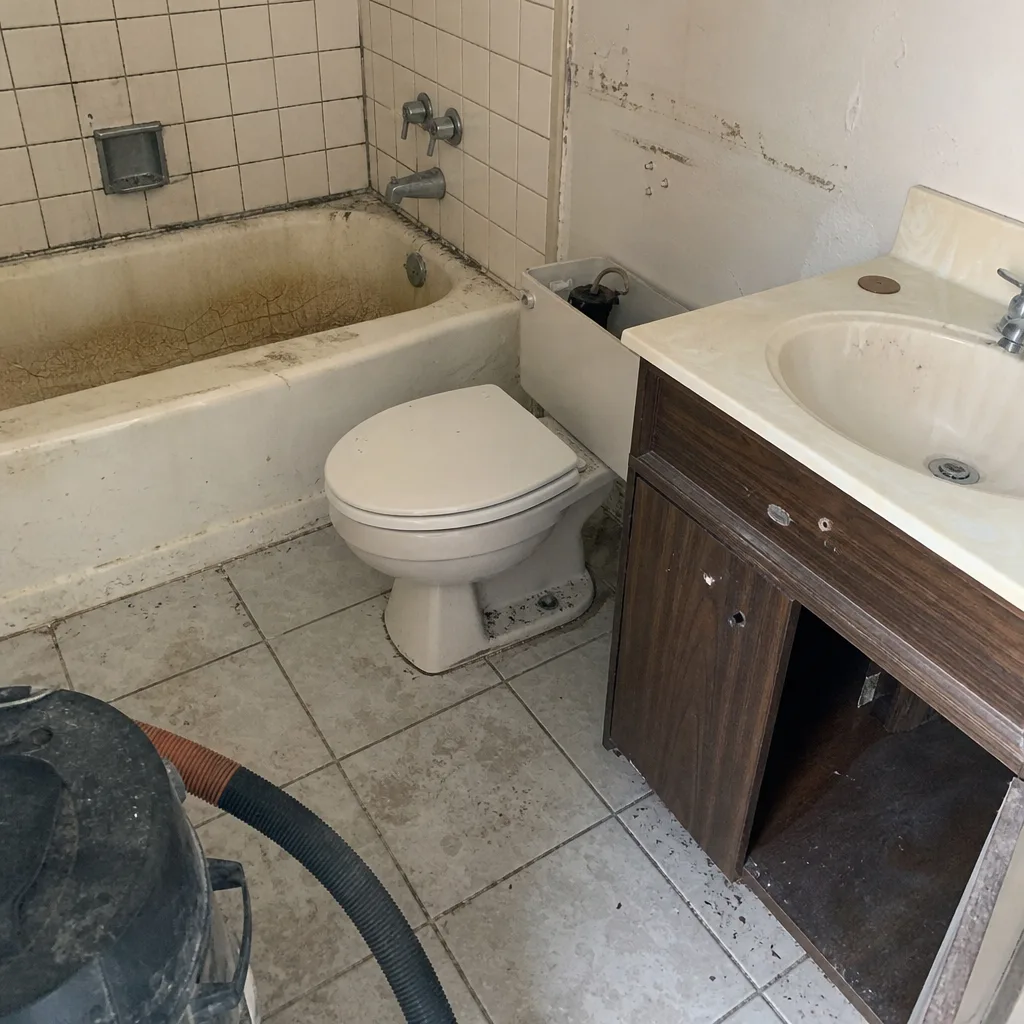 Before
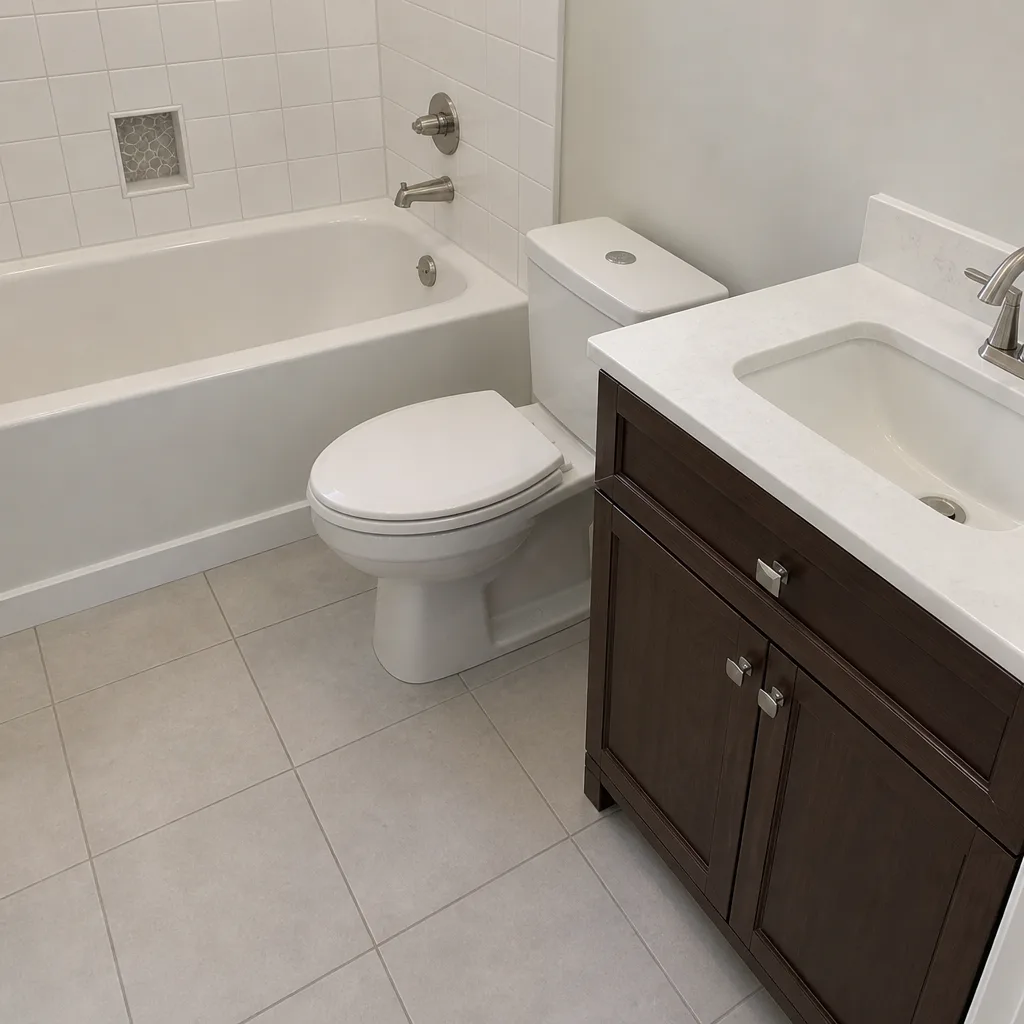 After
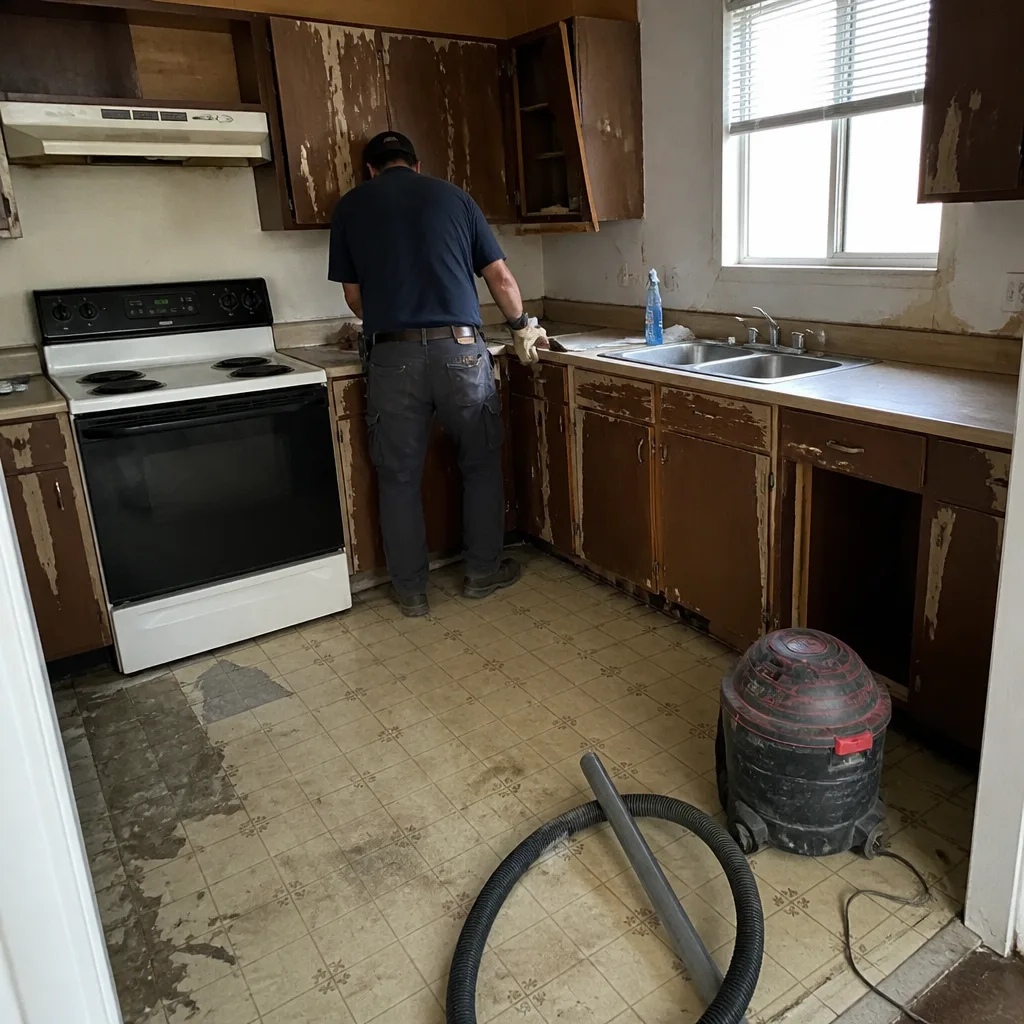 Before
 After
 Before
 After
When to Call a Professional
Call a licensed professional when the project requires a permit, when it touches structural framing, when it involves new electrical or plumbing, or when you’re planning a detached ADU with its own utility service. Those aren’t DIY projects in North Las Vegas, and the permit and inspection process won’t allow shortcuts even if you wanted to take them. Also call when you’ve been handed a bid you can’t read: no line items, no permit in the summary, no named subs. That bid tells you the project isn’t scoped yet, and a free estimate with a written line-item proposal and a fixed price will tell you quickly whether the number you saw is real. Groundwork Construction Co. of North Las Vegas offers free estimates in North Las Vegas. Call (844) 797-5026 to schedule yours.
Frequently Asked Questions
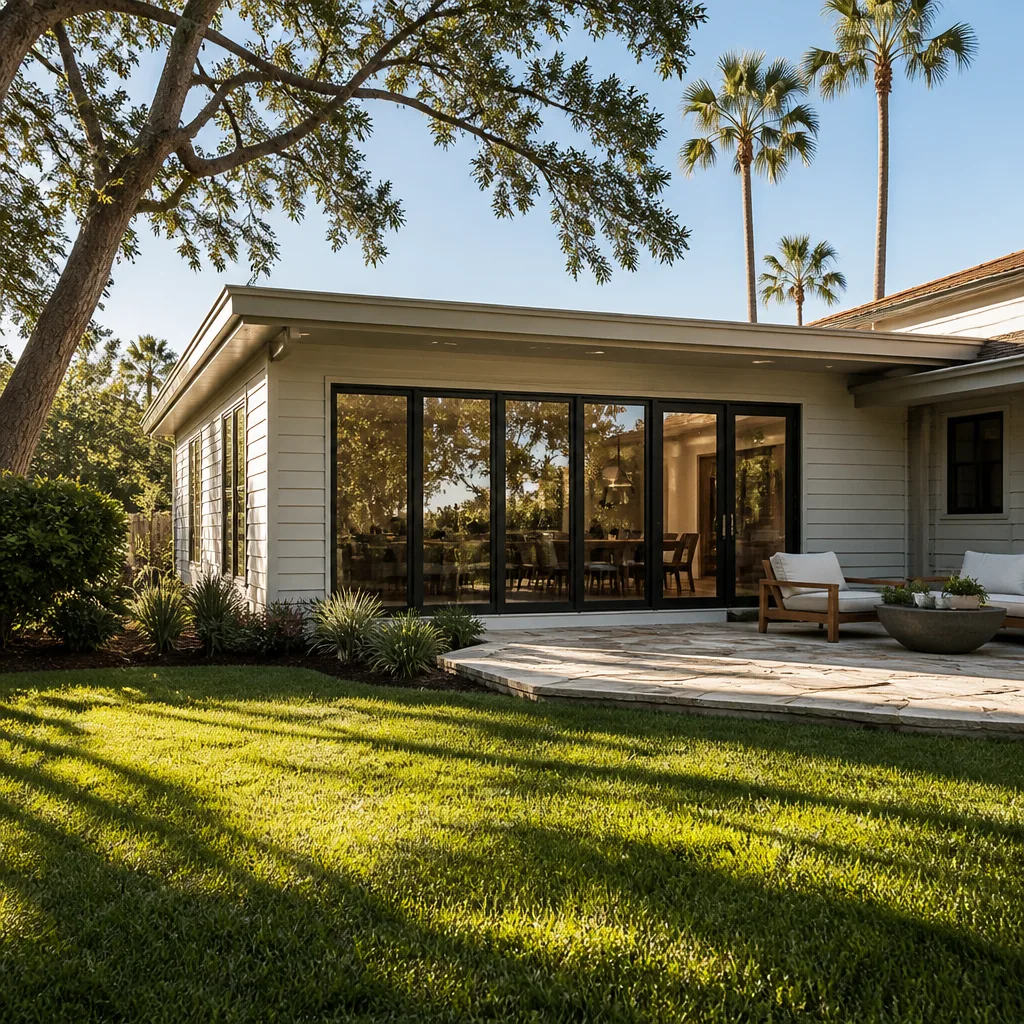
Most room additions in North Las Vegas run in the range of $150 to $300 per square foot depending on finishes, foundation, and utility work, so a 400-square-foot addition is often $60,000 to $120,000. Detached ADUs typically start higher per square foot because of the separate foundation, utility trenching, and connection work. The only number that matters is the one on your written line-item bid. Call (844) 797-5026 for an exact quote. Estimates are free.
Yes. Any addition that changes the footprint, framing, electrical, plumbing, or mechanical system requires a permit and a series of inspections. Detached ADUs go through a separate review that covers setbacks, parking, and utility connections. A contractor who tells you a permit isn’t needed is telling you they plan to leave you with an unpermitted structure. Verify the permit is pulled in your name at the building department before demo starts.
A reasonable deposit is tied to mobilization and is proportional to the total contract, not a flat percentage of the entire job requested on day one. Anything that looks large, or any request for cash, is a stop. Ask for a written milestone payment schedule in the contract. If the contractor won’t put it in writing, they aren’t planning to be held to it. Call (844) 797-5026 for a written scope and payment schedule on your North Las Vegas addition.
A typical room addition in North Las Vegas takes four to six months from permit issuance to final inspection, and a detached ADU runs six to ten months depending on utility connections and inspection scheduling. The risk isn’t the plan; it’s a crew that slips on arrival times in week one and never recovers. You should know the schedule in writing, phase by phase, before signing. Call (844) 797-5026 to talk through your timeline.
Yes. Cash leaves no paper trail, and without a paper trail you have no leverage if the project stalls or the work doesn’t meet code. All payments should go through a documented method with a receipt, tied to completed and inspected milestones. Cash-only requests are one of the strongest red flags on an addition. A licensed contractor will take standard payment and put everything in writing.
Check three things: arrival times, whether the site is protected and organized, and whether the first inspection is on the calendar when the crew said it would be. If any of those slip in the first ten working days, escalate in writing before phase two begins. In North Las Vegas, a summer pour schedule also matters, because a crew that’s already behind will miss the cool-weather pour window. Call (844) 797-5026 if you want a second opinion on a project already in progress.
The Bottom Line
Most of the loss happens before the first nail goes in. A vague bid, a skipped permit, a large cash deposit, and a GC who won’t name the subs are the four signals that matter most on any North Las Vegas addition or ADU. Get a written line-item bid, confirm the permit is pulled in your name, tie payments to milestones, and watch the first two weeks. If the setup is clean, the build usually follows. A complete scoping process and a workmanship guarantee you can hold somebody to turn the coin flip into a project you can plan around. Our 730-Day Done Right Promise backs that up in writing.
Ready to scope an addition or ADU in North Las Vegas? Call (844) 797-5026 for a free estimate and design consult. Live person, 24/7. No voicemail, no waiting until Monday. Related services we offer in the area include Driveway & Pavers in North Las Vegas and Fence Installation in North Las Vegas, both of which pair well with an addition or ADU project when the site work is being scoped at the same time. Roughly 30% of the North Las Vegas addition projects we see bundled with site work in a single scope come in under budget because the trenching and grading is done once.
Written by the team at Groundwork Construction Co. of North Las Vegas.