



Free written scope consultation - allowances, timeline, and change-order rules on paper before a single trade is scheduled
Styles & brands we work with
- Kitchen remodeling
- Bathroom remodeling
- Home additions & ADU
- Roofing
- Windows & doors
- Driveway & pavers
- Fence
See the difference
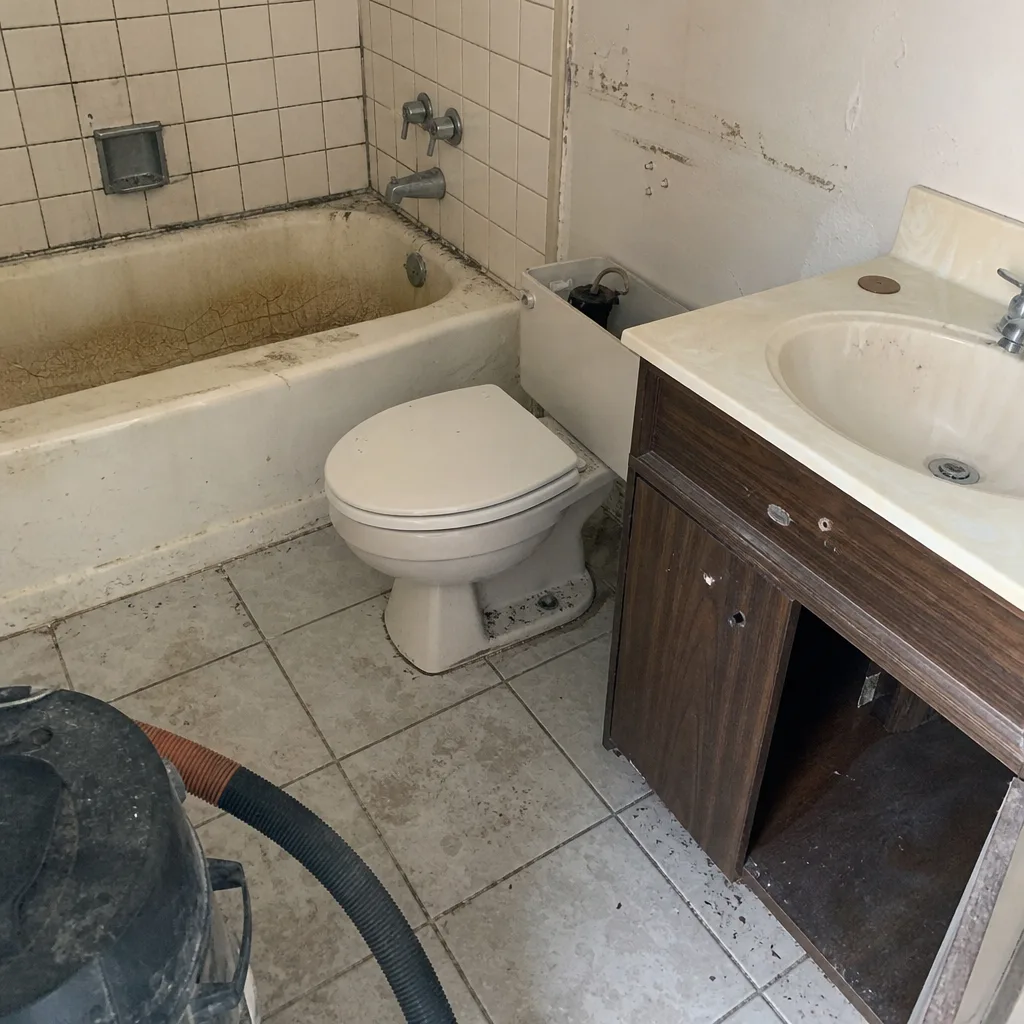 Before
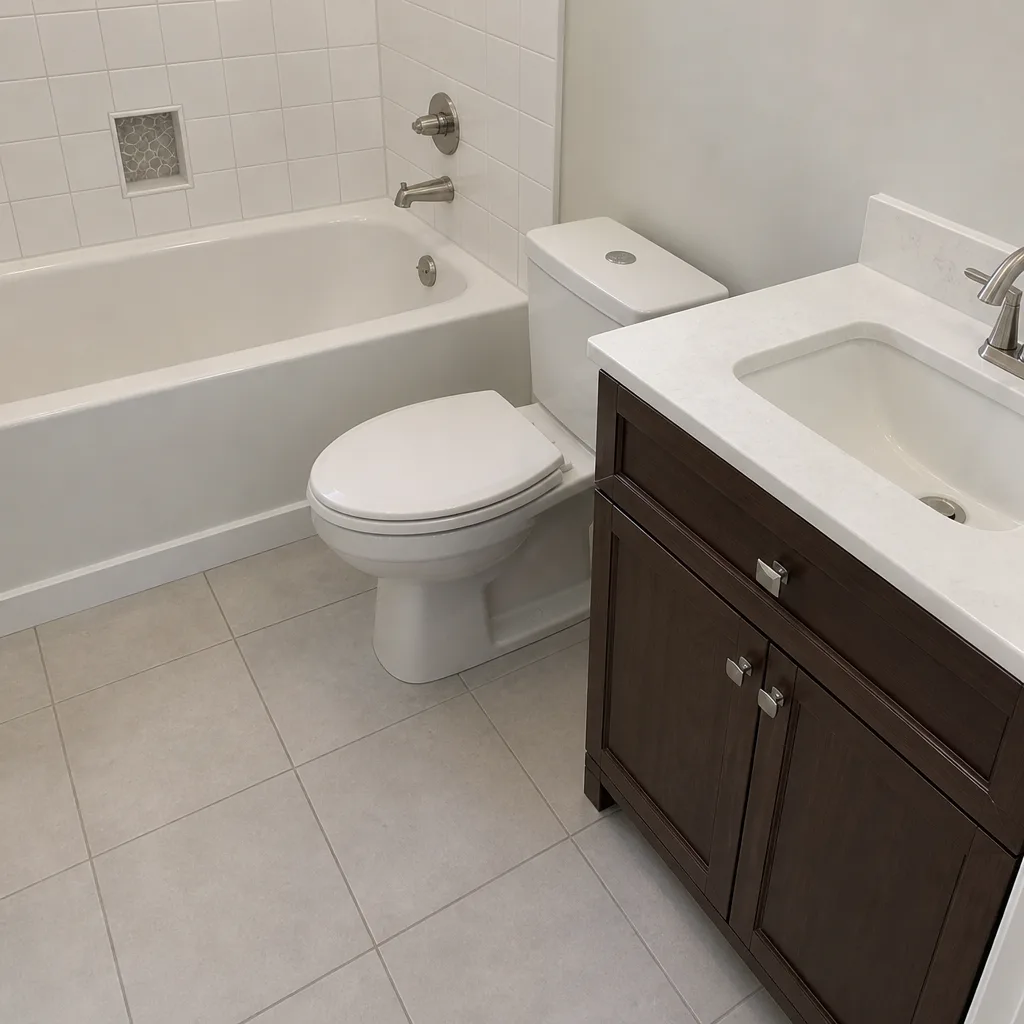 After
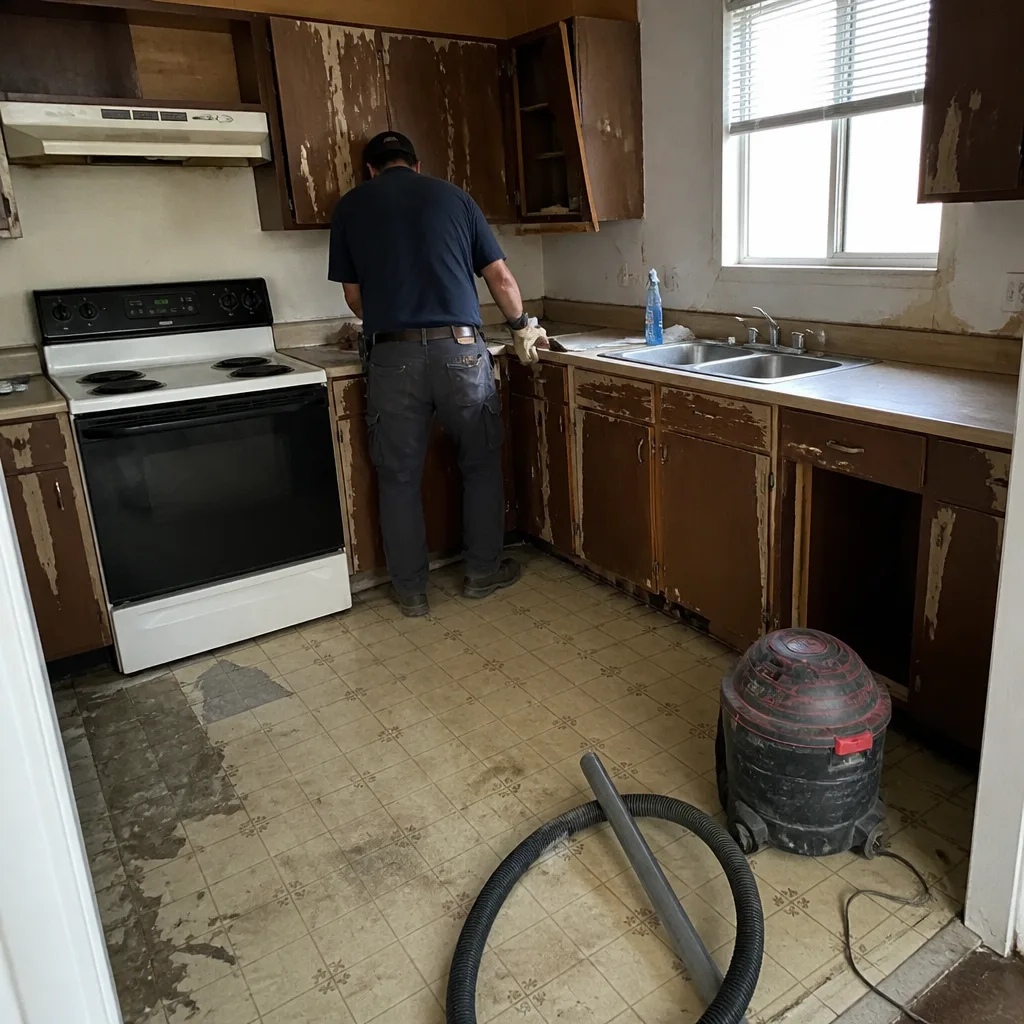 Before
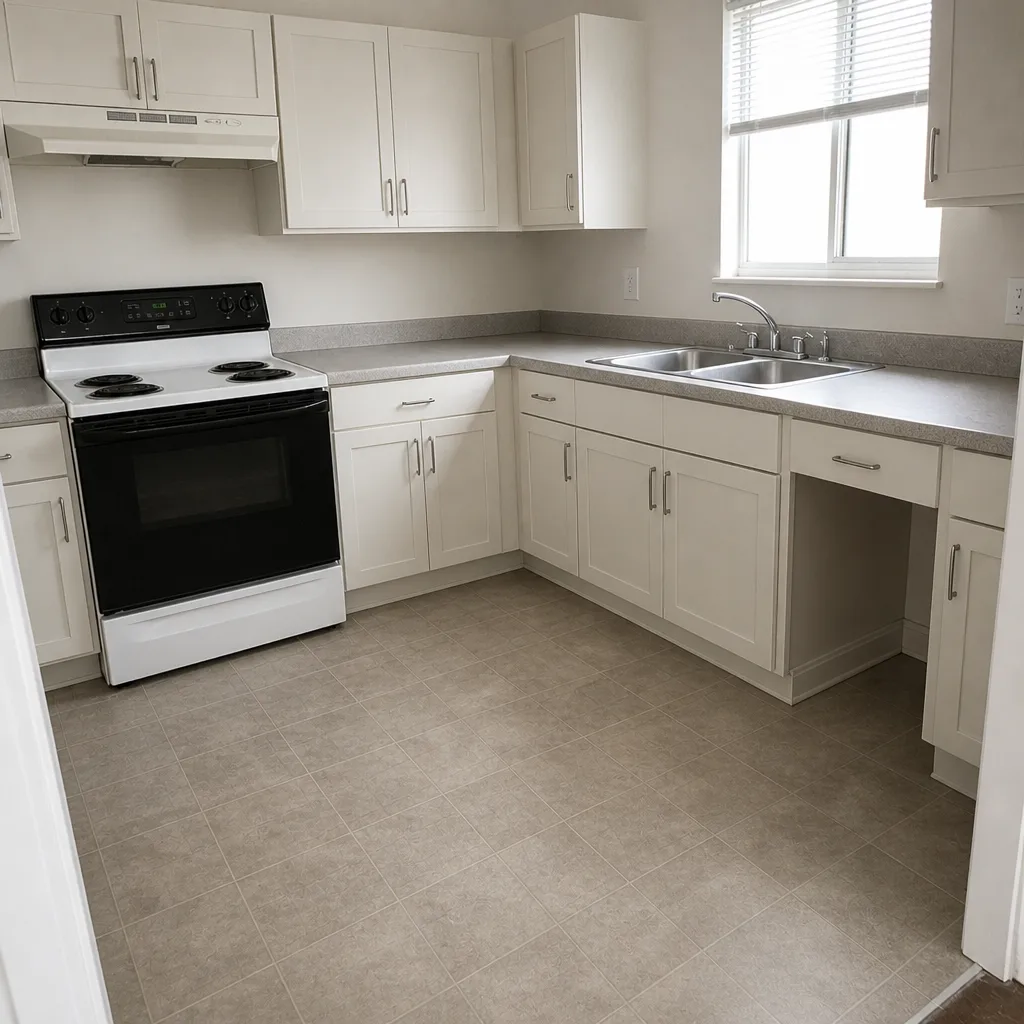 After
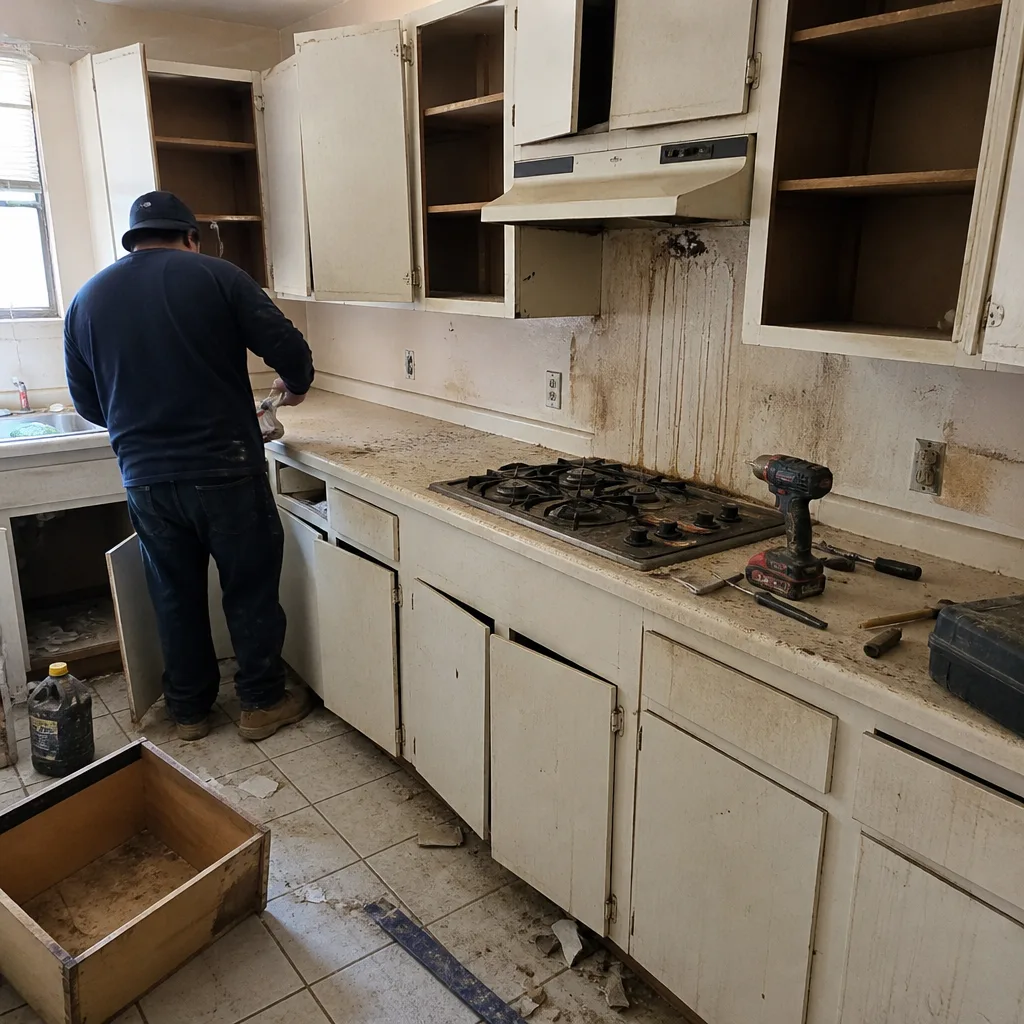 Before
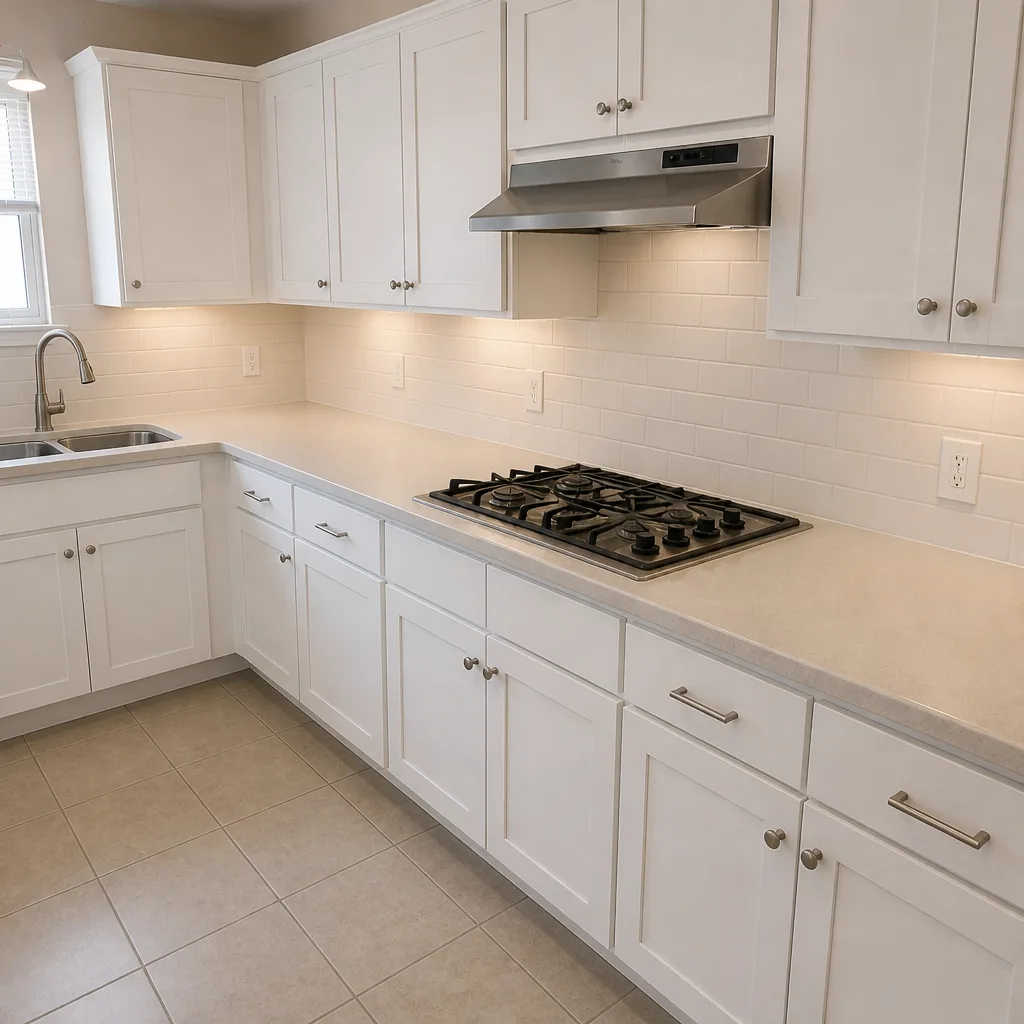 After
Signs You Need a New Roof in North Las Vegas, NV (A Desert Checklist, Not a Midwest One)
The most reliable early sign you need a new roof in North Las Vegas is granule loss on your south- and west-facing slopes, followed by thermal cracking at ridge caps and a thin separation line where stucco meets fascia. Those three show up long before a water stain ever reaches your ceiling. If you’re using a checklist written for humid climates, you’re watching for curling shingles while the desert quietly fails your roof from the top down. Groundwork Construction Co. of North Las Vegas handles roof assessments and replacements across the valley, and the pattern we see here is remarkably consistent. Call (844) 797-5026 to get a straight answer on where your roof actually stands.
Here’s the thing most homeowners here miss: a desert roof doesn’t rot from rain. It bakes. And it bakes unevenly.
What Actually Fails First on a North Las Vegas Roof
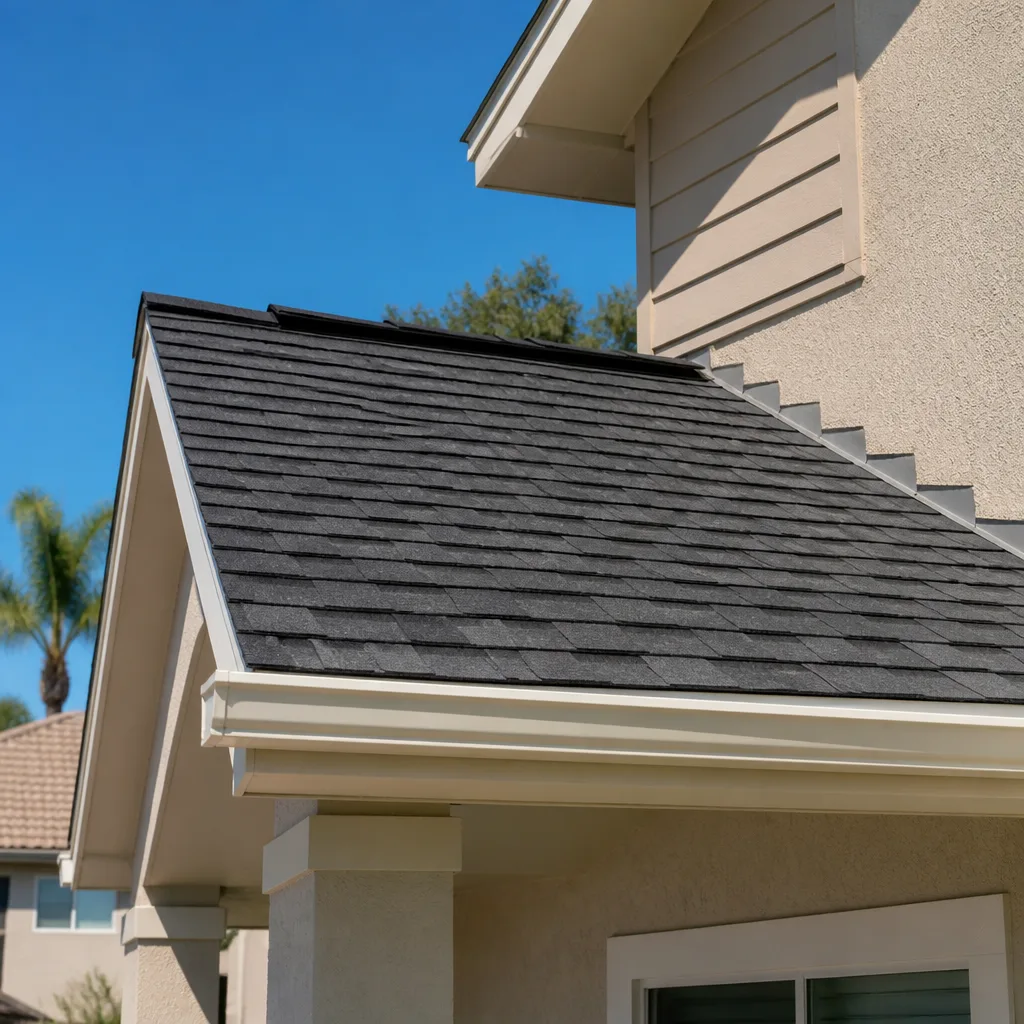
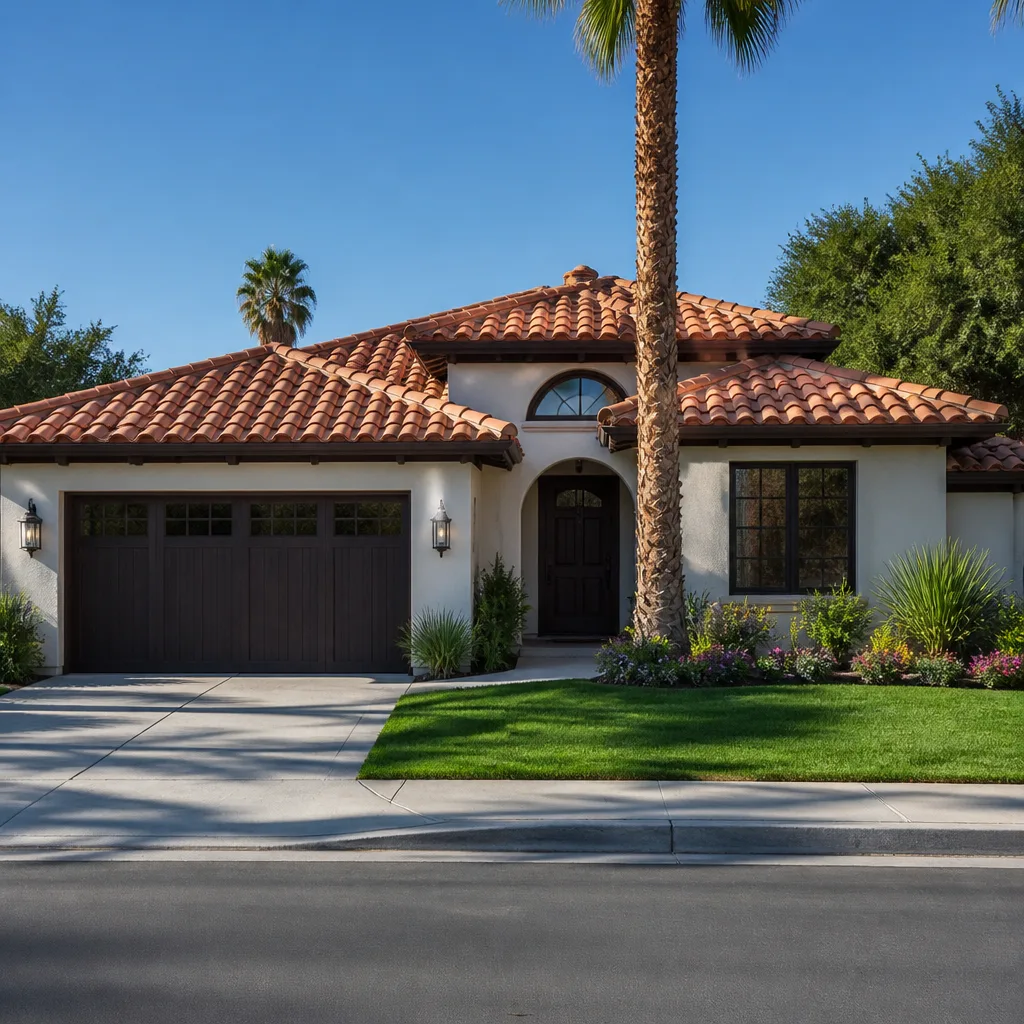
Start with the sun. North Las Vegas sits under an intense UV load most of the year, and that load doesn’t hit every slope the same way. South- and west-facing planes take the brunt, and granules on those slopes can degrade 30-40% faster than on north-facing planes. That means a roof that looks perfectly fine from the street, and even looks fine from the north side of your own ladder, can be near failure on the sun-hammered slopes. When we assess a roof in Aliante or Valley Vista, we’re not scanning the whole field evenly. We’re reading the compass.
Second: thermal cycling. Daily swings of 50°F or more between dawn and peak afternoon are normal here, and shingles flex with every one of those swings. Sealant strips and shingle overlaps take the most stress at the high points of the roof, which is why ridge caps and hip transitions crack first. On the post-1990 tract homes that make up most of North Las Vegas, thermal cracking at the ridge is the number one early indicator we find, and it’s the one homeowners most often mistake for cosmetic wear.
Third, and this one catches people off guard: stucco-to-fascia separation. Because so much of this city’s housing stock is stucco-on-frame, moisture cycling behind the stucco shows up as a hairline crack along the roofline before it ever appears as an interior water stain. That crack usually isn’t a paint problem. It can signal fascia rot or rafter tail damage underneath. If you’ve been meaning to “touch up that line near the gutter,” get it looked at instead.
How to Check Your Own Roof After a Monsoon (From the Ground, Safely)
We’re not going to tell you to climb up there. Desert roofs are hot enough to burn through a shoe sole by mid-morning, and a fall from a single-story eave is a serious injury. What you can do safely is look for evidence from the ground after a hard rain.
- Downspout sediment. After a monsoon, put a bucket under a downspout and catch the first flush. A handful of dark grit means active granule loss. A few specks is normal. A steady stream of sandy sediment points to a roof that’s shedding its protective layer.
- Lifted tile edges or displaced ridge caps. Walk the perimeter at eye level after any wind event over 60 mph. Monsoon gusts here routinely clear that mark, and North Las Vegas code enforces stricter wind-uplift and shear requirements than neighboring jurisdictions. If you see a tile edge standing proud or a ridge cap out of line, that’s an immediate re-roof trigger, not a maybe.
- Foam-set failures at the eaves. On tile roofs, the foam adhesive at the eave course is the first thing wind gets under. Cracked or missing foam at the edge means the whole field is more vulnerable than it looks.
- Daylight or staining in the attic. A flashlight check of the underside of your decking is free and tells you a lot. Dark staining on the sheathing means water has been getting in for a while.
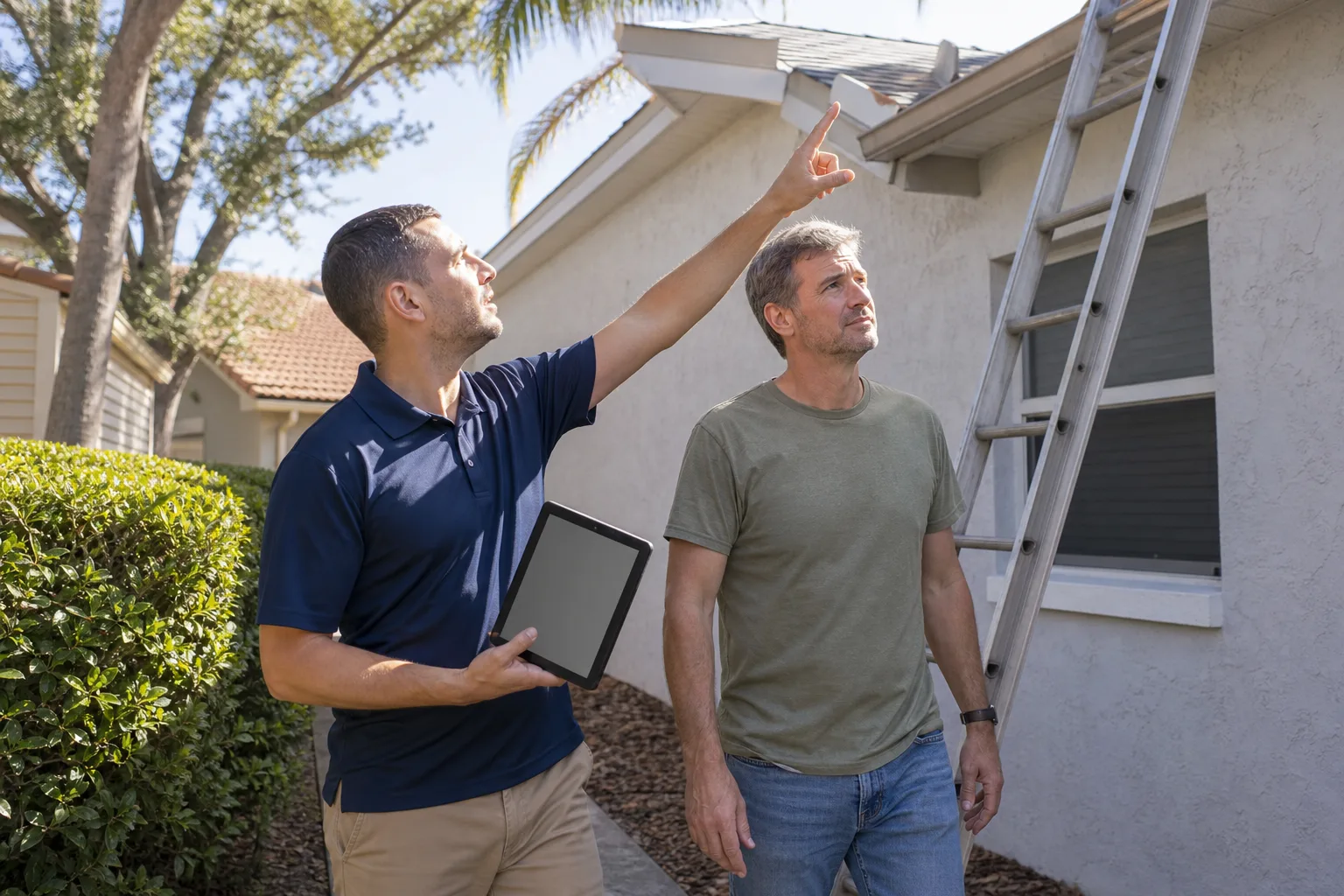
If two or more of those light up, it’s time for a professional look. Our Roofing team can read the compass on your roof and tell you whether you’re looking at a repair or a replacement, without pressure either way.
The Age Threshold Most North Las Vegas Homeowners Don’t Know
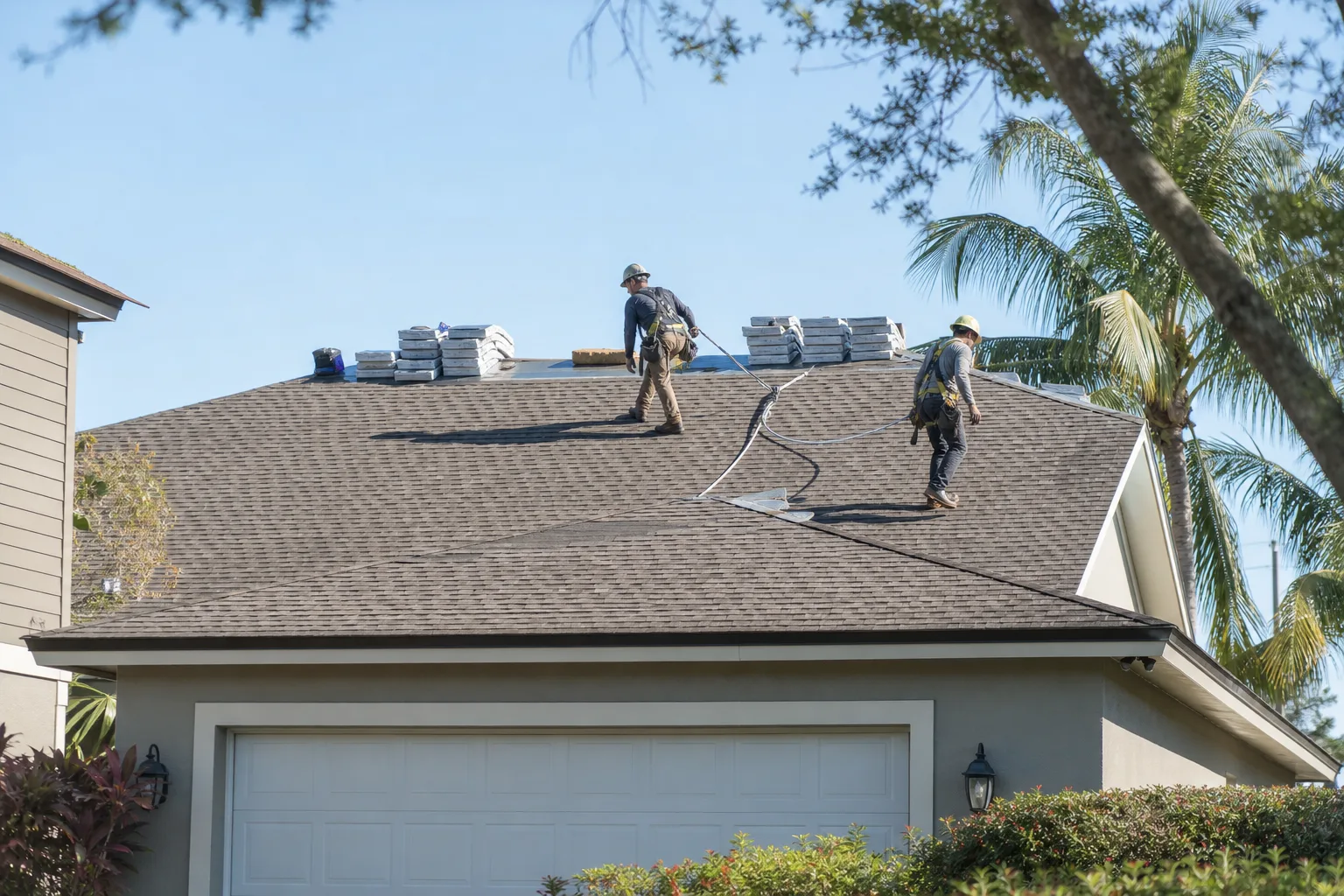
If your home was built in the mid-1990s in a North Las Vegas subdivision and still has its original shingles, those shingles were rated for roughly 25 years. Do the math. A post-1995 tract home with original roofing is effectively at end-of-life now, even if it hasn’t leaked yet. Granule loss and thermal cracking are the body telling you the roof is done before the water does.
That’s a key difference from a typical service page that just lists symptoms. The question isn’t only “is it damaged?” It’s “has it reached the end of its service life for this climate?” On a desert roof, those two answers often diverge.
What a Roof Replacement Runs in North Las Vegas
Upfront pricing, no surprises. Here are the ranges we work from in this market:
| Service | Typical Range |
|---|---|
| Roof repair (small fixes) | $400 - $1,800 |
| Tile roof repair | $600 - $2,500 |
| Full roof replacement | $8,000 - $20,000 |
| Metal roof installation | $15,000 - $40,000 |
Those numbers move based on square footage, pitch, and whether wind-uplift upgrades push you into heavier fastening. We use tested material brands like GAF and Owens Corning so the shingle on your roof matches the guarantee behind it. And every replacement we do is covered by our 730-Day Done Right Promise, which is one of the longest workmanship guarantees in residential construction. That’s a concrete accountability window that extends well past when most contractors here would have moved on to the next job.
On top of the guarantee: $1,000 off projects over $10,000, a free project estimate and design consult, and 0% financing for 18 months if you’d rather spread the cost. Large projects get financially accessible without hidden surprises.
When It’s a Repair and When It’s a Replacement
Not every cracked ridge cap means a new roof. A localized issue caught early is often a repair. But when the failure is widespread granule loss across your sun-facing slopes, when the ridge and hip transitions are cracking in multiple places at once, or when stucco separation points to underlying fascia damage, patching the symptom just delays the inevitable. Our technicians, who carry up to 12 years of hands-on experience, look at the whole system, not just the one spot you noticed. You can read more about how we work across the city on our North Las Vegas service area page.
A note on how Groundwork Construction Co. of North Las Vegas connects you with the trade: we’re the partner you call, and we bring in the right independent local professionals for your roof and any related work, from foundation to finish line. Your call is answered by a live person, 24/7. Our technicians are background-checked and arrive in uniform. The number you see is the number you pay.
Signs You Need a New Roof: FAQs
Granule loss on the south- and west-facing slopes is the most common early sign, and it’s easy to overlook because the shaded side of the roof still looks fine. Check the grit in your downspout after a rain, and know the age of your shingles. If in doubt, a professional look beats guessing. Call (844) 797-5026 for a free estimate.
Yes. Curling is a humid-climate tell; in North Las Vegas roofs more often fail with thermal cracking at the ridge caps and hip transitions while the field stays deceptively flat. That daily temperature swing stresses the high points first. Age plus those cracks point toward replacement. Call (844) 797-5026 for an honest assessment.
Most North Las Vegas roof replacements fall in the $8,000-$20,000 range, with metal roofs running $15,000-$40,000. Small repairs are far cheaper at $400-$1,800 if caught early. We include $1,000 off projects over $10,000 and 0% financing for 18 months. Call (844) 797-5026 for an exact quote, and estimates are free.
Walk the perimeter and look for lifted tile edges, displaced ridge caps, or cracked foam at the eaves. Any of those after a wind event over 60 mph is treated as an immediate re-roof trigger under North Las Vegas’s stricter wind-uplift code requirements. Don’t wait on it. Call (844) 797-5026 and we’ll get eyes on it.
Get a Straight Answer on Your Roof
If you’d rather have it looked at, Groundwork Construction Co. of North Las Vegas offers a no-pressure assessment in North Las Vegas. We’ll read the compass on your slopes, check the ridge and stucco line, and tell you plainly whether you’re looking at a repair or a replacement. Call (844) 797-5026 for a free estimate.
Written by the team at Groundwork Construction Co. of North Las Vegas, serving North Las Vegas, NV.