Free written scope consultation - allowances, timeline, and change-order rules on paper before a single trade is scheduled
Styles & brands we work with
- Kitchen remodeling
- Bathroom remodeling
- Home additions & ADU
- Roofing
- Windows & doors
- Driveway & pavers
- Fence
See the difference
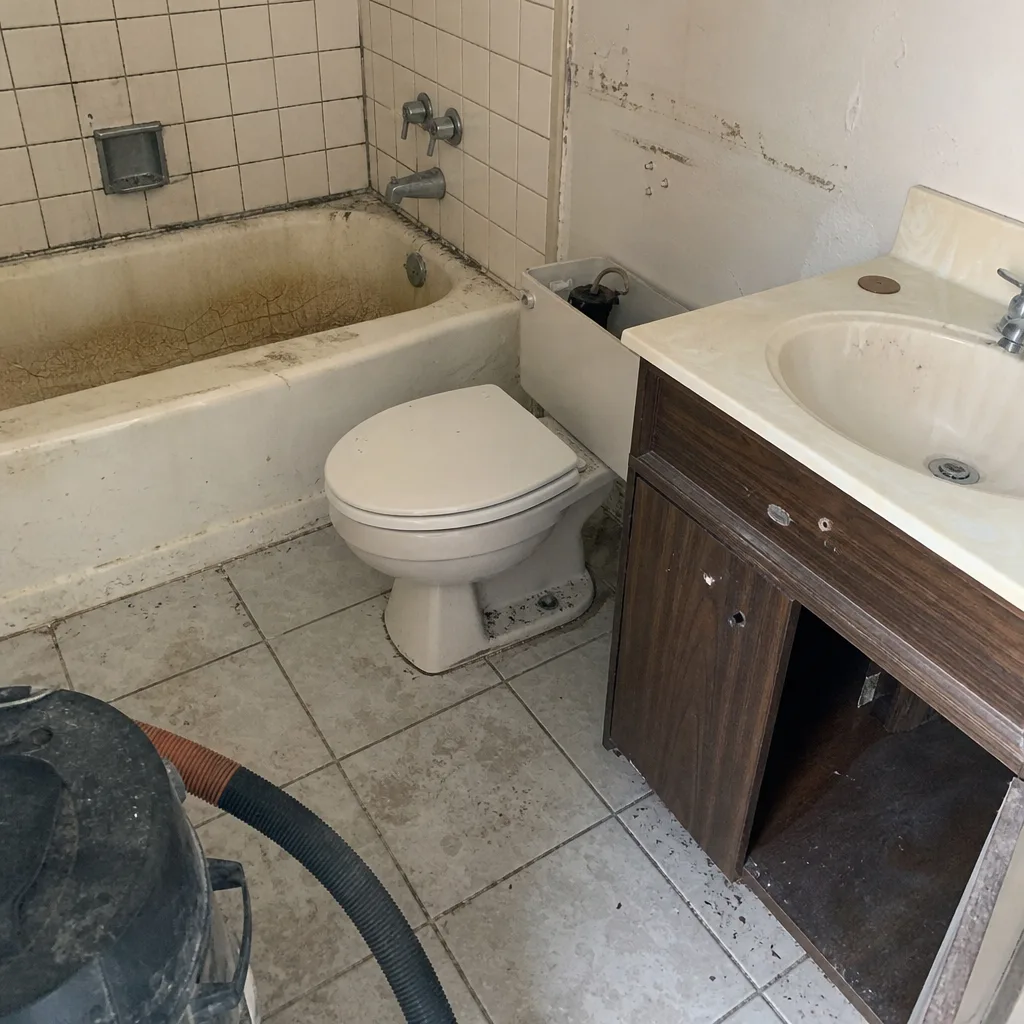 Before
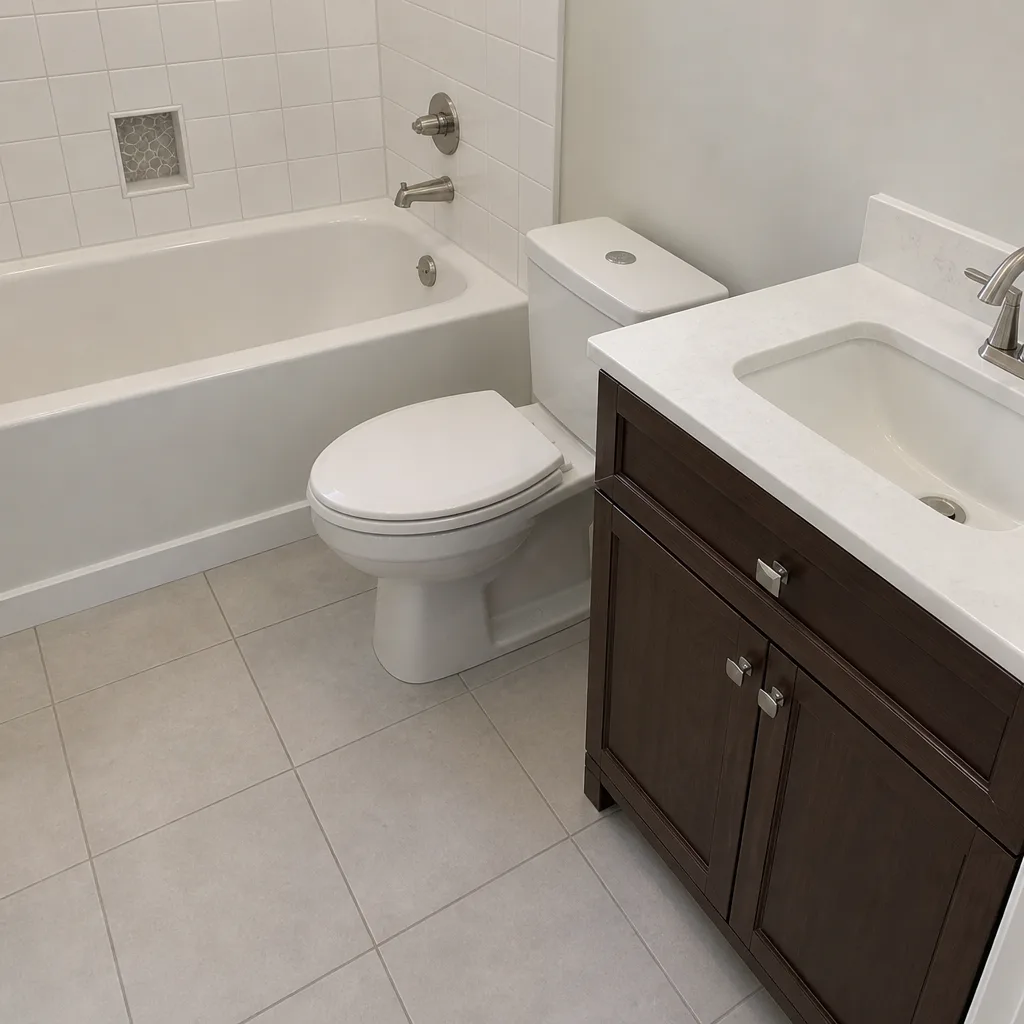 After
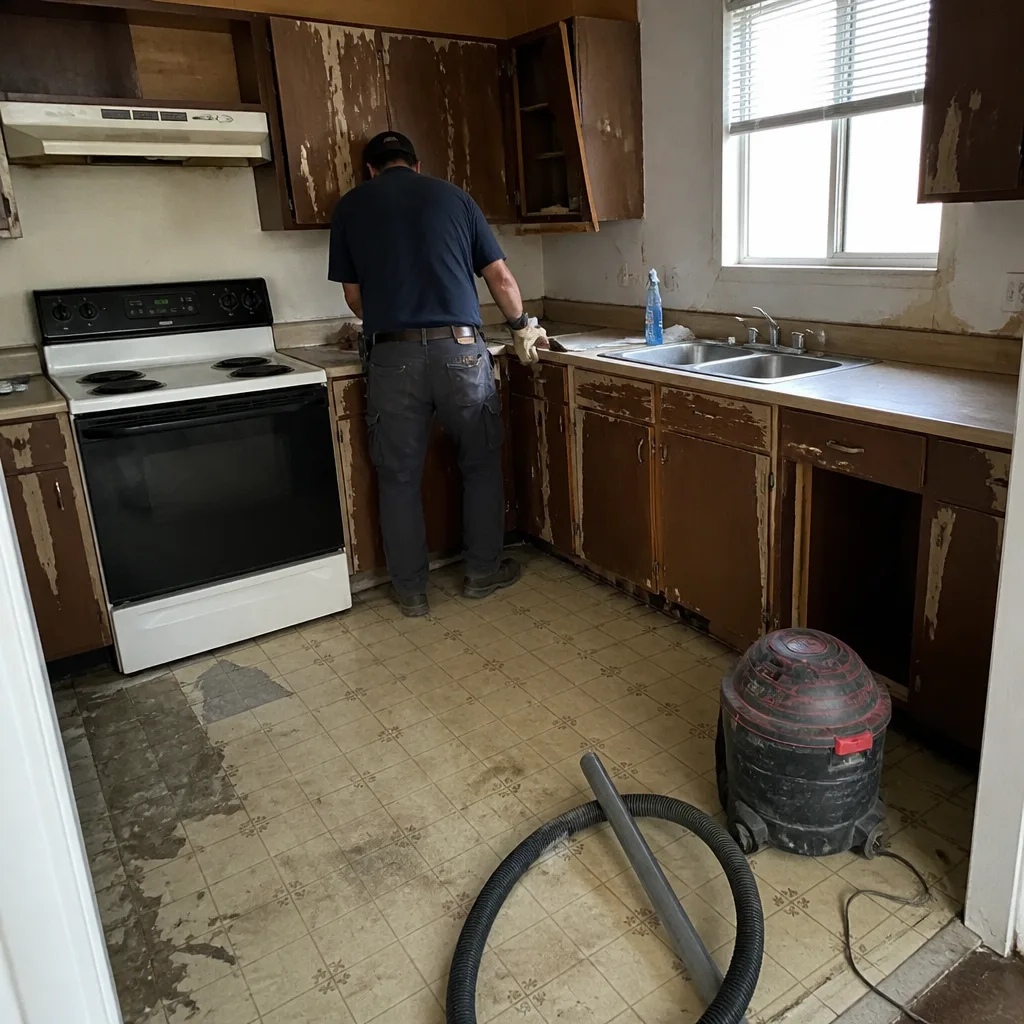 Before
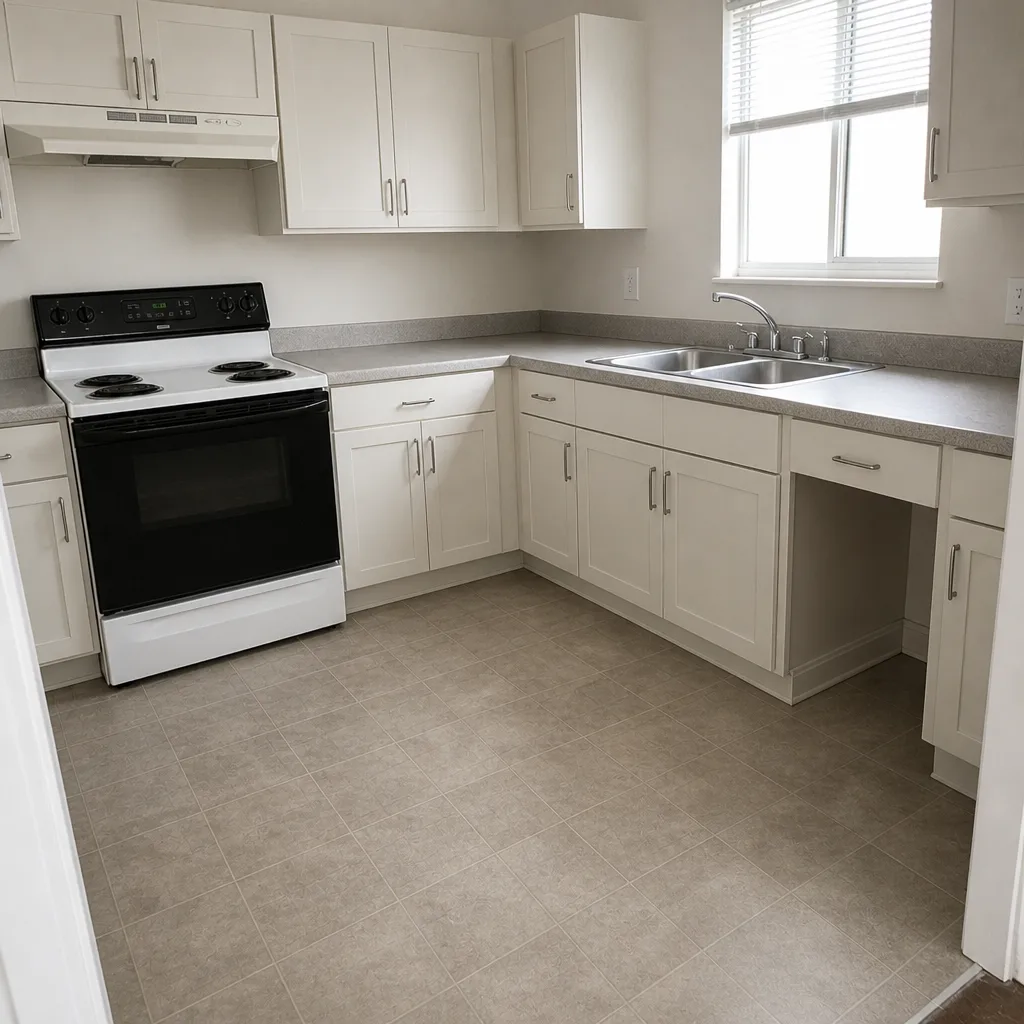 After
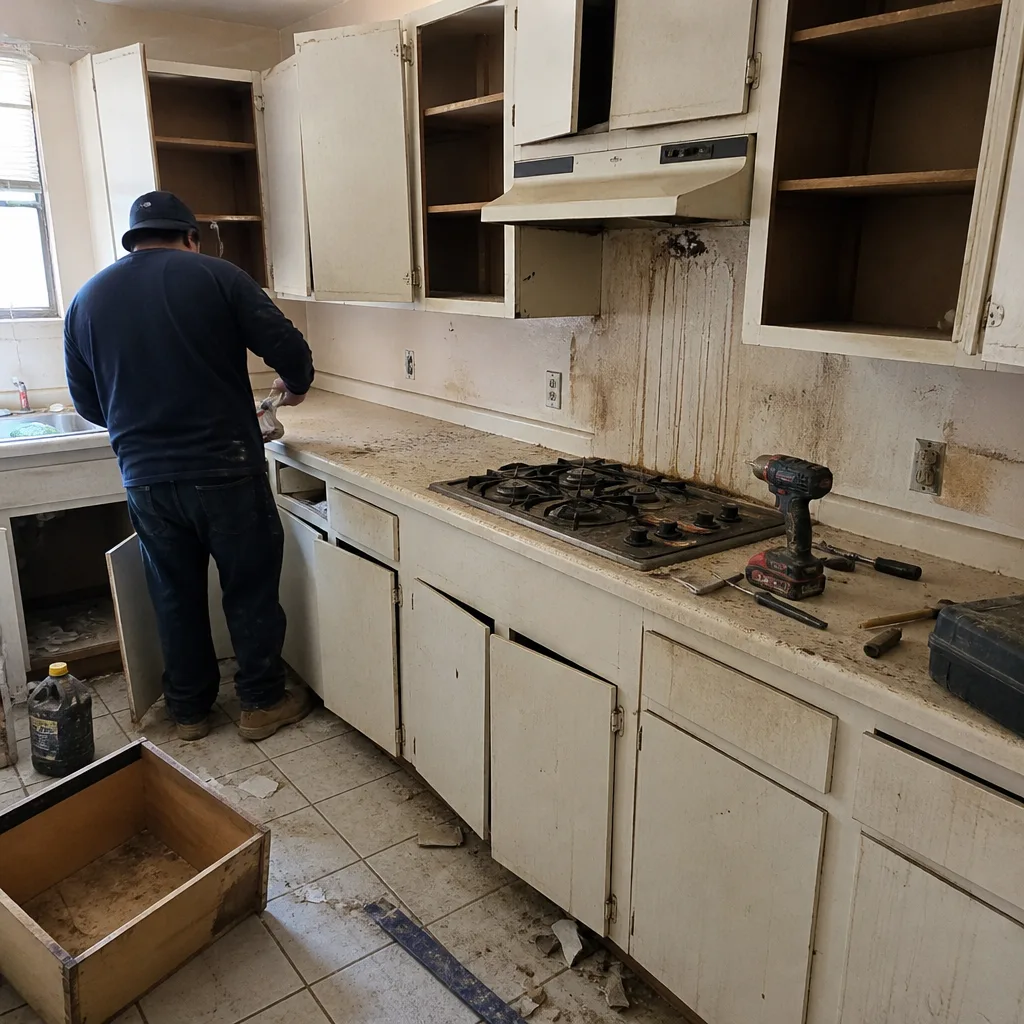 Before
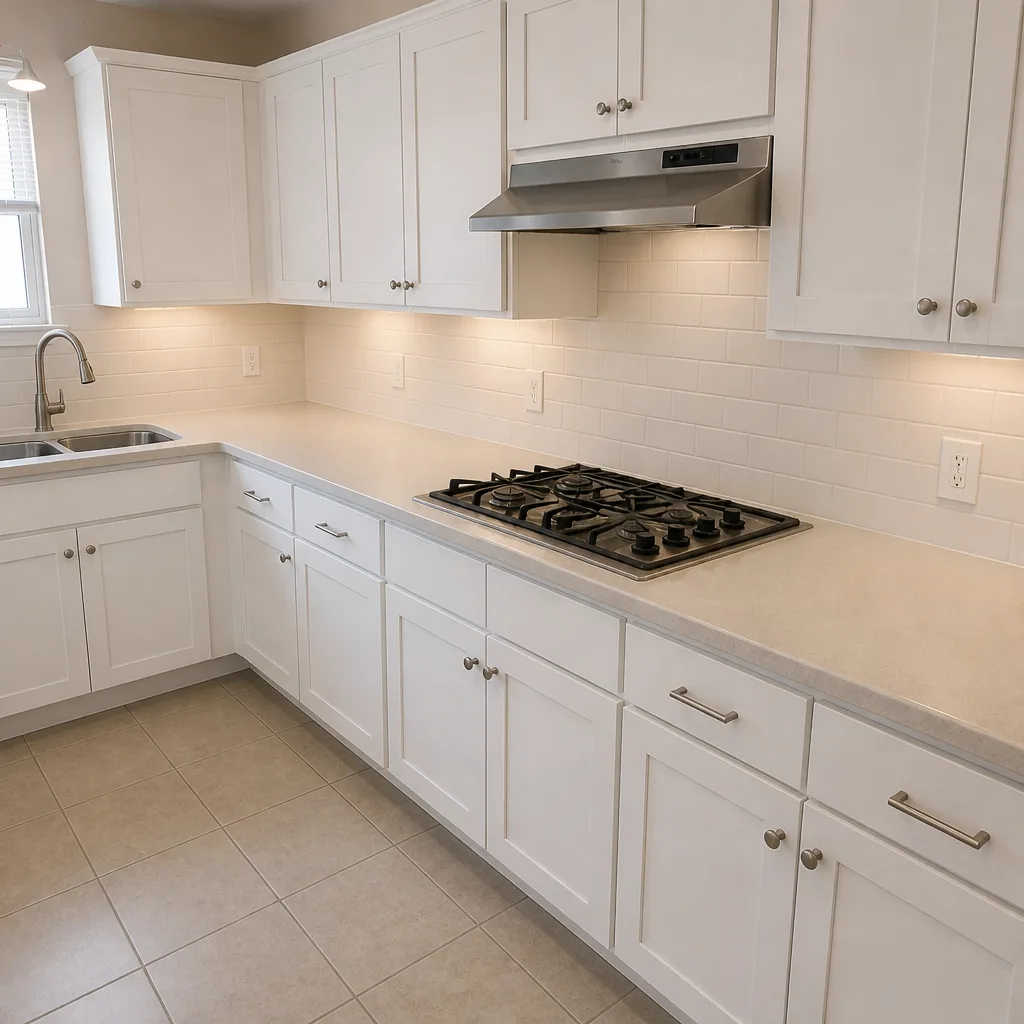 After
How Long Does a Roof Last in North Las Vegas, NV? Shorter Than the Label Says
Most asphalt shingles sold as “30-year” roofs actually last 18-22 years in North Las Vegas, and 3-tab shingles realistically deliver 10-14 years. A concrete tile roof holds 25-35 years if the underlayment is maintained, and standing seam metal runs 40-50 years. The manufacturer’s label is a lab-tested figure, not a desert figure. The gap between the two is the single most expensive misunderstanding we correct on North Las Vegas roofs, and this page breaks down the math so you can see it for yourself.
Groundwork Construction Co. of North Las Vegas works on roofs across a city with a UV index that holds at 10-11 for roughly half the year and rooftop surface temperatures that climb past 170°F in July. If you’d rather have a trained eye read your roof than guess at its age, call (844) 797-5026 and a live person picks up, day or night. Estimates are free and there’s no pressure to book anything.
Key takeaways
- National shingle ratings don’t account for the UV, heat cycling, and wind loads that hit North Las Vegas roofs all at once.
- On tile and shingle roofs, the underlayment usually fails long before the material you can see.
- Tract homes built after 1995 in Aliante, Valley Vista, and Tule Springs are entering their first full replacement window right now.
- The first two years after installation are when workmanship defects show up.
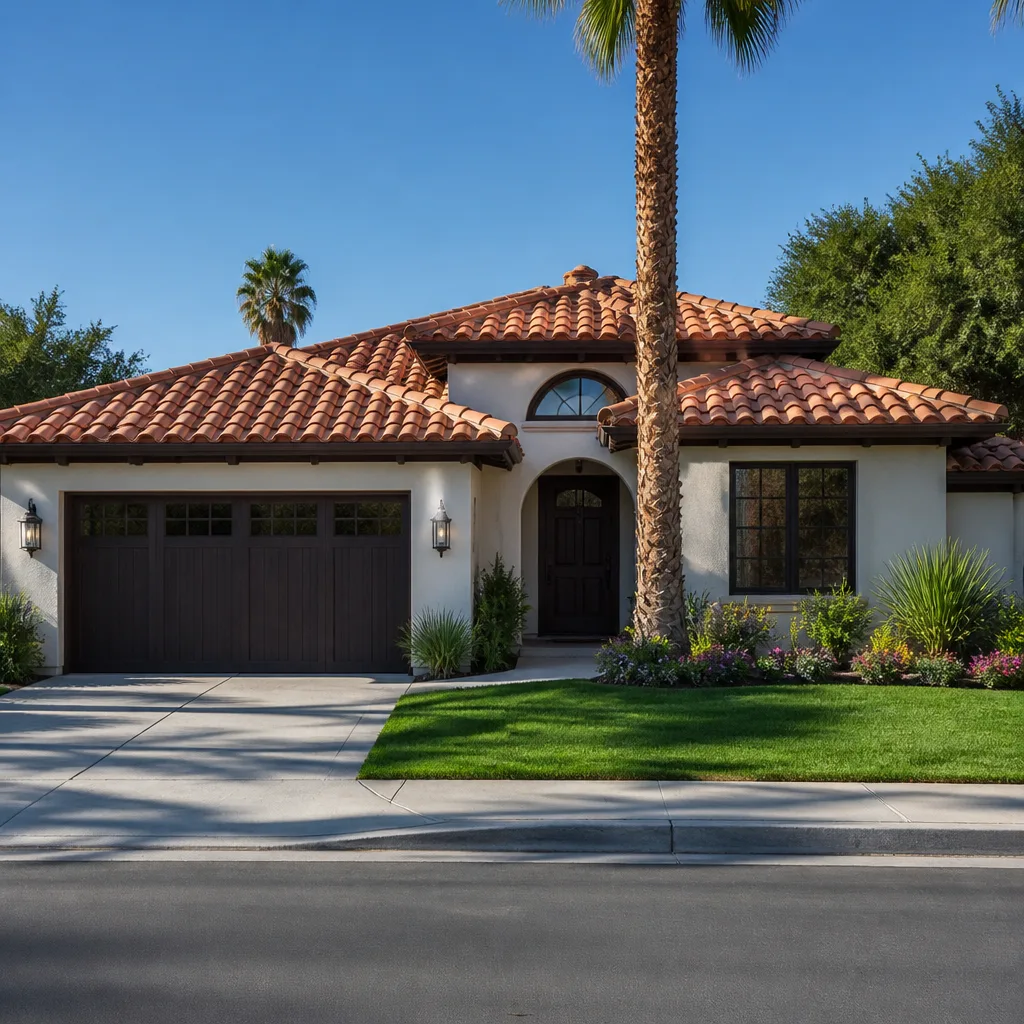
Why the “30-year shingle” math doesn’t work in North Las Vegas
The lab conditions behind an architectural shingle’s rating look nothing like a North Las Vegas rooftop. Testing assumes moderate UV exposure, limited temperature swings, and no sustained wind. Here in the valley you get three accelerators running at the same time:
- UV index 10-11 for six months. One of the highest sustained UV loads in the country. UV breaks down the asphalt binder that holds the shingle together, so the surface goes brittle and starts to granulate faster than the label ever projects.
- Extreme thermal cycling. Summer highs routinely top 105°F, and the roof deck itself gets hotter. Overnight lows in winter can drop into the 30s. That expansion and contraction, cycled hundreds of times a year, works every seam and fastener.
- High-wind exposure. North Las Vegas sits in a high-wind zone, and wind events regularly top 60 mph. The city enforces stricter wind-uplift requirements than neighboring jurisdictions, which is why fastening method and ridge details matter more here than they do almost anywhere else.
Here’s how the adjustment plays out on paper. The numbers are our working estimates based on what we see on North Las Vegas roofs, not manufacturer claims:
| Roof type | Manufacturer rated life | Realistic life in North Las Vegas | Why the gap |
|---|---|---|---|
| 3-tab asphalt shingle | 25 years | 10-14 years | Thin profile, high granule loss under UV; should not be installed under current North Las Vegas wind code |
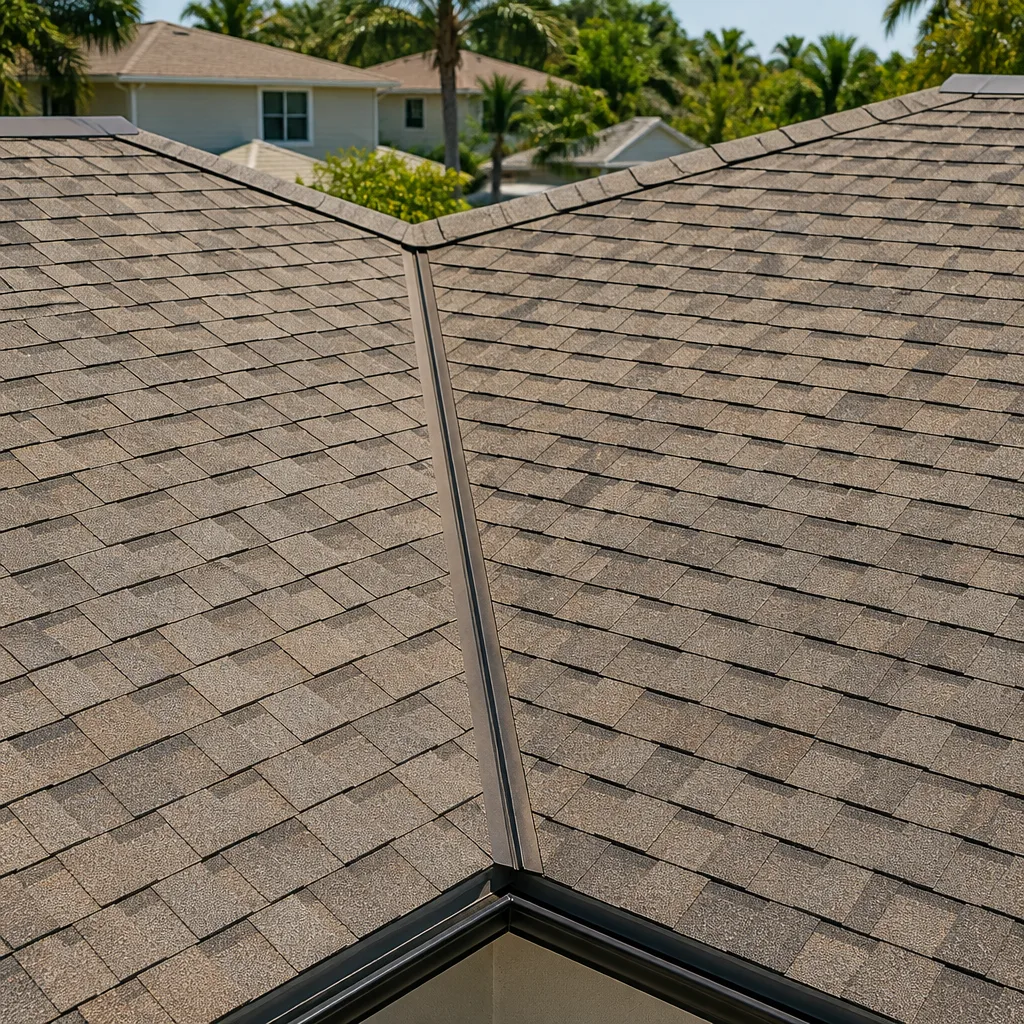
| Architectural shingle | 30 years | 18-22 years | Heavier mat holds up better, but UV and thermal cycling still cut the label figure roughly 30-40% |
| Concrete tile | 50 years | 25-35 years | Tiles survive; the underlayment beneath them does not |
| Standing seam metal | 50+ years | 40-50 years | Best thermal performance and reflective coatings resist UV breakdown |
The takeaway: ask for a roof’s expected service life in North Las Vegas terms, not in manufacturer terms. If a bid hands you a “30-year” number and stops there, that’s a sign nobody has done the local math.
What about the underlayment you can’t see?
On tile and shingle roofs, the underlayment is the waterproofing layer beneath the visible surface, and in North Las Vegas it’s the part that fails first. Standard #30 felt underlayment breaks down in roughly 15-20 years under desert heat. The tiles or shingles on top may look fine while the layer keeping water out is already brittle and cracking. That’s how a “perfectly good” tile roof ends up leaking into an attic in the middle of monsoon season.
You can catch the problem before a full tear-off if you know what to look for. Watch for:
- Water staining on attic sheathing or rafters, especially after a summer storm.
- Lifted or cracked tiles after a wind event, which expose the underlayment beneath.
- Granule piles in gutters and at downspouts, a sign the shingle mat is shedding its protective surface.
- Daylight showing through the roof deck from inside the attic.
- Ceiling stains that appear low on a wall, which can point to water traveling along the deck before it shows.
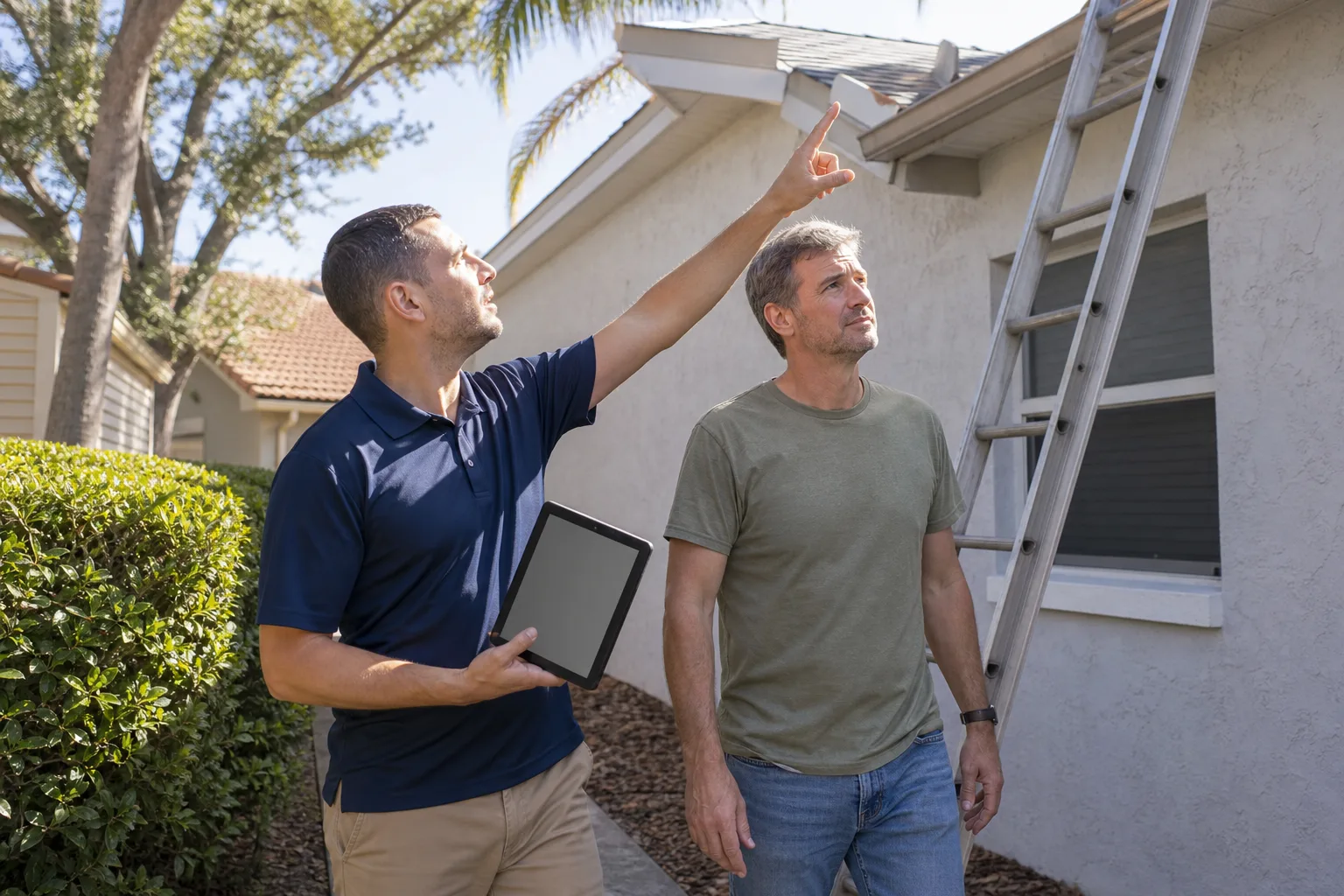
None of these are things to climb up and fix yourself. Roof work means steep-slope height and heat exposure, and it’s a job for a trained professional, not a weekend ladder project. If you’re seeing any of the signals above, a roof inspection will tell you whether you’re looking at a repair or a replacement.
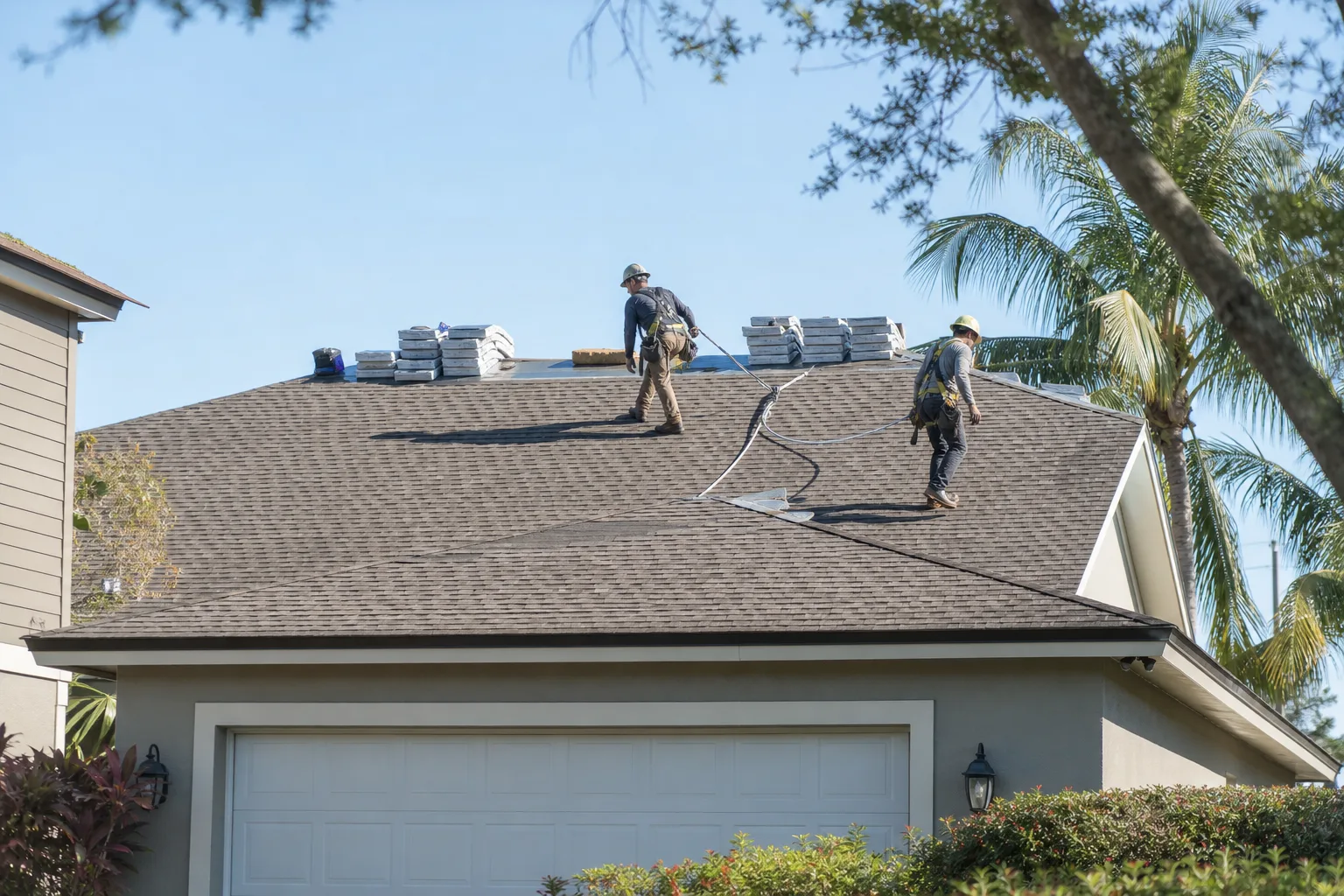
The post-1995 tract homes are hitting their first replacement window
If your house sits in Aliante, Valley Vista, Tule Springs, or one of North Las Vegas’s other master-planned communities and was built in the late 1990s or early 2000s, you’re in the middle of the largest roof-replacement wave this city has seen. Those subdivisions went up fast in an era of rapid new-construction permitting, so hundreds of nearly identical roofs are all aging at the same rate on the same streets. That first replacement is landing right now, not a decade from now.
In the city’s older core around Downtown and Rancho, the story is different. Half-century-old ranch homes tend to have roofs that have already been replaced at least once, often over decking that’s showing its age. Either way, it pays to know where you stand before weather forces the decision. Our Roofing team handles both scenarios, from single-story ranch re-roofs to two-story tract replacements across the northern subdivisions.
Why the first two years matter most
Almost every installation defect shows up within the first two years: flashing that wasn’t seated right at a valley or chimney, fasteners driven wrong under high-wind uplift, ridge cap that lifts in a summer gust. After that window, a roof’s failures tend to be age-related wear. During it, they’re workmanship, and workmanship is what a written guarantee is for.
That’s where the 730-Day Done Right Promise earns its keep. If the roof we install isn’t done right, we make it right. It’s one of the longest workmanship guarantees in residential construction, and we back it with a phone line that puts a live person on the line 24/7. When a monsoon leak hits at 2 a.m. in month 14, you don’t want a voicemail box. You want a human who can get a crew out. Every technician is background-checked and arrives in uniform, and the material lineup leans on trusted names like GAF and CertainTeed so the warranty on the product matches the guarantee on the labor.
What roofing work costs in North Las Vegas
Pricing surprises are the other thing that rattles homeowners. Our upfront pricing means the number you see is the number you pay. Here’s what the market looks like:
- Roof replacement: $8,000-$20,000
- Metal roof installation: $15,000-$40,000
- Roof repair: $400-$1,800
- Tile roof repair: $600-$2,500
Standing promotions also help take the sting out of a roof that arrives earlier than expected: 0% financing for 18 months, plus $1,000 off projects over $10,000. For a homeowner on a mid-size replacement, that’s real money. Down the line, other projects work in on the same terms, from a North Las Vegas service area bathroom remodel to home additions and ADUs.
FAQs
In North Las Vegas, architectural shingles last 18-22 years, 3-tab shingles 10-14 years, concrete tile 25-35 years with underlayment upkeep, and standing seam metal 40-50 years. Every one of those is shorter than the manufacturer’s rating because UV, thermal cycling, and wind hit here together, not one at a time. If your roof is around 18 years old and you’re not sure, call (844) 797-5026 for a free inspection.
No. A 30-year architectural shingle realistically delivers 18-22 years in a North Las Vegas climate. The rating is a lab figure under moderate conditions, and this city’s UV index and July rooftop temperatures push wear well past that assumption. Call us for a straight read on your roof’s actual age and remaining life before you plan a replacement.
Repair wins when the damage is isolated, like a handful of lifted tiles or a flashing issue, typically $400-$1,800. Replace when the underlayment has failed across a wide area or the roof has passed 18 years on shingle or 25 on tile, since patching a worn-out roof just moves the bill. Call (844) 797-5026 and we’ll tell you which side of that line you’re on.
Often, yes. Because crews start early morning to beat the 105°F+ afternoons, scheduling moves fast in spring and early summer, and we answer calls 24/7 so you’re not waiting until Monday to get on the calendar. Call (844) 797-5026 for a free estimate and a realistic start date.
If you’d rather have it looked at, Groundwork Construction Co. of North Las Vegas offers a no-pressure assessment in North Las Vegas. Call (844) 797-5026 for a free estimate, upfront pricing, and a straight answer on how many good years your roof has left.
Written by the team at Groundwork Construction Co. of North Las Vegas, serving North Las Vegas, NV.