Free written scope consultation - allowances, timeline, and change-order rules on paper before a single trade is scheduled
Styles & brands we work with
- Kitchen remodeling
- Bathroom remodeling
- Home additions & ADU
- Roofing
- Windows & doors
- Driveway & pavers
- Fence
See the difference
 Before
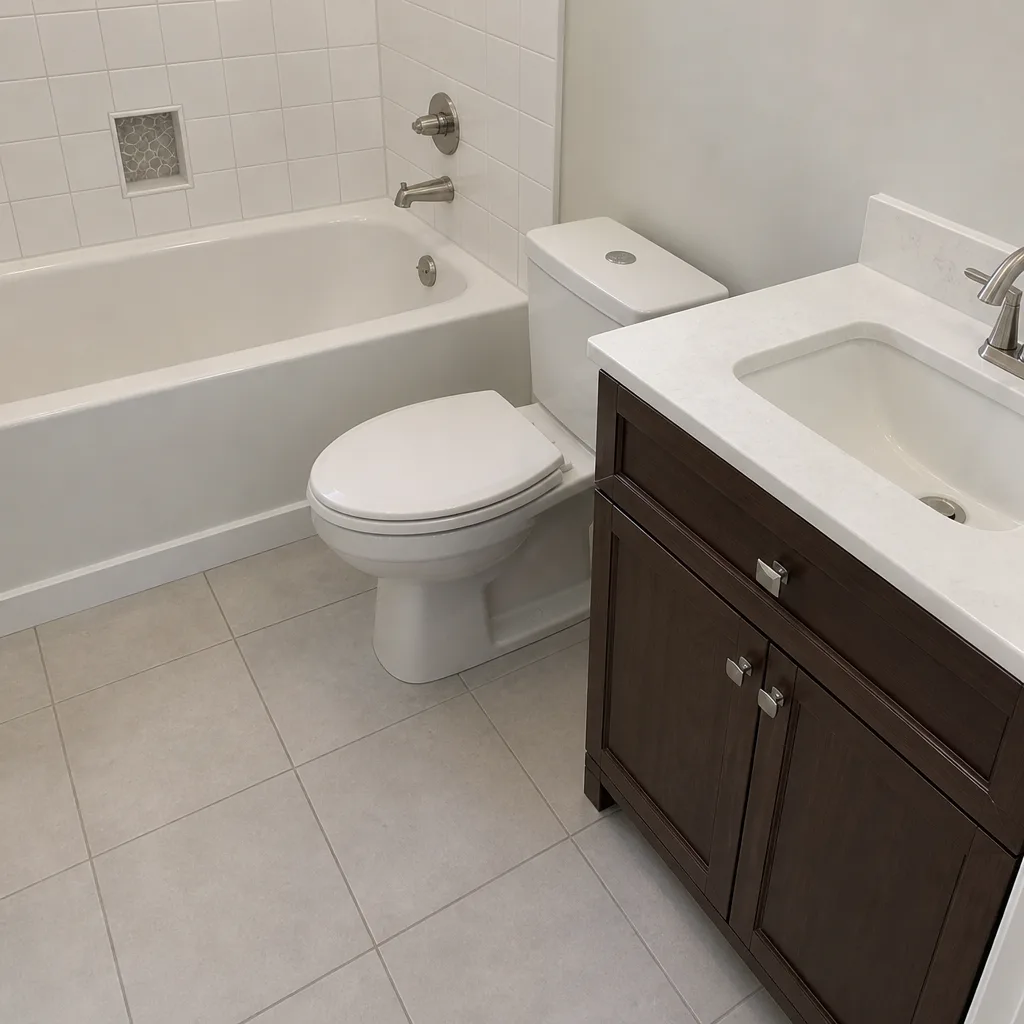 After
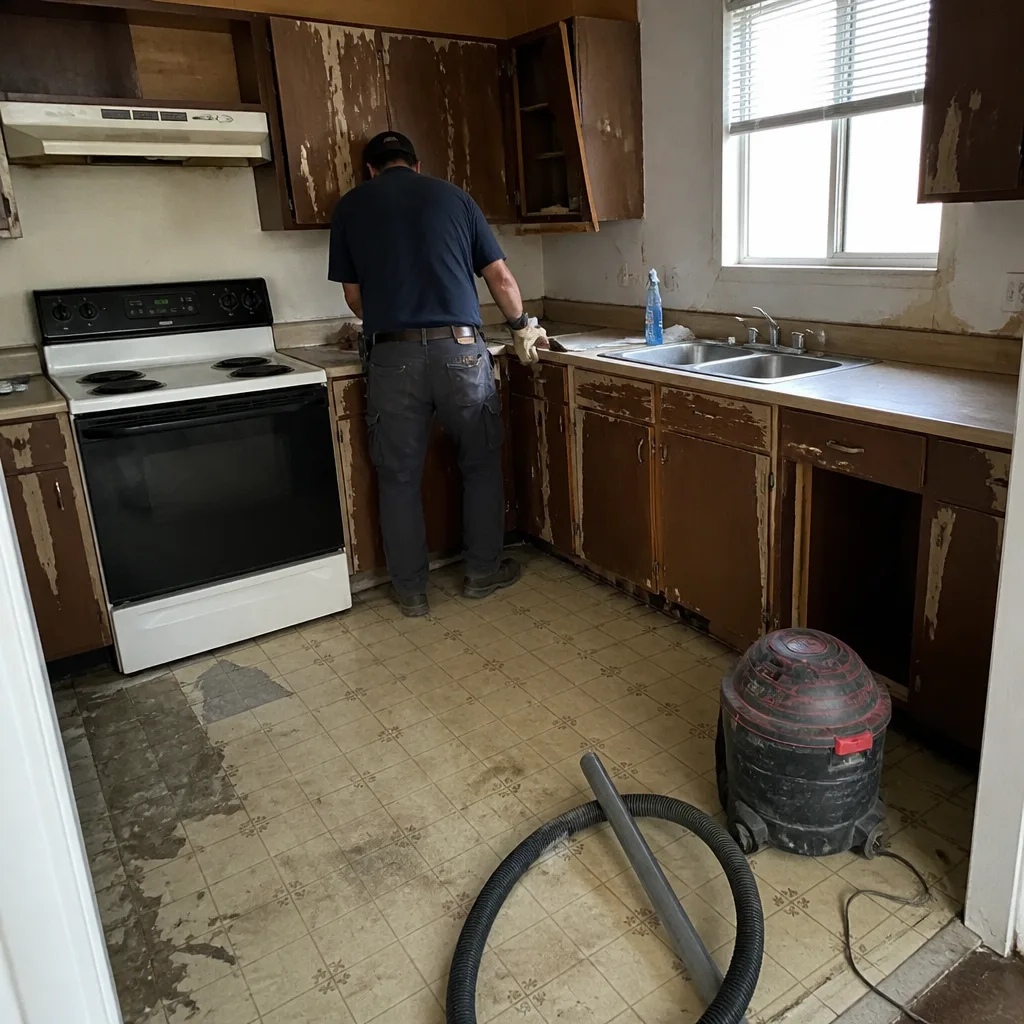 Before
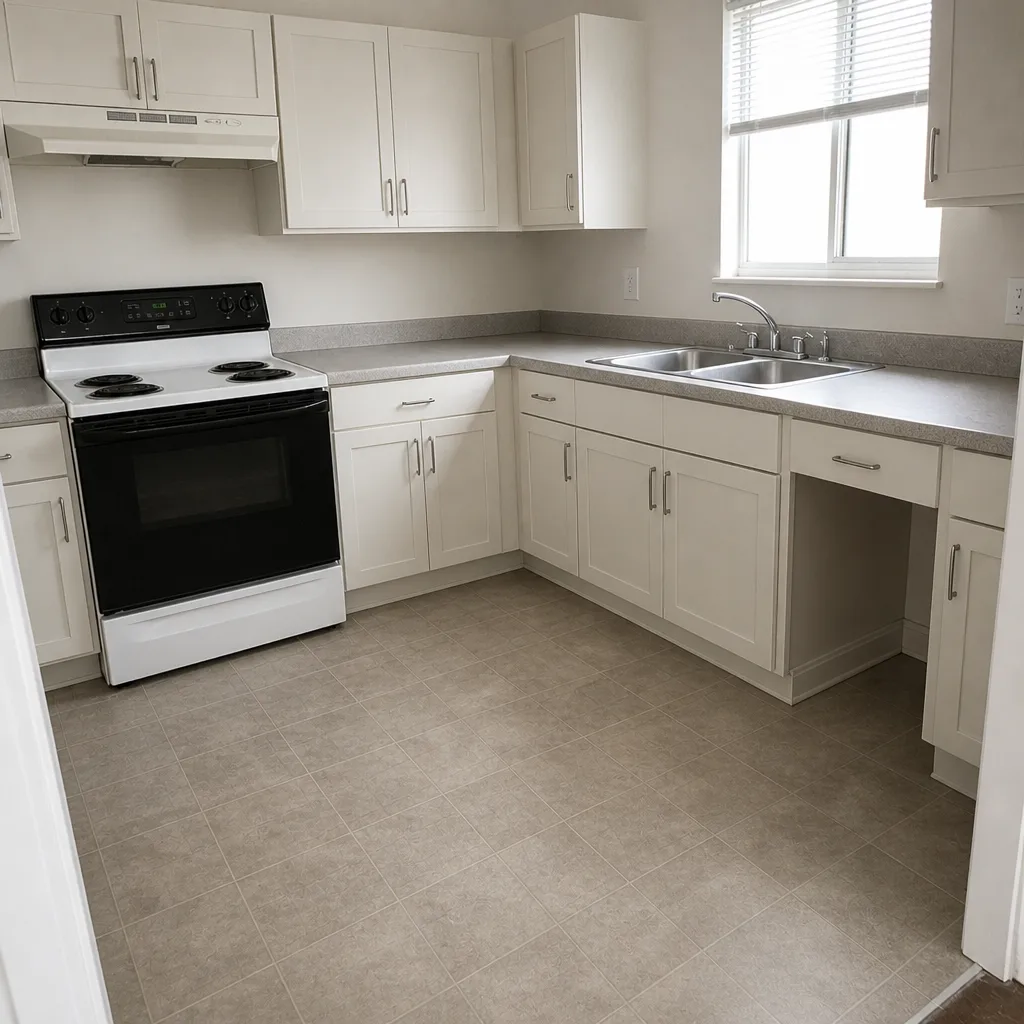 After
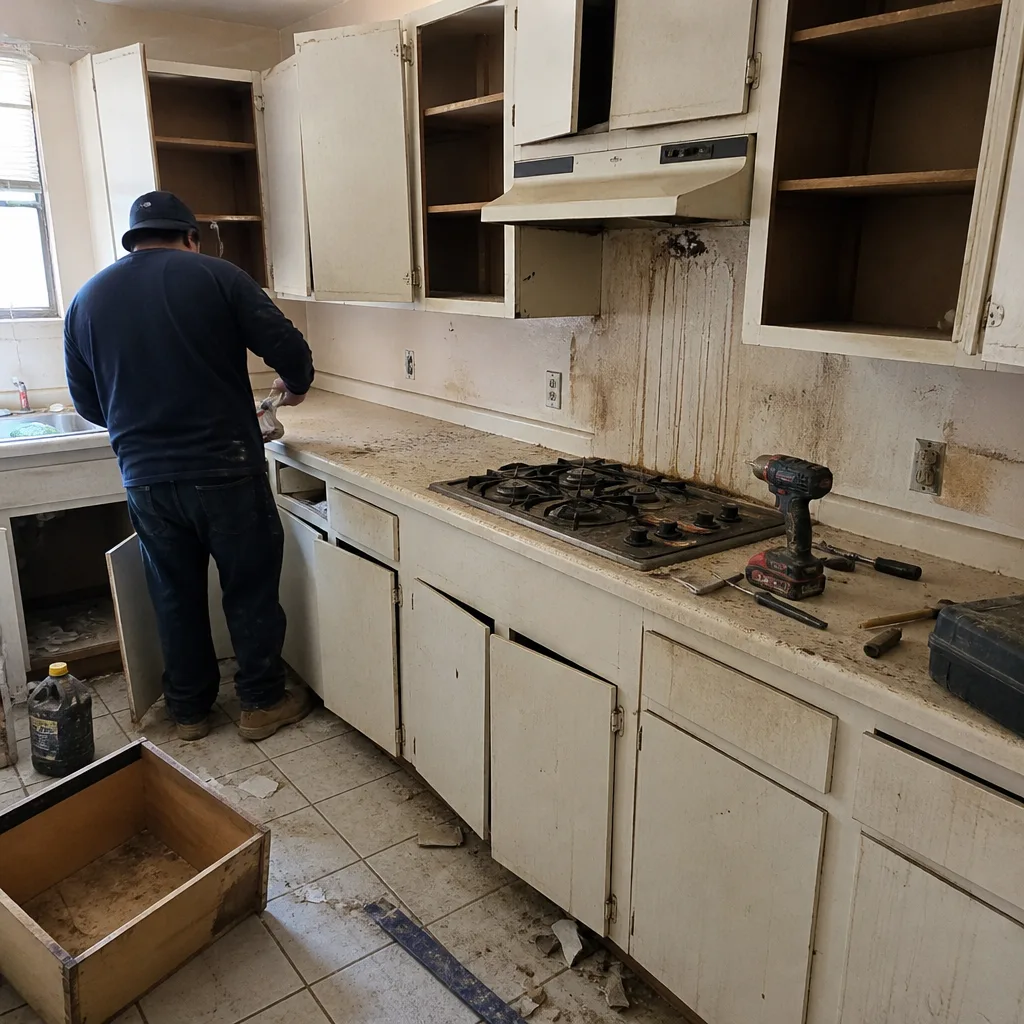 Before
 After
Do New Windows Save Energy in North Las Vegas? Yes, and Here’s the Desert Math
Yes. New windows save real energy in North Las Vegas, and more of it than the national averages suggest, because cooling load dominates your bill here. The standard figure quoted everywhere, that windows account for 10 to 25 percent of heating and cooling loss, was built from mixed climates where winter heat loss matters. In North Las Vegas, air conditioning runs 6 to 7 months a year at extreme setpoints, and west- and south-facing glass in a 1990s tract home can carry a much bigger share of your summer cooling bill than that national number implies. Fix the glass and you attack the load that actually costs you. Call (844) 797-5026 for a free window assessment and an upfront, written price.
Key takeaways
- Solar Heat Gain Coefficient (SHGC), not U-factor, is the number that matters most in North Las Vegas.
- On a west-facing wall in a 110°F summer, dropping SHGC from 0.40 to 0.22 cuts peak-hour radiant load by roughly a third.
- Sputtered (soft-coat) low-E holds its performance longer under sustained Mojave UV than hard-coat does.
- NV Energy’s on-peak summer window (noon to 7pm) makes each saved kWh worth more than the base rate.
- South and west glass pays back fastest; north glass pays back slowest, sometimes barely at all on energy alone.
Why SHGC Matters More Than U-Factor in the Mojave
Most energy articles lead with U-factor, which measures how fast heat escapes. In a Las Vegas Valley winter that’s fine. Here, the headline number is SHGC: the fraction of solar heat that comes straight through the glass as radiant load. It drives your afternoon AC runtime far harder than U-factor does in any month that matters.
Put real numbers to it. Take a typical west-facing window assembly, say 15 square feet, catching full afternoon sun in a North Las Vegas July. Peak solar irradiance on a west wall around 5pm runs near 250 to 300 BTU per hour per square foot. Bump that against SHGC 0.40 versus SHGC 0.22 and you get a difference of roughly 400 to 450 BTU per hour for that single window at peak. Multiply it across the west and south elevations of a 1990s two-story stucco tract home, where those elevations might total 120 to 180 square feet of glass, and you’re looking at several thousand BTU per hour of load you’re asking the AC to remove.
A nominal 3-ton system moves about 36,000 BTU per hour at rated conditions. Several thousand BTU per hour of avoidable radiant load is a meaningful chunk of that capacity, and it arrives exactly during peak hours, when the unit is already working hardest on a 110°F day. That’s not just higher bills. It’s longer runtime, more wear, and rooms on the west side that never quite catch up even with the thermostat fighting.
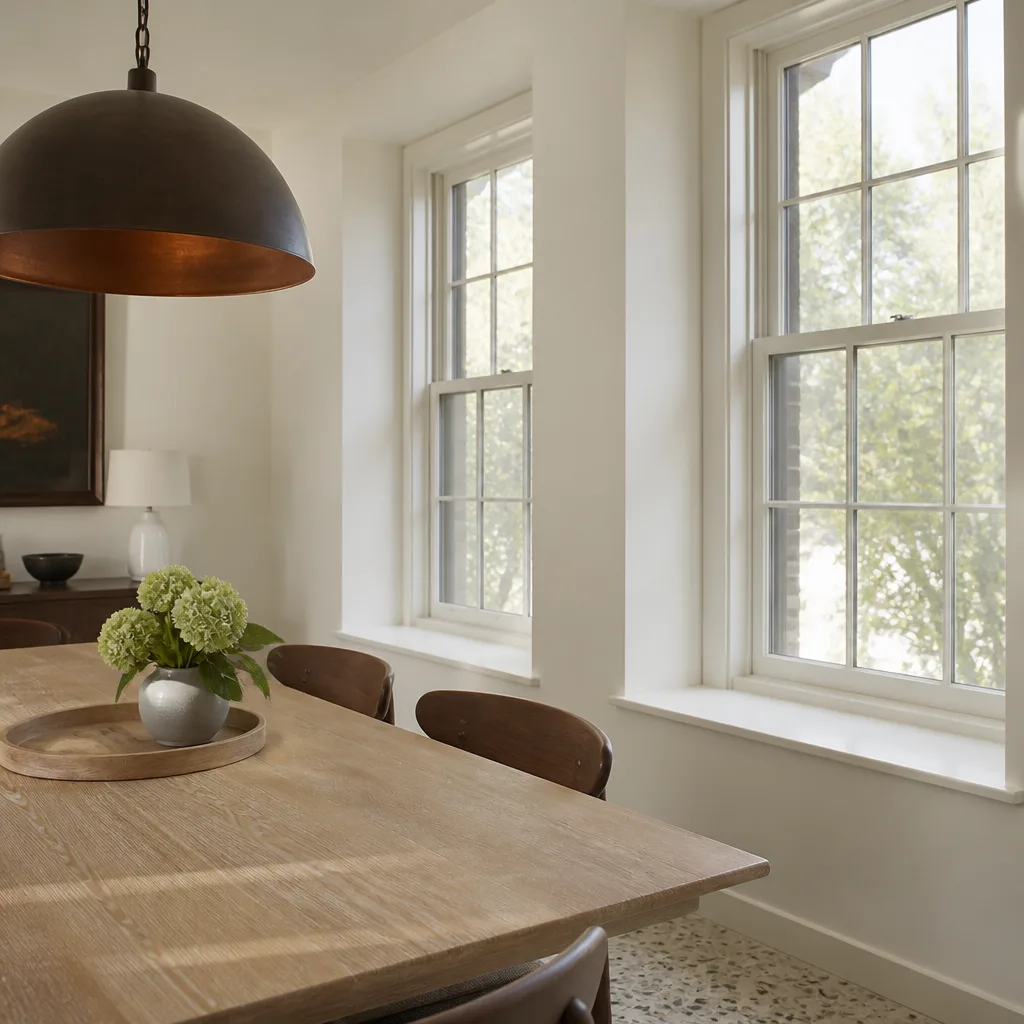
That’s why a spec conversation in North Las Vegas should center on SHGC selection by orientation, not a single “energy-efficient windows” label slapped on every opening. For where each room faces and how much glass it carries, our team works it window by window through Windows & Doors.
Low-E Coating: Why Soft-Coat Holds Up Longer Here
Low-E coatings are the other half of the equation, and the type matters in a high-UV desert in a way general guides rarely address. There are two families:
- Pyrolytic (hard-coat) low-E: baked into the glass at manufacture, durable and easy to handle, with a somewhat higher emissivity and lower overall solar control.
- Sputtered (soft-coat) low-E: a thin metallic deposit applied in a vacuum, giving better solar control and lower emissivity, but requiring careful handling and, in some products, sealed insulated units.
Under sustained Mojave UV and heat cycling, soft-coat products from Andersen and Marvin are engineered and warrantied for exactly this environment, and their emissivity performance holds up over time. That’s a spec detail flat energy-savings articles skip. It isn’t just about which coating is theoretically better; it’s about which one keeps performing after a decade of 110°F summers and 300-plus days of sun a year. Ask what’s actually in the unit, not just whether it’s “low-E.”
The NV Energy Angle: On-Peak Hours Change the Payback Math
Here’s the piece national payback tables miss. NV Energy’s summer rate structure charges more during on-peak hours (roughly noon to 7pm on weekdays), which is exactly when west and south glass is loading your AC. That means each kWh you shave during peak hours is worth more than the base rate, not less. The savings math tilts further toward high-performance glass in North Las Vegas than a national average built on flat-rate utility assumptions would suggest.
So the honest payback picture:
- South and west-facing windows in a 1990s or 2000s tract home: the shortest energy payback of any orientation here. These are where the performance upgrade earns its keep.
- East-facing: moderate. Morning sun is real but shorter-lived than the western afternoon blast.
- North-facing: minimal cooling impact in this climate, so the energy payback is long and sometimes thin on its own. Replace north glass for looks, seal failure, or comfort, but don’t expect it to pay for itself on energy alone.
That orientation-by-orientation honesty is something a national payback number (often quoted at 20 to 30 years for all windows equally) flattens out. In North Las Vegas, performance windows on a south/west-heavy home can beat that window. The same upgrade on a home whose glass is mostly north cannot.
How Groundwork Makes the Savings Work From Day One
New windows here fall in a real price band: window replacement runs $4,500 to $15,000, and impact window installation runs $8,000 to $25,000 depending on count and spec. Groundwork Construction Co. of North Las Vegas pairs that with no-hassle upfront pricing, meaning the number you see is the number you pay, and 0% financing for 18 months.
Walk through a simplified scenario. Say your west- and south-facing performance upgrade runs about $2,000 more than a basic build, financed at 0% for 18 months. That works out to roughly $111 a month during the interest-free period. If the upgrade shaves peak-hour cooling load meaningfully on a west-heavy home, part of that monthly cooling savings lands while the financing is still interest-free. The savings don’t wait for payback; they start the first summer. And every project carries the 730-Day Done Right Promise, so if something isn’t right, we make it right.
The split housing stock matters too. Tule Springs, Valley Vista, and Aliante have newer construction, often with better-rated glass already, where the win is more about fixing failed units or shading the hottest elevations. Older core neighborhoods near Downtown and Rancho more often have original single-pane glass, where the jump in performance is dramatic. Our technicians have up to 12 years of experience reading that difference on a home before quoting anything.
| Item | Typical range |
|---|---|
| Window replacement (full home) | $4,500 - $15,000 |
| Impact window installation | $8,000 - $25,000 |
| Peak-hour cooling savings, south/west heavy home | Shortest payback here |
| Peak-hour cooling savings, north-heavy home | Minimal; replace for other reasons |
For a full picture of what we handle across the region, see our North Las Vegas service area page and the rest of our work at home. Windows and doors sit alongside roofing and structural work in our scope, so if a failing window is part of a larger exterior project, it’s one team and one warranty. If you’re weighing an exterior refresh at the same time, our notes on roofing explain how solar gain and wind uplift interact up top.
FAQs
Yes, and they save more than national estimates suggest because cooling load dominates here. The key is downgrading SHGC on your south and west glass, which cuts radiant heat and shortens AC runtime during the hottest, most expensive hours. If your home dates to the 1990s or 2000s and has original single-pane or early dual-pane glass on those elevations, the savings are real and start the first summer. Call (844) 797-5026 for an exact quote; estimates are free.
Window replacement in North Las Vegas typically runs $4,500 to $15,000, and impact window installation runs $8,000 to $25,000 depending on window count and spec. The number that keeps the savings honest is SHGC, not just “energy-efficient” on the label. We quote upfront, and the price we give is the price you pay. Call (844) 797-5026 for a free estimate on your actual window count.
West- and south-facing windows with low SHGC and soft-coat low-E save the most, because that’s where afternoon solar load lands hardest. A west-facing window dropping from SHGC 0.40 to 0.22 sheds several hundred BTU per hour per window at peak, and that adds up fast across a west-heavy home. North glass barely moves the needle, so don’t let anyone sell it as an energy win. Call (844) 797-5026 to map the right spec to each elevation.
Replace when the seal has failed (fogging between panes), when you have single-pane glass on south or west walls, or when frames are warped; repair when it’s a hardware, weatherstrip, or glazing issue on otherwise solid units. Failed seals mean the gas fill and coating performance are already gone, so repair won’t recover the energy savings. Call (844) 797-5026 for a straight assessment of which side of that line your windows are on; estimates are free.
High-performance windows have to arrive as a matched system: the right SHGC, the right low-E type, installed and sealed correctly for a desert exterior. Doing that badly costs you comfort and money. If you’d rather have it looked at, Groundwork Construction Co. of North Las Vegas offers a no-pressure assessment in North Las Vegas. Call (844) 797-5026 to schedule a free estimate and design consult, and take advantage of $1,000 off projects over $10,000.
Written by the team at Groundwork Construction Co. of North Las Vegas, serving North Las Vegas, NV.