Last updated November 18, 2026
Free written scope consultation - allowances, timeline, and change-order rules on paper before a single trade is scheduled
The Complete Windows & Doors Guide for North Las Vegas Homeowners
A window rated for Chicago winters will fail your North Las Vegas home in a completely different way, and most window salespeople don’t know the difference. Here’s the counterintuitive part: the rating that matters most on a Chicago window is how little heat escapes. Here, the number that matters most is how much heat it keeps out. Those are different specs, tested on different assumptions, and plenty of replacement windows sold in North Las Vegas are optimized for the wrong one. This guide covers what actually holds up in 115°F summers, which windows are legally compliant under Nevada code, why frame material matters more here than almost anywhere else, and how to read the numbers before you sign. We’ll also cover doors, weatherstripping failure, and the rebates and tax credits North Las Vegas homeowners can claim right now.
Quick Answer
For North Las Vegas, the right replacement window is one with a low Solar Heat Gain Coefficient (SHGC) – roughly 0.25 or lower is a strong target for west- and south-facing glass – paired with a frame that won’t warp or conduct heat, typically fiberglass or a quality multi-chamber vinyl. Windows and doors here need to satisfy Nevada’s Title 24 energy code for the climate zone, which limits how much solar heat your glazing can let through. Get the SHGC and frame material right and you’ll cut cooling load and stretch the replacement cycle; get them wrong and you’ll feel it on every July power bill.
Styles & brands we work with
- Kitchen remodeling
- Bathroom remodeling
- Home additions & ADU
- Roofing
- Windows & doors
- Driveway & pavers
- Fence
Table of Contents
- Why North Las Vegas Windows Face a Different Test Than Anywhere Else
- Nevada Title 24: What Windows Are Actually Legal to Install
- SHGC Explained in Plain Language (And the Number to Aim For)
- Vinyl vs. Fiberglass vs. Aluminum: How Each Frame Survives the Heat
- Doors, Weatherstripping, and the HVAC Load You Don’t See
- Rebates and Tax Credits for North Las Vegas Homeowners
- How a Window or Door Replacement Actually Runs
- What Windows and Doors Cost in North Las Vegas
Why North Las Vegas Windows Face a Different Test Than Anywhere Else
Most window marketing is built around heating climates. The tests and the talking points assume you want to keep warmth inside. North Las Vegas inverts that. From June through September, outdoor temperatures routinely climb past 110°F, and the surface temperature of west-facing glass can run far hotter than the air around it. The battle isn’t keeping heat in. It’s keeping heat out, and doing it for decades without the frame, seals, or glazing giving up.
The geography compounds it. Much of North Las Vegas sits in open desert with little shade and steady sun exposure. Homes in Aliante and the older neighborhoods near downtown get different amounts of afternoon shading than the newer builds pushing north and east, but the common thread is direct, sustained solar gain on west and south elevations. That’s the exposure that drives cooling bills and the one where a poorly chosen window hurts most.
In our experience, the failures we see in North Las Vegas homes tend to cluster around sun-facing openings: seals that dry and crack, weatherstripping that pulls away, and vinyl sashes that have crept and no longer close flush after several summers. A window that performs fine on a shaded north wall can fail early on a west wall in the same house. This is why swapping “like for like” without checking the solar specs is a gamble here, and it’s why we walk every elevation before recommending anything.
There’s a comfort dimension too. A high-SHGC window on a west wall radiates heat inward even after the sun drops, so rooms stay warm into the evening. Homeowners in North Las Vegas often describe the back bedroom or the room over the garage as “always hot,” and a surprising share of that comes down to the glass and the frame, not the air conditioner.
Nevada Title 24: What Windows Are Actually Legal to Install
Nevada’s Title 24 energy code sets minimum requirements for windows and doors, and replacement work is subject to it. The specifics depend on your climate zone and the scope of the project – a full-house window replacement is treated differently than swapping one failed unit. The takeaway for a North Las Vegas homeowner is simple: replacement windows need to meet the code’s prescriptive requirements for U-factor and Solar Heat Gain Coefficient, and a legitimate installer documents that compliance.
Here’s the part competitors miss. You can’t rely on a window’s general reputation – “it’s an Energy Star window” isn’t enough on its own, because the qualifying numbers differ by region. A window that earns the label in a northern climate may have an SHGC that’s too high for ours. What matters is the specific rating on the specific model you’re installing.
Practical steps to stay compliant and protected:
- Ask for the manufacturer’s spec sheet showing U-factor and SHGC for the exact model, not the product line generally.
- Confirm the installer will pull the required permits and that the work will be inspected where the scope calls for it.
- Keep the NFRC labels or spec sheets with your project paperwork – they’re your proof if you ever sell the home.
- Have the installer note the code compliance in the written quote, so it’s on record before work starts.
North Las Vegas has seen a lot of housing built across several decades, and older homes often carry single-pane or early double-pane glass that falls well short of current code. When we replace windows on those homes, meeting Title 24 isn’t a box to check – it’s a real upgrade in efficiency. Because Groundwork pulls permits and stands behind the work with our 730-Day Done Right Promise, the compliance piece is handled, not hand-waved. If you’re weighing a bigger envelope upgrade, our Groundwork Construction Co. of North Las Vegas home page covers the full scope of what we build and replace.
SHGC Explained in Plain Language (And the Number to Aim For)
Solar Heat Gain Coefficient, or SHGC, is the fraction of solar energy that passes through a window as heat. It runs from 0 to 1. A lower number means less heat gets in. Plain-language version: SHGC is your window’s sun-blocking score, and on a west wall in North Las Vegas, it’s the single most important number on the label.
Here’s what the values look like in practice, and where to aim based on orientation:
- West-facing glass: This is your worst exposure – full afternoon sun. Target SHGC of 0.25 or lower. Many quality low-e double-pane units land in the 0.22-0.28 range.
- South-facing glass: Strong winter gain but heavy summer load. SHGC around 0.25-0.30 balances the seasons.
- East-facing glass: Morning sun only. A slightly higher SHGC (up to about 0.35) is often acceptable without hurting comfort.
- North-facing glass: Minimal direct sun. You can go higher on SHGC and prioritize other specs like clarity and U-factor.
Two traps to avoid. First, don’t let a single SHGC number apply to every window in the house – a good plan varies by elevation. Second, don’t overcorrect to the point of making rooms gloomy. Very low SHGC also blocks visible light, and we’ve walked into North Las Vegas homes where a previous installer used the darkest tint available on every pane and turned a bright kitchen into a cave. The right answer is orientation-specific, and that’s a judgment call worth making with someone who knows the climate.
For doors with glass, the same SHGC logic applies to the glazed portion. A decorative front door with a big glass lite facing west can undo your window work if nobody checks the spec.
Vinyl vs. Fiberglass vs. Aluminum: How Each Frame Survives the Heat
Frame material gets overlooked, and in North Las Vegas it’s where a lot of windows fail early. Materials behave very differently under sustained heat and intense UV. Here’s how the three common options actually hold up here.
Vinyl is the most common replacement frame in the market, and quality vinyl can work. The catch is expansion. Vinyl expands and contracts noticeably with temperature swings, and after several desert summers that movement can stress the corners, loosen seams, and bow sashes enough that they no longer seal. Budget vinyl with thin walls is the worst offender. Good multi-chamber vinyl with welded corners holds up far better, but it’s not the most dimensionally stable choice in extreme heat.
Fiberglass is the material that earns its keep in our climate. It expands and contracts at a rate close to the glass it holds, so seals stay intact and the frame stays true over the replacement cycle. It’s stronger and stiffer than vinyl, tolerates heat without creeping, and holds paint and finish well. It costs more up front, and for a west-facing wall in North Las Vegas it’s often worth every dollar.
Aluminum is durable and thin, which makes it popular for large windows and sliding doors. But aluminum conducts heat efficiently – that’s the whole problem. A standard aluminum frame transfers outdoor heat straight inward, and it can get hot to the touch in full sun. Thermally broken aluminum (with a barrier separating the inside and outside faces) fixes most of that, but plain aluminum on a west wall is a poor choice for comfort in this climate.
Our short version: fiberglass for performance, quality multi-chamber vinyl for budget-conscious projects on shaded or north/east elevations, thermally broken aluminum for large glazed openings where slim frames matter – and avoid unbroken aluminum on sun-baked walls. Groundwork works with trusted brand partners like Andersen and Pella, so the frame specs are documented and matched to the elevation, not guessed.
Doors, Weatherstripping, and the HVAC Load You Don’t See
Windows get the attention, but doors are where a lot of heat quietly leaks. A typical exterior door has weatherstripping around the perimeter and a sweep or threshold seal at the bottom. In a desert climate, that weatherstripping takes a beating: constant UV exposure, big day-night temperature swings, dust, and dry air all degrade foam and rubber seals faster than in milder climates. When it fails, you don’t get a dramatic draft – you get a slow, invisible bleed of cooled air out and hot air in, all summer long.
What that costs you is real. A door with dried, cracked weatherstripping and a sagging sweep can leak enough conditioned air to add meaningful load to your HVAC system across a cooling season – and it’s often the last thing a homeowner checks when the power bill creeps up. We’ve seen North Las Vegas homes where one back door with failed seals was a measurable part of the summer bill, easily fixed for the price of a service call.
A quick check you can do yourself, no tools beyond a dollar bill:
- Close the door on a dollar bill at several points around the frame. If it slides out with no resistance, the seal is loose.
- Run a hand along the bottom sweep and the jamb on a hot afternoon – if you feel warm air moving inward, it’s leaking.
- Look for cracking, compression set (where the foam won’t spring back), or gaps at the corners.
- Check the threshold and sweep for sag or wear, especially on doors that get heavy daily use.
Replacing weatherstripping and sweeps on a sound door is inexpensive maintenance. Replacing the door itself is a different decision – entry doors, sliding glass doors, and patio doors are all subject to the same SHGC and frame considerations as windows. Hardware matters too; we’ve installed quality hinges and handles from brands like Delta and Moen, because on doors that see daily use, cheap hardware is the first thing to fail.
Rebates and Tax Credits for North Las Vegas Homeowners
There’s real money available to offset window and door upgrades, and it’s worth capturing before you commit. The two buckets are utility programs and federal incentives, and they can stack. Specifics and eligibility change, so confirm current terms before you buy – but here’s the landscape as it stands for North Las Vegas homeowners.
NV Energy programs. NV Energy runs residential efficiency programs that have historically included incentives for qualifying energy-efficient upgrades. Window and door incentives are typically tied to performance thresholds (the SHGC and U-factor figures we covered above), so the better your spec, the more likely you qualify. Check the current program terms directly, and keep your NFRC documentation ready, because that’s what they’ll ask for.
Federal tax credits. Federal energy efficiency tax credits have covered qualifying windows and doors, with eligibility tied to specific performance criteria and yearly caps. The rules change, and the caps are per-year, so timing the project can matter. Do the paperwork with the manufacturer’s certification statement in hand.
A practical sequence that avoids lost rebates:
- Confirm current NV Energy and federal eligibility before you order product.
- Choose windows that clear both thresholds, not just one.
- Keep every spec sheet, NFRC label, and receipt – these are your claim documents.
- Submit promptly; some programs have annual limits that fill.
Because our written quotes include the exact model and its ratings, they double as your rebate paperwork. If your project grows into a larger envelope upgrade, our Home Additions & ADU in North Las Vegas work is built to the same code and efficiency standards from the start.
How a Window or Door Replacement Actually Runs
Knowing the shape of the process removes most of the anxiety. A typical whole-house window project in North Las Vegas runs like this, and most single-window or single-door jobs are completed in a single visit.
- Walkthrough and measurement. We assess each opening, note orientation, and identify which windows are the real comfort problem. This is where the elevation-by-elevation SHGC plan gets built.
- Written, line-item quote. Every window, every door, its model and ratings, and the labor – upfront pricing with no surprises. You see the number before you commit.
- Permits. Where the scope requires it, we pull the permits so the work is code-compliant and inspected. This protects your investment and your home’s records.
- Installation. Background-checked, uniformed technicians handle the removal, sealing, and finishing. Most individual window replacements are done in a single visit; larger projects are scheduled in phases to fit your routine.
- Flashing and sealing. Proper flashing and a clean seal around each opening is the difference between a window that lasts and one that leaks. It’s not flashy, but it’s the core of the job.
- Final walkthrough. We walk every unit with you, demonstrate operation and seals, and leave you with the documentation for your rebates and records.
All of it is covered by our 730-Day Done Right Promise: if it’s not done right, we make it right. We can offer a guarantee that long because the specs are chosen for this climate and installed to code, not shortcut. And if you’re upgrading the exterior at the same time, our Fence Installation in North Las Vegas work pairs well with window and door replacements for a coordinated envelope, while Driveway & Pavers in North Las Vegas handles the approach and hardscape side.
What Windows and Doors Cost in North Las Vegas
Window and door pricing varies with size, frame material, glass package, and how many units you replace at once – but ranges help you budget honestly. Here’s the ballpark for the North Las Vegas market based on typical projects.
- Single replacement window, standard size, quality vinyl: roughly $400-$750 installed, depending on glass package.
- Single replacement window, fiberglass frame: roughly $600-$1,100 installed, higher on large or custom openings.
- Whole-house window replacement (10-15 units): roughly $6,000-$18,000, driven by frame choice and spec level.
- Entry door replacement: roughly $1,200-$4,000 installed, depending on door type and glass.
- Sliding or patio door replacement: roughly $1,800-$5,500 installed.
- Weatherstripping and sweep replacement: typically a small service call, often well under the cost of a single new window.
Two things move the number most: frame material (fiberglass costs more than vinyl but lasts longer in this heat) and how much glass you’re replacing at once. The good news is that financing softens the up-front hit – we offer 0% financing for 18 months, and projects over $10,000 get $1,000 off. The written quote is line-item so you can see where the money goes, and it’s the number you pay. Built to last, backed in writing.
Common Mistakes to Avoid
- Buying on brand name alone. A respected national brand still makes models that don’t suit our climate. Two windows from the same line can have different SHGC ratings, so check the exact model’s spec, not the brand’s reputation.
- Applying one SHGC to every window. West-facing glass needs the lowest heat gain; north-facing glass doesn’t. Uniform specs either over-tint the shaded rooms or under-protect the sun-baked ones.
- Choosing vinyl for a hot west wall to save money. It’s the most common shortcut we see, and it’s the one most likely to cost you on expansion, sealing, and early replacement within a decade.
- Skipping permits. Unpermitted window and door work can undermine code compliance, complicate a future sale, and void manufacturer warranties. If someone offers to skip the permit, walk.
- Ignoring door seals. Homeowners replace windows and leave failing weatherstripping and sweeps in place, then wonder why the power bill didn’t drop. Check the doors too.
- Forgetting rebate paperwork. Missing NFRC labels or receipts after the fact can mean losing hundreds in NV Energy or federal credits. Collect it during the project.
- Trusting a verbal warranty. Get the warranty in writing and confirm the term. Our 730-Day Done Right Promise is documented, not just promised.
See the difference
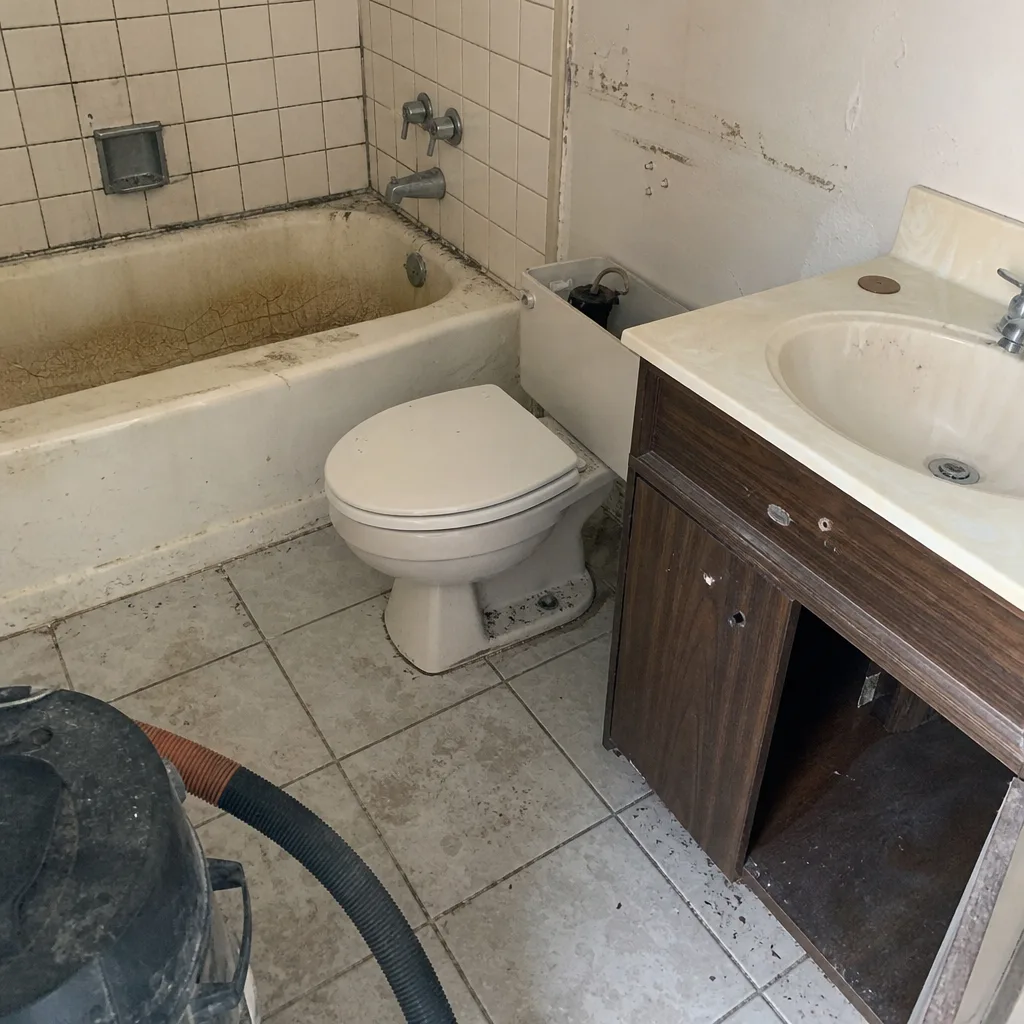 Before
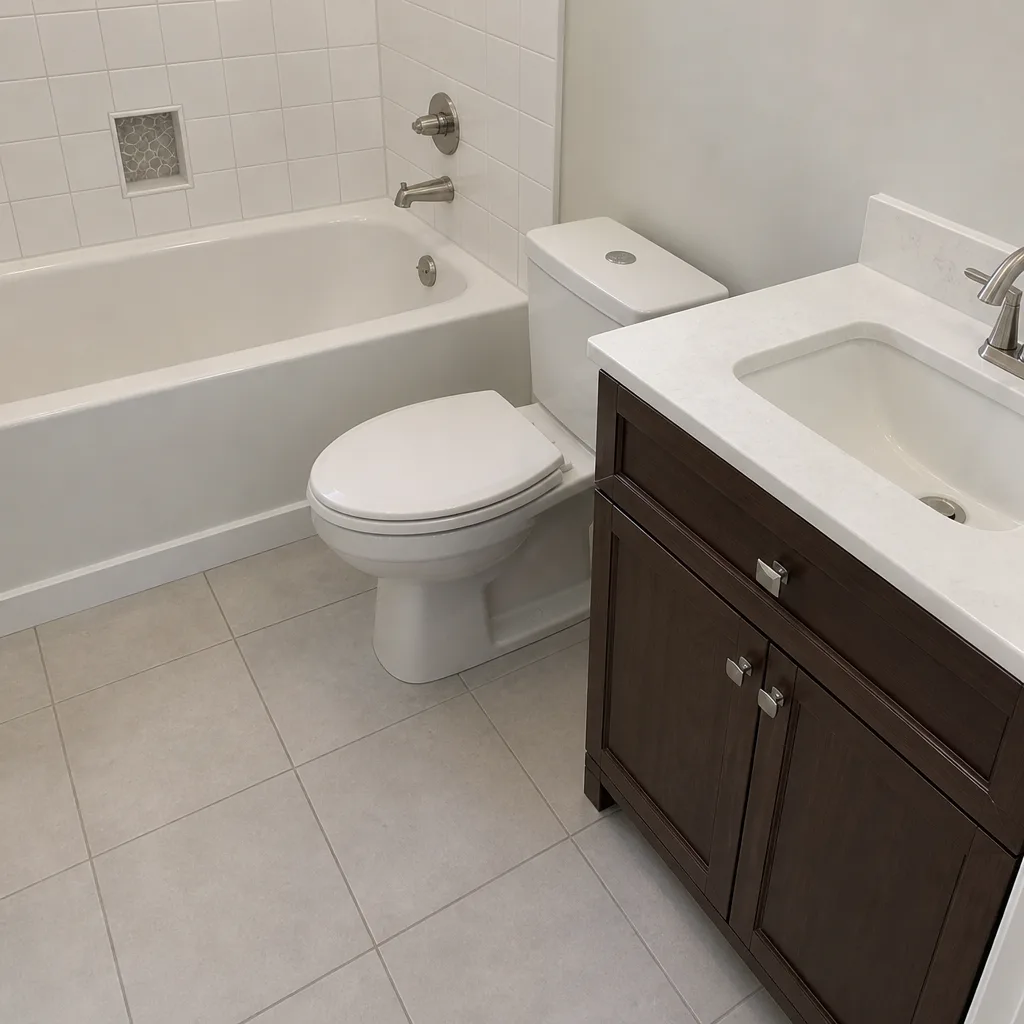 After
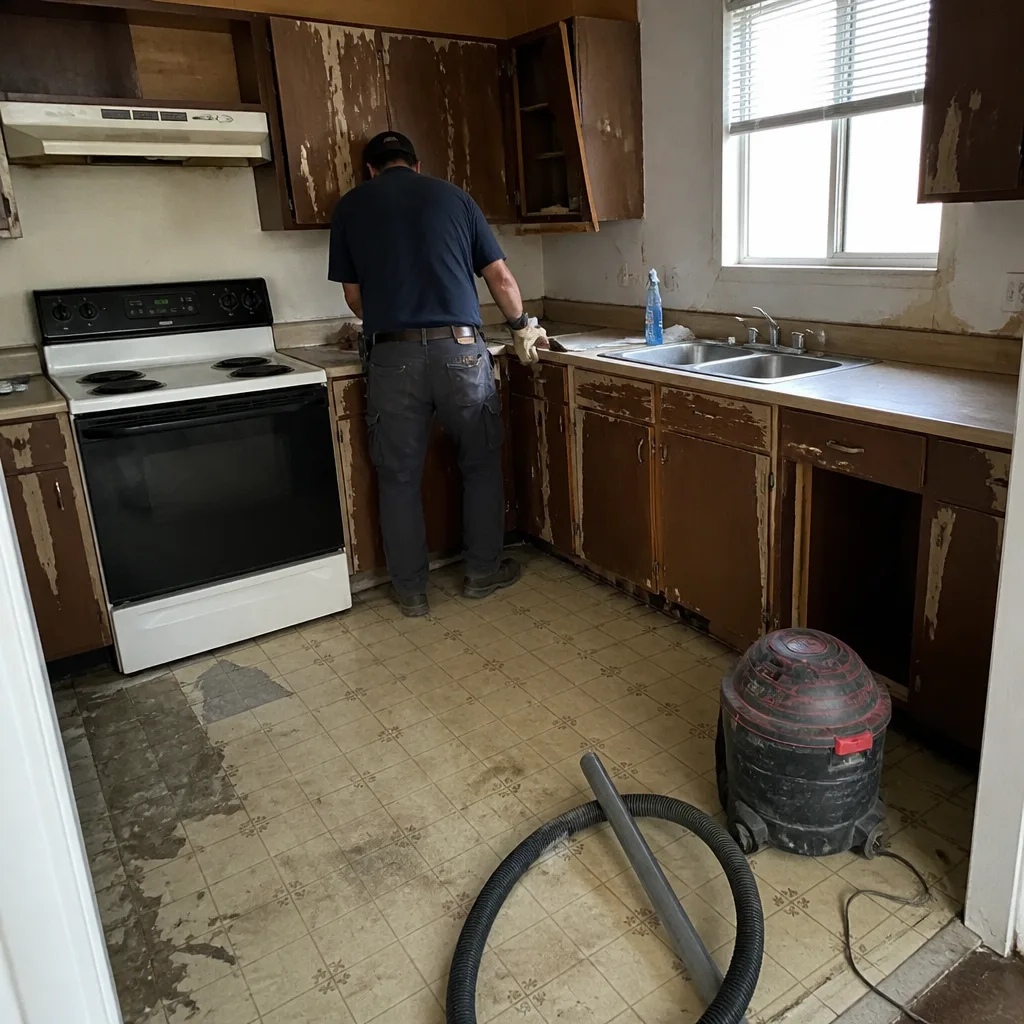 Before
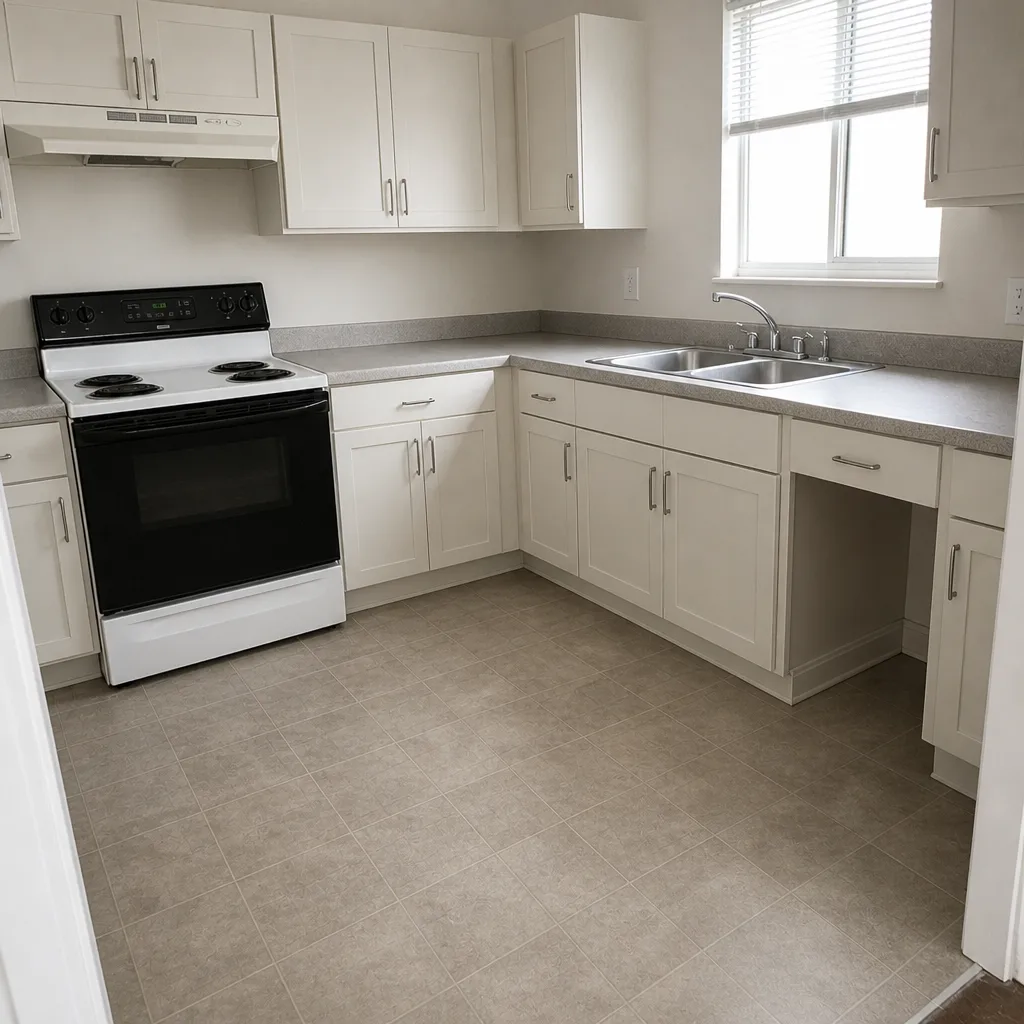 After
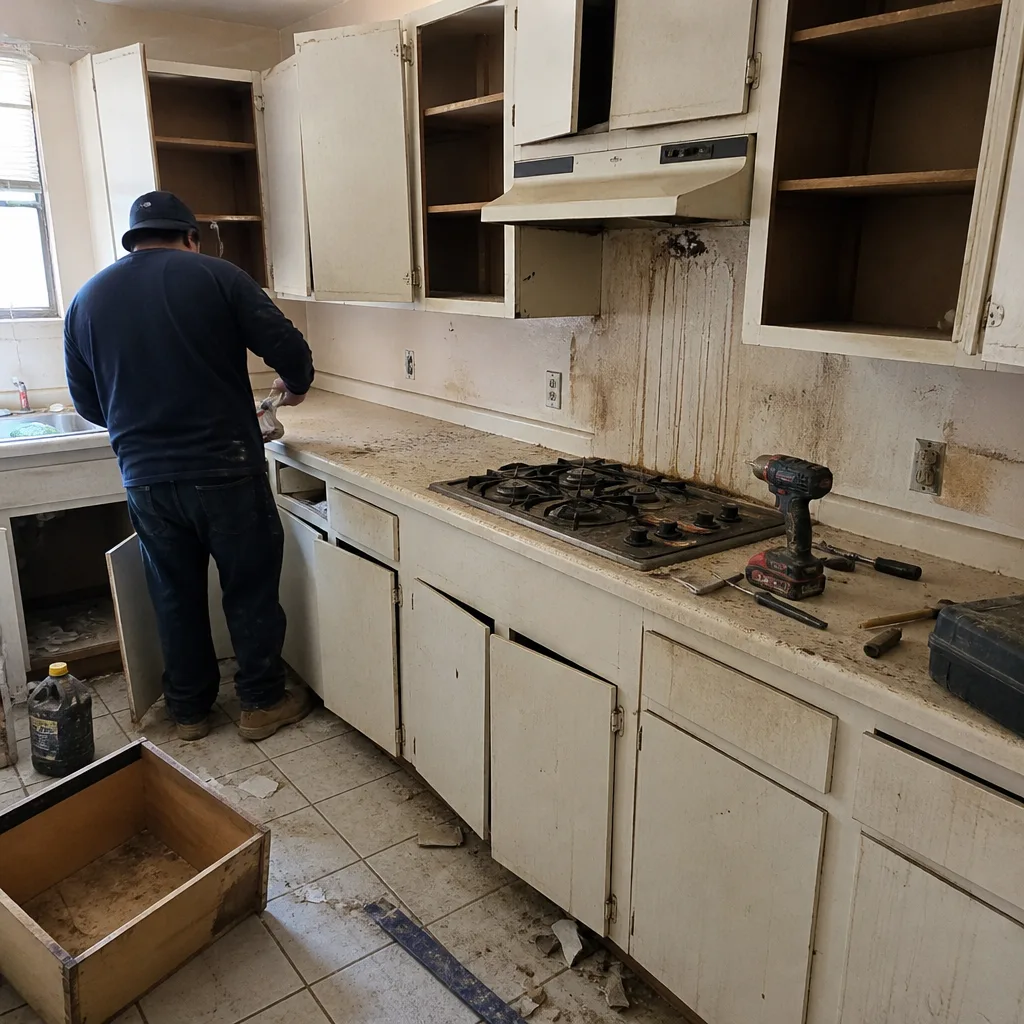 Before
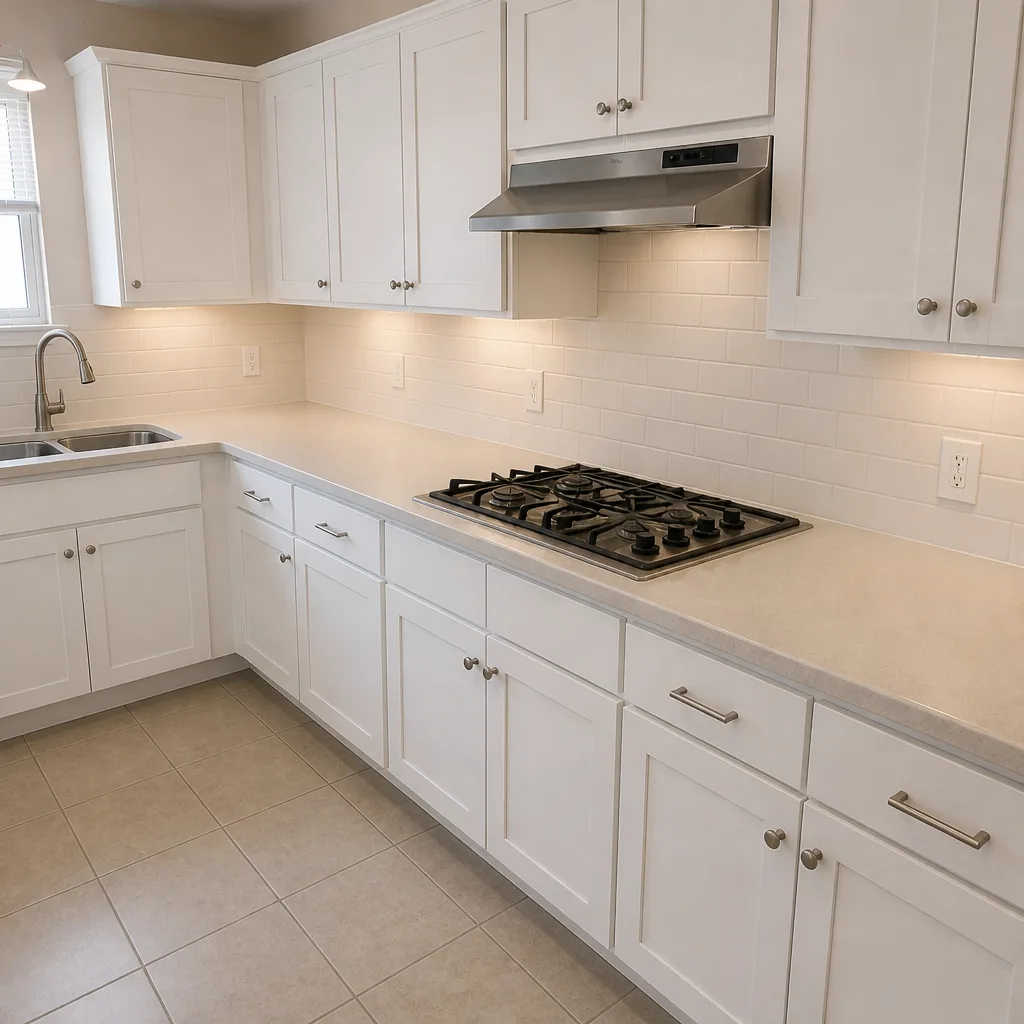 After
When to Call a Professional
Some window and door issues are maintenance; some are signs the unit has reached the end of its life. Call a professional when you see fogging or condensation between the panes (the seal has failed), when a window or door no longer closes flush or latches securely, when you can feel warm air moving through a closed frame, when weatherstripping or sweeps are cracked and compressed, or when a door has sagged to the point of dragging. If your west-facing glass came from a decade or two ago and the rooms behind it stay hot despite the AC running, it’s worth a professional assessment of the spec, not just a repair. Any door or window with broken glass, failed hardware, or a compromised lock on an exterior opening deserves prompt attention for security reasons, not just comfort. Groundwork Construction Co. of North Las Vegas offers free estimates in North Las Vegas – call (844) 797-5026, and a live person answers, day or night.
Frequently Asked Questions
For west- and south-facing windows in North Las Vegas, aim for an SHGC of about 0.25 or lower. East-facing units can run a bit higher (up to roughly 0.35), and north-facing windows can go higher still without hurting comfort. The right plan varies by orientation, and call (844) 797-5026 for a free elevation-by-elevation assessment.
Yes, replacement windows in Nevada are subject to Title 24 energy code requirements for your climate zone, which limit U-factor and Solar Heat Gain Coefficient. A compliant install documents the exact model’s ratings. Ask for the spec sheet and confirmation of permits before signing. Call (844) 797-5026 for a free quote that shows the ratings in writing.
In North Las Vegas’s heat, fiberglass generally outlasts vinyl because it expands and contracts at a rate close to the glass, so seals and corners stay intact through desert temperature swings. Quality vinyl can work on shaded or north/east elevations, but fiberglass is the safer bet on sun-baked walls. Call (844) 797-5026 to compare options for your home.
Typical single-window replacement in North Las Vegas runs roughly $400-$750 for quality vinyl and $600-$1,100 for fiberglass, installed. Whole-house projects (10-15 units) generally fall in the $6,000-$18,000 range. Every quote is line-item and upfront, with 0% financing for 18 months and $1,000 off projects over $10,000. Call (844) 797-5026 for an exact quote – estimates are free.
NV Energy residential programs and federal energy efficiency tax credits have both covered qualifying windows and doors, tied to performance thresholds and yearly caps. Eligibility and terms change, so confirm current program rules before ordering, and keep your NFRC labels and receipts. Call (844) 797-5026 to schedule a free estimate with the documentation ready.
The dollar-bill test around the frame and a hand-check along the sweep on a hot afternoon reveal most leaks. Cracked, compressed, or sagging weatherstripping and sweeps let cooled air escape all summer, quietly raising your bill. Seals are inexpensive to replace and worth checking whenever you replace windows. Call (844) 797-5026 for a free walkthrough.
The Bottom Line
Windows and doors in North Las Vegas are a climate decision first and a style decision second. The right SHGC for each elevation, a frame material that holds up to sustained heat (fiberglass on the hot walls, quality vinyl where it makes sense), compliance under Title 24, and doors whose seals actually hold – those four things decide whether your upgrade pays back or costs you twice. Capture the NV Energy and federal incentives while they last, watch the weatherstripping, and get the specs in writing before you buy. Done right, a proper window and door package cuts your cooling load and stays sealed for the long replacement cycle, engineered for this desert rather than borrowed from a colder market. With transparent upfront pricing, trusted brand partners, and the 730-Day Done Right Promise behind every install, Groundwork backs the work in writing.
Ready to get real numbers for your home? Call Groundwork Construction Co. of North Las Vegas at (844) 797-5026 for a free project estimate and design consult. A live person answers around the clock, we build a line-item quote tailored to your elevations, and there’s no obligation – just straight answers from a local crew that knows this climate.
Written by the team at Groundwork Construction Co. of North Las Vegas.