Last updated November 18, 2026




Free written scope consultation - allowances, timeline, and change-order rules on paper before a single trade is scheduled
Windows & Doors Warning Signs Every Homeowner Should Know
A new window that fogs between the panes within two years isn’t a defective product. It’s almost always a defective installation, and that failed seal usually voids the manufacturer’s warranty on the glass. We’ve pulled windows in North Las Vegas that were less than three years old and completely clouded over, not because Andersen or Pella shipped a bad unit, but because the frame was set out of square and the argon escaped through a gap the installer never sealed. The signs you’re tempted to dismiss as “normal aging” are often signals of installation failure, structural movement, or outright fraud. This guide covers what to look for, how to tell minor settling from a real problem, and when a repair turns into a replacement.
Quick Answer
The warning signs of failing windows and doors fall into four groups: installation failures (fogging glass, water intrusion, drafty corners within the first year), structural movement (gaps that widen, doors that stick seasonally, cracks radiating from frame corners), energy losses (utility spikes you can trace to a specific wall), and contractor red flags during the sale (skipped permits, no product specs, hollow labor warranties). In North Las Vegas, thermal cycling against stucco and relentless UV add two more: film bubbling and frames pulling away from the wall. Catch these early and you’re looking at a repair; ignore them and you’re pricing a full replacement.
Styles & brands we work with
- Kitchen remodeling
- Bathroom remodeling
- Home additions & ADU
- Roofing
- Windows & doors
- Driveway & pavers
- Fence
Table of Contents
- The Installation Failure Signals Homeowners Misread
- Normal Settling Gaps vs. Warning-Level Gaps
- Post-Installation Warning Signs in the First 30 Days
- The Energy Bill Spike Signal: Running the Numbers
- Contractor Red Flags During the Window and Door Sale
- North Las Vegas-Specific Warning Signs
- Door-Specific Warnings Most Guides Skip
- Repair or Replace? How to Decide
The Installation Failure Signals Homeowners Misread
Fogging between the panes gets blamed on the glass every time. In our experience, the glass is the victim. A sealed insulating unit (the double-pane sandwich) holds argon or krypton gas between two sheets of glass, and the perimeter seal keeps moisture out. That seal is fragile. When a window is installed out of level, twisted, or shimmed incorrectly, the frame flexes every time the sun hits it. Over a couple of seasons, that flexing cracks the seal, moisture migrates in, and you get the fog. The manufacturer will usually decline the claim because the failure traces back to installation, and the installer is long gone.
Here’s how to tell an installation failure from a glass defect:
- Fogging that appears on one side of the house first. That points to how those units were set, not to a bad batch of glass.
- Fogging paired with a draft or a visible gap at the frame. The seal failed because the frame moved.
- Condensation on the room-side glass only. That’s usually a humidity or ventilation issue, not a seal failure. Interior condensation wipes off; fog between the panes does not.
- Water staining on the sill or drywall below the window. The flashing was installed wrong, and the glass fogging is the second symptom, not the first.
We’ve seen this pattern repeatedly in the newer tract homes around North Las Vegas, where windows go in fast and the flashing details get rushed. The window looks fine at the final walkthrough. Two summers later, the homeowner is staring at a cloudy pane and a warranty denial letter. If you’re already past that point and weighing replacement, our Groundwork Construction Co. of North Las Vegas home page lays out how we scope a full window and door project, permits included.
Normal Settling Gaps vs. Warning-Level Gaps
Every house moves. A hairline gap at a door frame or a window casing that opens a sixteenth of an inch over a decade is normal, especially in a climate that swings from 110°F summer afternoons to cold desert nights. The trick is separating that slow, harmless movement from the kind that signals foundation trouble or frame rot. Here’s the distinction we use on site:
Normal settling
- Gaps are hairline (under 1/16 inch) and stable year over year.
- A door sticks in summer and frees up in winter, or vice versa, but returns to normal.
- Cracks in caulk or paint at corners that reopen slowly and don’t widen.
- Gaps appear on one or two openings, not the whole wall.
Warning-level movement
- Gaps widen measurably over months. Measure with a coin or a feeler gauge and check again in 60 days.
- A door that stuck last summer now won’t latch at all, and it never got better.
- Diagonal cracks radiating from the corners of a window or door frame, especially stair-step cracks in stucco or brick.
- Multiple openings on the same wall showing the same gap at the same corner.
- Soft or crumbling wood at the frame, which means rot has been feeding on water intrusion for a while.
That last one matters more than people think. Rot travels. A soft spot at the bottom corner of a door frame in an older North Las Vegas neighborhood usually means the flashing behind the stucco has been leaking for years. By the time the frame is spongy, the sheathing behind it is often compromised too. That’s not a window problem anymore, it’s a wall problem, and it’s exactly the kind of thing an honest inspection catches before it turns into a five-figure repair. If your project grows into structural work, our team handles Home Additions & ADU in North Las Vegas and the framing repairs that come with them, so the fix stays under one roof.
Post-Installation Warning Signs in the First 30 Days
The first month after a window or door install is when defects announce themselves. If you know what to check, you can catch problems while the installer is still on the hook for them under warranty and before the final payment clears. Do this walkthrough at two weeks and again at 30 days.
- Run a hand around every frame corner on a windy day. You shouldn’t feel moving air. A draft at a corner means the spray foam or sealant didn’t reach the joint. In North Las Vegas, where spring wind gusts hit 40 mph, this shows up fast.
- Open and close every operable window and door five times. The hardware should move smoothly with one hand. Sticking, grinding, or a latch that needs a shoulder to engage means the unit is out of square or the hardware is misaligned.
- Look for daylight at the frame edges from inside a dark room. Any visible light means a gap in the rough opening seal. This is the number one thing installers skip when they’re rushing.
- Check the sill and head for water stains after the first rain. Water inside the frame means the flashing is wrong, and it will get worse, not better.
- Confirm every screen and lock works. A lock that doesn’t line up is a symptom of a twisted frame.
- Photograph each window and door, inside and out. Date-stamped photos are your proof if a warranty dispute comes up in year three.
If any of these fail, document it in writing and request a fix within the warranty window. A reputable installer will come back. A crew that ghosts you after the check clears is the reason we recommend holding final payment until the 30-day walkthrough is clean.
The Energy Bill Spike Signal: Running the Numbers
A rising power bill is the quietest warning sign on this list, because nobody blames the windows. Before you assume a seal has failed, do the math. It takes about ten minutes and it tells you whether to call a window pro or an HVAC tech.
- Pull the same month’s bill from last year. Compare kilowatt-hours used, not dollars owed. Rates change; usage tells the real story.
- Subtract for weather. If this summer was significantly hotter than last, some of the increase is legitimate. A brutally hot July in North Las Vegas will move your bill even with perfect windows.
- Isolate the change per square foot of glass. If your usage jumped 30% and nothing else in the house changed (no new appliance, no new pool pump, no houseguest), windows and doors are the prime suspect. Glass is the weakest thermal point in any wall.
- Test for the draft. On a hot afternoon, hold a tissue near the frame corners and the door sweep. Movement means air is leaking. A failed seal on a double-pane unit shows up as fog plus a cold or hot spot on the glass itself.
- Check the attic and ductwork too. We’ve seen homeowners replace perfectly good windows when the real culprit was leaking ductwork in a 140°F attic. Rule it out before you spend on glass.
If you’ve done all five and the windows keep failing the draft test, that’s your answer. Old single-pane aluminum units common in older North Las Vegas homes are the worst offenders, and replacing them with modern insulated glass from a partner like Andersen or Pella pays back in comfort long before it pays back in dollars. Upfront pricing on the replacement means you know the number before you commit, and our current $1,000 off projects over $10,000 plus 0% financing for 18 months takes some of the sting out of a whole-house swap.
Contractor Red Flags During the Window and Door Sale
Most window and door fraud happens before a single unit is ordered. It happens in the sales presentation, in the paperwork you sign, and in the warranty language nobody reads. Here are the signals that should end the conversation:
- Pressure to skip the permit. In North Las Vegas, window and door replacements on the exterior envelope generally require a permit, and skipping it can create problems when you sell or when you file an insurance claim. A contractor who offers to “save you the hassle” is saving himself the inspection. That’s a red flag with flashing lights.
- Refusal to show manufacturer product specs. You should be able to see the exact model number, the U-factor, the solar heat gain coefficient, and the warranty terms for the specific unit going into your wall. If the salesperson waves a brochure instead of a spec sheet, walk.
- An unusually short labor warranty. The glass might carry a 20-year manufacturer warranty, but if the labor is covered for 90 days, the installer is telling you something about his confidence in his own work. Our 730-Day Done Right Promise exists because the labor is where failures actually happen.
- No physical address and no license to verify. Ask for the state contractor license number and check it before you sign. A legitimate operation will hand it over without hesitation.
- High-pressure same-day discounts that expire at the kitchen table. Real pricing doesn’t evaporate when the salesperson leaves. Upfront pricing you can sleep on is the standard.
- Vague answers about flashing and sealing. Ask exactly how they’ll flash the rough opening and seal the frame to the stucco. A good installer can describe the detail in plain language. A bad one changes the subject.
We’ve walked into homes in North Las Vegas where the homeowner paid in full for a full-house window package and the “installer” had subbed the work to a day labor crew with no supervision. Every unit was set out of level, and the fogging started within two years. The 730-Day Done Right Promise and background-checked, uniformed technicians on every project are how we make sure that story doesn’t become yours.
North Las Vegas-Specific Warning Signs
Some window and door failures are universal. Others are specific to the desert, and if you moved here from a milder climate you may not recognize them. We’ve catalogued the local patterns, and these three are the ones we see most:
UV bubbling in window film
Solar film is common in North Las Vegas because it cuts heat gain fast. But cheap film applied to old glass, or film applied over a seal that’s already compromised, bubbles and peels under the relentless UV. When you see bubbling concentrated on south- and west-facing windows, the film is telling you the glass underneath is cooking. Film won’t fix a failing seal, and in some cases it accelerates the failure by trapping heat. If the film is bubbling within a couple of years, have the glass inspected before you re-film.
Frame warping from thermal cycling
Desert thermal cycling is brutal. A west-facing vinyl frame can swing 60 to 80 degrees over a single day. Over several seasons, cheap vinyl frames warp and bow, and once they bow, the sash no longer seats against the weatherstripping. You’ll notice it as a draft on hot afternoons that disappears at night. Warped frames can’t be shimmed back into shape; they get replaced. This is why we push homeowners toward premium frames from partners who engineer for extreme heat, not the cheapest units on the truck.
Door frames pulling from stucco
Stucco and wood expand and contract at different rates, and on an exterior door that’s been hung with too few fasteners or the wrong anchoring, you’ll see the frame pull away from the stucco at the top corners first. A pencil-width gap at the head of an exterior door is a warning sign. Left alone, water gets behind the stucco, the sheathing rots, and the repair escalates from a door replacement to a wall repair. Our Fence Installation in North Las Vegas crews see the same stucco-and-fastener issue at gate posts, and the fix is the same principle: anchor for the material, not against it.
Door-Specific Warnings Most Guides Skip
Windows get most of the attention, but failing doors cost homeowners more in security and energy than people realize. Doors are the largest moving opening in your house, and they take a daily beating.
- The deadbolt that takes two hands to turn. A misaligned deadbolt means the door has shifted in its frame. That’s either settling, a failing hinge, or a frame that’s pulling away from the wall. It’s also a security issue: a door that won’t lock cleanly isn’t locking securely.
- The daylight line along the bottom. You should see zero light under a closed exterior door. Any light means your weatherstripping or threshold sweep is gone, and in North Las Vegas that means $40-a-month in cooling loss you can’t see anywhere else.
- The sticky patio slider. Sliders that grind on the track or jump the roller have worn hardware or a bent frame. A slider that no longer fully closes is a security risk, and it’s one most homeowners put off until the door fails completely.
- Water staining at the threshold. The door sill is the lowest point on the wall and the first place water pools. A dark stain at the interior threshold after a monsoon storm means the pan flashing is wrong or missing.
- The door that swings open or closed on its own. That’s a hinge or jamb out of plumb, and it’s an early sign of frame movement worth investigating.
If you’re also looking at the exterior envelope around your doors, the same stucco and anchorage issues show up on Driveway & Pavers in North Las Vegas projects, where your front entry door meets the front walk. A paver walkway that’s pitched wrong sends water straight at your door threshold, and that’s a door-replacement problem disguised as a landscaping decision.
Repair or Replace? How to Decide
The repair-or-replace question is where most homeowners overspend in one direction or the other. The rule of thumb we use: if the frame and rough opening are sound, repair. If the frame is failing, replace. A fogged glass unit in a solid frame is a glass swap, and it’s affordable. A frame that’s warped, rotted, or pulling from the wall is a replacement, because patching it just resets the clock on the same failure.
- Check the frame first. A dead-blow hammer and a level will tell you. Tapping around the frame should sound solid, not hollow. The frame should sit plumb and square.
- Check the rough opening and flashing. If water has been getting in, the sheathing behind the frame may need repair before a new unit can go in. Any honest crew will check this before quoting.
- Count the units. A single failed unit on an otherwise sound window is a repair. Five failures on one wall is a replacement, because the pattern points to a systemic installation or flashing failure.
- Weigh the age and the warranty. If the units are under a decade old and the frame is sound, a glass replacement preserves the manufacturer’s warranty on the rest of the unit. If the installer’s labor warranty already expired from an outfit that’s gone, you’re on your own either way.
- Factor in efficiency. Old single-pane aluminum in a North Las Vegas home is worth replacing for the energy savings alone, even if the seals are technically fine.
When a project crosses from a simple repair to a full replacement, get a written line-item quote, not a lump sum. The number you see is the number you pay, with no change orders mid-job. That’s the standard we hold on every window and door project in North Las Vegas.
Common Mistakes to Avoid
- Assuming a fogged window is a glass defect. It’s usually an installation failure, and the manufacturer will deny the warranty claim once they trace it to installation. Get a professional assessment before you call the manufacturer.
- Caulking over a gap that’s getting wider. Caulk hides the symptom for a season and does nothing about the cause. In North Las Vegas heat, the caulk fails within a year and the gap is bigger when it reappears.
- Letting a salesperson talk you out of the permit. Skipping the permit on an exterior window or door replacement can void your insurance coverage on water damage and complicate a home sale years later. It’s not worth the “saved” fee.
- Signing for a full-house package without a spec sheet. Every unit installed in your home should have a model number, U-factor, and solar heat gain coefficient on the contract. If you can’t verify it, you can’t compare it.
- Waiting for the monsoon to test your doors. Test your exterior doors and sliders before the storm season starts. A door that’s already tight will stay tight; a door that’s not won’t hold back an August storm.
- Replacing windows when the real problem is elsewhere. Leaking ducts, failed attic insulation, and drafts from the sill plate can mimic window failure on your energy bill. Run the numbers before you spend.
- Accepting a 30-day labor warranty as the standard. It’s not. The labor is where the failures happen, and a real guarantee on workmanship should be measured in years, not weeks.
See the difference
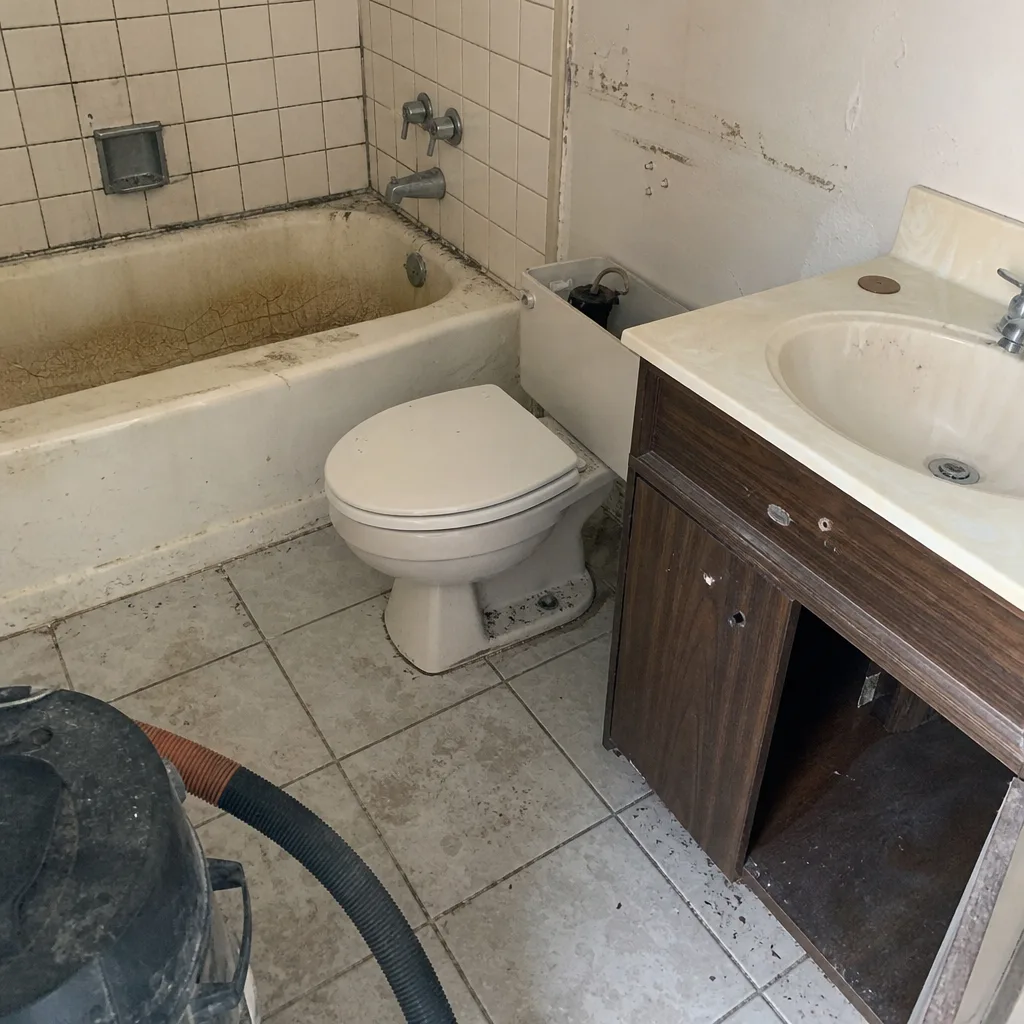 Before
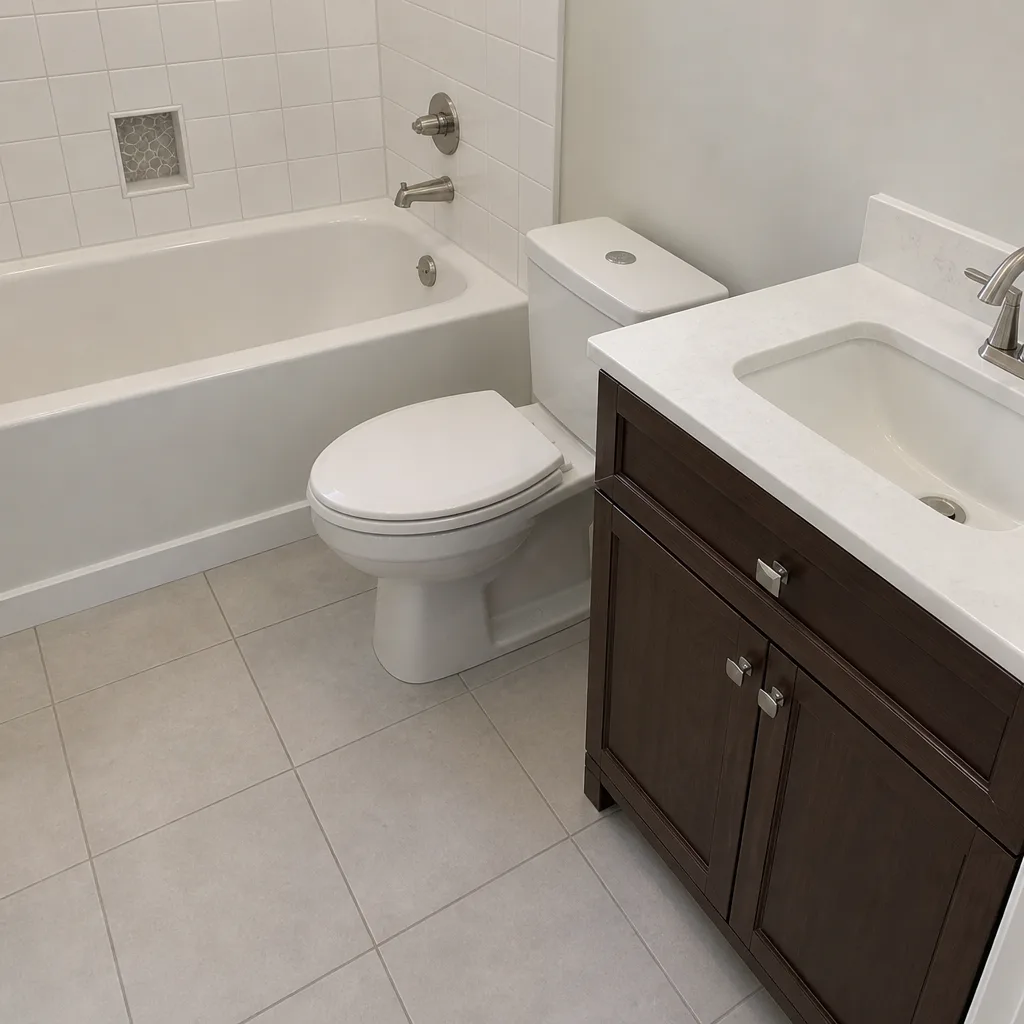 After
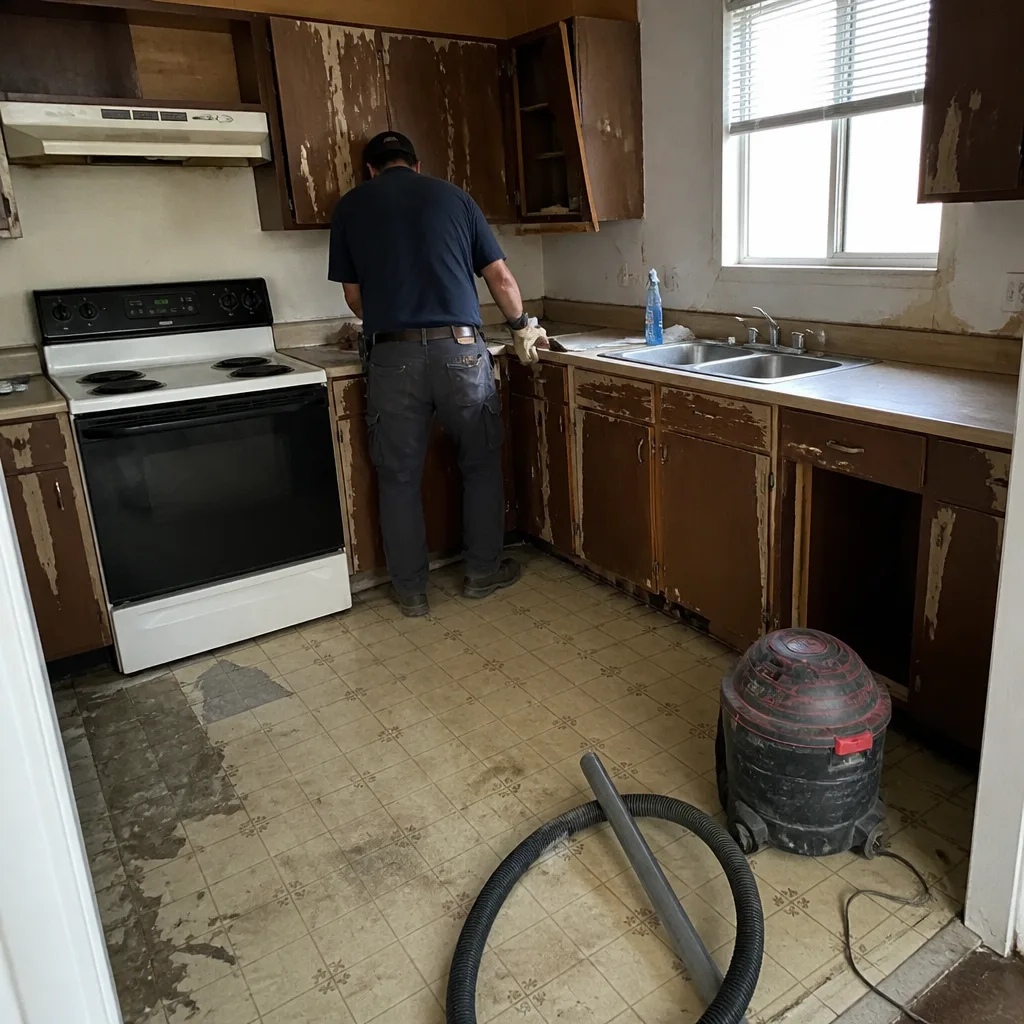 Before
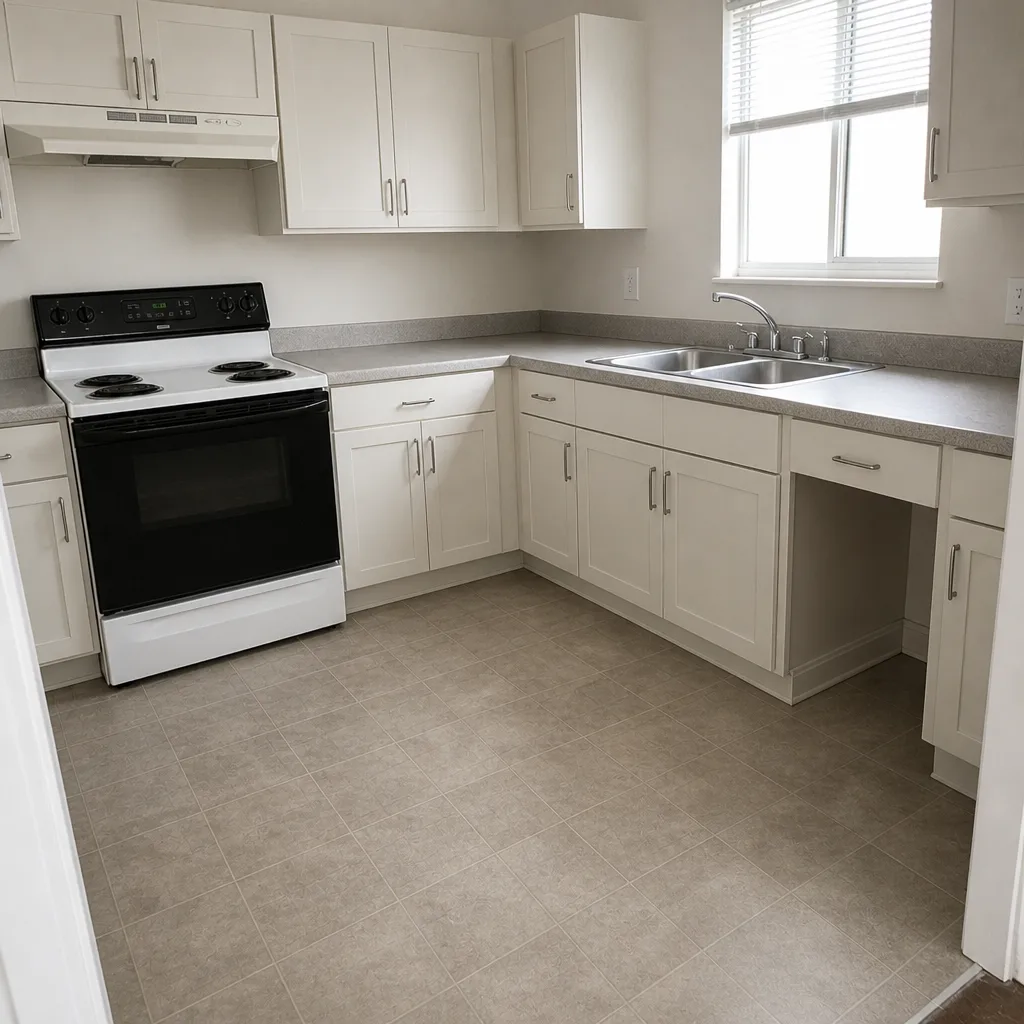 After
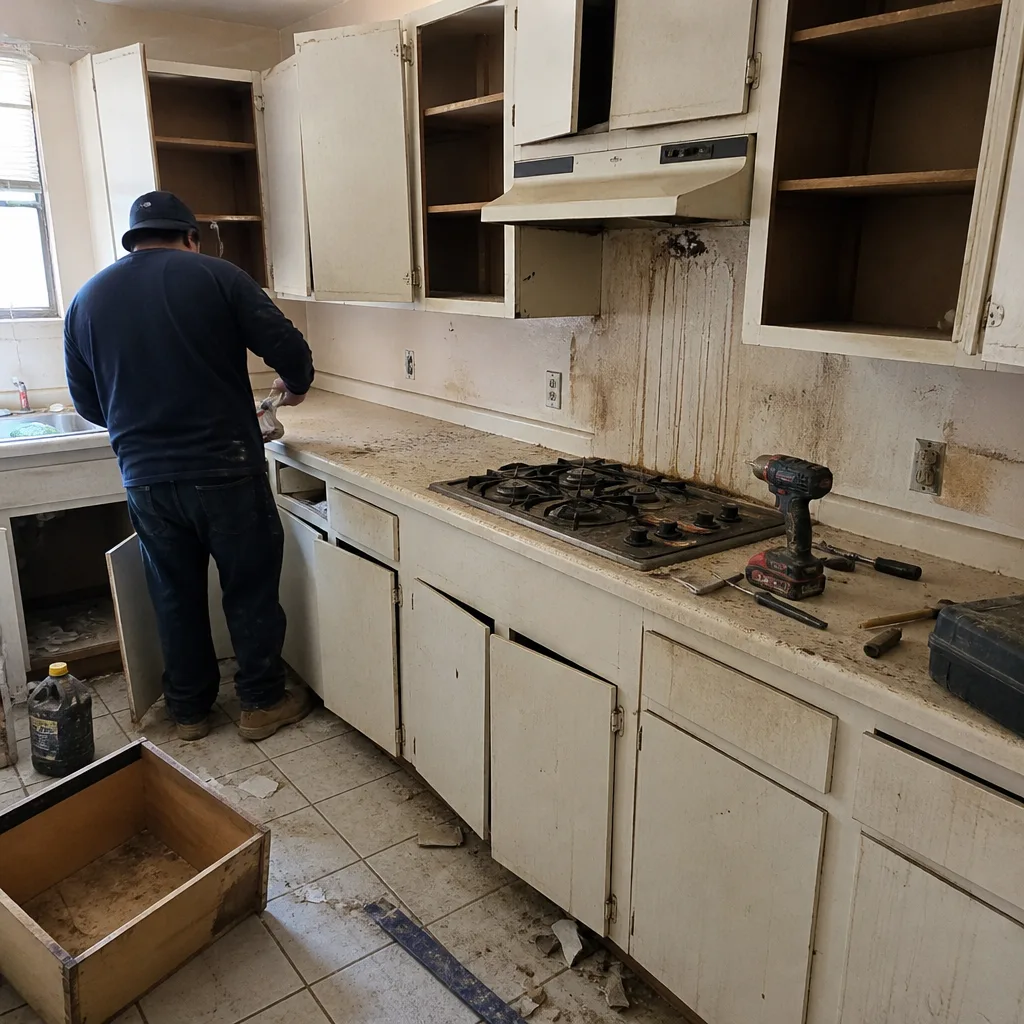 Before
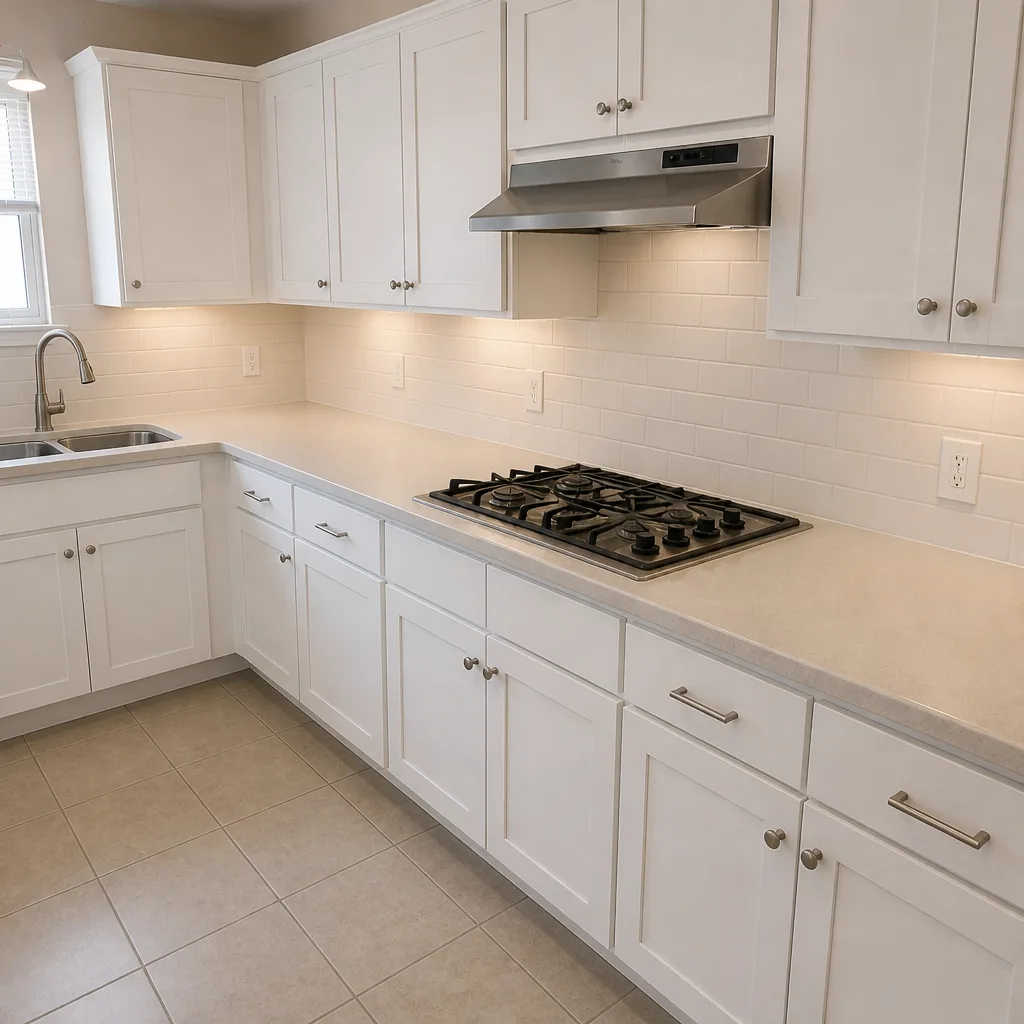 After
When to Call a Professional
Call a professional the moment you notice a gap that’s widening, fogging that’s spreading across multiple windows, daylight at a frame edge, or water staining at a threshold. Structural movement that affects window and door openings needs an experienced eye before you spend on anything else. If you’re in North Las Vegas and you’re not sure whether what you’re seeing is normal settling or a real failure, a professional inspection answers that in an hour. Groundwork Construction Co. of North Las Vegas offers free estimates in North Las Vegas – call (844) 797-5026. Live people answer, any hour, and we’ll give you a straight answer on whether you need a repair, a replacement, or nothing at all.
Frequently Asked Questions

Fog between the panes on a window installed within the last several years is almost always an installation failure, not a product defect. A factory-defective insulated glass unit usually fails within months across a whole batch; a fogged window here and there across multiple seasons is the pattern of a frame set out of level. Check for a draft at the frame corners; if there’s also a draft, the seal failure traces back to installation. Call (844) 797-5026 for an inspection before you contact the manufacturer, since a warranty denial is hard to reverse.
A normal settling gap is a hairline under 1/16 inch, stable year over year, and isolated to one opening. A structural warning is a gap that widens measurably over 60 days, a door that stops latching entirely, diagonal cracks radiating from frame corners, or multiple openings on the same wall showing the same gap. Measure and re-measure before you panic, then call (844) 797-5026 if the gap is moving.
Thermal cycling is the answer. A west-facing window frame in North Las Vegas can swing 60 to 80 degrees over a single day, and cheaper vinyl frames can’t handle that many cycles without bowing. Once the frame bows, the sash stops seating against the weatherstripping and the draft starts. Andersen and Pella offer frame systems engineered for extreme heat; that’s the practical reason to pay for them in this market.
Most exterior window and door replacements in North Las Vegas require a permit, and an honest contractor will pull it as a matter of course. A contractor who offers to skip the permit is creating a problem for you down the line at insurance or resale. Call us at (844) 797-5026 and we’ll confirm the permit requirements for your specific address before we quote.
Run a hand around every frame corner on a windy day for drafts, look for daylight at the frame edges from inside a dark room, open and close every operable unit five times, check the sill and head for water stains after the first rain, and photograph everything with date stamps. A clean 30-day walkthrough is the time to request fixes while the warranty is fresh. If the installer won’t come back, that’s your red flag.
Yes, if the old units are single-pane aluminum, which is common in older North Las Vegas homes. The bigger savings come from the installation detail than from the glass itself, though. A high-performance window installed poorly still leaks. Do the usage comparison (kilowatt-hours month over month) before and after, and rule out duct leaks and attic insulation first, since those can mask the savings. Call (844) 797-5026 for a free estimate with no pressure.
The Bottom Line
Windows and doors fail in predictable patterns, and the patterns are readable if you know what you’re looking at. Fogging between panes is usually an installation failure, not a defective product. Gaps that widen over 60 days are structural warnings, not normal settling. Energy spikes that trace to a specific wall point back to failed seals and drafts. And the contractor red flags during the sale (skipped permits, no spec sheets, short labor warranties) are what turn those failures into expensive replacements later. In North Las Vegas, add UV film bubbling, thermal-cycling frame warp, and stucco pull-away to the list. The principle is simple: catch the warning signs early, demand written specs and permits, and hold your installer to a real workmanship guarantee. Our 730-Day Done Right Promise is exactly that, built to last and backed in writing.
Ready for a free estimate? Call (844) 797-5026 and we’ll send a background-checked, uniformed technician to inspect every window and door. Upfront pricing, no surprises, and a straight answer on repair versus replacement.
Written by the team at Groundwork Construction Co. of North Las Vegas.