Free written scope consultation - allowances, timeline, and change-order rules on paper before a single trade is scheduled
Styles & brands we work with
- Kitchen remodeling
- Bathroom remodeling
- Home additions & ADU
- Roofing
- Windows & doors
- Driveway & pavers
- Fence
See the difference
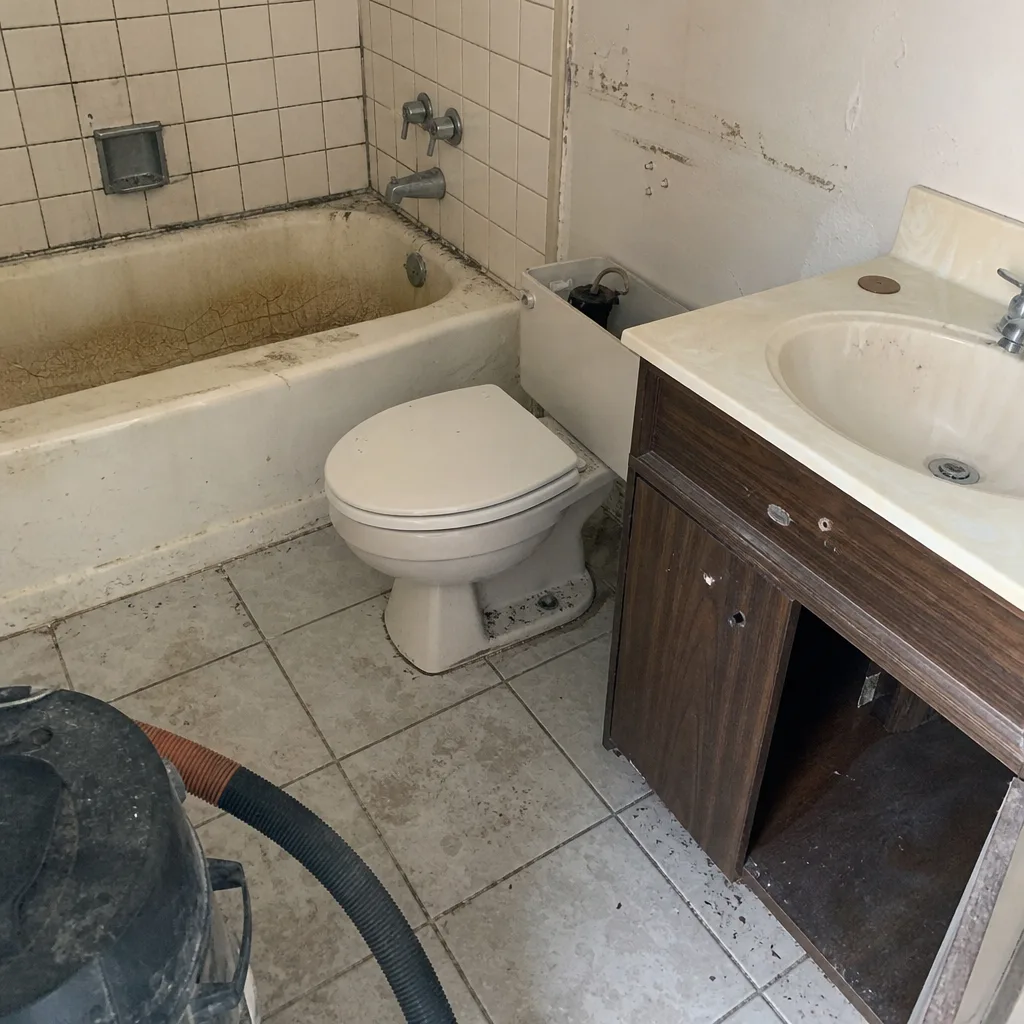 Before
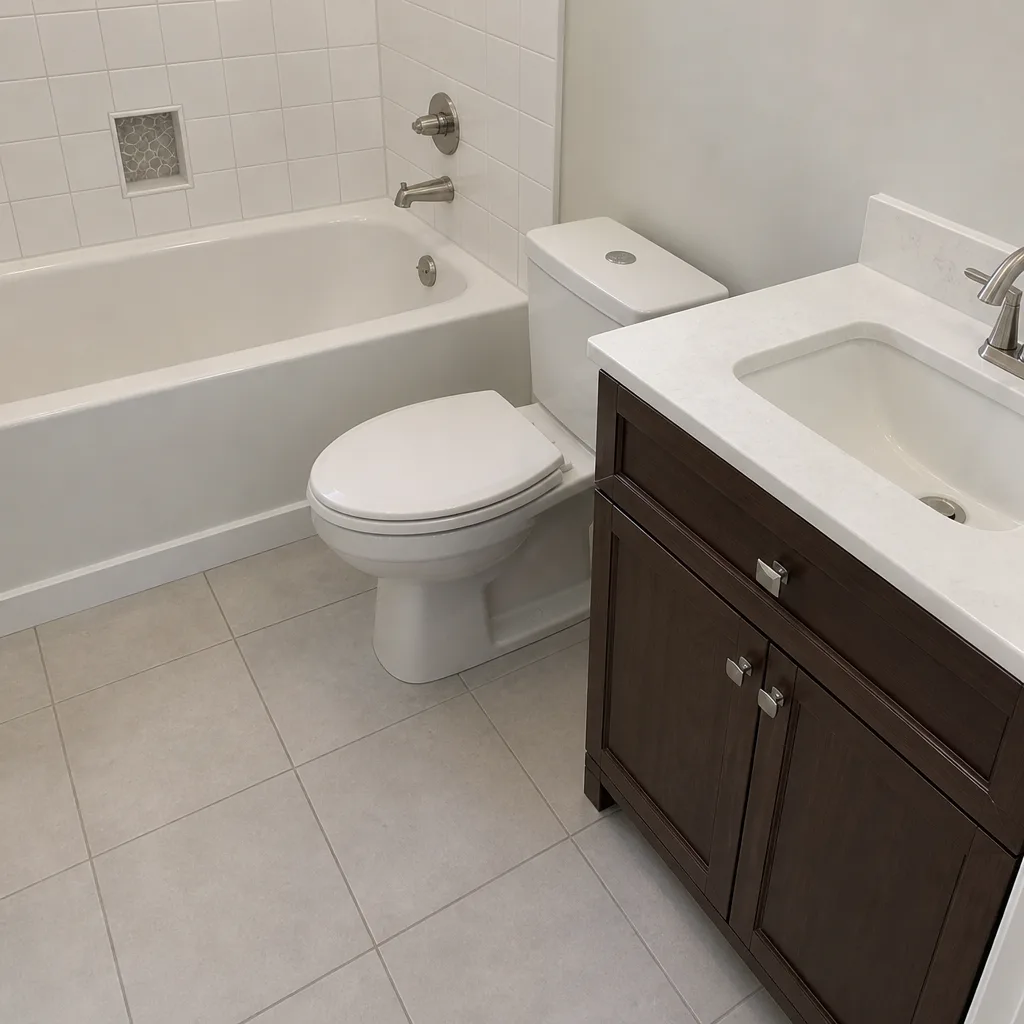 After
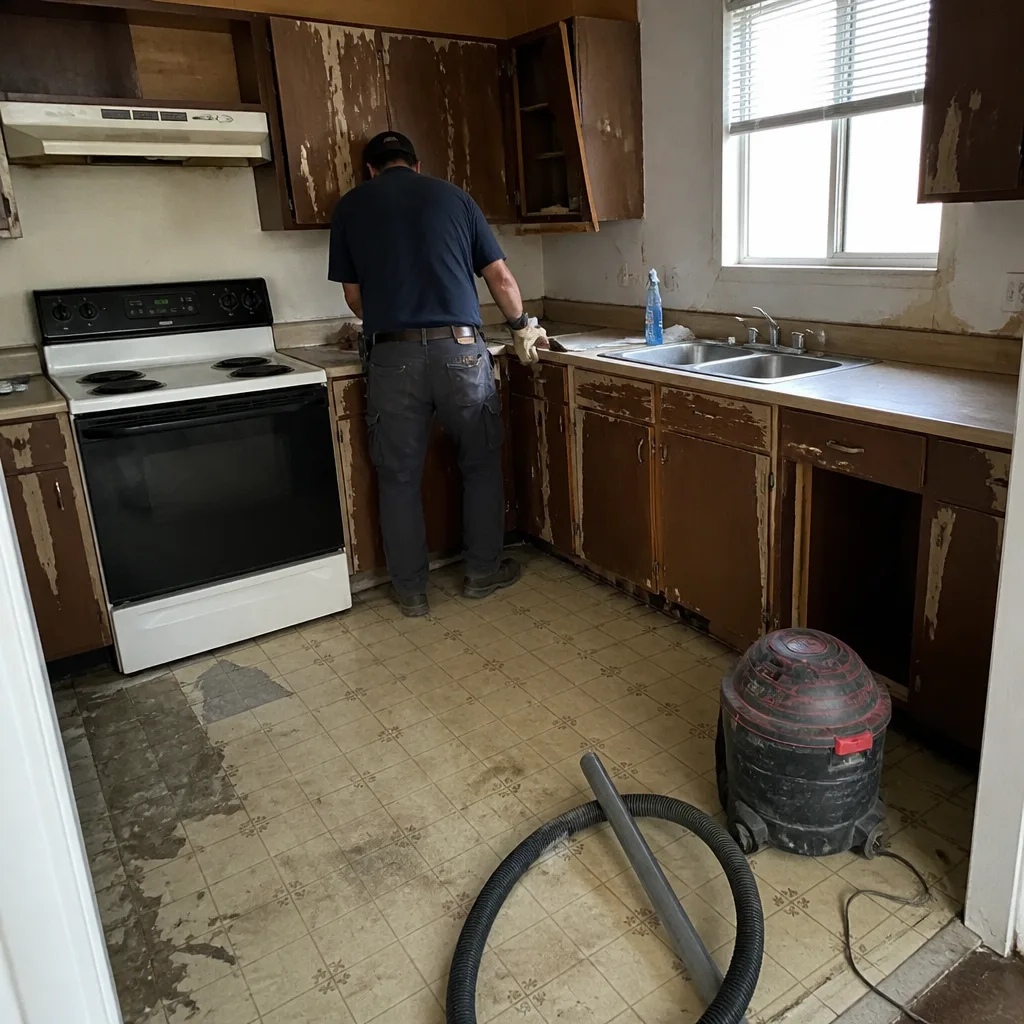 Before
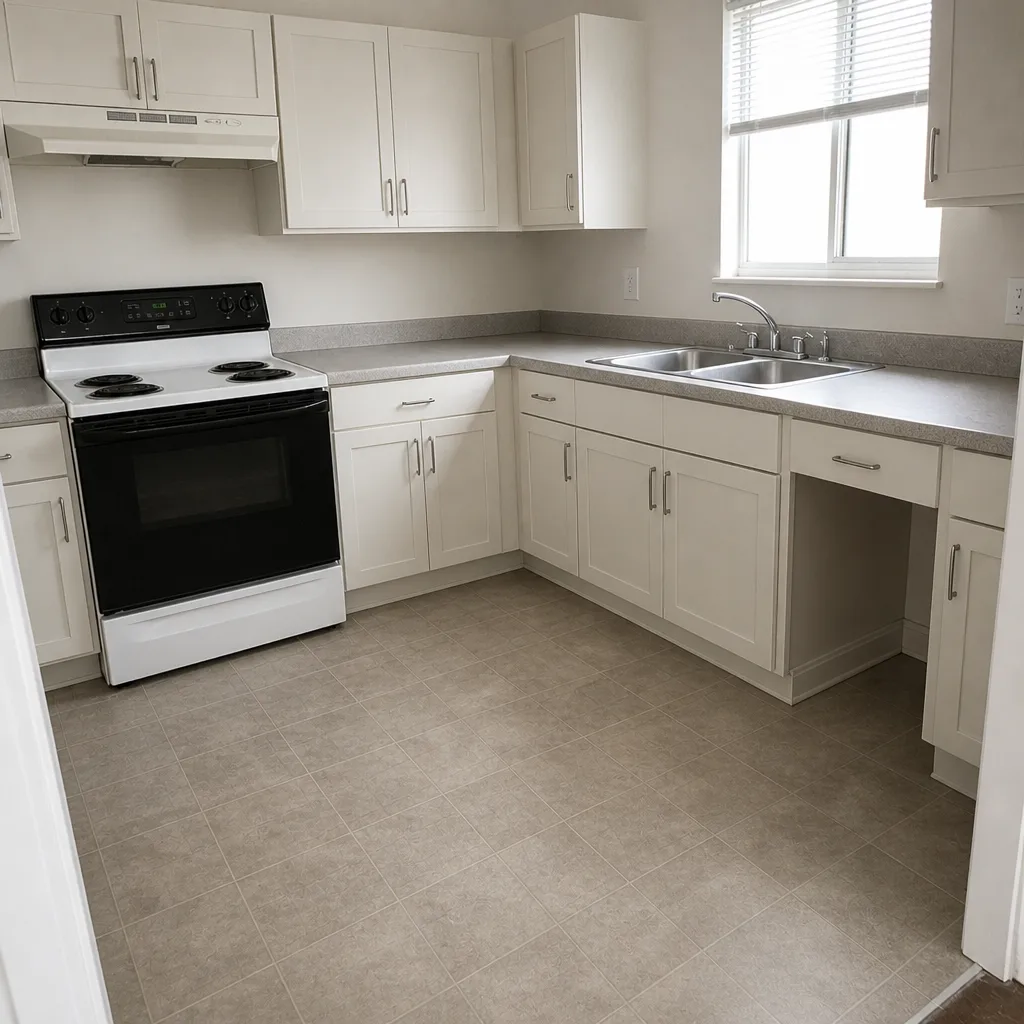 After
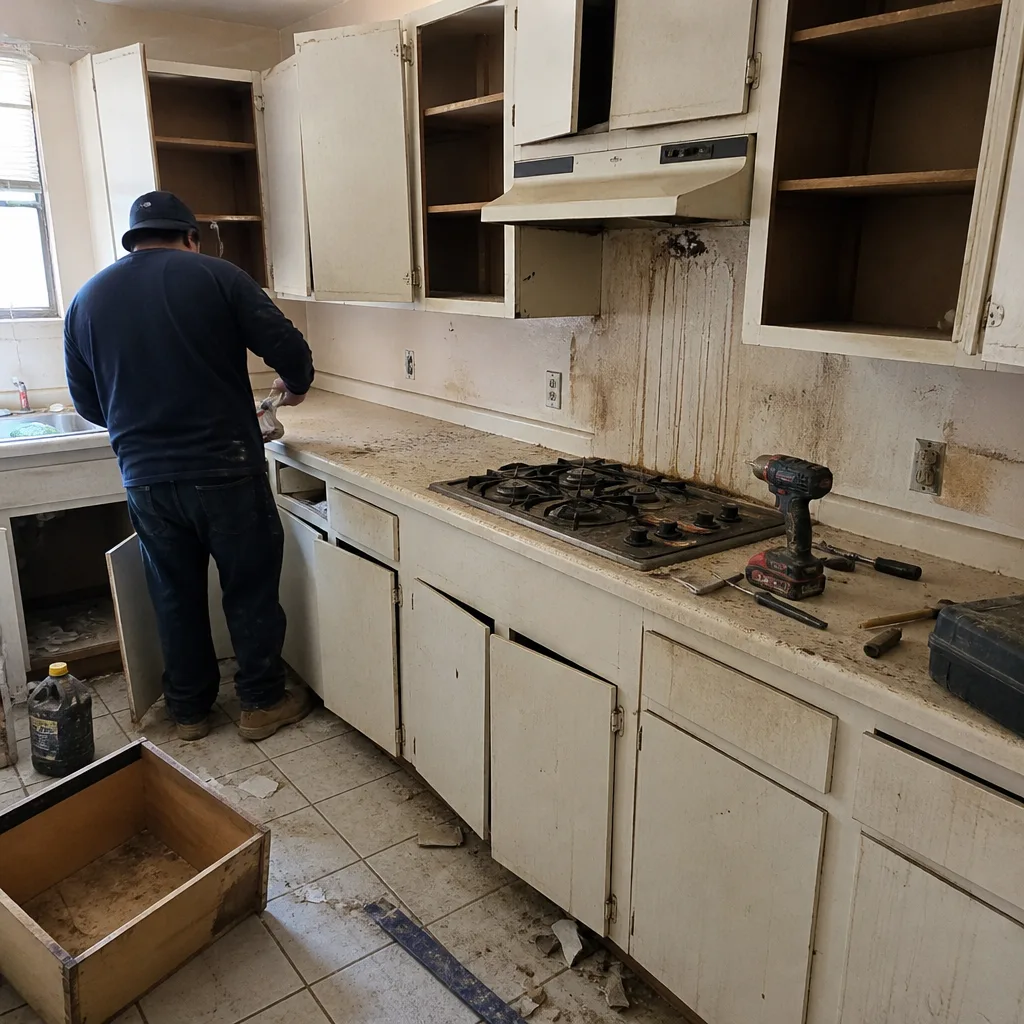 Before
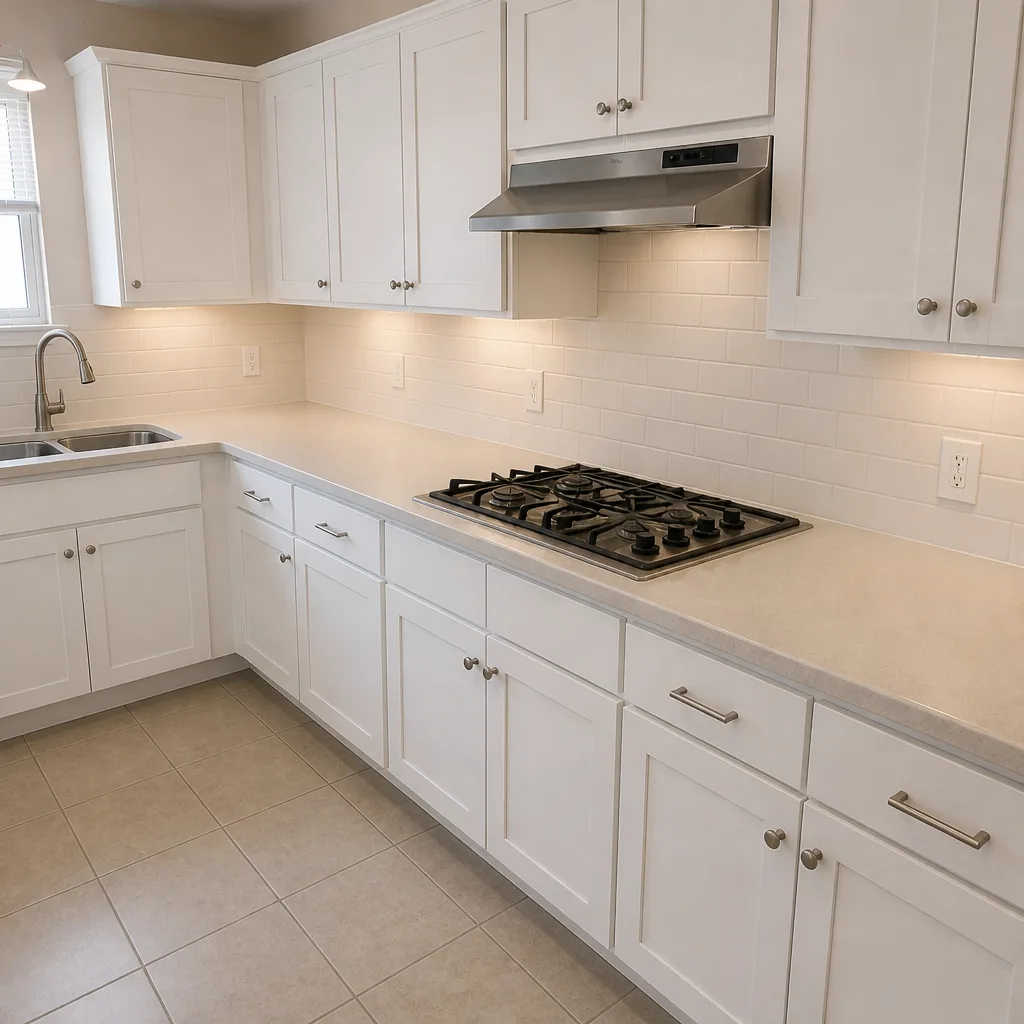 After
How Long Do Windows Last in North Las Vegas? Shorter Than the National Guides Tell You
In North Las Vegas, most windows last 12-20 years, not the 20-40 the national lifespan charts promise. The dual-pane sealed glass unit usually fails first, and the frame follows as desert UV and expansive clay soils do their work. A vinyl window installed in Minneapolis in 1998 might have 10 years of life left. The same window installed in North Las Vegas in 1998 may already be past its useful life, and the reason is physics, not brand quality.
Our technicians have up to 12 years of experience with Windows & Doors across the valley, and here’s what we see: the Mojave receives roughly 300 days of intense sun a year. That single number reroutes almost every lifespan estimate you’ll find online.
Why North Las Vegas Windows Age Faster: UV, Heat, and Clay
Standard vinyl frames oxidize and turn brittle under sustained UV load. In a temperate climate that process plays out slowly. Here, it runs 20-30% faster, which is why a builder-grade frame that should give you 25 years is realistically a 15-to-18-year product in this market.
Thermal cycling compounds it. A North Las Vegas window moves from 25°F winter nights to 115°F summer afternoons. That swing happens over and over, and each cycle works the seals and weatherstripping a little harder. Summer highs routinely climb above 105°F, so even the “mild” half of the year is a stress test.
Then there’s the ground. Much of the city sits on expansive clay that swells with monsoon moisture and shrinks through dry months. In older infill neighborhoods, and even some 1990s slab-on-grade homes, that ground movement racks the window opening slightly out of square. The glass and frame may be perfectly sound, but a racked opening torques the sash, breaks the perimeter seal, and the window sticks or stops latching. Most window guides never mention foundation movement as a cause of window failure. Around here it’s a leading one.
Expected Window Lifespan by Frame Material in a Desert Climate
Here’s how the common window types in North Las Vegas’s housing stock actually hold up, using real desert ranges rather than the national averages:
| Window type | Where you’ll find it in NLV | Realistic desert lifespan |
|---|---|---|
| Aluminum single-pane | 1950s-70s ranch homes in the older core | 20-30 years (glass), but functionally outdated decades sooner |
| Builder-grade vinyl dual-pane | 1990s-2000s tract homes in the master-planned subdivisions | 12-18 years |
| Performance fiberglass dual-pane (Andersen, Marvin) | Upgraded and newer custom builds | 20-30 years |
Notice the aluminum single-pane row. The metal itself survives, but single-pane glass in the desert is a comfort and energy problem long before it’s a failure. When we quote windows in Aliante or Valley Vista, the conversation is rarely “is it broken” and usually “is it worth keeping.” On the newer side, the extensive post-1990 tract home stock means a large share of North Las Vegas homes are now hitting, or past, that 12-18-year vinyl window window.
The Seal Is the Real First Failure Point
Here’s the sub-question almost nobody asks: the frame may be fine, but the sealed glass unit gives out first. Dual-pane gas-fill seal life in the Mojave typically runs 15-20 years under real-world thermal cycling. When that seal fails, the argon or krypton escapes and the desiccant saturates. You get fogging between the panes, a milky haze, or a streaky film you can’t wipe away from either side.
That fogging is the number-one sign we’re called out to diagnose. If you see it, the insulated glass unit has failed even if the frame is solid. Sometimes we can replace the glass unit alone. Sometimes, at 15-20 years in, the frame and all the seals around it are close behind, and replacing the unit twice costs more than doing it right once.
Worth checking this month:
- Fog or condensation between panes (seal failure)
- Cracked, missing, or compressed weatherstripping
- A sash that sticks, drags the sill, or won’t latch (often racking, not the window)
- Chalking, yellowing, or a chalky film on vinyl frames (UV oxidation)
- Drafts or heat gain at the perimeter, not just the glass
Should You Repair or Replace?
The honest answer depends on which part failed. A failed seal on a 10-year-old performance window is a repair. A failed seal on a 16-year-old builder-grade vinyl window with a chalky frame and a sticky sash is usually a replace, because the next failure is already queued up behind it.
Racked frames from clay movement fall in the middle. If the sash is torqued and the seal already broke, straightening the opening rarely saves the unit; the window has to come out and the rough opening gets reframed square. This is where the split market shows up. North Las Vegas has greenfield builds in Tule Springs and rehab work in the older Downtown and Rancho blocks, and the two need very different answers.
When it’s time to replace, this is roughly what the market runs in North Las Vegas:
- Window replacement (whole-home range): $4,500-$15,000
- Impact window installation (high-wind and seismic code here can push you toward impact-rated glass): $8,000-$25,000
Those ranges move with count, frame material, and whether you’re going performance fiberglass like Andersen or a solid mid-grade vinyl. No-hassle upfront pricing is the rule we work to: the number you see is the number you pay.
What a Real Installation Does for Window Life
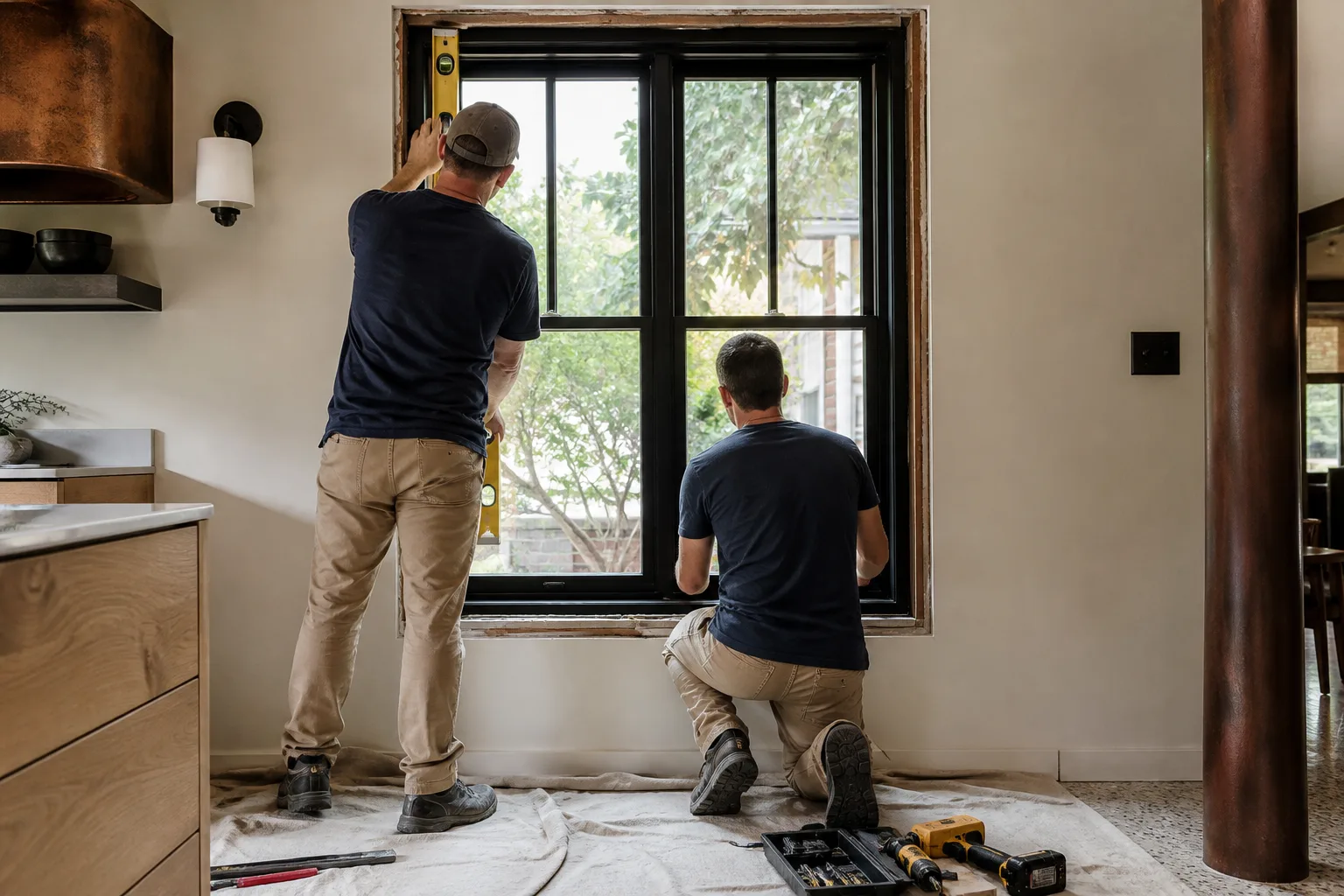
A window is only as good as the install. Poor flashing, a rough opening out of square, or too few shims shortens the product’s life no matter how good the glass is. Groundwork Construction Co. of North Las Vegas backs every install with the 730-Day Done Right Promise, so the workmanship doesn’t quietly rob years off the window. If it’s not done right, we make it right. That covers flashing, sealing, and operation across the two-year window when most install errors first show themselves.
You’ll also get background-checked, uniformed technicians on the job, and calls answered by a live person 24/7. Good brand partners matter too: Andersen and Marvin for windows, alongside the framing and exterior materials that keep the envelope sound. Built to last, backed in writing.
If you’d rather not guess, we’ll tell you straight whether your existing windows are a repair or a replace. That’s the assessment we run across our North Las Vegas service area.
FAQs
Plan on 12-20 years for most windows here, versus the 20-40 often quoted nationally. The Mojave’s roughly 300 days of intense sun and extreme heat swings shorten frame and seal life, so the same window ages 20-30% faster than it would in a northern climate.
Cold climates generally get more years out of the same window. Desert UV and heat cycling do more total damage to vinyl frames and gas-fill seals than cold, and expansive clay movement here adds a failure mode cold climates don’t have.
The sealed glass unit, not the frame. In the Mojave, dual-pane gas-fill seals typically fail in 15-20 years, showing up as fog or condensation between the panes. Call (844) 797-5026 to have a failed seal looked at before it spreads.
Yes, and a no-pressure assessment answers that honestly. Failed seal on a newer performance window is often a repair; a chalky old vinyl frame with a sticky sash usually points to replacement. Call (844) 797-5026 for a free estimate.
If you’d rather have it looked at, Groundwork Construction Co. of North Las Vegas offers a no-pressure assessment in North Las Vegas. Tell us what you’re seeing, and we’ll tell you straight whether it’s a repair or a replace. Call (844) 797-5026 for a free estimate.
Written by the team at Groundwork Construction Co. of North Las Vegas, serving North Las Vegas, NV.