

Free written scope consultation - allowances, timeline, and change-order rules on paper before a single trade is scheduled
Styles & brands we work with
- Kitchen remodeling
- Bathroom remodeling
- Home additions & ADU
- Roofing
- Windows & doors
- Driveway & pavers
- Fence
See the difference
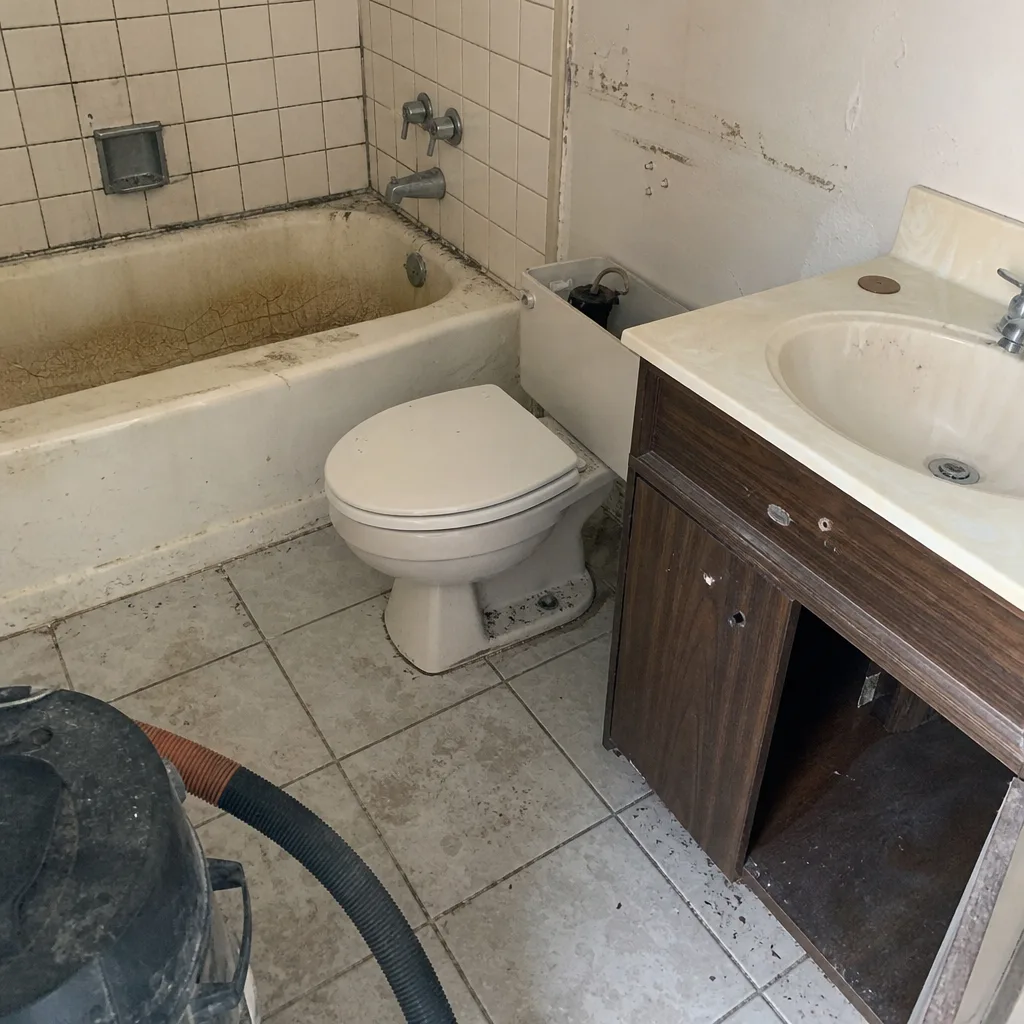 Before
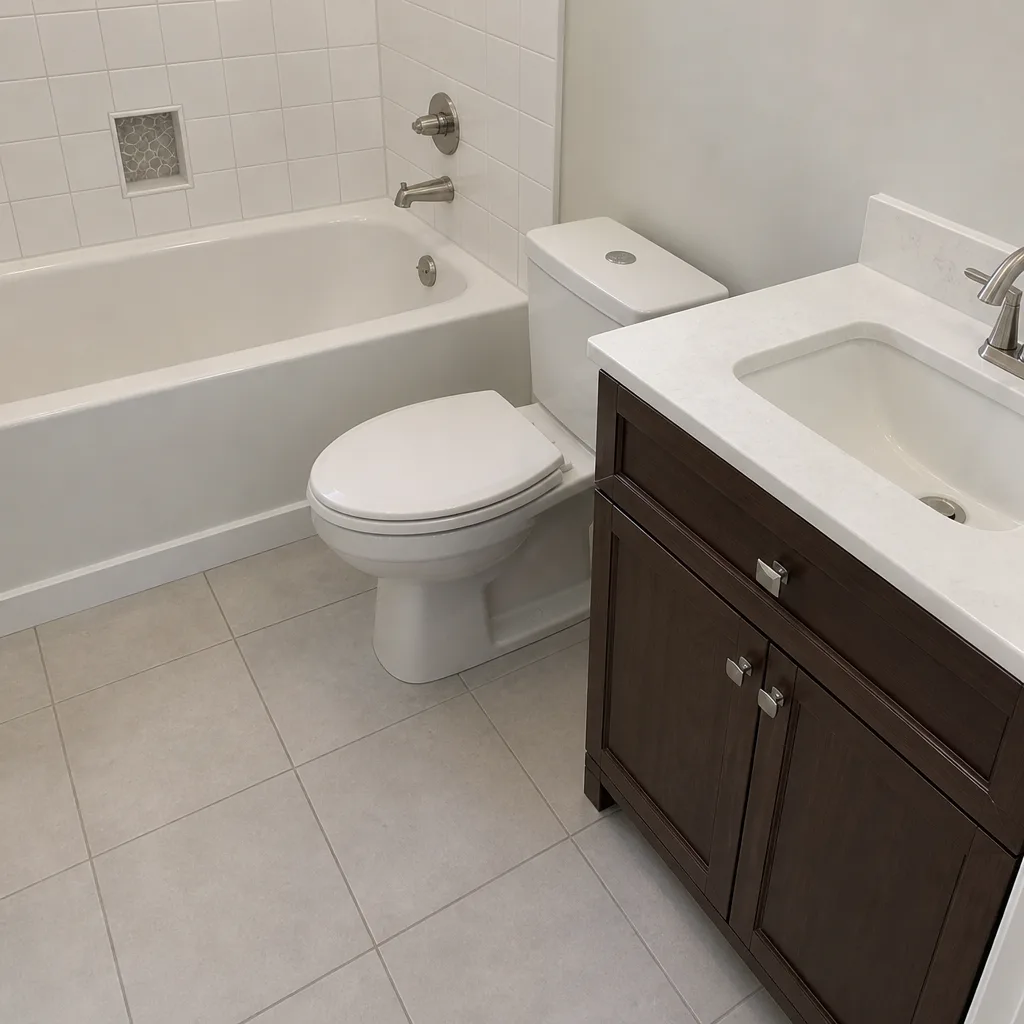 After
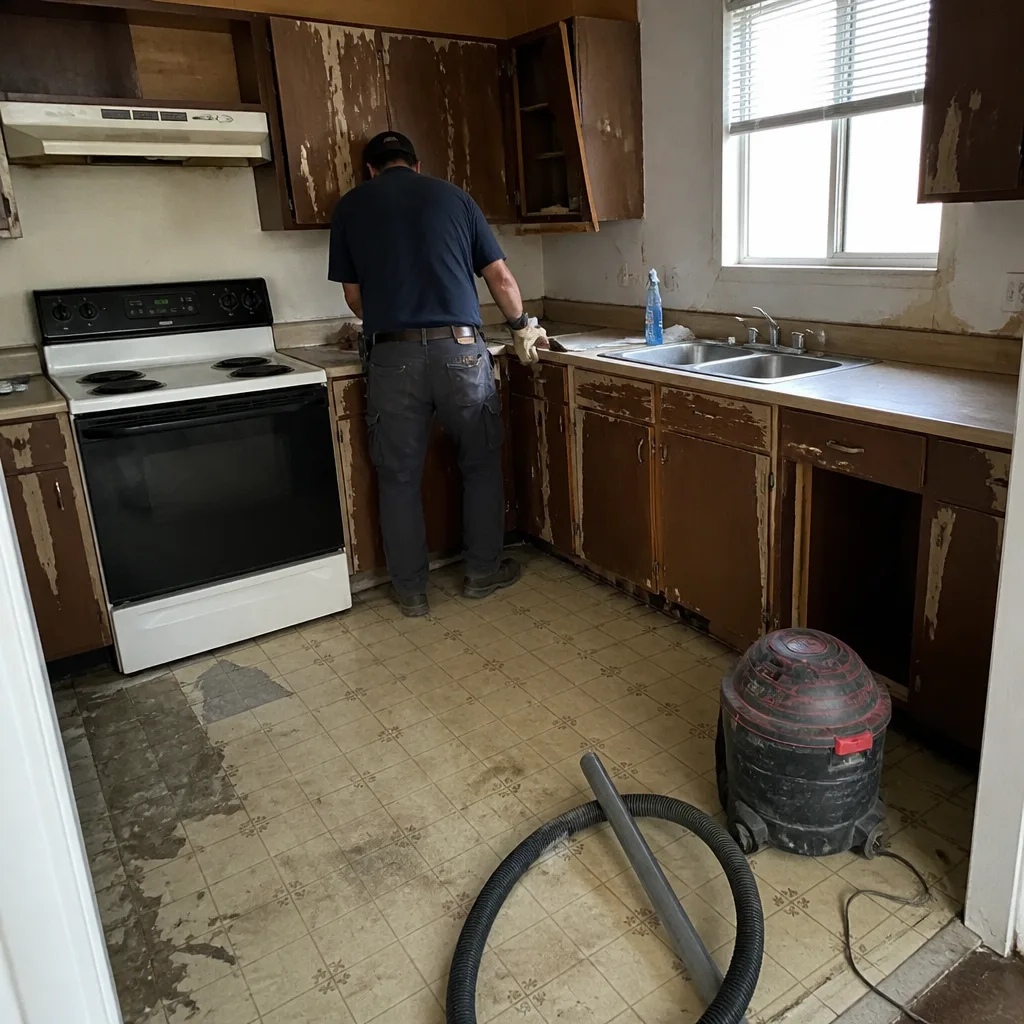 Before
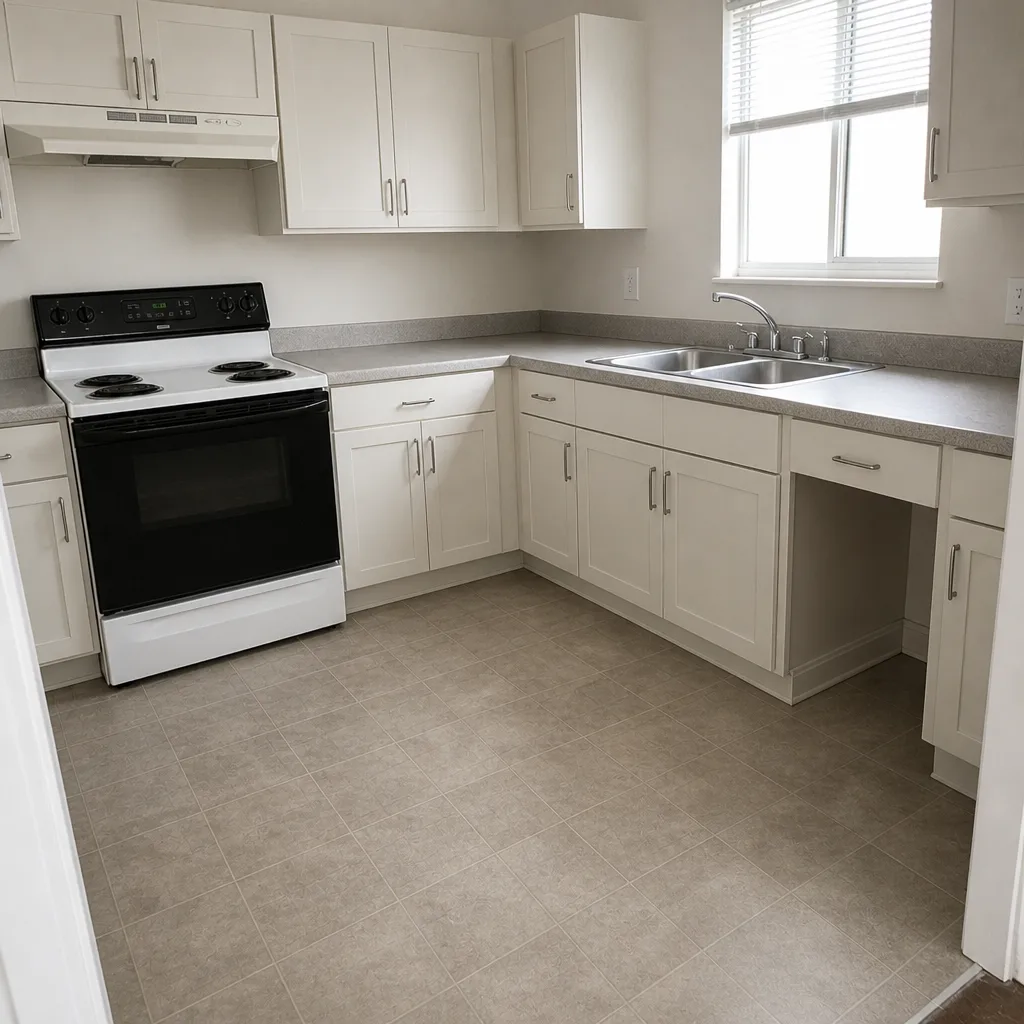 After
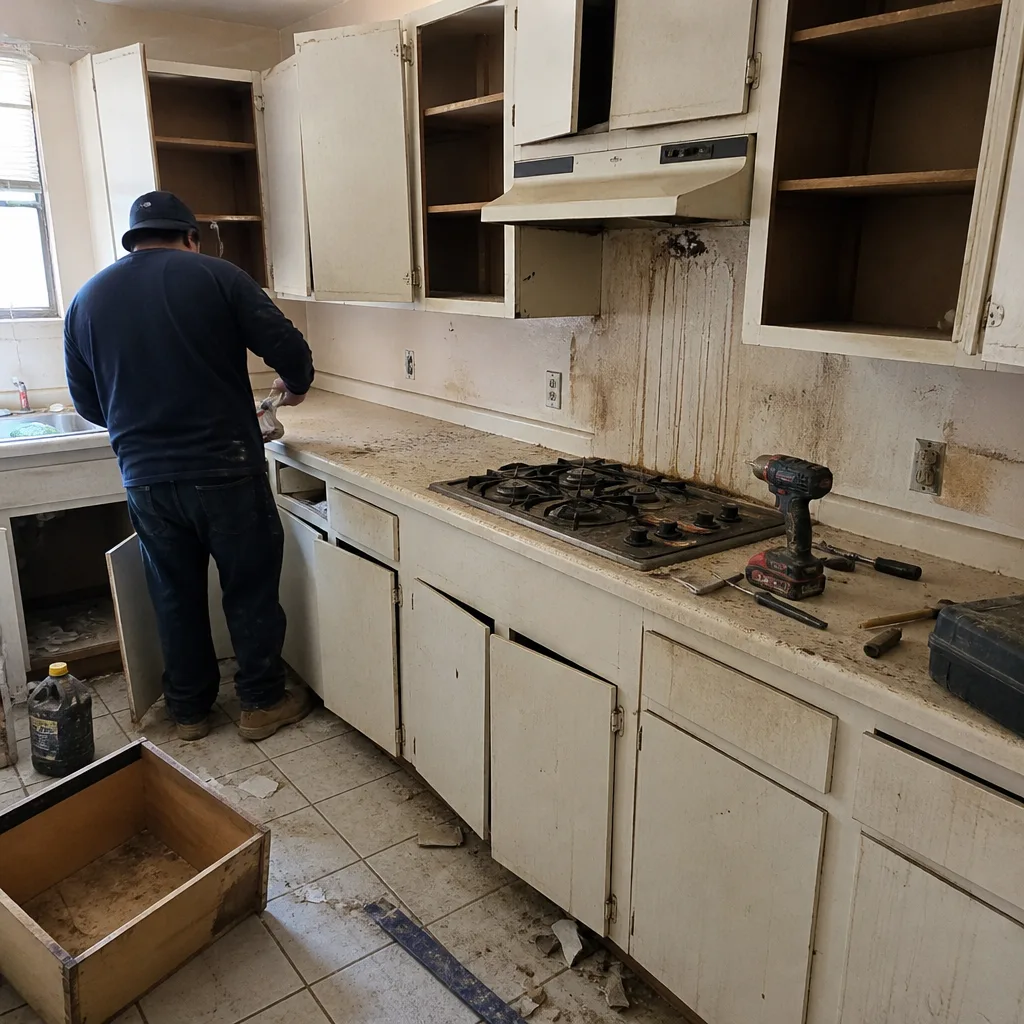 Before
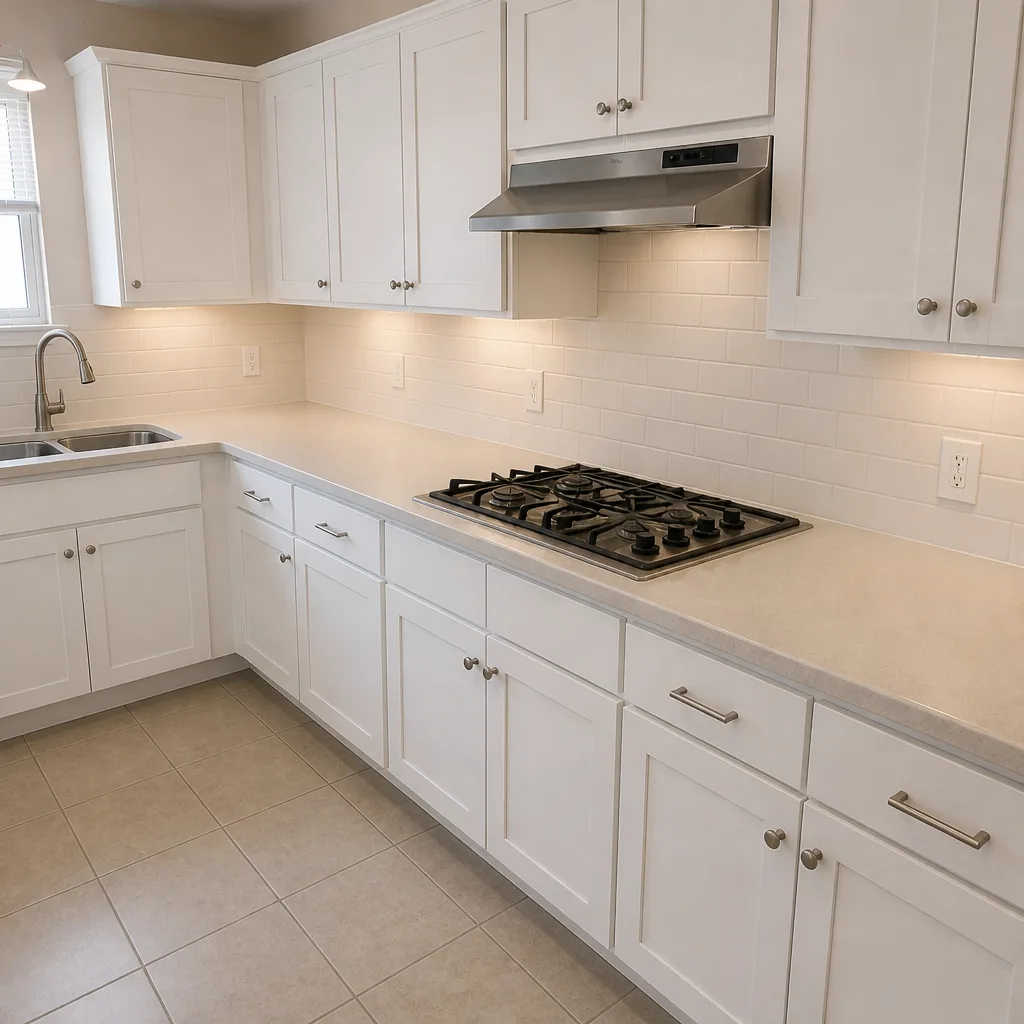 After
How to Fix a Sinking Driveway in North Las Vegas, NV
The fix starts with the soil, not the slab: in North Las Vegas, most sinking driveways settle because the expansive clay underneath shrinks as it dries, opening voids that the concrete above can no longer bridge. You repair it by diagnosing the cause first (crack pattern and void depth), then choosing a method that matches the clay behavior – foam lifting, mudjacking, partial replacement, or a full engineered pour. Patching the surface without addressing the clay guarantees you’ll be back here in two summers. If the settlement is uneven or you suspect voids, call (844) 797-5026 and we’ll map what’s happening under the slab before anyone quotes a fix.
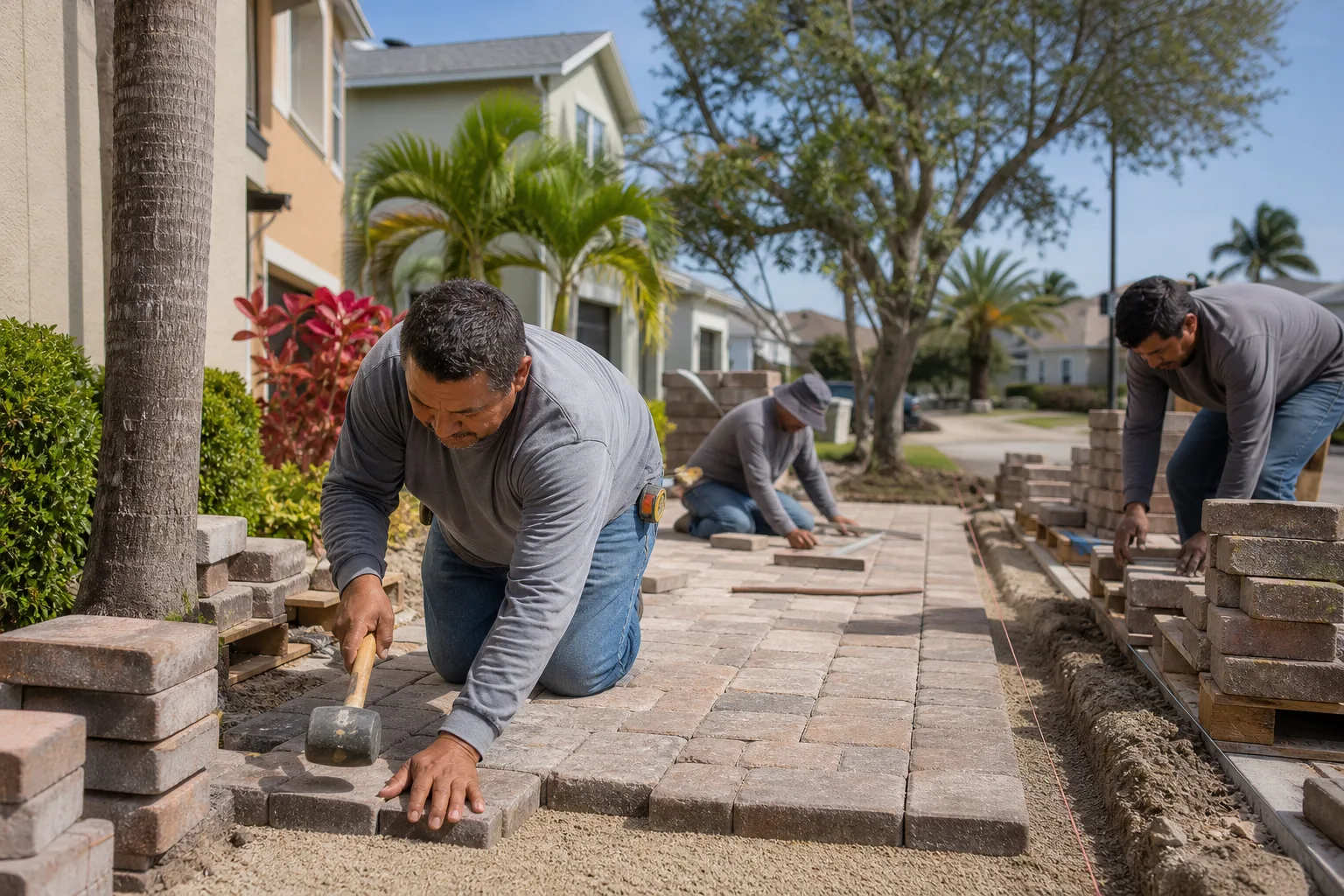
The North Las Vegas mechanism: why the clay moves without rain
If your North Las Vegas driveway is sinking, the clay underneath it may have already moved more than an inch this year without a single rainstorm, and that’s the part most repair guides skip. Our technicians have up to 12 years of experience, and the pattern we see most in this city has nothing to do with a recent downpour. It’s the dry cycle.
North Las Vegas sits on expansive clay soils. During the long dry stretch – summer highs that routinely push past 105°F – that clay contracts. As it pulls back, it leaves voids directly under your slab. The concrete is still strong. It just has nothing solid to sit on, so it settles into the gap. The rare monsoon moisture reverses the process: the clay swells, then shrinks again when it dries out. Every cycle leaves the soil a little less uniform than the last. A slab poured over that shifting base will move, and no surface patch changes the fact that the ground below it is still on the move.
This is why a lot of the settlement we investigate has nothing to do with compaction done wrong at install. In North Las Vegas’s post-1990 tract neighborhoods – and the newer master-planned communities pushing north – the housing stock is predominantly slab-on-grade construction, and residential pours are commonly around 4 inches thick. A 4-inch slab handles normal loading fine, but it has far less tolerance for a sub-base void than a commercial pour. Once the clay opens a gap, there’s less concrete depth to span it, and the surface starts to drop.
Diagnose before you pour: what we check first
Before choosing a repair method, a proper diagnosis separates differential settlement from ordinary shrinkage. Two checks get you most of the way there.
- Crack pattern. Diagonal cracks running toward the corners usually mean differential settlement – part of the slab dropped while the rest held. Linear cracks, especially running straight across the middle, more often point to shrinkage from the clay drying out. The two need different fixes.
- Void depth. We probe under the edge with a rod to measure how deep the gap runs before committing to a method. A shallow void and a deep one are not the same repair.
- Slab thickness and base. Knowing whether you’re on a thin residential pour or something heavier tells us how much the slab can be lifted without cracking it.
- Drainage and slope. Where water runs and pools changes how the clay behaves at the edges.
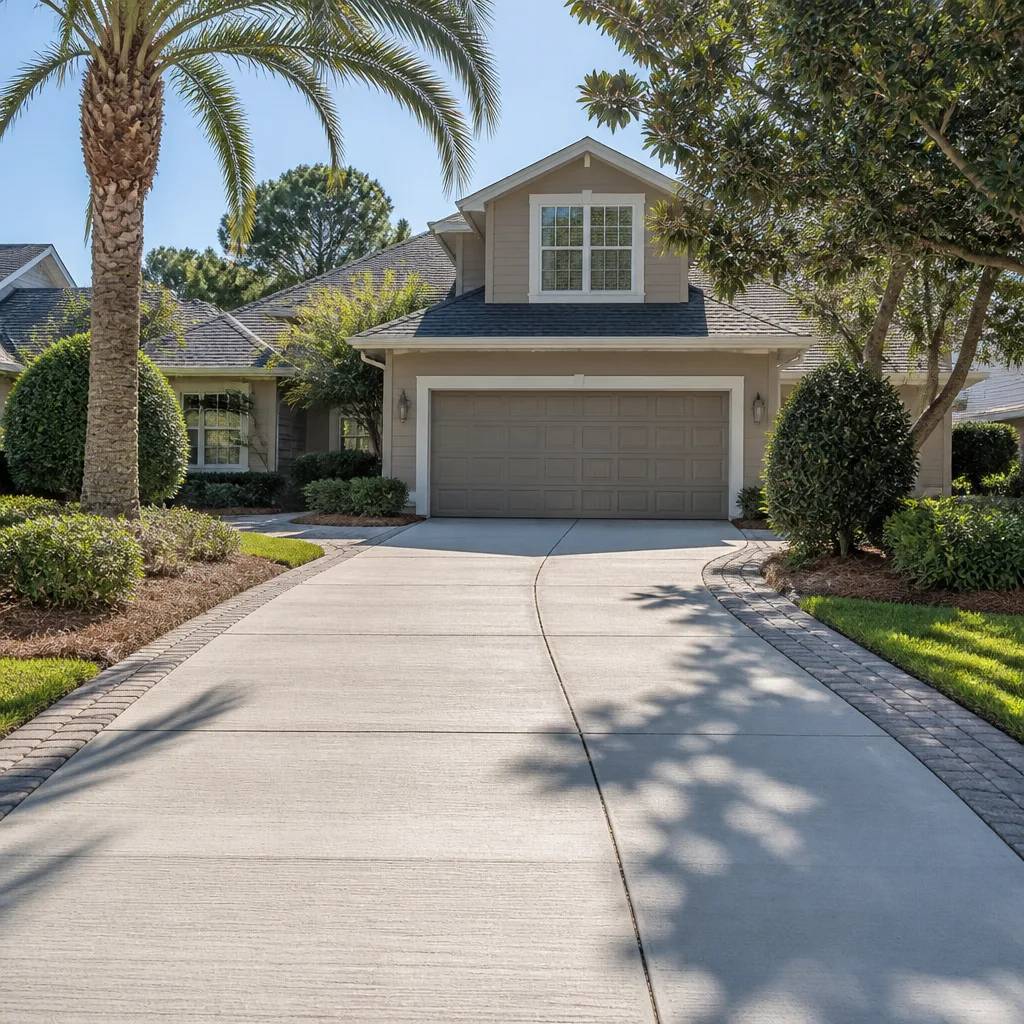
This is a documented soil assessment, not a guess. Homeowners in the Aliante and Valley Vista areas get an actual report on what’s happening under the slab before they see a number – because a patch bid that ignores the clay underneath is a bid you’ll pay twice on. From there we price the work with upfront pricing, so the number you see is the number you pay. If you’re weighing pavers against concrete for a replacement, our guide to Driveway & Pavers covers the material trade-offs.

Foam lifting vs. mudjacking vs. full replacement
No single method fits every North Las Vegas driveway. The right call depends on how much of the clay base has moved and how uniform it still is. Here’s how the three main approaches compare, with the price ranges we quote for this market.
| Method | Best for | Typical cost in North Las Vegas |
|---|---|---|
| Polyurethane foam lifting | Small, isolated settling where the clay base is still consistent | Quoted with repair pricing, generally the lowest-cost option |
| Mudjacking (slurry lift) | Broader, shallow voids where the slab is sound | Quoted with repair pricing, above foam |
| Partial slab replacement | Deep or uneven settlement in one section | $5,000-$14,000 for driveway replacement |
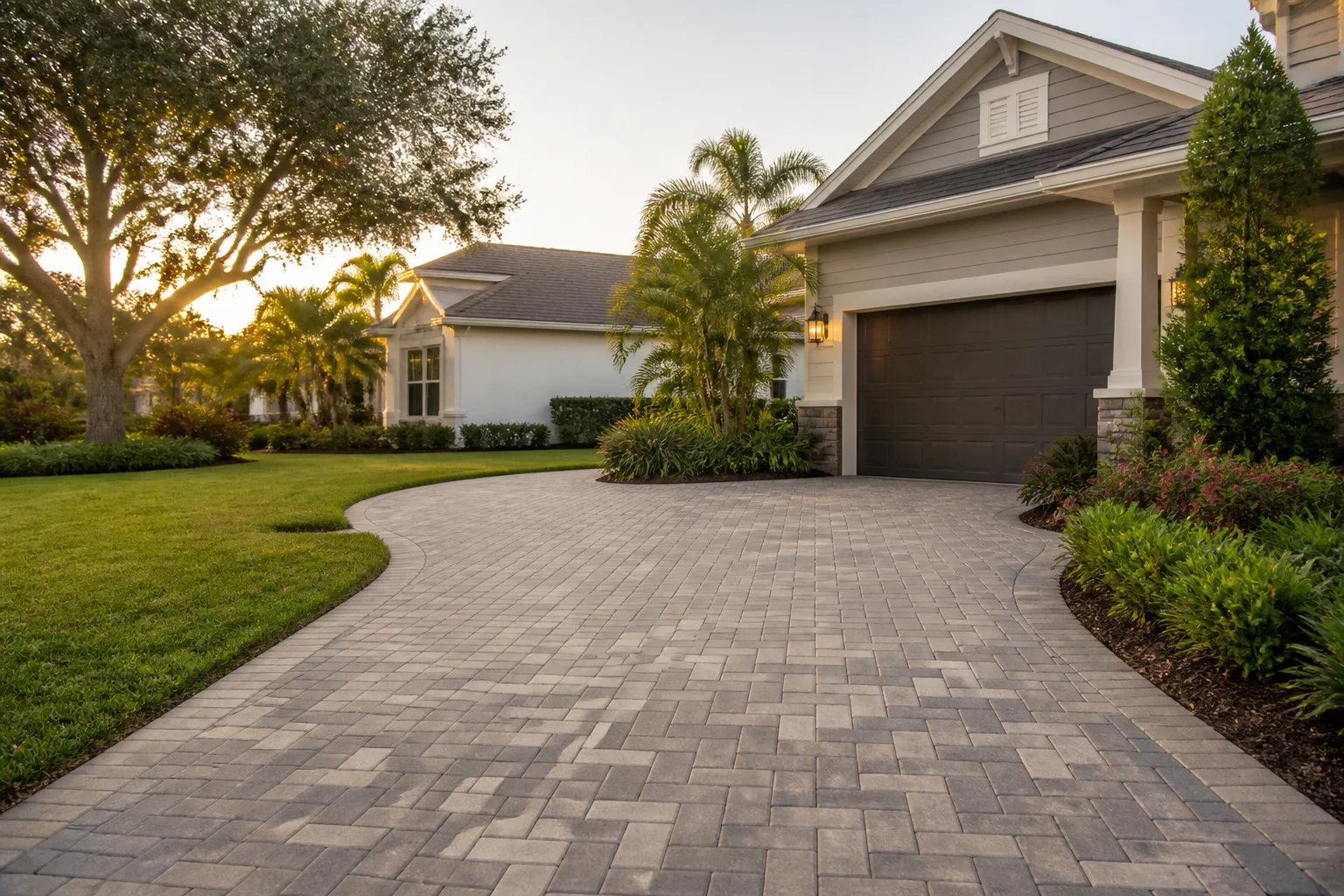
| Full replacement | Widespread movement or a base that needs rebuilding | $4,500-$12,000 concrete; $7,000-$18,000 pavers |
Here’s the guidance most guides leave out. Foam lifting is a smart, low-impact fix, but it’s a bad fit when the clay base is uneven or the void is deep and one-sided. In those clay-soil scenarios, lifting the slab just re-levels it over ground that’s still going to move, so it settles again within a couple of seasons. That’s a disqualifier, not a discount. When we see uneven settlement over active clay, we tell you honestly that the base needs addressing rather than selling you a lift that won’t hold. A replacement pour, backfilled and compacted properly, or a paver surface that flexes with minor movement, tends to be the more durable answer in this city. If a full rebuild is on the table, we use proven hardscape products like Tremron, Techo-Bloc, or Cambridge Pavers and back the work with the 730-Day Done Right Promise – if it’s not done right, we make it right.
There’s a seasonal wrinkle too. Concrete placement in North Las Vegas summer heat needs early-morning schedules and careful curing, so a replacement poured in July gets a different process than one poured in January. That affects when we schedule and how the new slab cures, not whether it lasts.
When to call a professional instead of patching it yourself
A hairline linear crack you can caulk. A driveway dropping more than an inch near the garage, with a diagonal crack or a hollow sound underfoot, is a different job. Lifting a slab requires foam injection equipment and a real read on the void depth; a bad lift can crack a sound slab. Keep an eye on it, note which way the cracks run, and let a trained crew probe before anyone pours. Our team walks every project from foundation to finish line, and calls are answered by a live person 24/7 – no waiting until Monday morning when you’re staring at a widening crack.
FAQs
Because the repair addressed the surface and not the expansive clay underneath. If the base void is still there or still moving, a patch or a lift will settle again within a couple of seasons. The fix has to match the clay behavior, which is why we probe for void depth before quoting.
It depends on the method: partial or full driveway replacement runs $5,000-$14,000, a fresh concrete pour is $4,500-$12,000, and pavers run $7,000-$18,000. Foam and mudjacking cost less but only work when the clay base is stable. Call (844) 797-5026 for an exact quote – estimates are free, and we document the soil before pricing.
Full replacement or a paver surface is often the better long-term call when the clay base is uneven or the void is deep. Foam lifting works well for small, isolated settlement over a stable base, but it’s a poor fit when the ground is still moving – lifting over active clay just buys time. We tell you which case you’re in before you spend a dollar.
We can usually schedule a fast assessment, and your call is answered by a live person 24/7. Bring your crack pattern and where it’s dropping, and we’ll probe the void depth and give you upfront pricing with no surprises. Call (844) 797-5026 – the design consult is free.
Get a soil-first driveway assessment in North Las Vegas
If you’d rather have it looked at than guess, Groundwork Construction Co. of North Las Vegas offers a no-pressure assessment in North Las Vegas. We’ll map the clay under your slab, walk you through your options, and quote a fix that’s built to last and backed in writing. Call (844) 797-5026.
Written by the team at Groundwork Construction Co. of North Las Vegas, serving North Las Vegas, NV.