

Free written scope consultation - allowances, timeline, and change-order rules on paper before a single trade is scheduled
Styles & brands we work with
- Kitchen remodeling
- Bathroom remodeling
- Home additions & ADU
- Roofing
- Windows & doors
- Driveway & pavers
- Fence
See the difference
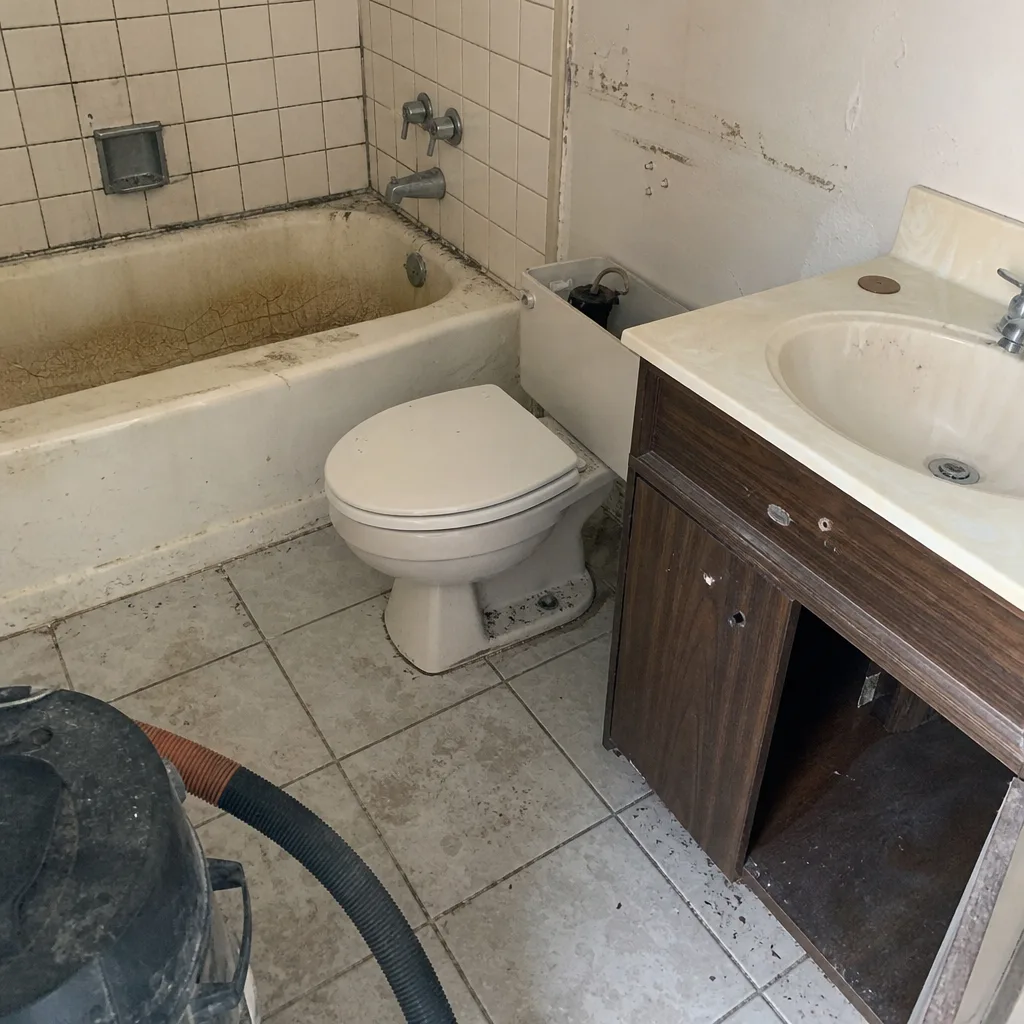 Before
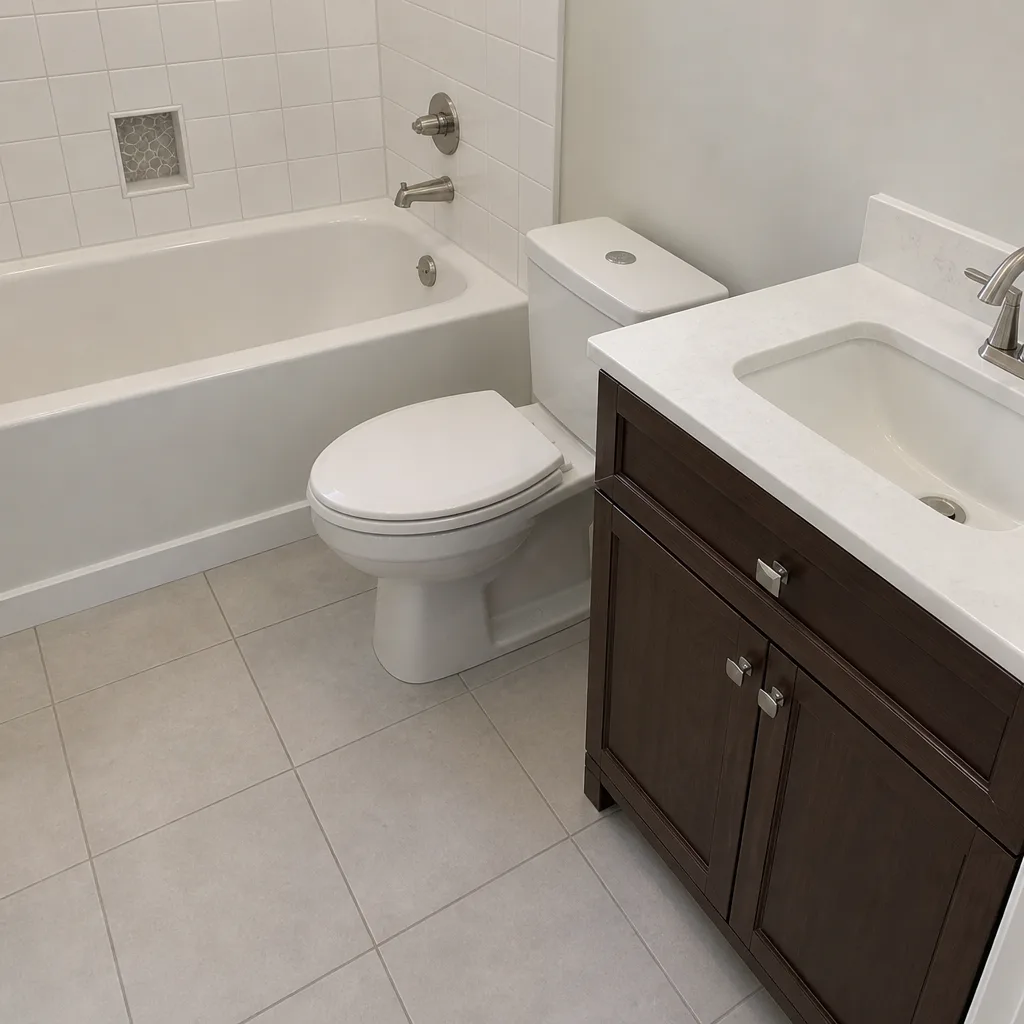 After
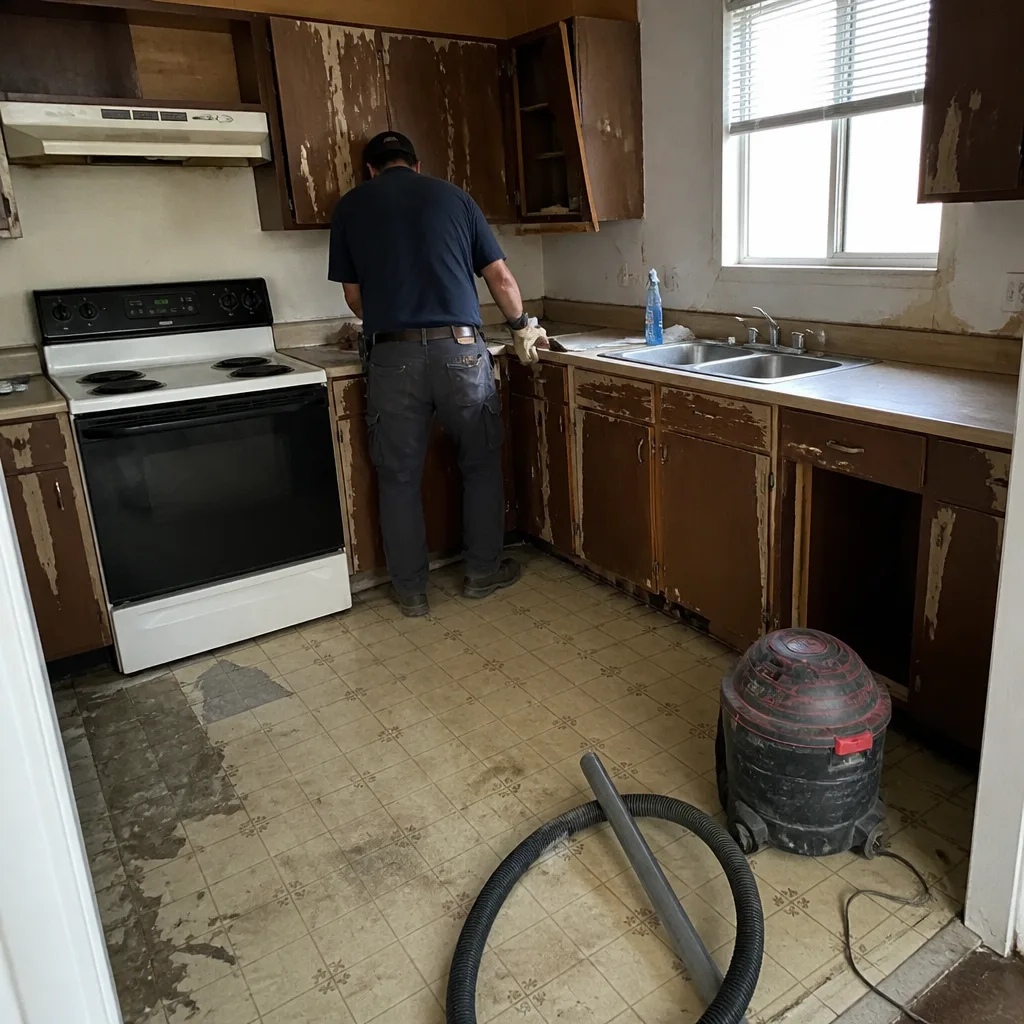 Before
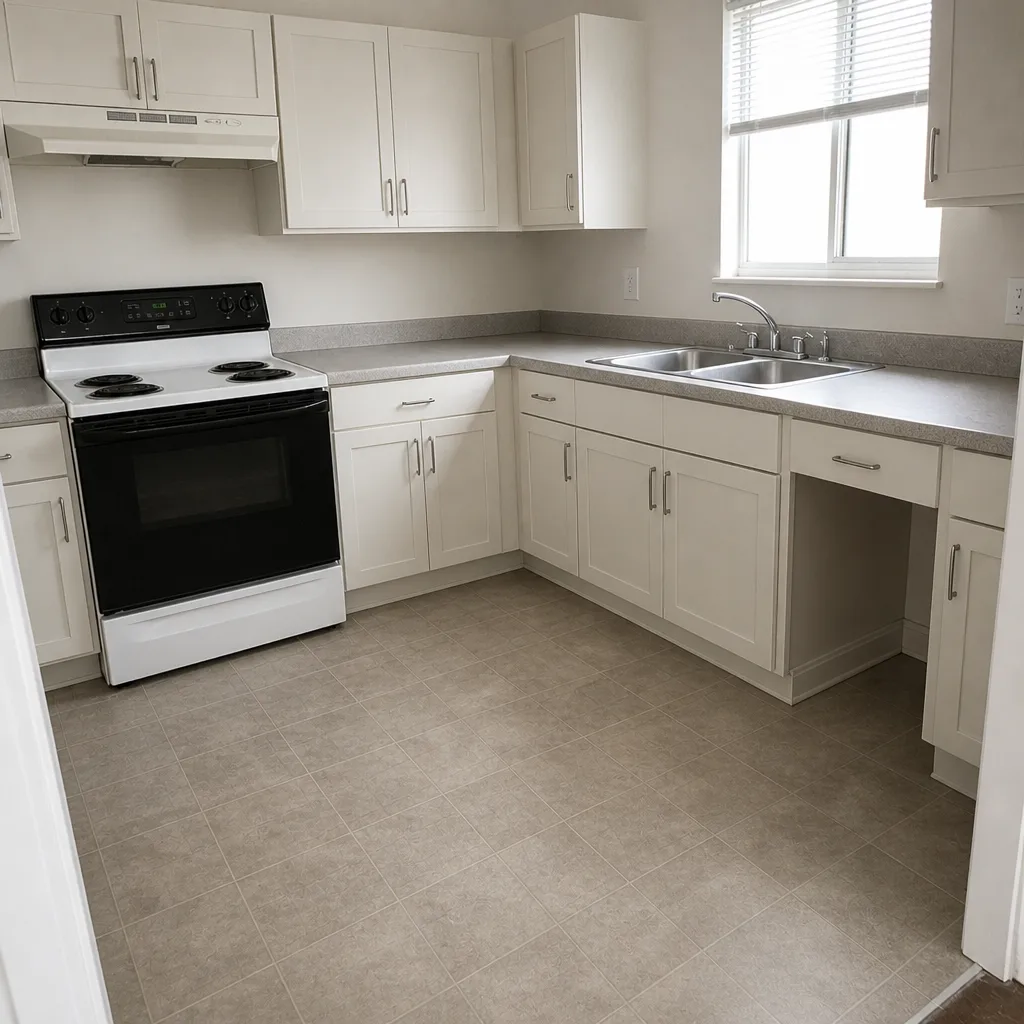 After
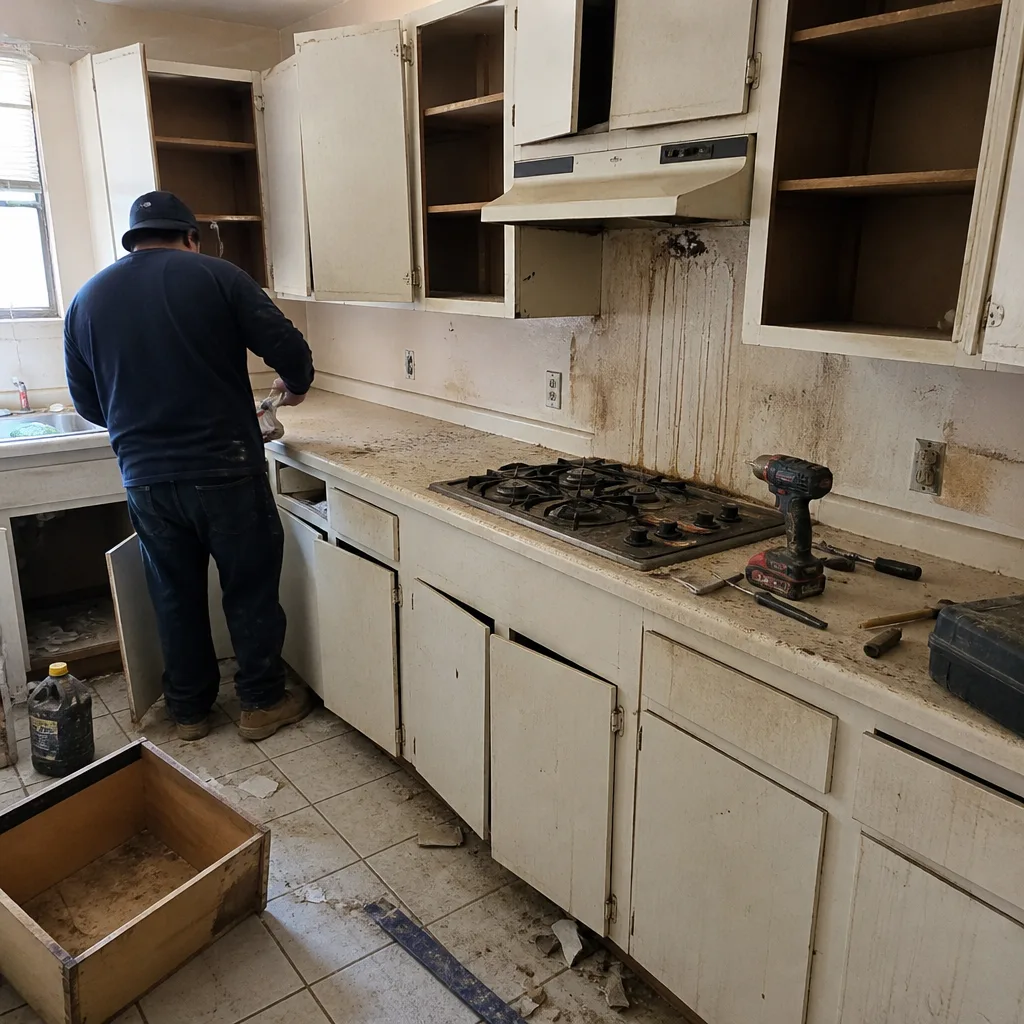 Before
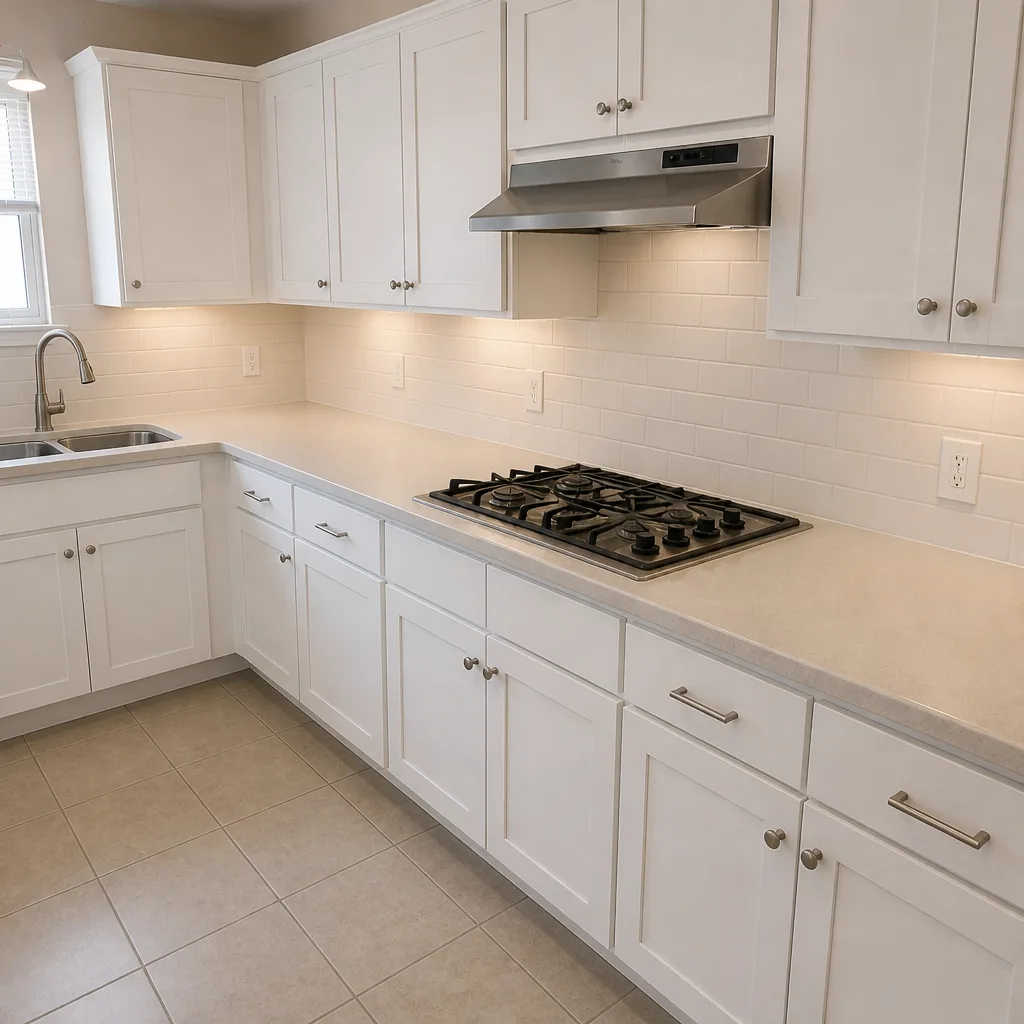 After
How to Repair a Chain Link Fence in North Las Vegas, NV
Most sagging chain link in North Las Vegas is a tension problem, not a broken-wire problem: wind load and years of thermal expansion have cycled the fabric loose, and the fix is re-tensioning the whole section with a come-along and tension bar, not patching the hole. If a post is bent or a bottom rail has pulled free, that’s a foundation job, and the caliche layer under our topsoil turns it into real work. For an assessment before the next wind event, call (844) 797-5026.
Here’s the part most how-to guides skip. We’ve watched chain link fail in this city for reasons that have almost nothing to do with the quality of the metal and everything to do with what the desert does to it. That distinction matters, because it changes what “repair” actually means on your fence line.
Why Chain Link Fails Faster in North Las Vegas
Three forces work on every chain link run here, and they compound. Extreme UV beats on the PVC coating until it chalks and cracks. Summer heat pushes the fabric to expand and cool nights pull it back, dozens of times a season. And wind events that can top 60 mph load the whole run at once. Fasteners are rarely the first thing to go. Tension is.
Fabric that was never tensioned to spec (ASTM F567 calls for a minimum of 200 lbs of tension) starts out loose and only gets looser. A fence that looked fine in 2019 can have a 4-inch sag by 2025 without a single broken wire. In Tule Springs and Valley Vista, where new-construction subdivisions went up fast during the growth boom, we regularly find runs that were installed at the low end of tension because the crew was moving to the next lot. Older ranch homes in the Downtown and Rancho core have the opposite issue: decades-old galvanized fabric that’s oxidized and brittle, where patching one hole just moves the failure two feet down.
That’s the local reality. Repair the hole and ignore the tension, and you’ll be back out there within a year.
What a Real Chain Link Repair Involves
A proper repair on a wind-loaded run is a sequence, not a single patch. Here’s what it looks like when it’s done right:
- Assess the whole section, not the damage. Walk the run and check tension at every post. If the fabric moves more than an inch when you push it, the section needs re-tensioning.
- Re-tension with a come-along and tension bar. Hook the come-along to a terminal post, pull the fabric taut against a tension bar at the end, and re-secure the ties. This is the step most DIY patches skip.
- Check the bottom of the run. For fence lines over 50 feet, a bottom rail beats tension wire alone. Tension wire stretches under wind load, the fabric billows, and eventually pulls the ties off the posts. Upgrading to a bottom rail on long runs is often the difference between a repair that holds and one that fails next spring.
- Replace bare galvanized with PVC-coated fabric. Green or black PVC-coated chain link is the right spec for desert sun. Bare galvanized oxidizes and discolors within 5 to 7 years here, and it doesn’t come back. If your existing fabric is galvanized and failing, replacement with PVC-coated fabric is the better investment than chasing patches.
- Reset any terminal post that’s leaning or knocked out. This is the caliche problem, and it deserves its own section below.
If the fence run is also nearing the end of its life, it may be worth weighing repair against replacement. Our Fence Installation team can give you a straight comparison, and most jobs are completed in a single visit.

The Caliche Problem: Why Replacing a Post Is Harder Here
Caliche is the cemented calcium carbonate layer that sits under North Las Vegas topsoil, and it does not care about your sledgehammer. If a terminal post has been knocked over by wind or a vehicle, driving a new one through caliche by hand is usually not a practical option. You need a rotary hammer drill with the right bit, or a crew with a hydraulic auger. On a hillside lot in Tule Springs, we’ve seen a single post take an hour of drilling before the hole was deep enough to set concrete.
Once the hole is there, the post still needs concrete set below the frost line and braced until it cures. This is where a repair that “looks done” turns into a lean six months later. If the post is set shallow, wind load will find it.
If you’re on expansive clay soils (common in the area), the concrete needs to be engineered to hold against seasonal movement, which is why a post replacement in North Las Vegas is rarely a weekend DIY job. It’s an afternoon with the right equipment and a crew that has done it before.
What Chain Link Repair Costs in North Las Vegas
Repair pricing here splits into three bands: small patching and re-tensioning, mid-size section repairs with post resets, and full-run work that’s really a replacement. Here’s the range we see across the city:
| Repair Scope | Typical Cost Range |
|---|---|
| Re-tension a section (no new parts) | $150-$400 |
| Patch fabric holes + re-tie | $200-$550 |
| Replace a leaning terminal post (with caliche drilling) | $400-$1,200 |
| Upgrade bottom of run to bottom rail | $600-$1,800 |
| Replace fabric on a long run with PVC-coated | $2,500-$6,000 |
| Full chain link removal and replacement | $3,500-$9,000 |
Those numbers are ranges, not quotes. Every fence is different, which is why we price from the job site with upfront pricing, not over the phone. You get the number before we start, and the number you see is the number you pay. For larger projects where the fence is part of a broader exterior upgrade, we also offer driveway and paver work as part of the same walkthrough.
When to Call a Pro Instead of Doing It Yourself
We’re not going to pretend every chain link repair is dangerous, but some are genuinely a bad idea to tackle alone. Replacing a post is the main one. Drilling into caliche with a handheld rotary hammer while a 6-foot steel post swings overhead is a good way to hurt a wrist or a shoulder, and if the post isn’t set deep enough, it’ll lean again within a season. Re-tensioning a long run with a come-along is the second one. The tension bar can snap back with real force if it slips.
Everything else (a single bent tie, a small hole in the fabric, a loose top rail) is fair game for a homeowner with basic tools. If you’ve got a torn section more than 2 feet long, a leaning post, or a run that sags in multiple places, that’s when a trained crew saves you money over the long haul.
This is also where our live-answer line matters. A fence that got damaged in a wind event at 9 p.m. on a Friday doesn’t have to wait until Monday morning for a callback. A real person answers the phone around the clock, timelines get set, and uniformed crews show up ready to work, not to evaluate whether the job is worth their time. That’s part of why homeowners hire us for the whole exterior scope, and why we back every repair with the 730-Day Done Right Promise.
FAQs
Most chain link repairs in North Las Vegas run $150-$1,200 depending on scope, with full replacement landing in the $3,500-$9,000 range. Re-tensioning a loose section is the low end; resetting a post through caliche pushes toward the high end. Call (844) 797-5026 for an exact quote, and we’ll give you a free estimate with no pressure.
Usually yes, if the fabric is PVC-coated and intact. A sagging fence is almost always a tension problem, and re-tensioning the section with a come-along and tension bar restores the run without new fabric. Bare galvanized fabric that’s oxidized and brittle is the exception; there, replacement with PVC-coated fabric is the better call.
Because the tension was never correct to begin with, and wind load pushes it further out of spec each time. North Las Vegas wind events can top 60 mph, and runs installed below the ASTM F567 minimum of 200 lbs of tension loosen progressively. A repair that only patches the visible hole will sag again within a year. Call (844) 797-5026 and we’ll check the whole run, not just the damage.
Repair is cheaper up to a point: re-tensioning, patching, or resetting one post is a fraction of replacement cost. Once the fabric is bare galvanized and failing across multiple sections, or several posts are leaning, replacement with PVC-coated chain link (typically $3,500-$9,000) is the better investment for desert UV. Call (844) 797-5026 and we’ll tell you which one makes sense for your fence.
If you’d rather have it looked at, Groundwork Construction Co. of North Las Vegas offers a no-pressure assessment in North Las Vegas. We’ll walk the run, tell you what’s actually failing, and give you an upfront number. Call (844) 797-5026 for a free estimate, and if the wind takes out a section overnight, a live person answers whenever you call.
Written by the team at Groundwork Construction Co. of North Las Vegas, serving North Las Vegas, NV.