Free written scope consultation - allowances, timeline, and change-order rules on paper before a single trade is scheduled
Styles & brands we work with
- Kitchen remodeling
- Bathroom remodeling
- Home additions & ADU
- Roofing
- Windows & doors
- Driveway & pavers
- Fence
See the difference
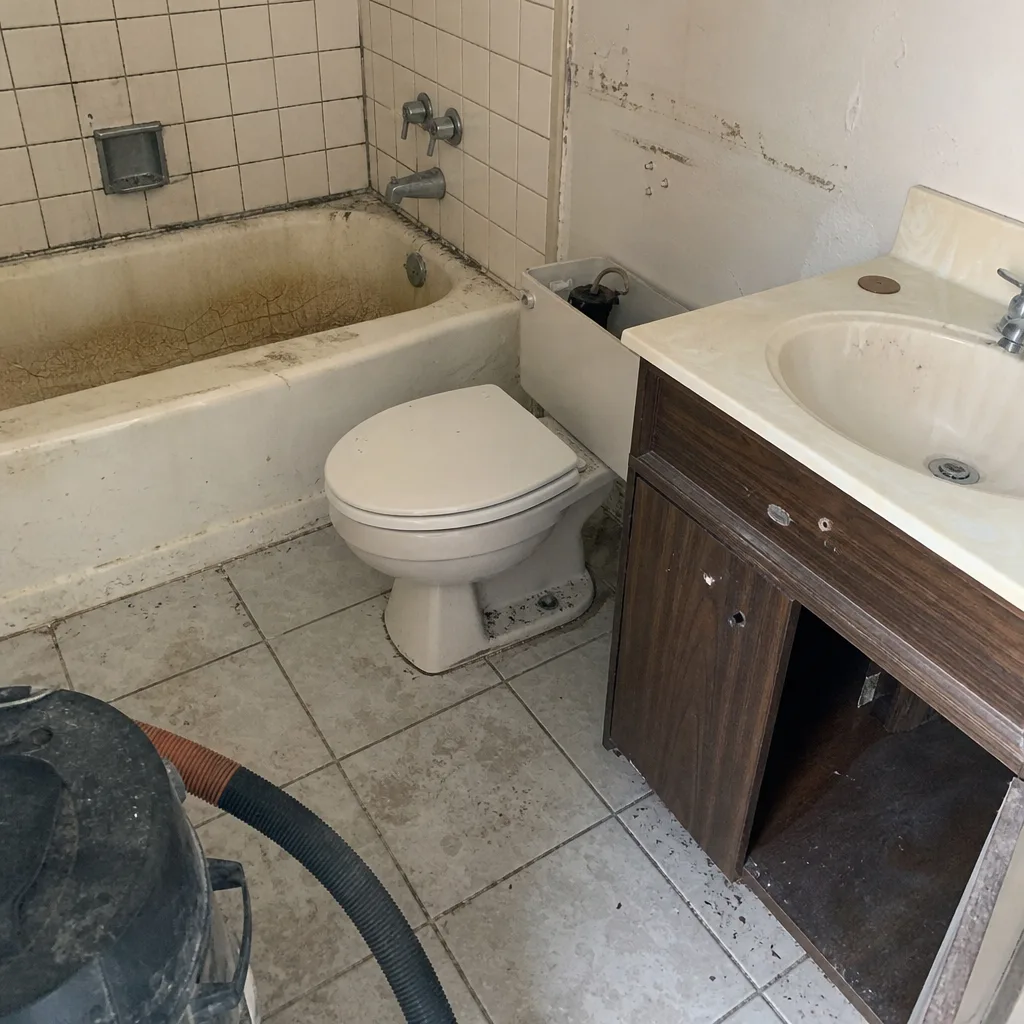 Before
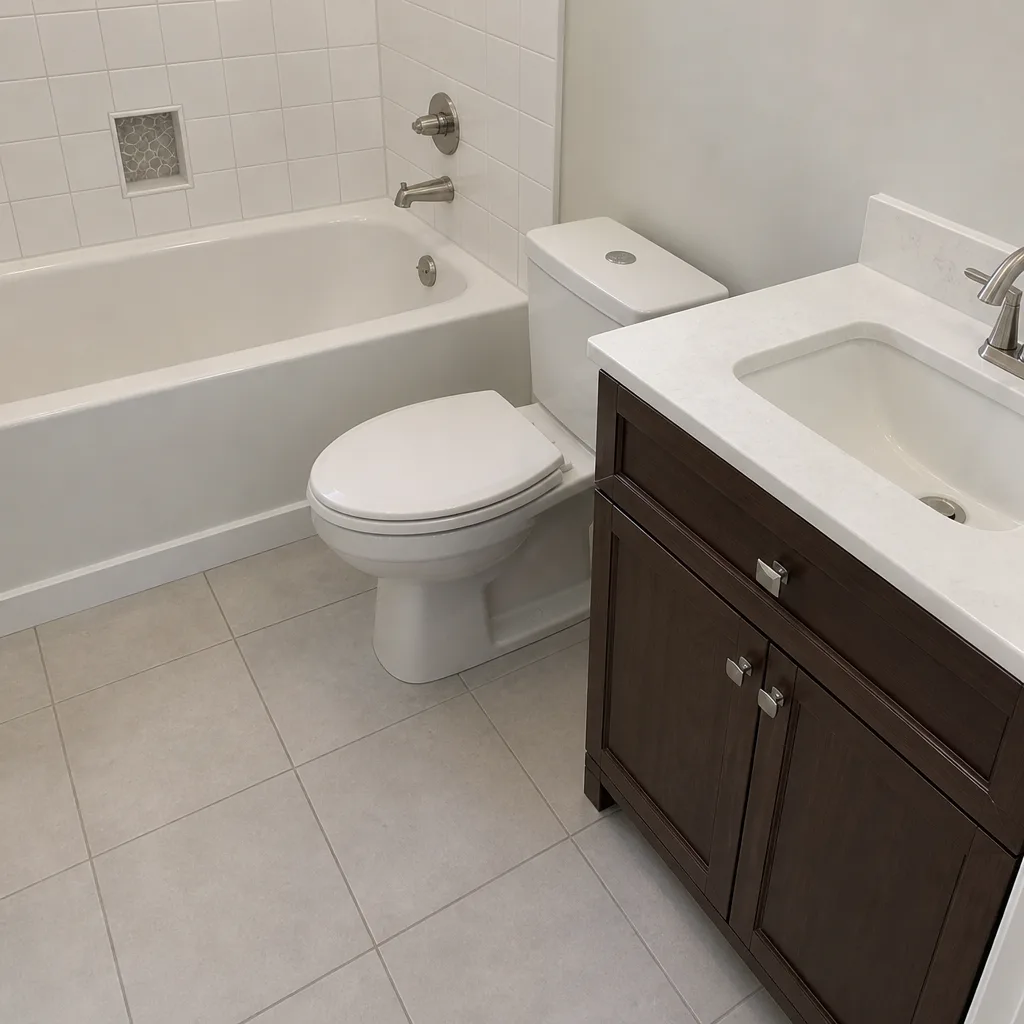 After
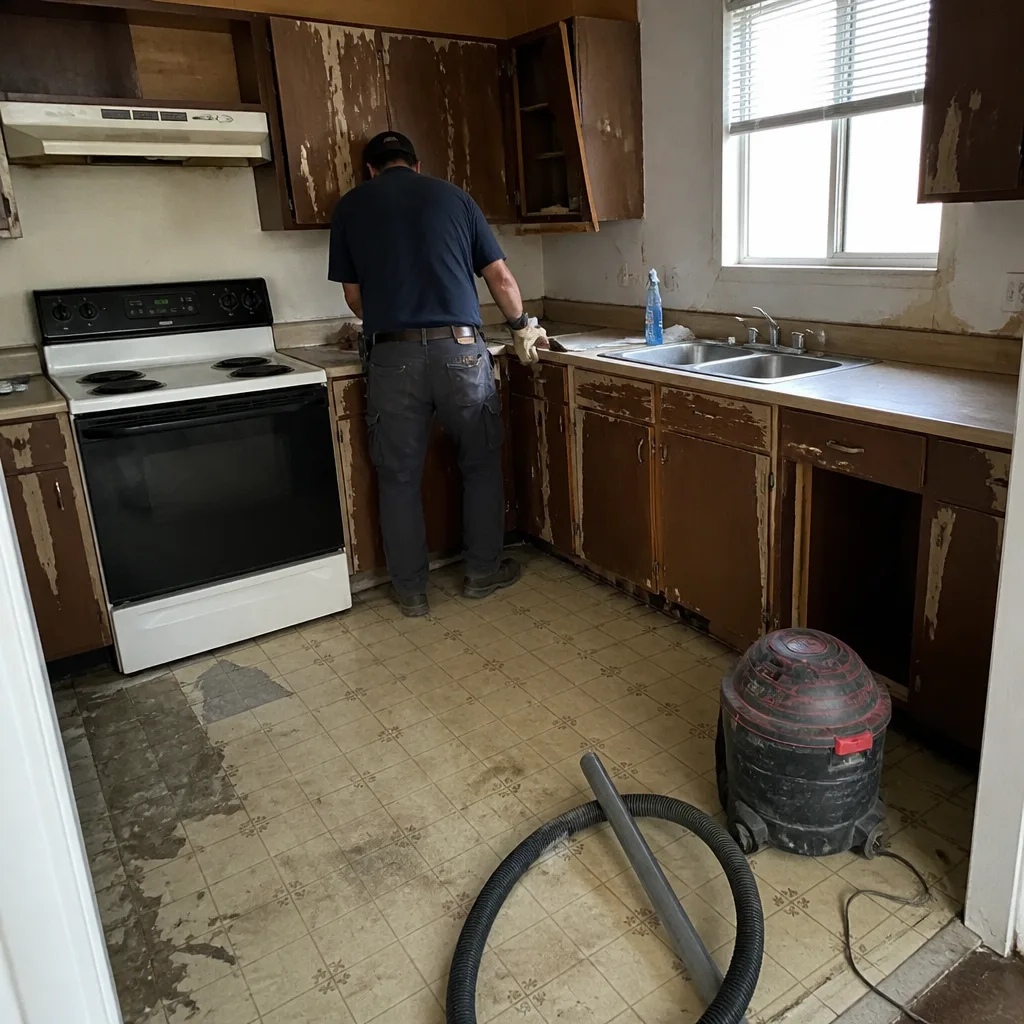 Before
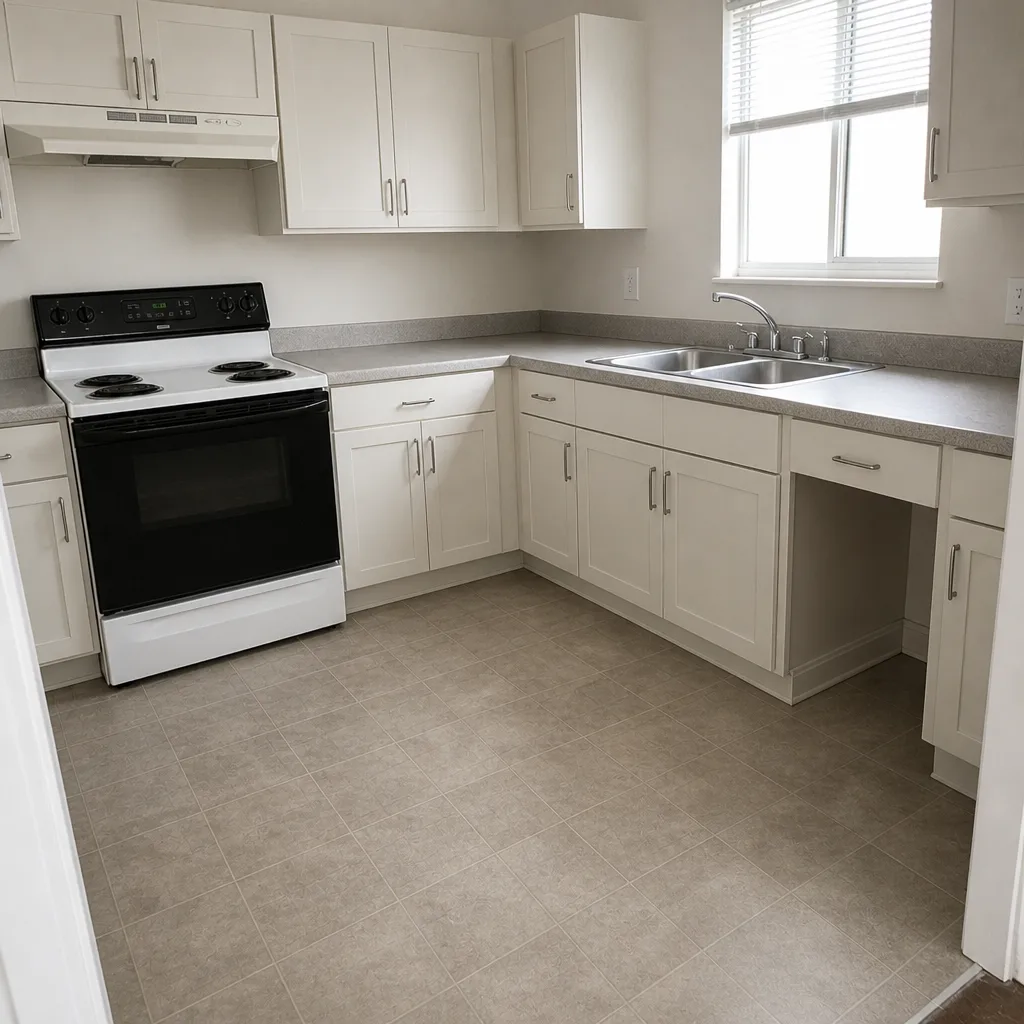 After
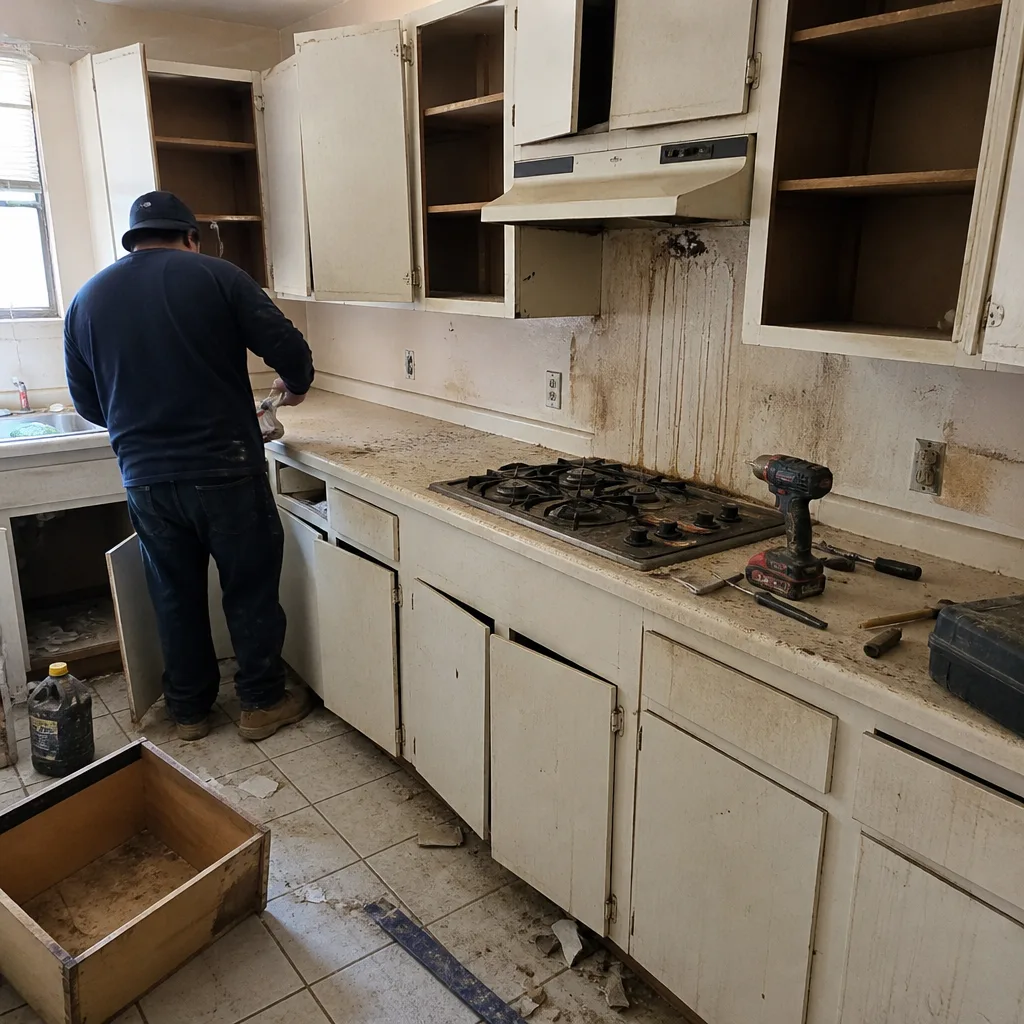 Before
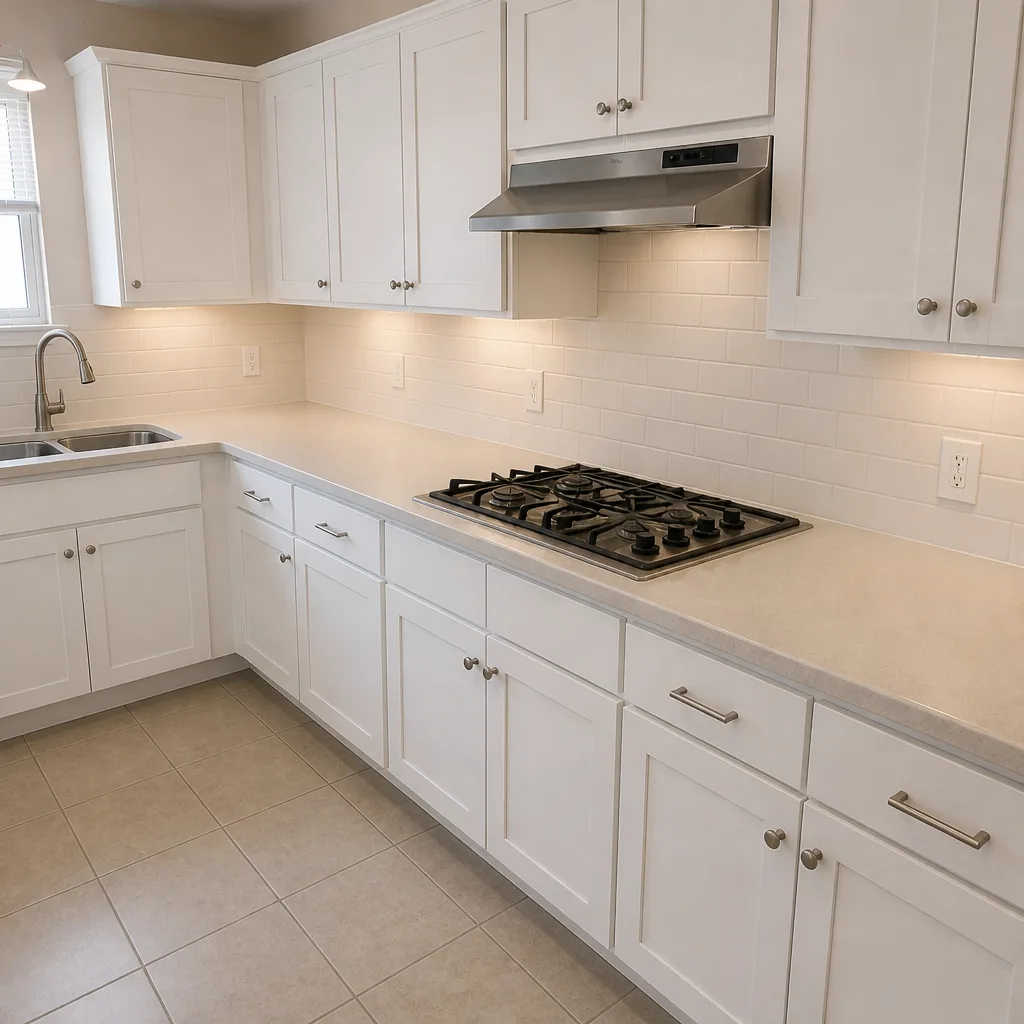 After
Vinyl vs. Fiberglass Windows in North Las Vegas: The Honest Answer for Mojave Sun
Choose fiberglass for any window that faces south or west in North Las Vegas, and choose vinyl for the shaded, north-facing, or interior-adjacent openings where direct sun rarely hits. That’s the committed answer, and it’s driven by this city’s climate rather than by anything a national comparison chart will tell you. In a market where summer highs routinely pass 105°F and afternoon sun pounds south-facing walls for roughly 300 days a year, the material behind the glass matters as much as the glass itself. Call (844) 797-5026 for a free orientation-by-orientation assessment.
Most vinyl-versus-fiberglass guides stop at “vinyl is cheaper, fiberglass lasts longer.” Useful, but incomplete. In North Las Vegas, the deciding factor isn’t price or lifespan in the abstract – it’s how each frame behaves across a daily temperature swing that can run from a 75°F night to a 115°F afternoon, over and over, for years.
Key Takeaways
- Fiberglass wins for south- and west-facing windows in North Las Vegas. Vinyl is a sound choice for north-facing and heavily shaded openings.
- Vinyl (PVC) expands roughly 3.5 times more than fiberglass over the same temperature range, which stresses window seals on sun-baked exposures.
- Standard vinyl can chalk and yellow within 10 to 15 years under Mojave UV without high-grade stabilizers; factory-painted fiberglass holds color and structure far longer.
- Fiberglass costs 20 to 40% more upfront, but the 20-year math narrows the gap through fewer seal failures and longer service life.
Why Thermal Expansion Decides This Question in North Las Vegas
Here’s the operator detail that separates a climate-matched recommendation from a stock-driven one. Vinyl and fiberglass don’t move the same way when heated. Over the same temperature range, a PVC frame expands at roughly 3.5 times the rate of a fiberglass frame. On a temperate coast that difference rarely matters. In North Las Vegas, where a south-facing window frame can cycle through a 40-degree daily swing day after day through summer, all that movement adds up.
What actually fails first isn’t the frame – it’s the insulated glass unit (IGU) seal. Every expansion-and-contraction cycle pushes and pulls on the seal that holds the glass sandwich together. Over enough years, that stress shows up as fogging between the panes, and once an IGU fogs, you’re replacing glass regardless of what the frame is made of. Fiberglass’s much lower expansion rate keeps that seal under far less mechanical strain on the hot exposures. That’s the technical reason fiberglass is the better long-term pick on the sun-baked sides of a North Las Vegas home.
What About UV and Paint Adhesion?
UV is the second front. Standard vinyl formulations that lack robust UV stabilizers chalk and yellow visibly within 10 to 15 years under Mojave sun – you’ll see it as a chalky film and a color that’s drifted from white toward cream. Fiberglass frames with a factory-applied finish hold their color and keep their structural integrity significantly longer in this environment, because the finish is bonded at the factory rather than relying on the base material’s own UV resistance.
The housing stock here plays into it. North Las Vegas is dominated by post-1990 tract homes and stucco-on-frame construction in master-planned subdivisions like Aliante and Valley Vista, plus a smaller set of 1950s-70s ranch homes in the older core. On the newer stucco-on-frame homes, the south and west elevations take the full afternoon load with little tree cover to break it. On the older ranch homes nearer Downtown and Rancho, windows are often original or first-replacement units that have already been through a decade or two of sun. Either way, the exposure pattern on any given wall tells you which material belongs there.
A Side-by-Side That Actually Commits
| Factor | Vinyl | Fiberglass |
|---|---|---|
| Expansion rate (relative) | ~3.5x fiberglass | Baseline (very low movement) |
| Sun-baked seal longevity | Shorter on S/W exposures | Significantly longer |
| UV color stability | Chalks/yellows in 10-15 yrs | Holds with factory finish |
| Upfront cost | Lower baseline | 20-40% higher |
| Best application here | North-facing, shaded, interior | South/west, full sun |
Groundwork Construction Co. of North Las Vegas installs both materials through our Windows & Doors service, including Andersen fiberglass-composite lines and quality vinyl options. Our recommendation is orientation-driven and climate-matched, never inventory-driven – we’d rather tell you vinyl is the right call for your north wall than upsell you into fiberglass you don’t need. Every install is backed by our 730-Day Done Right Promise, with background-checked, uniformed technicians on the job.
The 20-Year Cost Math, Run Honestly
Fiberglass windows cost 20 to 40% more than comparable vinyl. That’s real money, and we won’t pretend otherwise. But total cost of ownership over 20 years in North Las Vegas is closer than the sticker suggests, because the vinyl’s cheaper upfront price can be eaten by earlier seal failures and IGU replacements on the hot exposures. Here are the market-calibrated ranges we work with locally:
- Window Replacement: $4,500-$15,000
- Impact Window Installation: $8,000-$25,000
Run the comparison honestly and the pattern holds: on a south-facing wall, fiberglass’s extended service life and reduced seal-failure rate make the 20-year number competitive. On a shaded north wall, vinyl stays the cost-effective choice and delivers solid value. The right answer depends on which wall we’re talking about, not a blanket rule. If you need a broader scope that touches adjacent trades – roofing, for instance, since window replacement often pairs with a roof assessment – we handle that under one contractor, from foundation to finish line.
Three standing ways to make the project easier on the budget: no-hassle upfront pricing so the number you see is the number you pay, 0% financing for 18 months, and $1,000 off projects over $10,000. Add a free project estimate and design consult, and there’s no pressure to decide in the driveway.
How Groundwork Handles a North Las Vegas Window Project
North Las Vegas sits in a high-wind and seismic zone, so exterior assemblies here must meet stricter wind-uplift and shear requirements than neighboring jurisdictions. That’s why window selection and installation on the windward and sun-facing walls can’t be treated the same as a mild-climate job – the frame, the anchoring, and the flashing all factor into how the unit performs when a monsoon gust hits the same afternoon the sun’s been baking the wall all day. Because the city is growing fast, inspectors here often enforce the latest code adoptions on active job sites, so we build to current code from the start rather than chasing corrections later.
Our technicians have up to 12 years of experience, and all work falls under the 730-Day Done Right Promise – if it’s not done right, we make it right. Calls are answered by a live person 24/7, so you won’t land in a voicemail black hole when you have a question mid-project.
FAQs
For south- and west-facing windows under full Mojave sun, yes – fiberglass’s much lower thermal expansion keeps the IGU seal under less stress and holds color longer, which matters more here than in a temperate market. For north-facing or shaded openings, vinyl remains a cost-effective choice.
Fiberglass typically runs 20 to 40% more than comparable vinyl upfront. Over a 20-year horizon in this climate, the gap narrows because of longer service life and fewer seal failures. Window replacement in North Las Vegas ranges from $4,500 to $15,000 depending on count and material – call (844) 797-5026 for an exact quote, estimates are free.
Two reasons: PVC expands roughly 3.5 times more than fiberglass over the same temperature range, and standard vinyl without high-grade UV stabilizers chalks and yellows within 10 to 15 years under relentless sun. Combined, those two effects stress the glass seal and the frame finish faster than in moderate climates.
We install both, including Andersen fiberglass-composite lines and quality vinyl, and we recommend per-orientation rather than per-inventory. Explore our full North Las Vegas service area to see the broader scope, or return to the home page for our core services.
Get a Climate-Matched Window Recommendation
If you’d rather have it looked at, Groundwork Construction Co. of North Las Vegas offers a no-pressure assessment in North Las Vegas – call (844) 797-5026. We’ll map your sun exposure wall by wall and tell you honestly where fiberglass earns its 20 to 40% premium and where vinyl does the job for less.
Written by the team at Groundwork Construction Co. of North Las Vegas, serving North Las Vegas, NV.