


Free written scope consultation - allowances, timeline, and change-order rules on paper before a single trade is scheduled
Styles & brands we work with
- Kitchen remodeling
- Bathroom remodeling
- Home additions & ADU
- Roofing
- Windows & doors
- Driveway & pavers
- Fence
See the difference
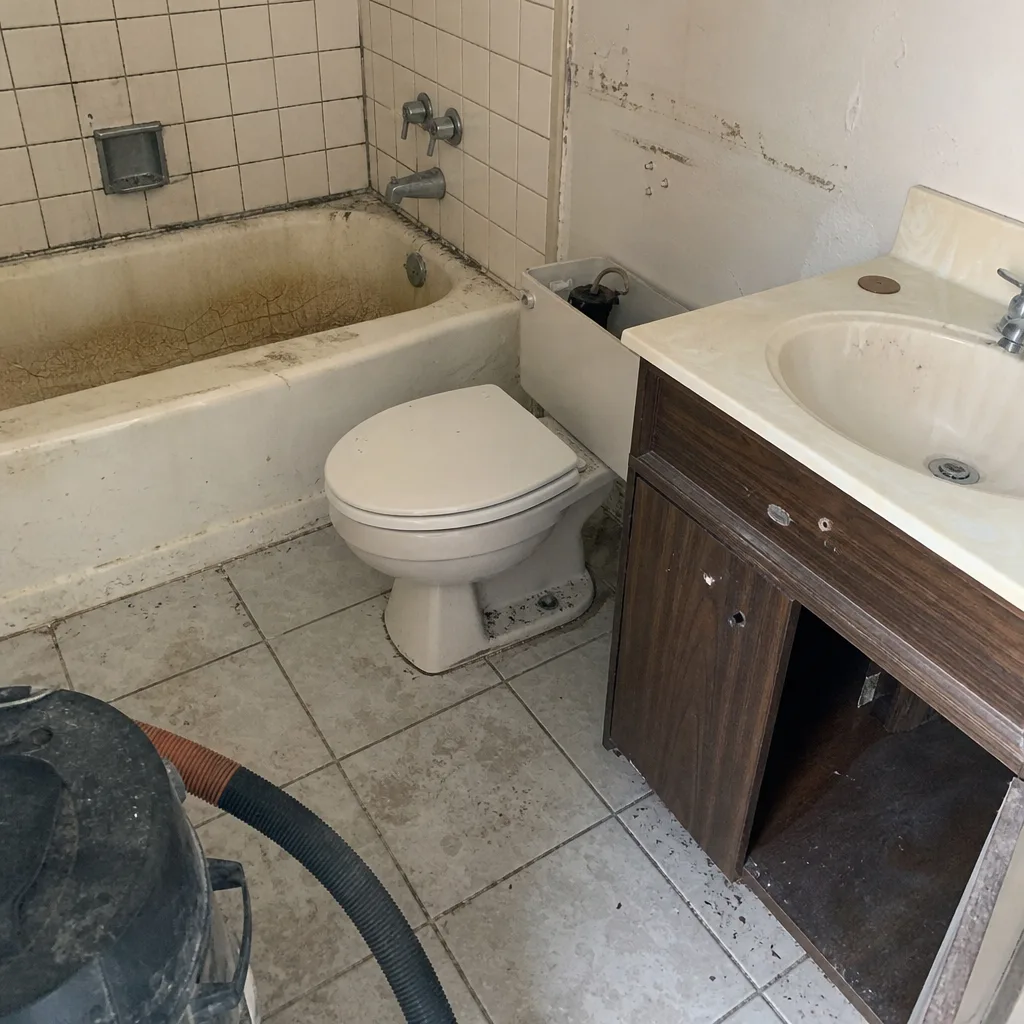 Before
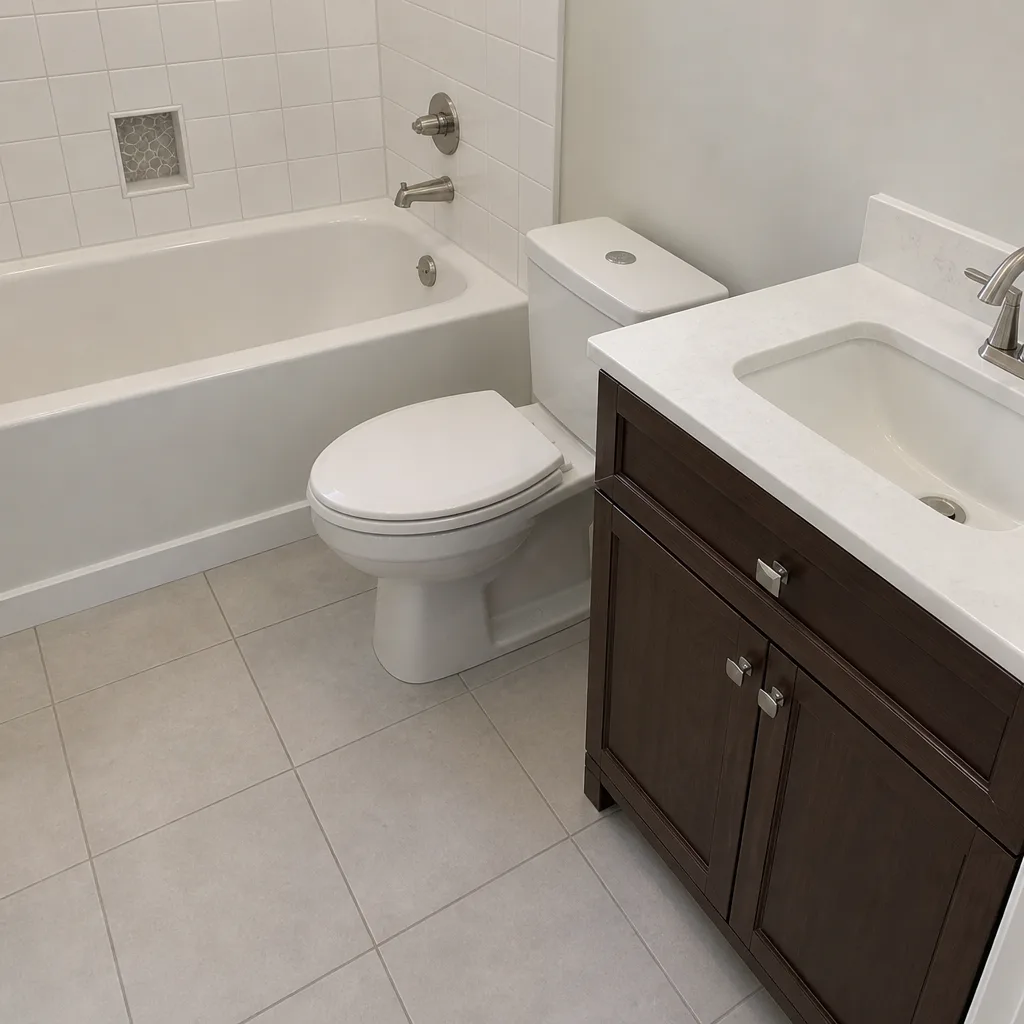 After
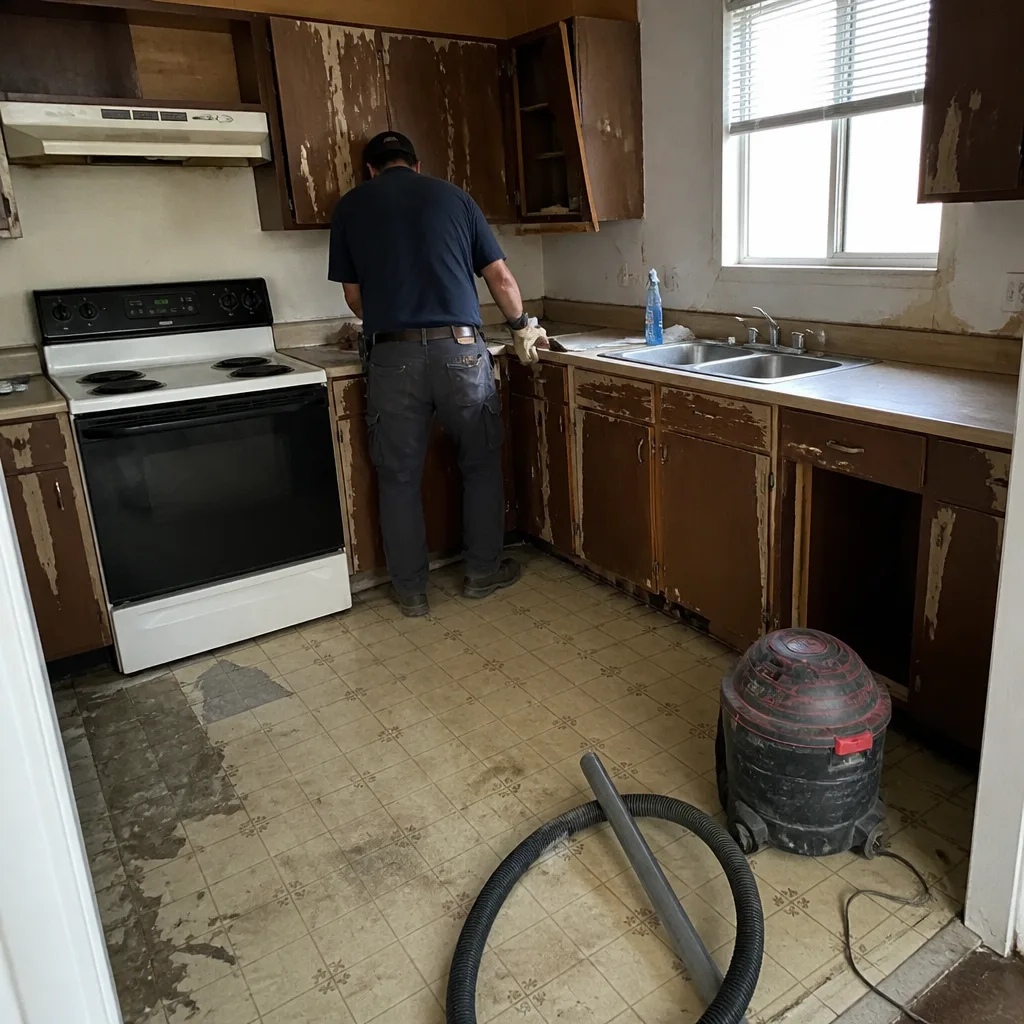 Before
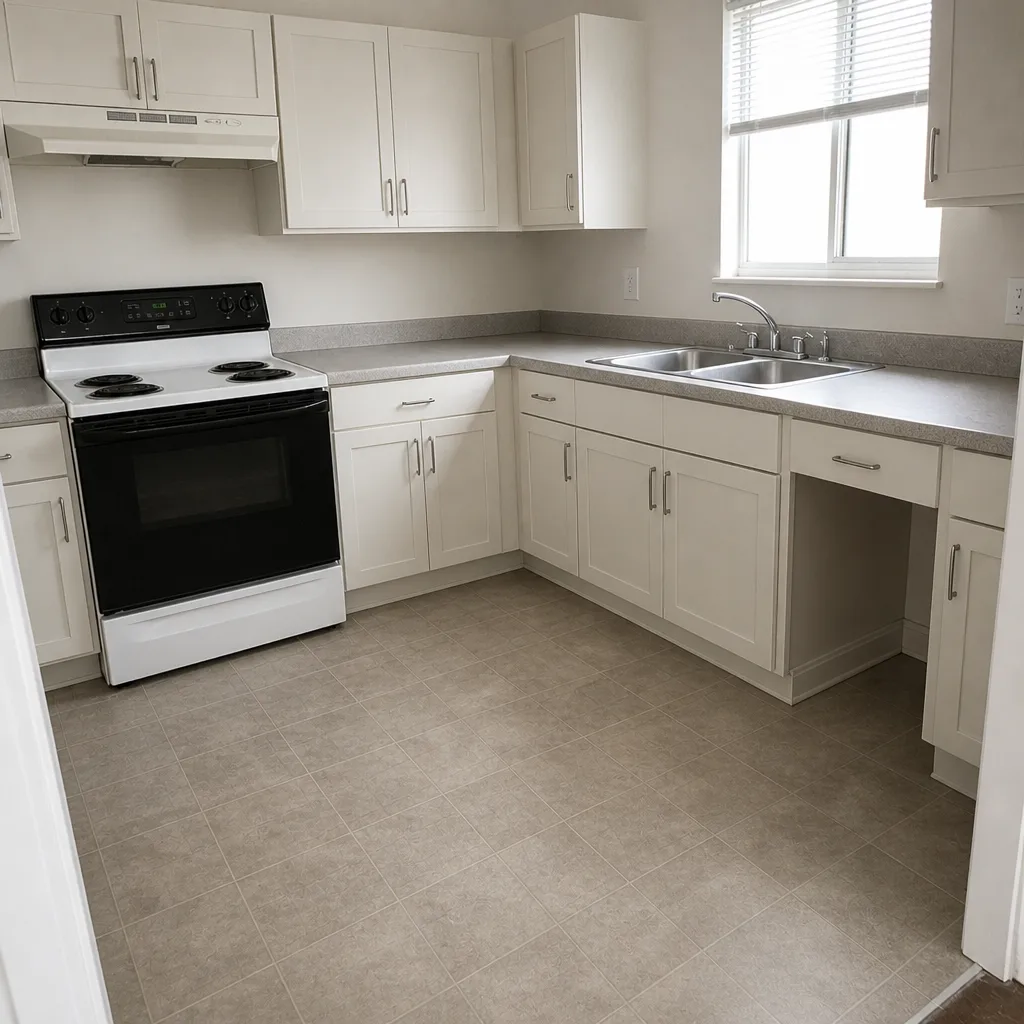 After
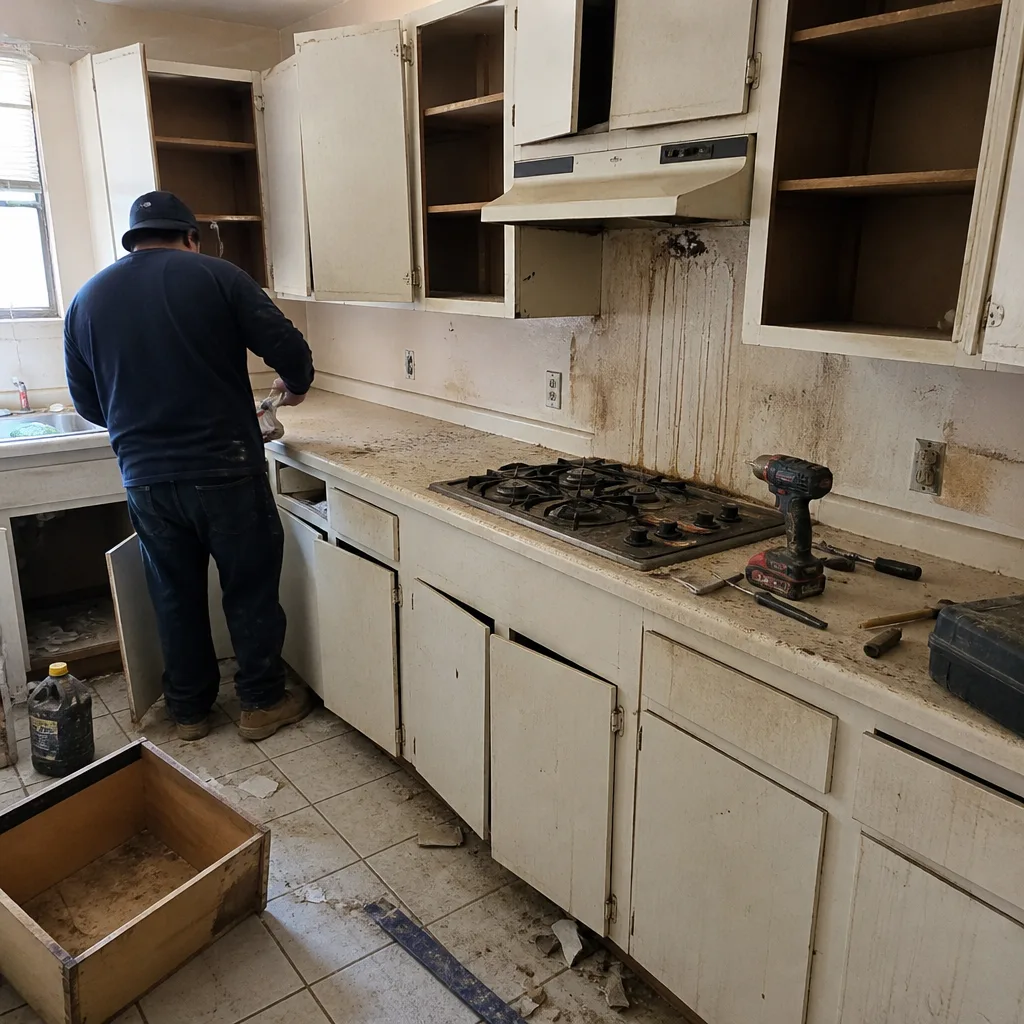 Before
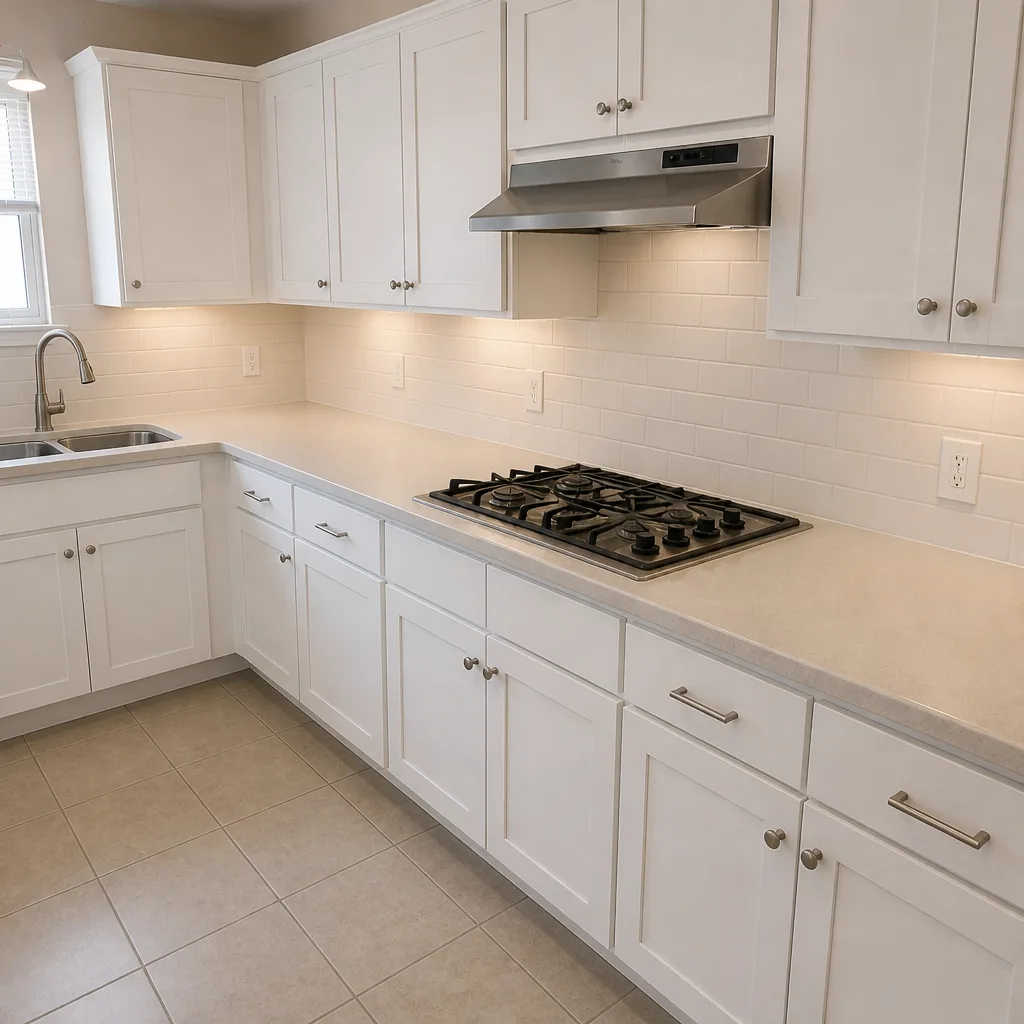 After
What Causes Roof Leaks in North Las Vegas? The Local Failure Points Most Guides Skip
The most common cause of roof leaks in North Las Vegas is failed step flashing where a stucco wall meets the roof plane – not missing shingles, not age. This city’s housing stock is mostly stucco-on-frame construction, and that wall-to-roof junction traps moisture in a way that degrades sealants years before the roof surface shows any problem. Wind-lifted ridge caps and sun-cooked underlayment round out the top three. If water is already coming through a ceiling, call (844) 797-5026 and we’ll trace it to the actual entry point rather than guessing.
Here’s the thing about leaks in a desert city: they rarely announce themselves the way they do in rainy climates. A roof in North Las Vegas can be actively taking on water for months and show nothing from the ground, because there’s no standing water pooling or moss or rot to tip you off. The damage happens quietly, in attics and wall cavities, until a ceiling stain finally shows up – usually after the problem has been running for a full season or more.
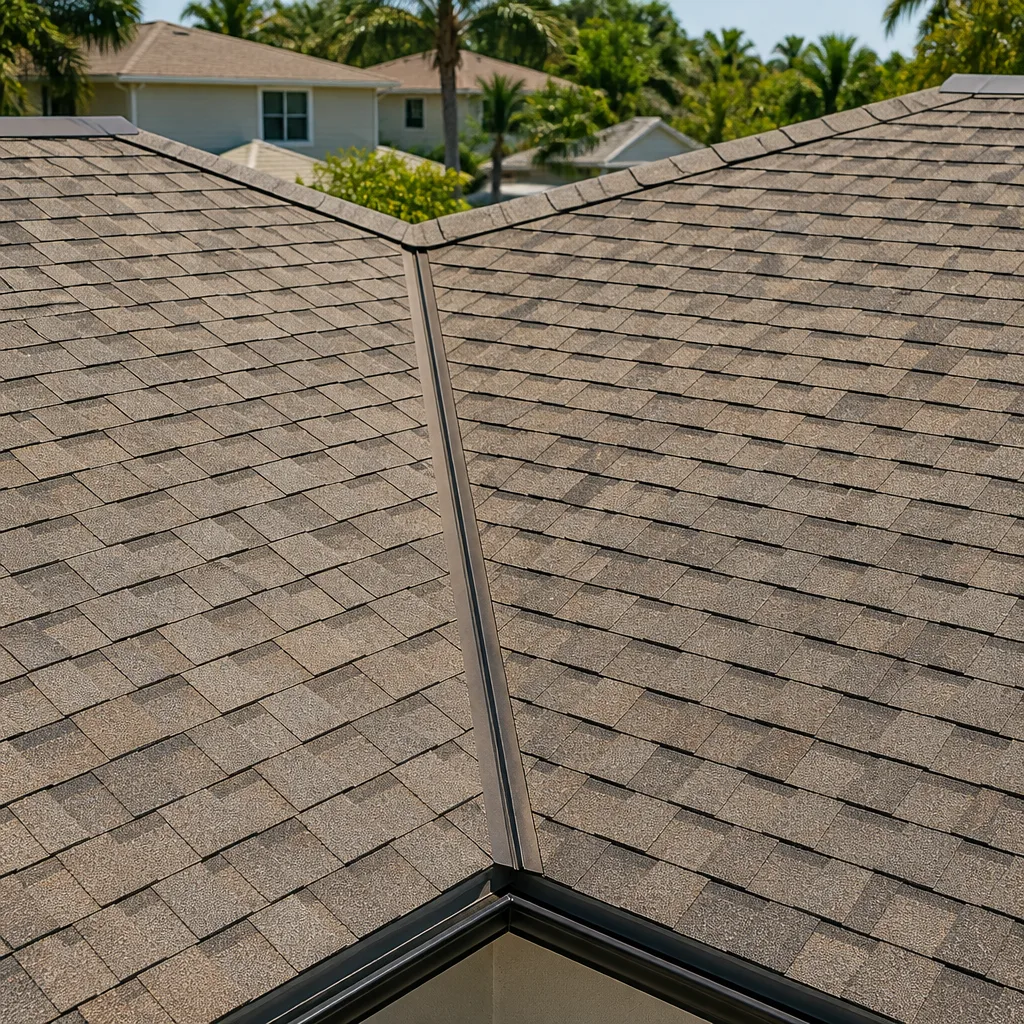
Why Stucco-to-Roof Junctions Fail First in North Las Vegas
Stucco is applied over metal lath, and behind that lath sits a paper weather-resistive barrier. In North Las Vegas, that layered assembly is the city’s signature construction method, and it’s also the leak pathway we find more than any other. The paper backing layer absorbs and holds a small amount of moisture during monsoon season and during the temperature swings of winter. That trapped moisture sits directly against the step flashing and the sealant bead at the wall-roof intersection.
On homes built between roughly 1990 and 2010 – which is most of the tract housing in the newer subdivisions – we regularly see these seals fail within 10 to 15 years. The flashing itself is often still sound. It’s the sealant and the substrate around it that give out. Because the failure is at the wall and not on the open roof plane, water enters behind the stucco and travels down inside the wall before it ever touches drywall. Homeowners in Tule Springs and Valley Vista tend to find this one when a paint bubble shows up on an exterior wall or a stain appears on a bedroom ceiling that sits nowhere near a plumbing line.
This is why “check for missing shingles” advice misses the mark here. A North Las Vegas homeowner can inspect every shingle from a ladder and see nothing wrong while a wall-roof joint three feet away has been leaking since the previous spring.
Your Tile Can Look Perfect and Still Be Leaking: UV-Degraded Underlayment
Tile roofs are common in North Las Vegas, and they create a false sense of security. The tile itself is a sun shield. It is not the waterproofing layer. That job belongs to the underlayment beneath it, typically a #30 felt or a synthetic equivalent, and North Las Vegas’s UV index attacks that material relentlessly. Under the combination of 105°F-plus summer highs and intense direct sun, #30 felt underlayment degrades in roughly 15 to 20 years.
So you get a roof where every tile is intact, the surface looks decades younger than it is, and the actual waterproofing membrane underneath is cracking and brittle. Water doesn’t need a broken tile to get in. It gets in at the tile laps, runs down the underlayment, and finds the cracks. By the time the leak shows up indoors, the drywall and sometimes the framing below have been wet long enough to matter.
How do you identify this without tearing off the roof? A few signals we look for during an assessment:
- Granule loss or visible deterioration at the underlayment where it’s exposed at valleys and penetrations
- Interior staining that appears below an otherwise flawless tile field
- A home in the 15-to-20-year range with tile over original felt and no documented underlayment replacement
- Musty attic odor after monsoon season with no other obvious source
Short of pulling a few tiles at a valley or penetration, there’s no way to confirm underlayment condition from the ground. That’s a job for someone on the roof with the right access. Our Roofing crews do this assessment routinely across North Las Vegas.
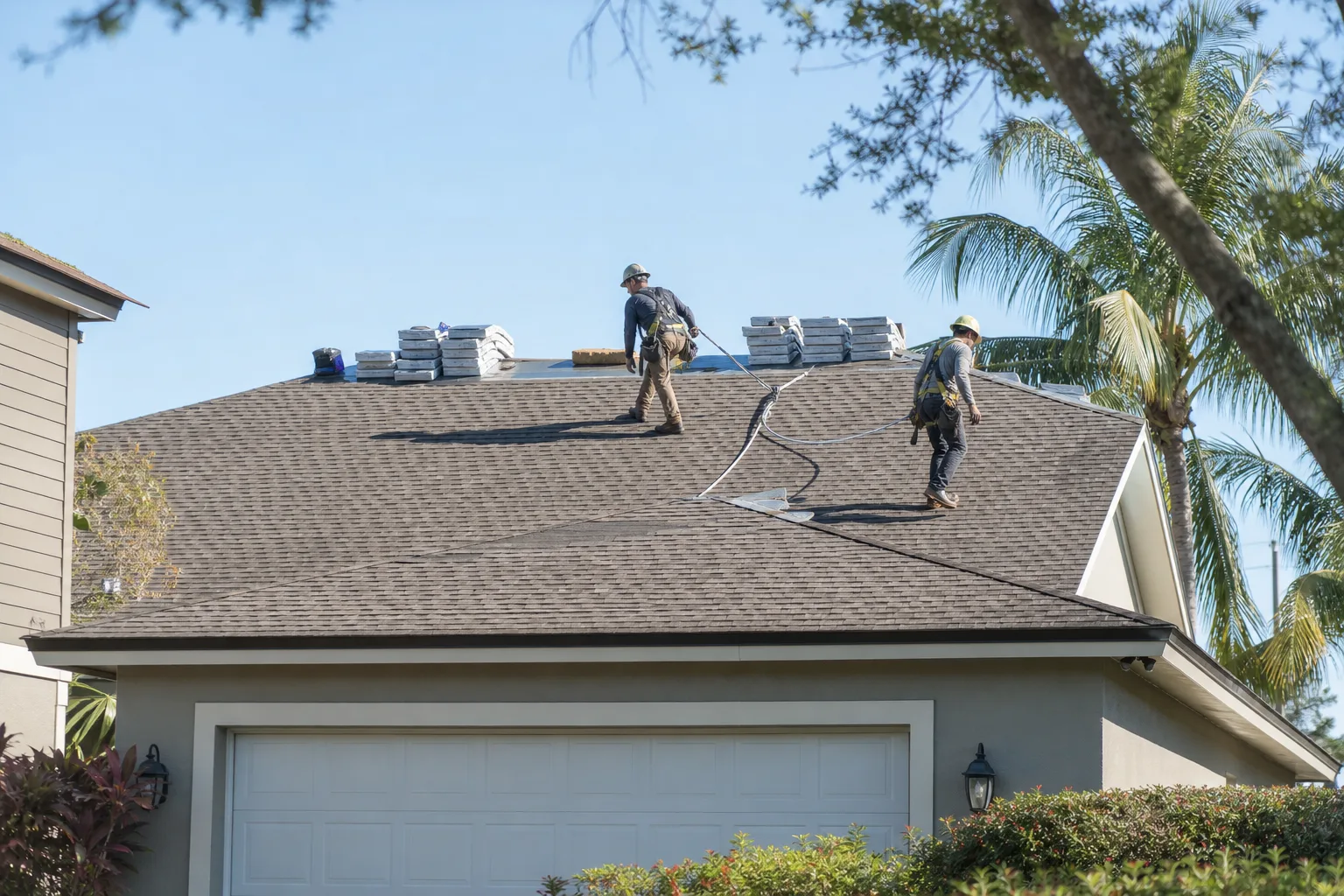
Pipe Boots, Ridge Caps, and the Cheap Fix That Becomes Expensive
Two more North Las Vegas failures deserve their own callout because they’re cheap to fix early and costly to ignore.
Pipe boots and vent collars. Those rubber boots around plumbing vents are the unsung cause of a huge share of desert roof leaks. Under North Las Vegas rooftop temperatures that routinely top 170°F in summer, the rubber cracks within 10 to 12 years. A boot replacement is a quick, inexpensive repair. Left alone, the water it lets in soaks the ceiling drywall below, and suddenly you’re paying for drywall repair, paint, and possibly insulation on top of the roofing fix. Generic roofing guides rarely list this as a primary cause. Here, it’s near the top.
Ridge cap uplift. North Las Vegas sits in a high-wind zone, and wind events create negative pressure at the roof ridge. That pressure lifts and re-seats ridge cap shingles over and over, and each cycle works at the sealant bond until it breaks. After a monsoon or a wind event, a ridge cap inspection is a genuinely useful North Las Vegas maintenance habit. Catching a loosened cap before the next storm is the difference between a minor repair and a wind-driven leak that soaks a whole ceiling bay.
Because this city is also in a seismic zone, exterior roofing must meet stricter wind-uplift requirements than neighboring jurisdictions. When work is done here, the fastening pattern and material spec matter. We install GAF and Owens Corning systems with wind ratings matched to those local requirements, and every job is backed by our 730-Day Done Right Promise – if it’s not done right, we make it right.
New Construction Leaks: When the Builder’s Roof Isn’t the Finish Line
North Las Vegas is one of the fastest-growing big cities in the country, and the master-planned communities pushing north – Aliante, Valley Vista, Tule Springs – are full of new homes under fast-track subdivision schedules. Here’s the part new homeowners don’t hear: as the city enforces its latest code adoptions on active job sites, inspectors have flagged improper flashing installation as the most common deficiency on new residential builds. That means a brand-new roof can already have a compromised wall-roof junction or a poorly seated boot, and the homeowner won’t know until the first monsoon finds it.
This is exactly the gap our 730-Day Done Right Promise was built to close. If you bought new construction and you’re worried about builder-grade flashing you can’t see, a professional assessment beats waiting for a stain. You can see our full North Las Vegas service area for how we handle this city.
What a typical roofing repair runs here, so you can budget:
| Repair | Typical North Las Vegas Range |
|---|---|
| Roof repair (leak tracing, flashing, boots) | $400-$1,800 |
| Tile roof repair | $600-$2,500 |
| Full roof replacement | $8,000-$20,000 |
| Metal roof installation | $15,000-$40,000 |
Upfront pricing, no surprises – the number you see is the number you pay, and financing is available at 0% for 18 months on larger jobs. If you’re weighing repair against replacement, that’s a conversation worth having with someone who’s looked at your roof, not a calculator.
FAQs
Failed step flashing at stucco-wall-to-roof junctions is the most common cause in North Las Vegas. The stucco’s paper backing traps moisture against the flashing sealant, degrading it within 10 to 15 years on homes built between 1990 and 2010. If you suspect a wall-roof leak, call (844) 797-5026 for a free assessment – we’ll trace it to the entry point.
Yes. Tile is a sun shield, not the waterproofing layer – the underlayment beneath it is, and North Las Vegas UV degrades #30 felt in roughly 15 to 20 years. A flawless tile field can hide a cracked, brittle underlayment leaking into your attic. A confirmed answer needs someone on the roof; call (844) 797-5026 to schedule an inspection.
Most roof leak repairs in North Las Vegas run $400-$1,800, with tile roof repair at $600-$2,500 depending on how much tile must come up to reach the failure. Pipe boots and flashing jobs sit at the low end; underlayment issues and ridge cap damage can climb. Call (844) 797-5026 for an exact quote – estimates are free.
Repair is almost always cheaper when the failure is isolated – a boot, a flashing joint, a ridge cap – and the underlayment is still sound. Once UV has degraded the underlayment across the field, patching just moves the leak. A roof in that condition is a replacement conversation. Call (844) 797-5026 and we’ll tell you honestly which side you’re on.
If you’d rather have it looked at, Groundwork Construction Co. of North Las Vegas offers a no-pressure assessment in North Las Vegas – call (844) 797-5026. Our technicians have up to 12 years of experience, calls are answered by a live person 24/7, and every job carries the 730-Day Done Right Promise.
Written by the team at Groundwork Construction Co. of North Las Vegas, serving North Las Vegas, NV.