Last updated November 18, 2026

Free written scope consultation - allowances, timeline, and change-order rules on paper before a single trade is scheduled
The Complete Guide to Construction in North Las Vegas
Most construction advice for the Las Vegas Valley is written for Clark County. That’s the first mistake. North Las Vegas pulls its own permits through its own municipal department, inspects to its own schedule, and interprets code in ways that catch out-of-area contractors off guard on a regular basis. Add caliche layers that dull a trencher in an afternoon, a growth map that runs from Aliante out to Apex, and a housing stock that ranges from 1990s stucco to brand-new tract builds, and you get a construction environment that demands its own playbook. This guide covers permitting, soil, corridors, contractor models, documentation and the mistakes that cost North Las Vegas homeowners the most money.
Quick Answer
Construction in North Las Vegas runs on a separate permitting jurisdiction from Clark County, on lots where caliche and desert clay shape foundation and flatwork decisions, and on a contractor market that varies block by block from Aliante to Apex. Projects go smoothly when the contractor pulls North Las Vegas permits directly, tests soil before concrete, and hands over lien waivers and inspection sign-offs at the final walkthrough. Most failures come from skipped permits, foundation work done without a soil check, or trade-only crews with no single point of accountability.
Styles & brands we work with
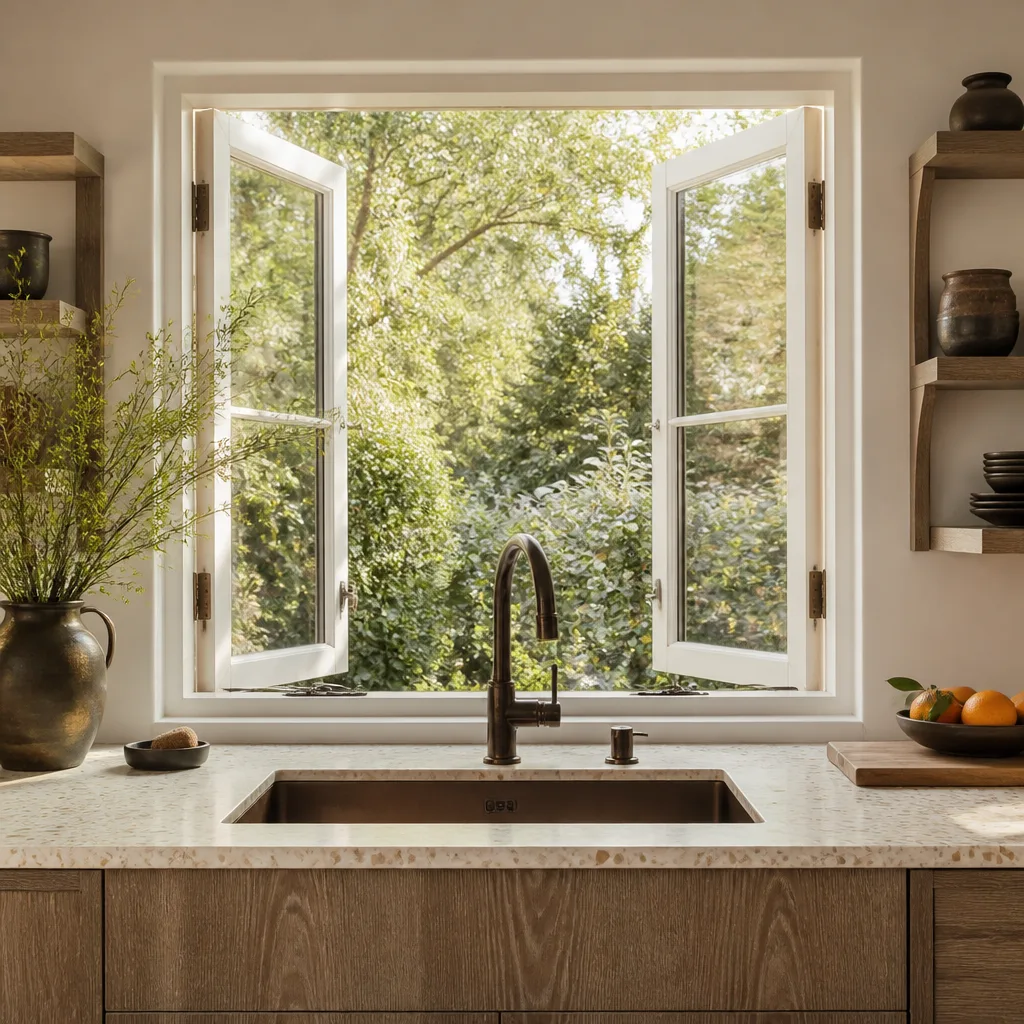
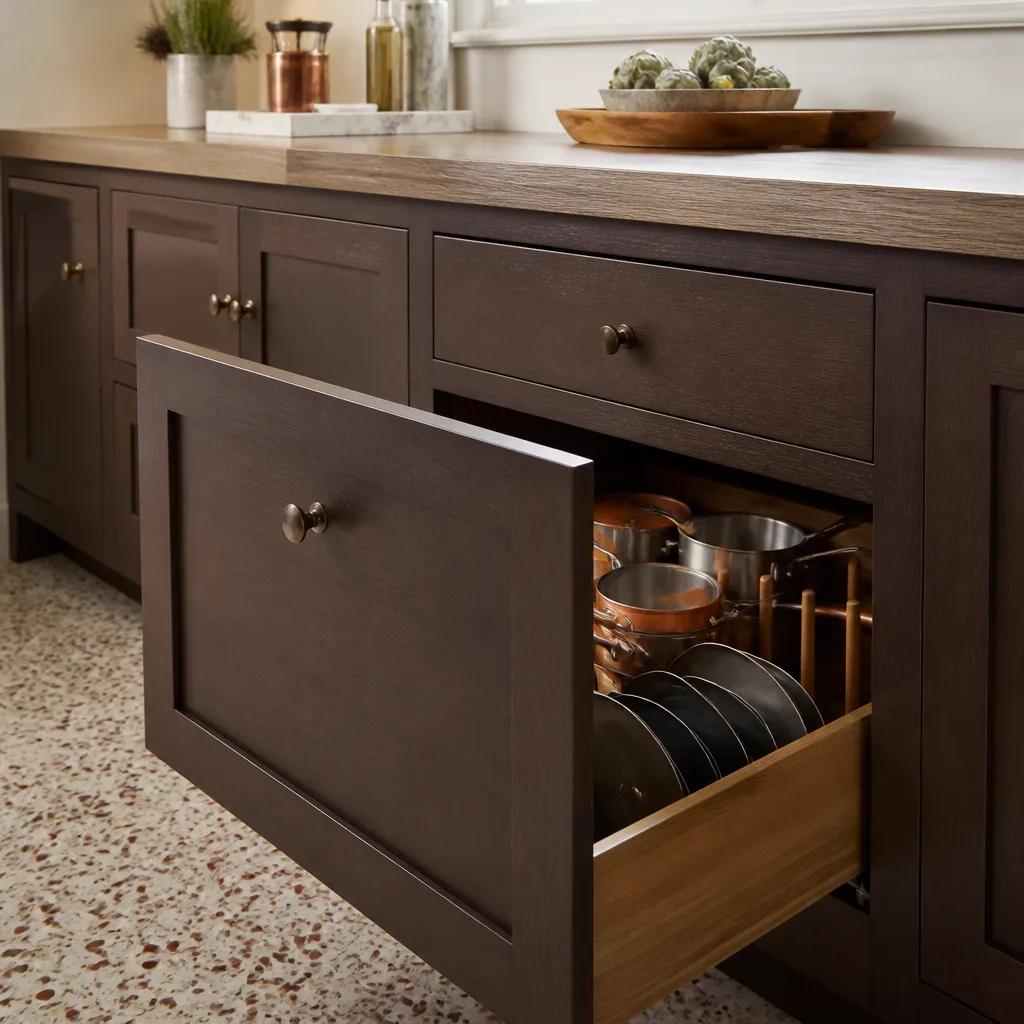
- Kitchen remodeling
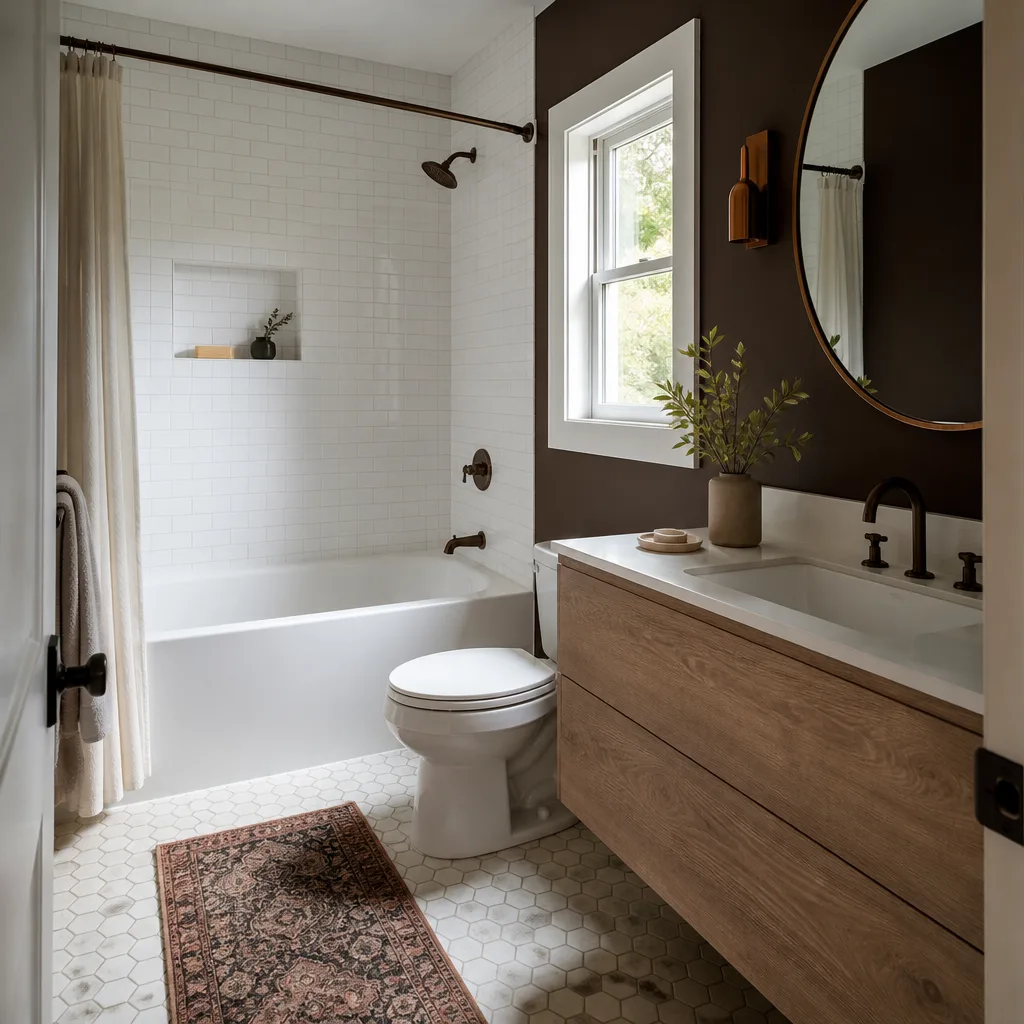
- Bathroom remodeling
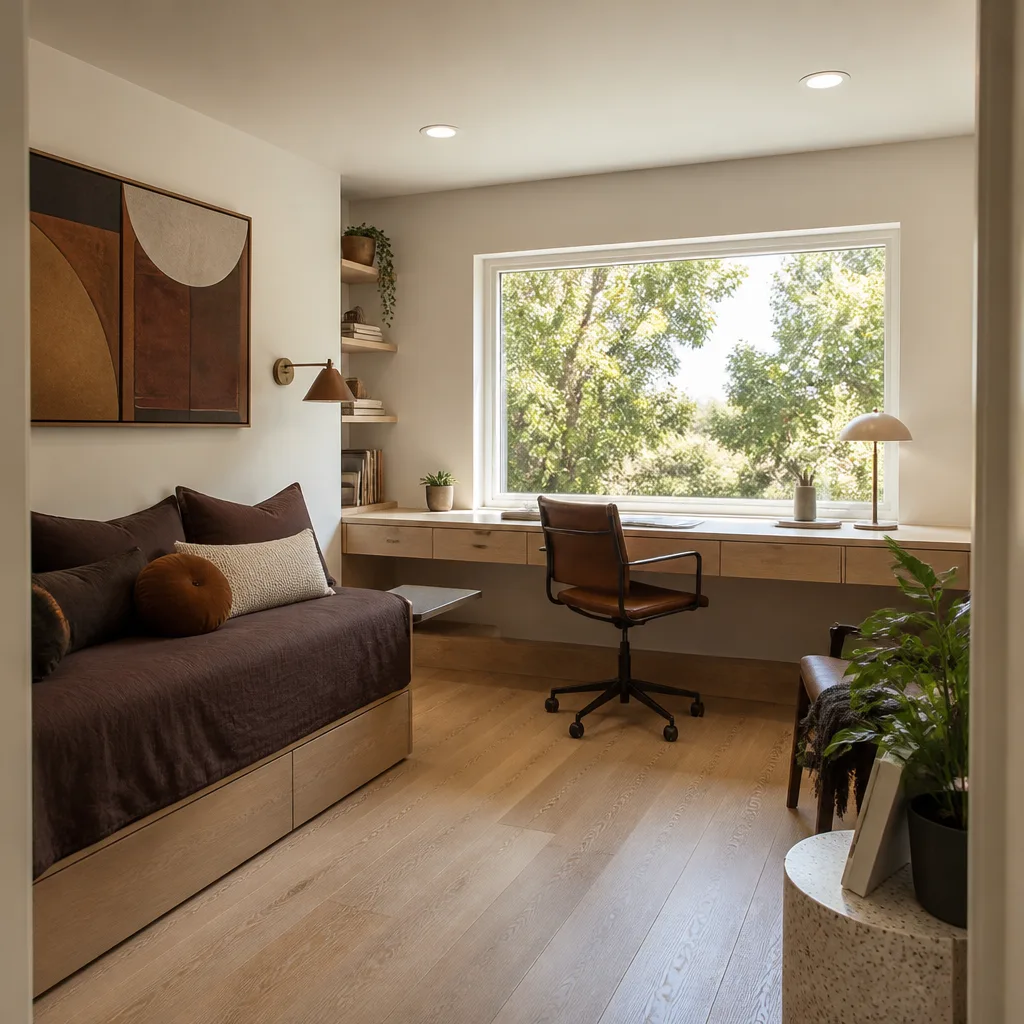
- Home additions & ADU
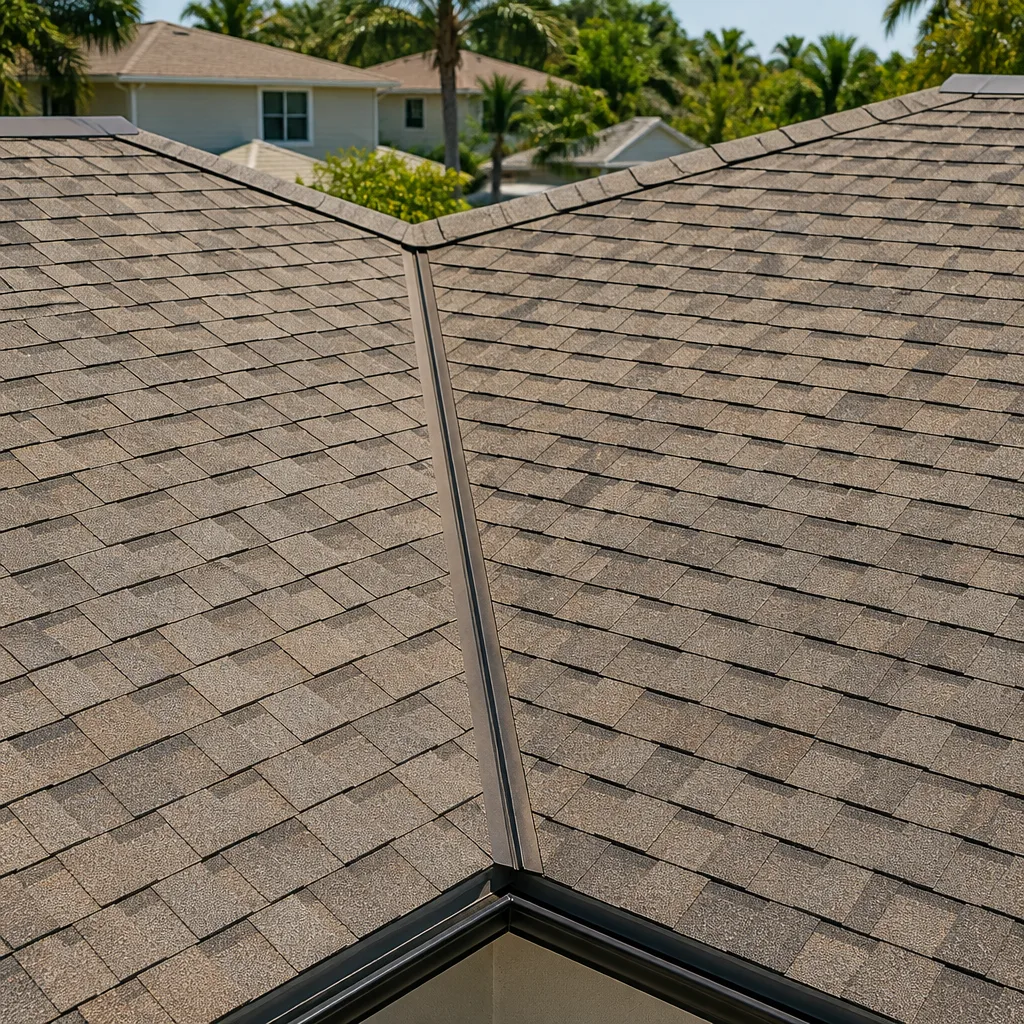
- Roofing
- Windows & doors
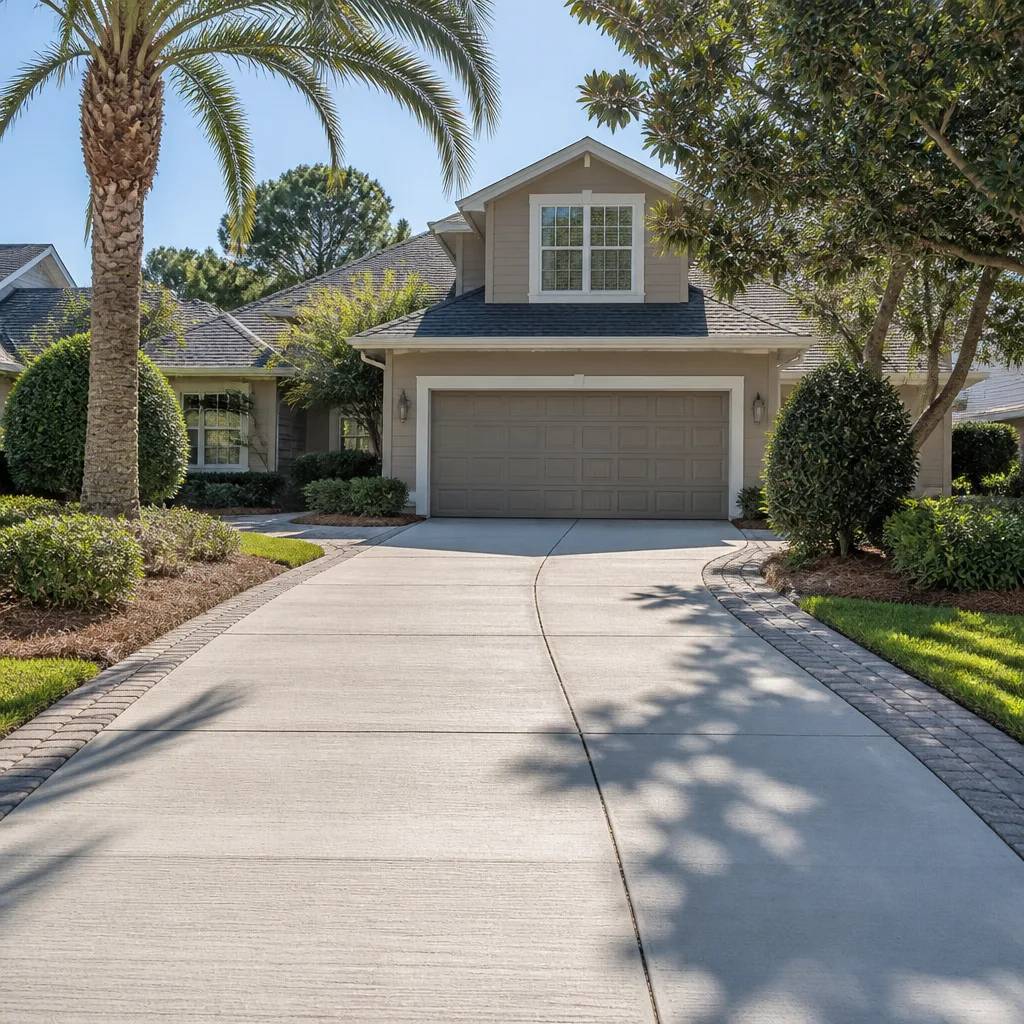
- Driveway & pavers
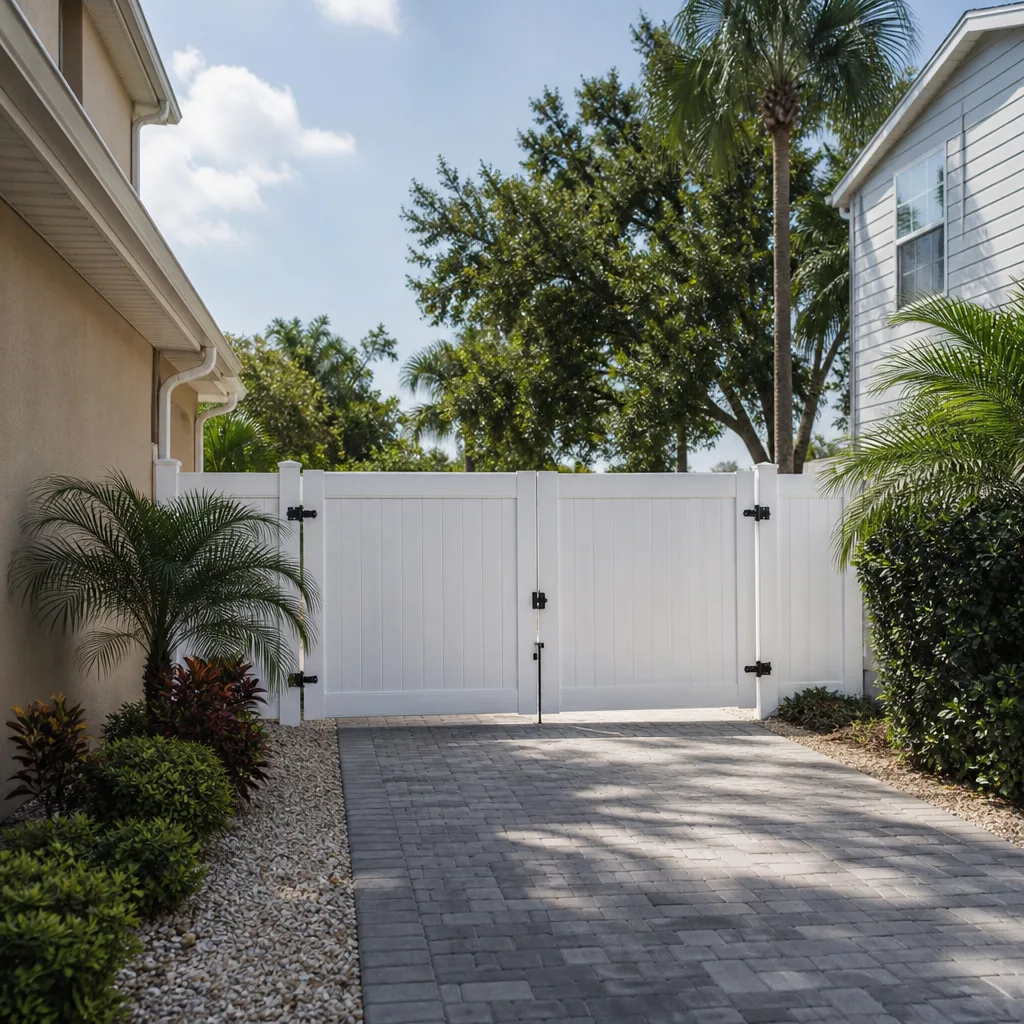
- Fence
Table of Contents
- Why North Las Vegas Permits Differ From Clark County
- Caliche, Desert Clay, and What They Do to Foundations and Flatwork
- The Growth Corridors: Aliante, Tropical Parkway, and Apex
- Full-Scope vs. Trade-Only Contractors: Which Model Serves You
- What Realistic Project Timelines Look Like in North Las Vegas
- What “Done Right” Documentation Looks Like
- What Construction Costs in North Las Vegas
- Common Mistakes to Avoid
Why North Las Vegas Permits Differ From Clark County
North Las Vegas is an incorporated city with its own building department. A project inside city limits does not route through Clark County’s permitting system. That single fact reshapes everything downstream: submittal packets, plan review comments, inspection scheduling, and how quickly a correction gets resolved. A contractor who spends most of their week in Henderson or unincorporated Clark County is working against a different counter, different reviewers, and a different inspection queue.
What this means in practice:
- Plan review comments come from city reviewers. A submittal template built for Clark County often comes back with corrections specific to North Las Vegas interpretation.
- Inspection scheduling is separate. Framing, rough-in, and final inspections are booked through the city, and the availability windows don’t match what a contractor is used to elsewhere in the valley.
- Residential remodels and additions trigger different thresholds. Square footage, structural changes, and electrical or plumbing scope determine whether you need a full plan set or a simpler over-the-counter approval.
- Fence height, block wall, and flatwork rules are enforced locally. This is why a paver or fence project that seemed straightforward in another jurisdiction can stall in North Las Vegas.
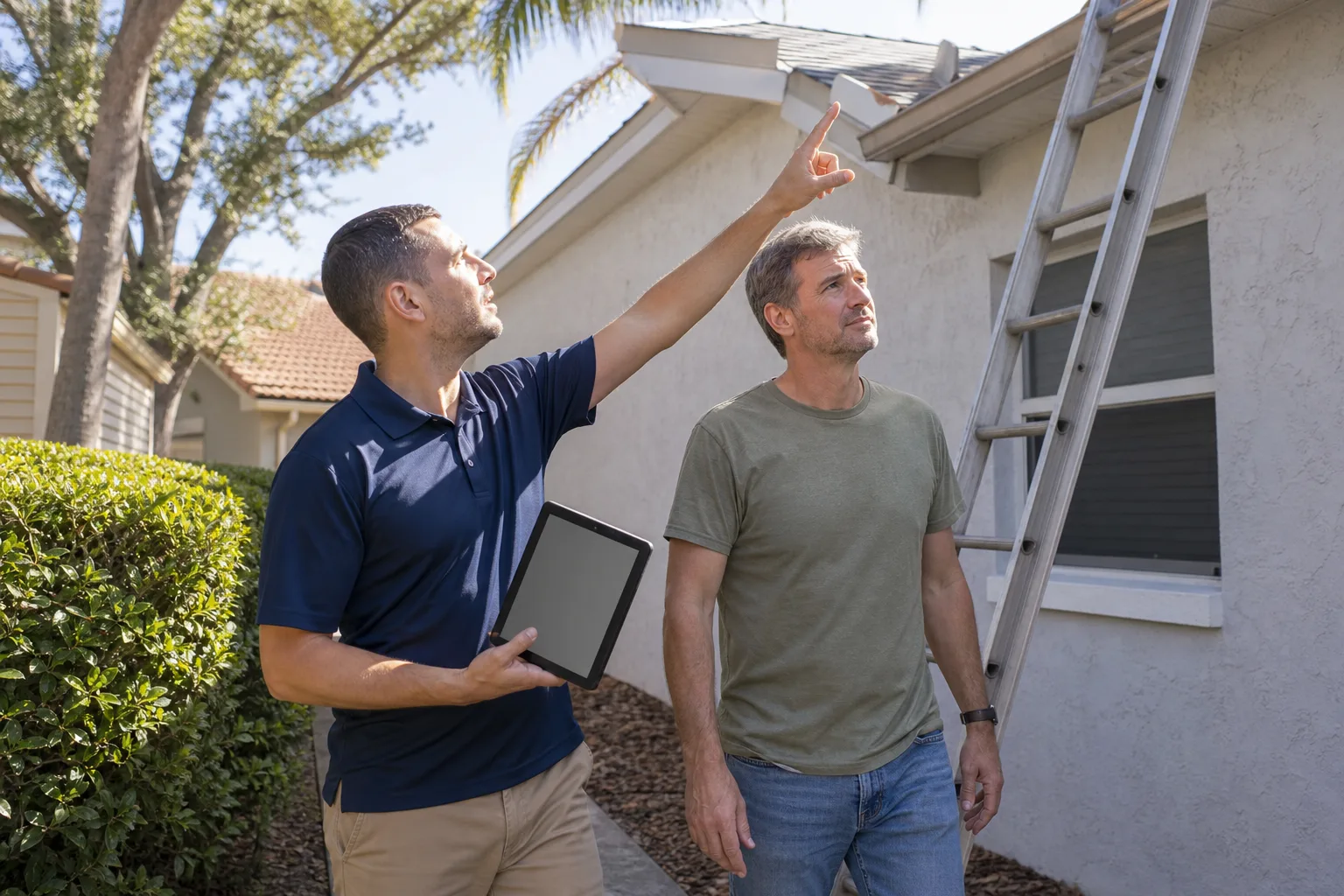
Before a single shovel drops, ask any contractor one question: “Have you pulled permits through the City of North Las Vegas before?” If the answer is vague, that’s your answer. Permits pulled and inspections passed is the standard we hold ourselves to because an unpermitted addition or a fence built without approval can surface years later at resale and cost far more than the permit would have.
Caliche, Desert Clay, and What They Do to Foundations and Flatwork
North Las Vegas lots sit on layered desert soils, and the layer that ruins budgets is caliche. It’s a cemented calcium carbonate formation that behaves more like soft rock than dirt. A trencher that sailed through loose fill elsewhere in the valley will stall out on a caliche shelf in North Las Vegas, and that changes the equipment, the labor hours, and the cost before the first form is set.
Beneath the caliche, expansive desert clay does the slower damage. It swells when it takes on water and shrinks as it dries, and in a climate that swings from monsoon downpours to weeks of single-digit humidity, that movement is relentless. For driveways, patios, and slab-on-grade additions, the consequences of ignoring it are cracking, settling, and heaving within a few seasons.
What we check before concrete goes down
- Soil conditions on the actual lot. Caliche depth varies parcel to parcel. A neighbor’s easy dig tells you nothing about yours.
- Base prep depth and compaction. Compacted aggregate base is what carries the load, not the concrete alone. Skimp here and the slab fails from underneath.
- Drainage and grading. Water has to leave the slab. Ponding against a foundation or a driveway edge is the fastest route to movement.
- Joint layout and thickness. Control joints placed for the slab you’re actually pouring, at the thickness the load requires.
- Expansive-soil detailing. Where the clay is aggressive, the foundation or flatwork design has to account for it, not just pour over it.
This is why Driveway & Pavers in North Las Vegas work starts with base assessment rather than a materials quote. Pavers and concrete both fail when the ground under them moves. We’d rather spend an extra day on base than return in a year to tear out a cracked slab.
The Growth Corridors: Aliante, Tropical Parkway, and Apex
North Las Vegas isn’t one market. It’s several, and contractor availability changes as you move across them. Understanding which zone you’re in tells you a lot about lead times, what inspectors expect, and what kind of build you’re dealing with.
Aliante and the northern residential corridor
Aliante and the neighborhoods around it are established master-planned communities, mostly built out over the past two decades. Homes here are hitting the age where roofs, windows, and fences need attention, and kitchens and bathrooms are due for a first major remodel. Contractors are plentiful here, which cuts both ways: easy to book, harder to vet. The builds are newer, so structural surprises are rarer, but HOA and community design standards often layer on top of city requirements.
Tropical Parkway and the center of the city
The Tropical Parkway corridor mixes newer construction with infill and redevelopment. Lot sizes vary more, and you’ll find a broader range of housing stock, some of it older than the Aliante build-out. Accessibility for equipment and staging can be tighter, and projects here often involve coordinating around existing utilities and mature landscaping.
Apex Industrial and the northern edge
Apex is the growth frontier, and it’s where new construction and larger-scale projects concentrate. For homeowners in the newer residential pockets pushing north, contractor availability is the tightest, travel time eats into scheduling, and material staging takes more planning. The advantage is that new builds come with current code compliance and fewer legacy issues. The disadvantage is that everything, from inspections to deliveries, runs on a longer clock.
In our experience, the right contractor adapts to the zone rather than treating all of North Las Vegas as interchangeable. A crew that knows the Aliante inspection rhythm and the Apex travel realities plans differently than one that doesn’t.
Full-Scope vs. Trade-Only Contractors: Which Model Serves You
Trade-only means you hire separately for framing, plumbing, electrical, drywall, and finish. Full-scope means one contractor owns the whole project, from foundation to finish line. Both models have a place, and choosing wrong is one of the most expensive decisions a North Las Vegas homeowner makes.
Trade-only can work when the scope is genuinely single-trade. A roof replacement is roofing. A new fence is fencing. You’re buying one skill set, and there’s no coordination problem to solve. But the moment a project crosses trades, trade-only starts to cost you.
Where trade-only breaks down
- Sequencing falls on you. If the plumber and the electrician disagree about wall placement, that’s your phone call, your delay, and your money.
- Nobody owns the seams. When a leak shows up under a new tile floor, the tile setter blames the plumber and the plumber blames the tile setter. You’re the arbiter.
- Warranty becomes fragmented. Each trade warranties their piece, and the gaps between them are uninsured.
- Permitting gets messy. Multiple contractors pulling separate permits on one project creates a paper trail nobody reconciles.
Where full-scope wins
Kitchens, bathrooms, additions, and any project that moves walls, plumbing, or electrical come with real coordination risk. A full-scope contractor sequences the trades, holds the schedule, and carries one warranty across the whole job. For something like a Home Additions & ADU in North Las Vegas, the difference is stark: an ADU touches foundation, framing, electrical, plumbing, HVAC, roofing, and finish. Piecemealing that across five contractors in a city with its own permitting quirks is a scheduling problem most homeowners don’t want.
Our model is full-scope with a single point of accountability. That’s why we back every project with the 730-Day Done Right Promise: if it’s not done right, we make it right. One contractor, one warranty, one number to call.
What Realistic Project Timelines Look Like in North Las Vegas
Timelines in North Las Vegas are shaped by three variables: permitting through the city, the physical conditions on your lot, and the trade sequencing. Get real numbers early and you avoid the slow-burn frustration of a project that “should have been done by now.”
Here’s roughly how the schedule breaks down by project type:
- Bathroom remodel: plan and permit ahead of start, then a focused multi-week build once work begins. Single-visit work happens on smaller updates, but a full bathroom gut is a sequenced job.
- Kitchen remodel: longer lead times because of cabinetry and countertop fabrication. Brand availability drives schedule more than labor does.
- Roof replacement: typically the fastest major project. Most residential roofs go up in a handful of working days once materials are on site and the permit is issued.
- Fence installation: scheduling depends heavily on length, height, and whether an HOA or city approval is involved. A Fence Installation in North Las Vegas job moves quickly once approvals clear.
- Driveway and pavers: base prep is the variable. Caliche and expansive clay add days that a simple materials quote won’t show.
- Home additions and ADUs: the longest schedule. Foundation, framing, MEP rough-in, inspections, finish. Plan on a multi-month arc, not weeks.
The single biggest timeline killer isn’t labor. It’s a permit submitted on the wrong forms or an inspection missed because the contractor didn’t know the city’s scheduling window. When we quote a North Las Vegas project, the timeline includes the city’s permitting reality, not a valley-average guess.
What “Done Right” Documentation Looks Like
A finished project looks finished whether or not the paperwork is right. The paperwork is what protects you after the crew leaves. In a city with its own permitting department, the documentation trail is what proves the work was approved, paid for, and warranted.
The documents every North Las Vegas homeowner should receive at closeout:
- Signed lien waivers from every subcontractor and supplier. This is the one homeowners skip and later regret. A lien waiver is proof that everyone who worked on your project was paid, which means nobody can file a lien against your property down the line.
- Inspection sign-off sheets. The city’s records showing rough-in, framing, and final inspections were passed. Keep these with your closing documents.
- Permit and final approval copies. The stamped approvals that prove the work was done to code and legally.
- Written warranty documentation. Specific to your project, with the coverage period spelled out. Ours is the 730-Day Done Right Promise, and it’s in writing.
- A final walkthrough with a punch list. Walk the project with the contractor before final payment. Every item on the list gets resolved before the job closes.
- Material and finish specifications. Paint colors, tile lots, roofing materials, cabinet lines. Future repairs go faster when you know exactly what was installed.
A contractor who resists or hand-waves any of these is telling you something. Good documentation is not extra work. It’s the baseline of a professional job, and it’s exactly what protects a five-figure investment.
What Construction Costs in North Las Vegas
Pricing varies by scope, materials, and soil conditions, but homeowners want numbers before they call anyone. Here’s a rough breakdown of how common North Las Vegas projects price out. These are ranges, not quotes. The number you see from us is the number you pay, but the number starts with a free estimate on your actual property.
- Bathroom remodel: mid-four figures to low five figures depending on layout changes, tile, and fixture tier.
- Kitchen remodel: significant investment, driven mostly by cabinetry, countertops, and whether walls or plumbing move. Brand partners like KraftMaid and Cambria sit on the higher end but come with finish quality that lasts.
- Roof replacement: pricing per square, with asphalt shingle, tile, and metal landing in different tiers. Brand partners like GAF and CertainTeed shift the number.
- Windows and doors: per-unit pricing, with Andersen and Pella at the premium end and standard vinyl more accessible.
- Fencing: priced per linear foot, with material choice (block, wood, wrought iron, composite) as the biggest variable.
- Driveways and pavers: priced by square footage, with base prep and caliche removal as real line items.
- Additions and ADUs: the largest project category, priced per square foot with foundation, MEP, and permitting as the major costs.
Two things make North Las Vegas pricing distinct. First, caliche is a real line item on flatwork and foundation work, and a bid that ignores it will change on you mid-project. Second, permitting through the city adds cost and time that a valley-average bid doesn’t include. We quote with both in view, then back it with 0% financing for 18 months and $1,000 off projects over $10,000 so a larger project doesn’t stall on cash flow.
Common Mistakes to Avoid
- Skipping the permit because “it’s just a small job.” Unpermitted work in North Las Vegas surfaces at resale, at insurance inspection, or when a neighbor complains. The permit costs less than the cure, every time.
- Pouring concrete without testing the soil. Caliche and expansive clay are site-specific. A slab poured over unknown ground is a slab waiting to crack. Test first, then pour.
- Hiring an out-of-area contractor who hasn’t pulled city permits. This is the most common failure we see. They know Clark County’s process and show up unprepared for North Las Vegas’s.
- Choosing the lowest bid without reading the scope. The low bid is usually low because it excludes something: permits, caliche removal, finish materials, or warranty coverage. Compare scopes, not just totals.
- Skipping lien waivers at closeout. A finished project that still has open supplier balances can end in a mechanic’s lien on your home. Get the waivers before you pay the final invoice.
- Piecemealing a multi-trade project across separate contractors. It feels cheaper upfront. It’s rarely cheaper after the coordination delays, the finger-pointing, and the warranty gaps.
- Ignoring drainage and grading. Water moving toward the foundation is a slow-motion problem. Fix it during construction, not after the first monsoon season shows you why.
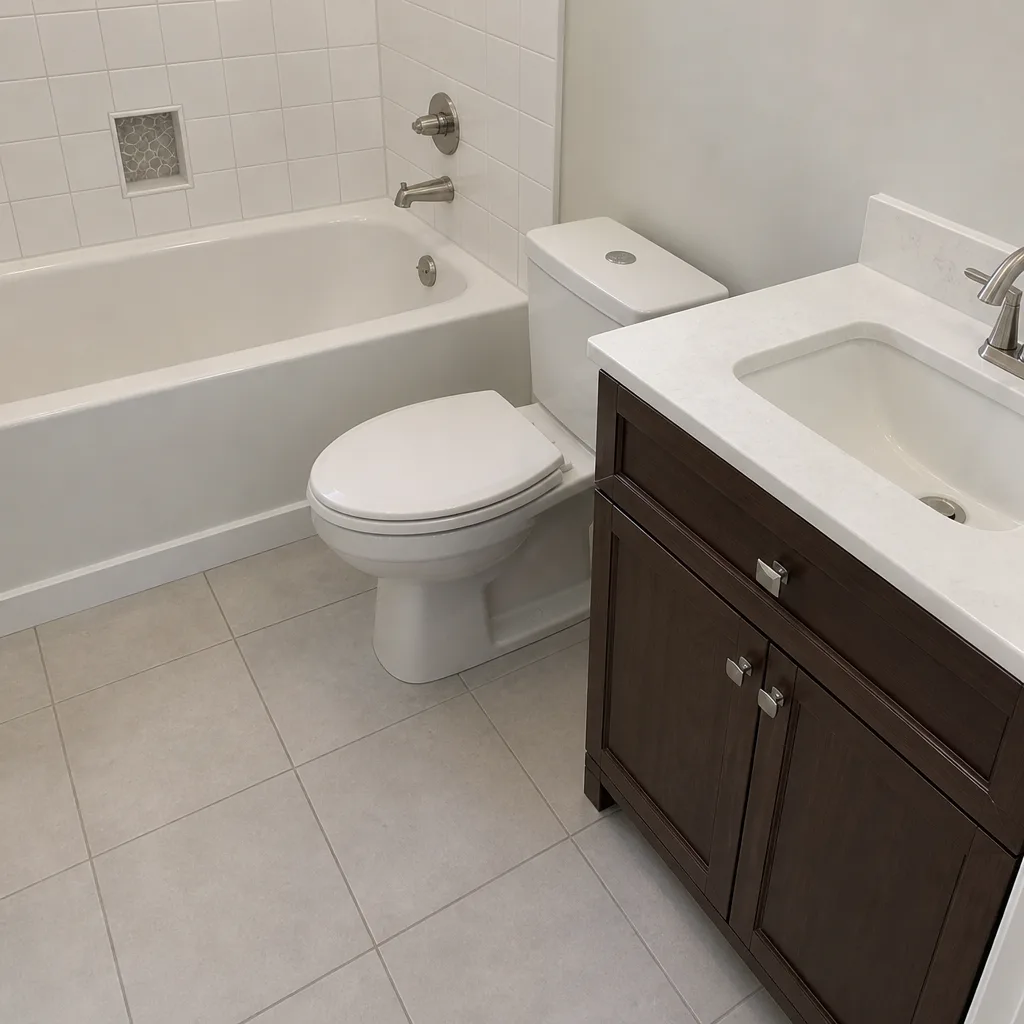
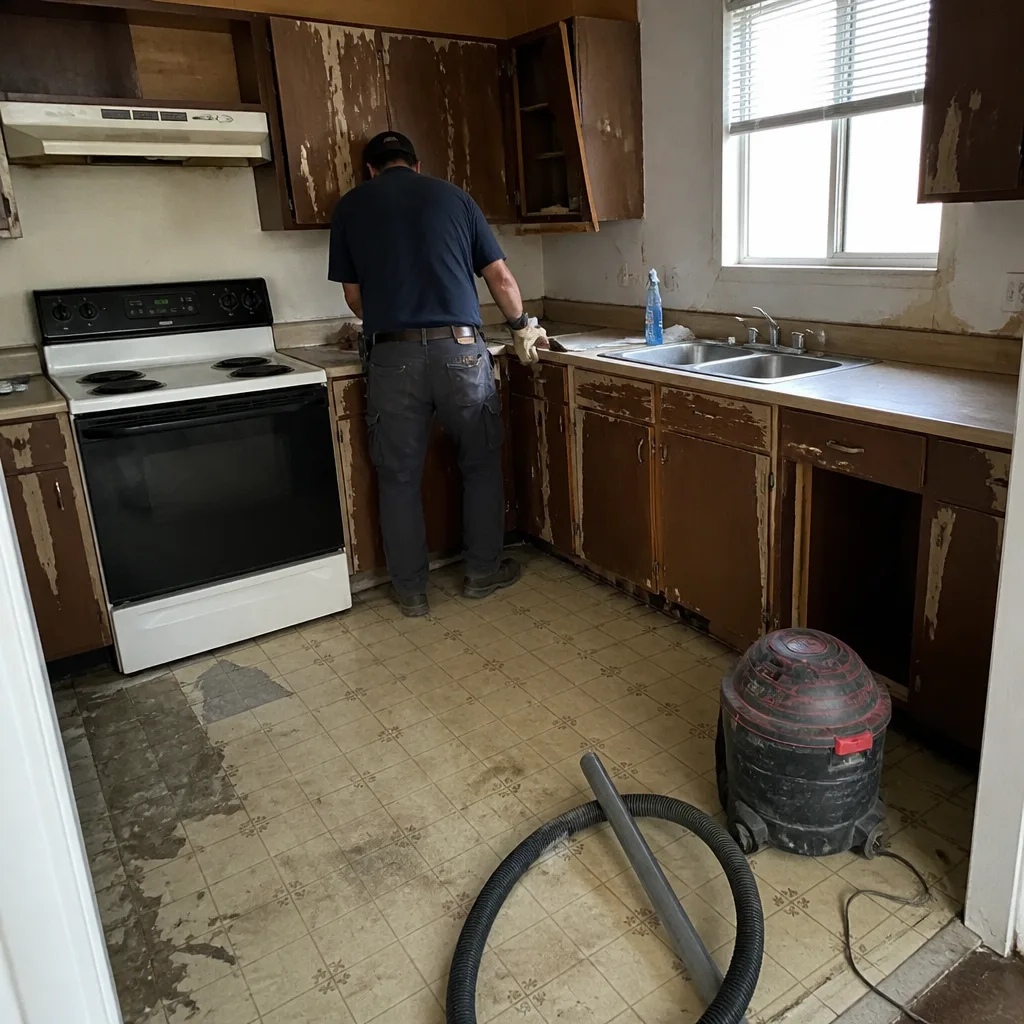
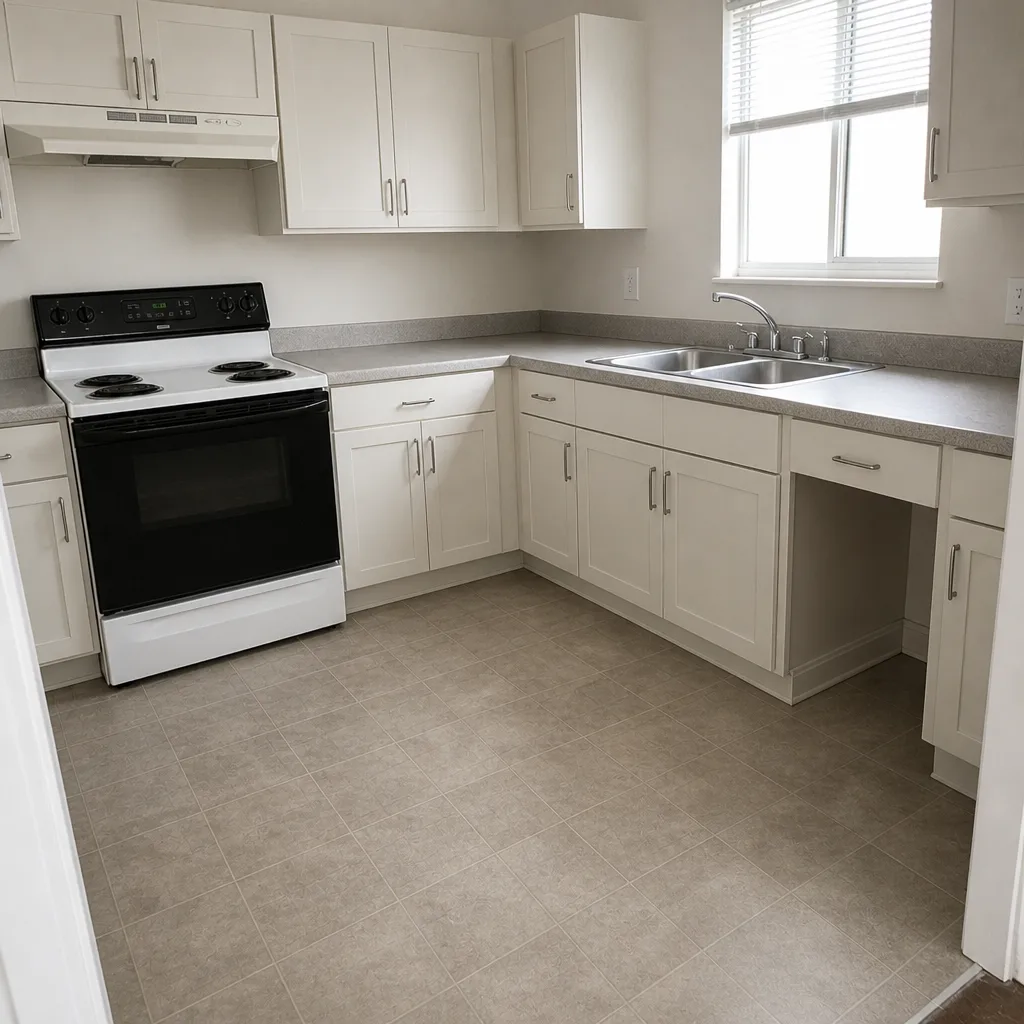
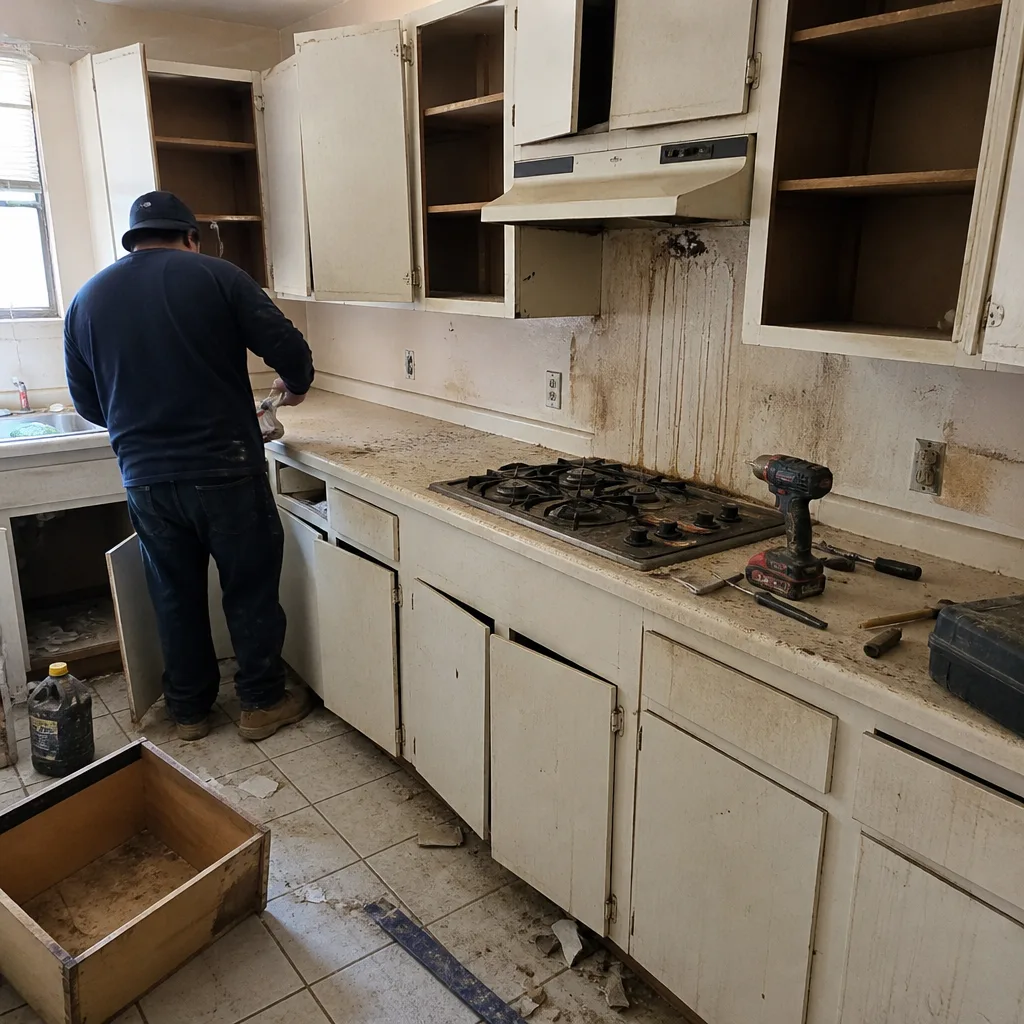
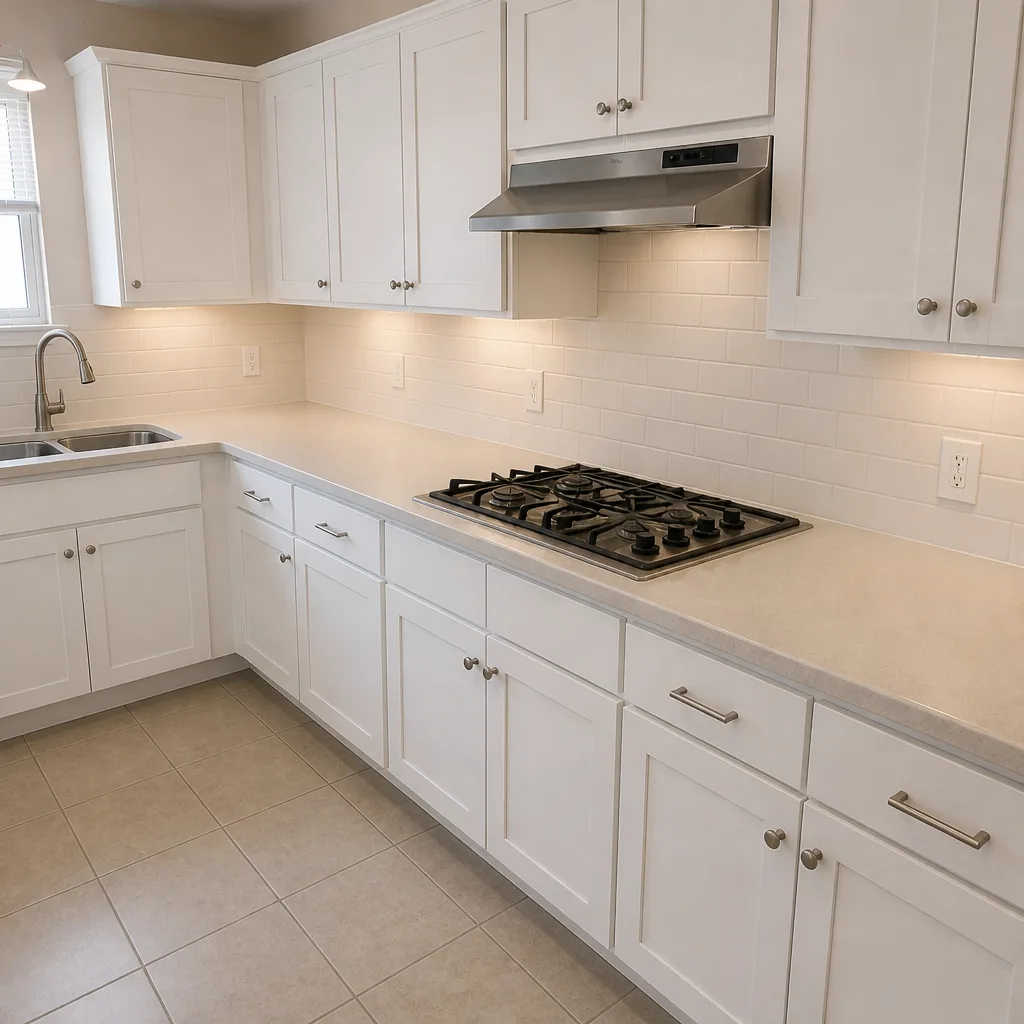
See the difference
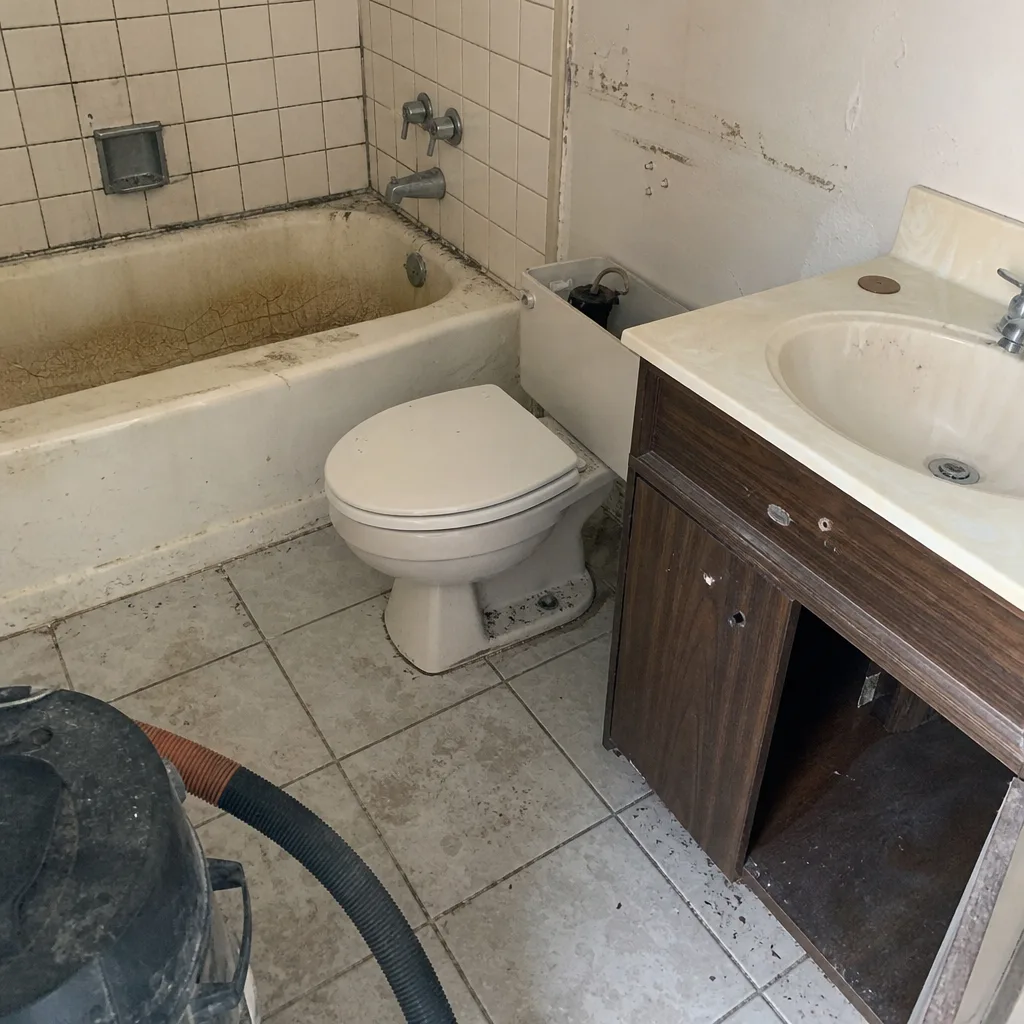 Before
 After
 Before
 After
 Before
 After
When to Call a Professional
Some work belongs on a homeowner’s weekend list. Other work is a safety issue or a permitting problem the moment it starts. Call a professional for anything that moves structural walls, alters electrical panels or wiring, touches gas lines, changes plumbing routes, or requires a foundation or slab. In North Las Vegas, add the caliche-and-clay flatwork problem: a driveway, patio, or addition poured without proper base assessment fails within a few seasons. And anything unpermitted, whether a finished addition, an ADU, or a block wall, is the kind of problem that gets expensive to unwind. Electrical panels and gas lines especially are not DIY territory; get a trained, licensed professional in for those every time. If your project involves coordination across more than one trade, full-scope is usually the safer and cheaper approach. Groundwork Construction Co. of North Las Vegas offers free estimates in North Las Vegas – call (844) 797-5026. Calls are answered by a live person, 24/7.
Frequently Asked Questions
Yes. North Las Vegas is an incorporated city with its own building department, separate from Clark County. A project inside city limits pulls permits through the city, and permits pulled and inspections passed is what keeps the work legal and insurable. If a contractor is assuming Clark County’s process, they’re starting from the wrong playbook. Call (844) 797-5026 for a free estimate from a team that pulls North Las Vegas permits directly.
Caliche is a cemented layer that’s harder than ordinary soil and can slow excavation, trenching, and foundation work significantly. It shows up as a real line item on flatwork, driveways, and foundation prep, and it varies from lot to lot. A bid that doesn’t account for caliche is a bid that will change on you. Call us for an exact quote once we’ve seen your lot – estimates are free.
Yes, and it’s one of the project types where North Las Vegas’s permitting and soil conditions matter most. An addition or ADU touches foundation, framing, electrical, plumbing, HVAC, roofing, and finish, so coordination and the city’s permit sequence both drive the schedule. It’s a multi-month project, not a quick job, and worth planning accordingly. Call (844) 797-5026 to schedule a free design consult and estimate.
Not when the bid is scoped properly. Upfront pricing means the number you see is the number you pay, and we don’t plan for change orders. The most common reason bids change elsewhere is conditions the contractor didn’t check: soil, permitting scope, or existing structural issues. We assess those before we quote. Call for a written, line-item quote – the estimate and design consult are free.
Yes. We pull permits through the City of North Las Vegas and schedule the city’s inspections, not Clark County’s. Permits pulled and inspections passed is a standard part of the job, and every project closes with the inspection sign-off sheets and final approvals in the homeowner’s hands. Call to talk through the permit scope for your specific project.
It depends on the scope, but a full kitchen remodel runs longer than a bathroom because cabinetry and countertop fabrication drive the schedule, and a bathroom gut is a sequenced job rather than a single visit. Permitting through the city adds time that a valley-average quote won’t show. We build the real timeline into the quote. Call (844) 797-5026 for a realistic estimate on your project.
The Bottom Line
North Las Vegas is a distinct construction environment, and treating it as a cheaper Las Vegas zip code is how homeowners end up with permit problems, cracked flatwork, and warranty gaps. The three rules that matter most: use a contractor who pulls city permits directly, test the ground before you pour, and get the documentation – lien waivers, inspection sign-offs, and a written warranty – at the final walkthrough. Choose full-scope for anything that crosses trades, and price the project on North Las Vegas’s realities rather than valley averages. Do those things and construction in North Las Vegas becomes predictable, which is all a homeowner really wants. Explore our Groundwork Construction Co. of North Las Vegas home page to see the full scope of what we build.
When you’re ready to move from reading to pricing, Groundwork Construction Co. of North Las Vegas offers free estimates in North Las Vegas. Call (844) 797-5026 to schedule your free estimate and design consult. Calls are answered by a live person, 24/7, and every project is covered by the 730-Day Done Right Promise: if it’s not done right, we make it right.
Written by the team at Groundwork Construction Co. of North Las Vegas.