Last updated November 18, 2026

Free written scope consultation - allowances, timeline, and change-order rules on paper before a single trade is scheduled
DIY vs Professional Construction: The North Las Vegas Homeowner’s Decision Guide
Here’s the counterintuitive part: the projects North Las Vegas homeowners take on themselves most often – paver patios, stucco patching, concrete crack sealing – are the same projects that fail fastest in our climate. A YouTube tutorial filmed in a mild, humid climate doesn’t account for 110°F summers, monsoon-driven expansion, and soil that shifts through the seasons. This guide sorts residential work by actual failure risk in North Las Vegas, walks through Nevada’s permit and disclosure reality, and gives you a straight cost accounting for DIY versus hiring out. You’ll finish knowing which tasks make sense to keep and which ones quietly compound into expensive corrections.
Quick Answer
In North Las Vegas, DIY makes sense for cosmetic, reversible, non-structural work – interior painting, landscaping, small tile jobs – and rarely makes sense for anything touching structure, drainage, roofing, electrical, gas, or high-voltage systems. The dividing line isn’t skill. It’s whether a mistake stays contained or compounds under desert UV, thermal movement, and Nevada’s permit and disclosure rules. When in doubt, get a written estimate before you rent a single tool.
Styles & brands we work with
- Kitchen remodeling
- Bathroom remodeling
- Home additions & ADU
- Roofing
- Windows & doors
- Driveway & pavers
- Fence
Table of Contents
- Why Failure Risk Matters More Than Difficulty in North Las Vegas
- Task-by-Task Breakdown: Where Each Project Falls on the Risk Scale
- The Permit Reality of DIY Work in North Las Vegas
- True Cost Accounting: What DIY Really Costs
- Liability, Disclosure, and Resale: What Nevada Requires You to Say
- Three Categories That Make Sense to DIY and Three That Don’t
- The Climate Factor: How Desert Conditions Change the Math
- How to Get a Real Estimate Before You Decide
Why Failure Risk Matters More Than Difficulty in North Las Vegas
Most DIY advice online frames the decision around difficulty: can you physically do it? That’s the wrong question in North Las Vegas. The right question is: if you do this imperfectly, does the mistake stay where you made it, or does it spread?
Sand a cabinet door wrong, and the worst outcome is a cabinet door that looks off. Slope a paver patio wrong, and the failure runs deeper. Water pools against the foundation through monsoon season, the base material washes out, and 18 months later you’re paying someone to tear out your work before they can do it right. That’s the compounding effect. In our experience, the second scenario costs three to five times what the original job would have.
North Las Vegas adds two pressure points most DIY guides never mention. First, UV intensity. Anything exposed to the sun – stucco, exterior paint, roofing, fence stain, paver sealer – degrades two to three times faster here than in coastal climates. A sloppy stucco patch that would last years elsewhere can start showing hairline cracks within a single summer. Second, thermal movement. The swing from a 45°F winter morning to a 115°F July afternoon moves materials measurably. Concrete, stucco, and grout that weren’t installed to account for that movement will crack, and no cosmetic fix hides it for long.
We’ve seen this pattern enough to categorize it. The projects homeowners most commonly attempt in North Las Vegas – paver patios, stucco patching, concrete crack sealing – are also the projects where poor execution fails quickest. That’s not a coincidence. They feel approachable. The materials are heavy and forgiving until they aren’t, and the failure mode is silent at first, then structural.
Below, we’ll sort work by that failure risk instead of by difficulty. We’ll also cover what homeowner-pulled permits actually allow in North Las Vegas, what voids them, and what Nevada’s seller disclosure rules mean for the resale value of any DIY structural or drainage work.
Task-by-Task Breakdown: Where Each Project Falls on the Risk Scale
Here’s how the work sorts when the sorting criterion is “does an imperfect result stay contained.”
Low Risk: DIY Friendly in North Las Vegas
- Interior painting – wrong color, wrong sheen, or a sloppy edge is a repaint, not a repair. Cost of failure: a few hundred dollars.
- Landscaping and desert plant installation – reversible. If it doesn’t thrive, you swap it. Check watering schedules against our summer heat, though; drip irrigation run wrong can kill a tree in a week.
- Small interior tile jobs (backsplash, small powder-room floor) – contained. Poor grout lines are ugly, not dangerous.
- Closet systems, shelving, hardware swaps – cosmetic and reversible.
- Pressure washing and driveway cleaning – low stakes if you use the right pressure on the right surface.
Medium Risk: Judgment Calls
- Fence installation – a North Las Vegas wood fence has to survive wind, sun, and soil that shifts. Posts set too shallow or in improperly prepped holes lean within two summers. The material cost of failure is high; the risk of injury is low. Our fence installation page covers the North Las Vegas specifics.
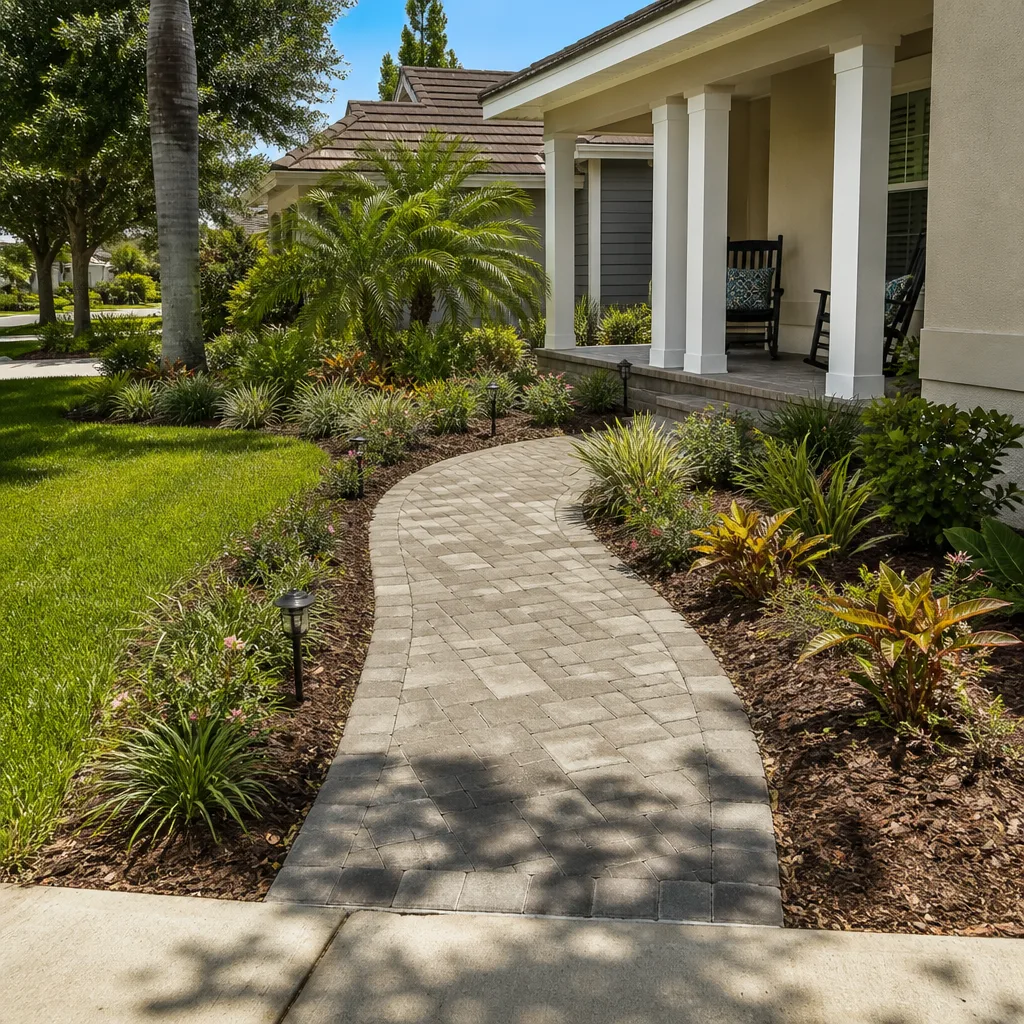
- Paver installation – base prep and drainage slope are where most DIY paver projects fail in North Las Vegas, and they’re the parts you can’t see once the pavers are down. The Driveway & Pavers service page explains what a properly prepped base looks like.
- Interior trim and molding – mostly cosmetic, but bad miters on window casing telegraph. Fixing is a re-do, not a repair.
- Bathroom fixture swaps (faucets, showerheads) – doable if the supply lines are sound, dangerous if you’re opening walls to chase a hidden leak.
High Risk: Where We See the Most Repeat Work
- Roof repairs and replacement – roof work involves heights and, in North Las Vegas, heat exposure that closes the safe working window to early mornings. A committed pro can handle a roof that surfaces to 160°F; a homeowner on a weekend afternoon can’t safely.
- Stucco patching – North Las Vegas’ dominant exterior finish. Proper stucco repair accounts for the substrate, the lath, and the thermal movement of the desert. Improper patches crack, weep, and let moisture into the wall assembly.
- Concrete crack repair and slab work – often a symptom of a drainage or soil problem, not the problem itself. Sealing over the crack without addressing the source means it comes back, wider.
- Electrical work (panel changes, new circuits, anything past a fixture swap) – genuinely dangerous. A North Las Vegas home’s electrical system is not a learning project.
- Gas lines – non-negotiable. Gas work isn’t a DIY category.
- Structural work and additions – see our dedicated guide to home additions & ADU in North Las Vegas for what’s involved.
- Anything tied to grading and drainage – which we’ll cover in the liability section.
The Permit Reality of DIY Work in North Las Vegas
North Las Vegas issues what are called homeowner permits. They allow a homeowner living in the home to pull permits for certain work on their own primary residence. They do not allow the homeowner to act as an unlicensed contractor, and they don’t allow unpermitted contractors to work under the homeowner’s name.
What homeowner-pulled permits typically allow in North Las Vegas:
- Some minor electrical work (adding an outlet in an existing room, within limits)
- Some plumbing repairs and replacements within the existing layout
- Mechanical work like a like-for-like water heater replacement, subject to inspection
- Certain non-structural remodeling (finish work, cabinets, flooring) that may still require a permit if it touches electrical or plumbing
What they prohibit or strictly limit:
- Any work on a residential property you don’t live in – your rental, a flip, a second home. A homeowner permit is for the dwelling you occupy.
- Structural changes without engineer-stamped plans and a full permit review.
- Hiring an unlicensed person to work under your permit. This voids the permit and shifts full liability to you.
- Gas line work beyond the most trivial connection – and even that is typically limited.
What voids a permit or causes inspection failure:
- Work performed before the permit is issued (a serious problem in North Las Vegas, where inspectors see it often)
- Failing the rough-in inspection and not calling for re-inspection
- Unpermitted subcontractors on site
- Changes to the approved scope without a revision
Here’s the part most homeowners don’t learn until resale: unpermitted work has to be disclosed, and unpermitted structural or electrical work can delay or kill an escrow. The buyer’s inspector will find it. Then you pay for a retroactive permit process, opening walls if needed, to get it inspected after the fact. That’s often more expensive than hiring a licensed professional the first time. Permits pulled and inspections passed is a baseline commitment we make on every job we touch.
True Cost Accounting: What DIY Really Costs
The DIY-versus-pro decision usually gets framed as “materials cost versus contractor cost.” That math is wrong on both sides. Here’s what a realistic accounting looks like.
The costs DIY guides leave out
- Tool rental. A proper tile saw, a compactor for paver base, a rotary hammer for stucco removal, a walk-behind saw for concrete – these add up. A weekend compactor rental runs roughly $100-$180 in the North Las Vegas area; a tile saw $60-$120 a day.
- Material waste from the learning curve. Most first-time DIYers overshoot material by 20-40%, and re-cut errors add up in real dollars on tile, trim, and pavers.
- Redoing it. When the work fails inspection or a neighbor’s stucco-minded eye, the pro’s cost includes demo and disposal – both billable line items.
The “fix my DIY” premium
Contractors price the remediation of poorly prepped work at a premium. Why? Because correcting a mistake takes as long as doing the work right the first time, plus removal. A simple example: a paver patio that was laid over improper or missing base material has to be torn up before a proper install can begin. You pay for the pavers twice, the labor twice, and the disposal once. The remediation premium is why we recommend getting an estimate on paver work before you start, not after.
The premium also applies to stucco. If a DIY stucco patch contaminated the substrate or used the wrong mix, the repair involves removing the failed patch, cleaning the substrate, and re-patching. That’s three line items on a job that would have been one.
What a professional brings to the cost side
Our pricing is upfront and written. What you see on the estimate is what you pay – no change orders once the work starts. That’s a real value in the cost accounting, because the “surprise” line items on cheap bids are where homeowners get hurt. We also offer 0% financing for 18 months and $1,000 off projects over $10,000, which flattens the up-front hit of work that would otherwise go DIY out of necessity rather than choice. And every project carries the 730-Day Done Right Promise – if it’s not done right, we make it right. That coverage changes the true cost calculation more than most homeowners realize.
Liability, Disclosure, and Resale: What Nevada Requires You to Say
Nevada’s seller disclosure requirements are the part of this decision most homeowners never factor in. When you sell a home in North Las Vegas, you complete a seller’s real property disclosure form. That form asks about known defects and material facts – including work done to the property. Unpermitted or structurally questionable DIY work falls squarely in that category.
What sellers must disclose:
- Known defects in the property or its systems
- Water intrusion, drainage problems, or evidence of same
- Structural repairs or alterations, whether or not permitted
- Roof repairs or replacements, and the age/condition
- Any known unpermitted work
What buyers’ inspectors find – reliably, in North Las Vegas:
- Unpermitted electrical work: bootleg grounds, unsupported fixtures, undersized wire
- Unpermitted plumbing: improperly vented drains, cross-connections, water heater straps missing or wrong
- Grading that drains toward the house instead of away
- Stucco patching that doesn’t match the substrate profile
- Roof flashing that was caulked instead of properly installed
The resale reality: any of these can stall an escrow, force a price reduction, or trigger a buyer’s demand for remediation before close. The Nevada Real Estate Division doesn’t require you to fix the problems – but you do have to disclose them, and disclosure costs you negotiating leverage. If you’ve done structural or drainage work yourself, keep every permit, every inspection record, and every material receipt. If you didn’t pull a permit and the work is significant, retroactive permitting is usually the cleanest path. It’s also the path most homeowners end up taking anyway, just later and at a higher price.
Three Categories That Make Sense to DIY and Three That Don’t
Three that generally make sense in North Las Vegas
- Interior cosmetic refresh. Painting, wallpaper removal, swapped light fixtures, closet shelving, hardware. Reversible, low stakes, and a good use of a weekend. The only caveat: leave electrical fixture swaps to a licensed electrician if you’re not confident with the breaker and the wiring.
- Landscaping with desert-appropriate plants. The learning curve is real but forgiving, and the results are visible fast. Just verify your drip irrigation runs are programmed for our heat – irrigation errors kill plants quickly here.
- Minor exterior maintenance. Pressure washing, gutter clearing (from a safe ladder, not the roof), fence board replacement, seasonal caulk touch-ups. These are maintenance tasks, not construction tasks, and the failure mode is cosmetic.
Three that consistently end in professional remediation
- Paver patios and driveways. The base prep and slope – the invisible parts – are what fails. A paver installation that doesn’t shed water correctly causes pooling, shifting, and eventually foundation moisture. We see this in North Las Vegas neighborhoods every spring after the first heavy rain.
- Stucco repair and patching. Stucco work in the desert is substrate-sensitive and mix-sensitive. Patches installed without matching the wall assembly, or without accounting for thermal movement, crack or weep. A repaired patch costs three to five times what a correct install would have. On roofing and stucco, we work with certainteed, Owens Corning, IKO, and Atlas products – that’s not for the branding alone; those systems are engineered to handle desert UV and thermal cycling, and cutting corners on materials doesn’t save money in this climate.
- Roof repairs. Roof leaks reveal themselves slowly and cost structurally. A flashing repair done incorrectly lets water into the decking, and you find out during monsoon season when a ceiling stain appears. Roof work is also genuinely dangerous – heights, heat, and unfamiliar footing. This one is worth hiring out, every time.
For the record – we’re not saying every homeowner is incapable. We’re saying the cost of an imperfect result on these three categories far exceeds the savings of doing it yourself in North Las Vegas. That’s the accounting that matters.
The Climate Factor: How Desert Conditions Change the Math
This is where most DIY guides stop being useful. The instructions were written somewhere with moderate summers, regular rainfall, and stable ground. North Las Vegas doesn’t offer any of those.
Three climate realities and what they mean:
UV intensity. Southern Nevada is one of the sunniest regions in the country, and UV degrades exposed materials fast. A stucco patch that was mixed too lean – not enough cement – will chalk and crack within a year here. A paver sealed with the wrong product can yellow or fail within two summers. A roofing repair that skipped the right underlayment will let UV through to the deck. You can’t undo a material choice, and the sun will find it.
Thermal movement. Concrete, stucco, and paving materials expand and contract through the day and across seasons. North Las Vegas swings from winter mornings in the 40s to July afternoons near 115°F. That movement is why expansion joints exist in slabs, why stucco needs control joints, and why improperly installed hardscape shows cracks in its first year. A tutorial that never mentions the swing wasn’t written for this climate.
Soil and monsoon drainage. North Las Vegas soils are a mix of compacted native soil and caliche, and they don’t absorb water quickly. When a monsoon hits, the water runs. Drainage slopes that would work in a loamy soil fail here – water pools, sits against foundations, and finds wall assemblies. Any DIY work involving grading, drainage, or paver slope has to account for that, and most homeowners don’t know to check.
The most common North Las Vegas failure pattern we see: a homeowner installs a paver patio in spring, it looks great through the summer, and the first heavy rain in late summer reveals the water pooling in the wrong spot. By the following spring, the pavers are shifting and the base is compromised. Doing it right the first time – measured slope, proper base compaction, drainage accounted for – costs less than fixing it.
How to Get a Real Estimate Before You Decide
The cleanest path before any DIY decision is to know what a professional would charge. A written estimate tells you what the work actually costs, and it lets you compare that number to the realistic cost of doing it yourself – including tool rental, material waste, and the risk of remediation.
- Write down the scope. What exactly are you doing? What’s the surface area, the material, the finish expectation? Specifics get you a real estimate, not a placeholder number.
- Get at least two written estimates. Compare line items, not totals. The cheapest bid usually isn’t the lowest final cost – change orders are where cheap bids become expensive.
- Ask what’s included in the warranty. Workmanship warranty length and what it covers changes the math. Ours is the 730-Day Done Right Promise – two years of coverage on the installation, backed in writing.
- Verify licensing and insurance. Any contractor you hire should be state-licensed and insured and bonded. Homeowner permits don’t protect you from unlicensed work.
- Confirm the permit path. Ask the contractor who’s pulling the permit. If the answer is “you don’t need one,” get a second opinion – especially on structural, electrical, plumbing, or drainage work.
A real professional will commit to a fixed price before the job starts. Upfront pricing, no surprises, in writing, is the only way to compare DIY and professional costs apples-to-apples. If the contractor wants to walk the job and give you a ballpark after – fine – but the estimate should still be line-itemed and written.
Common Mistakes to Avoid
- Treating “I can do it” as the same question as “should I do it.” Physical capability is the wrong test. Ask instead: if this fails, is it cosmetic or compounding? On anything structural, drainage, or electrical, the second answer rules.
- Starting work before the permit is pulled. North Las Vegas inspectors see work begun without a permit, and it triggers a re-inspection and often a stop-work order. Pull the permit, wait for the inspection, then start.
- Hiring an unlicensed friend or “guy” under your homeowner permit. It voids the permit, shifts liability to you, and complicates any future disclosure. A permit names who can work, and unlicensed subcontractors aren’t allowed under them.
- Laying pavers over un-prepared base material. This is the single biggest cause of paver failure in North Las Vegas. The base is the job. The pavers are the finish.
- Caulking a roof leak instead of fixing the flashing. Caulk is temporary at best and won’t hold through a monsoon or a 115°F summer. The leak returns – bigger.
- Skipping the flood test on new patios and driveways. Before you call the job done, run water on it. If it pools where it shouldn’t, you want to know now, not after the first rain.
- Not keeping records of DIY work. If you sold the home tomorrow, could you prove what you did and that it was done correctly? Keep receipts, permit records, and photos of the work-in-progress.
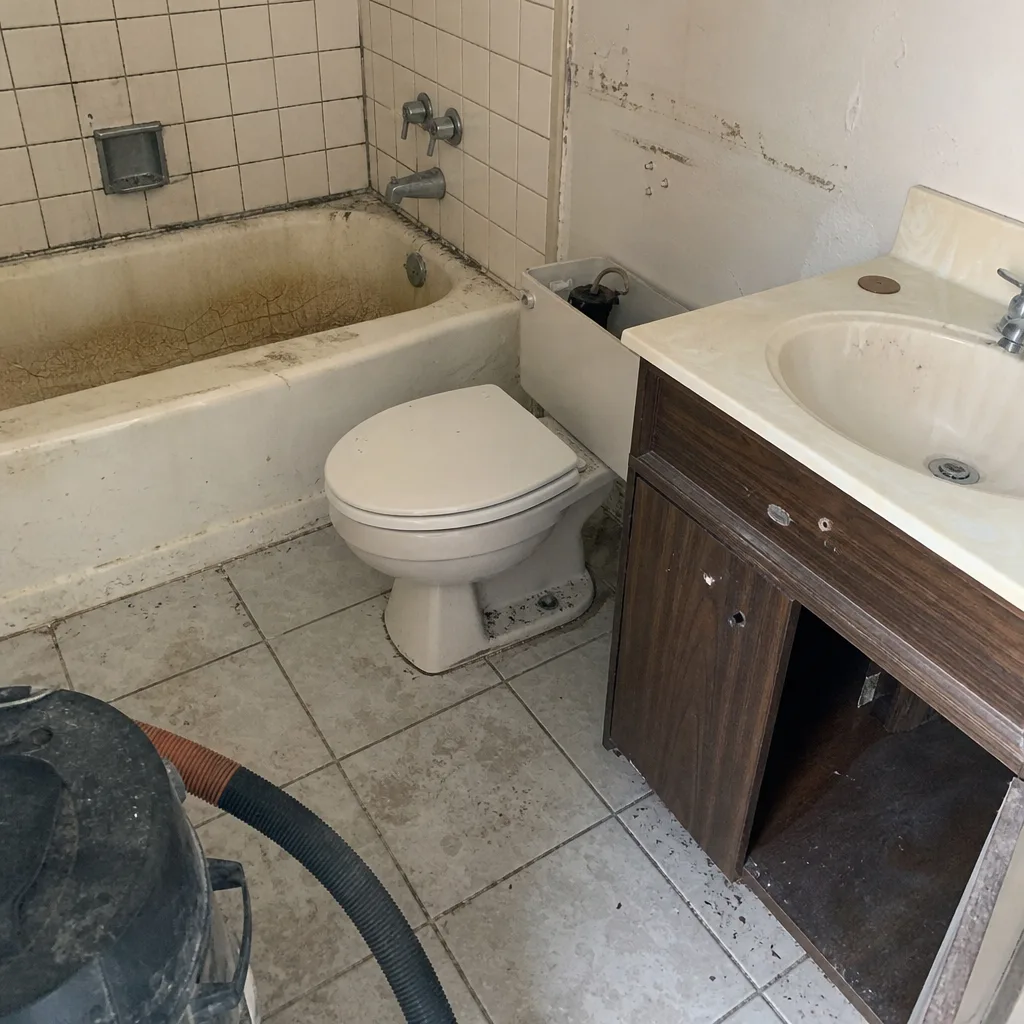
See the difference
 Before
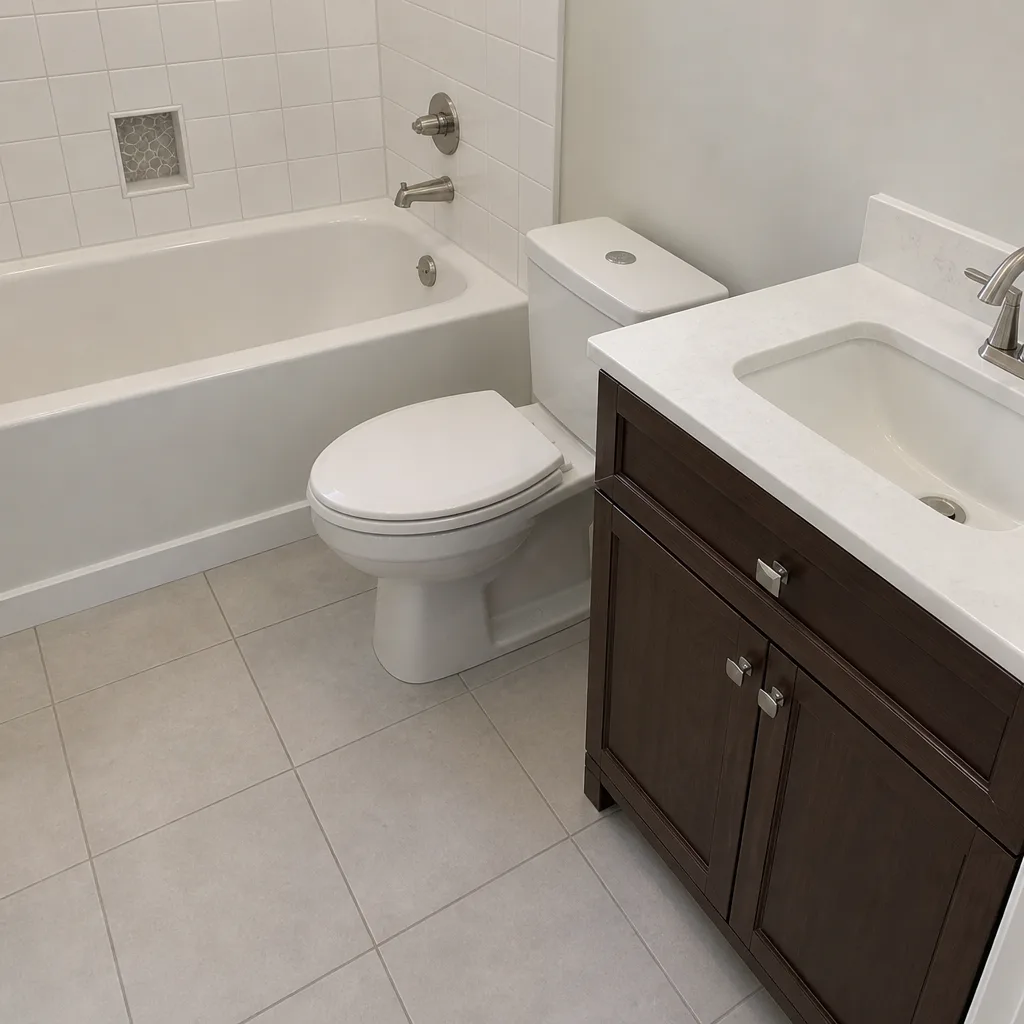 After
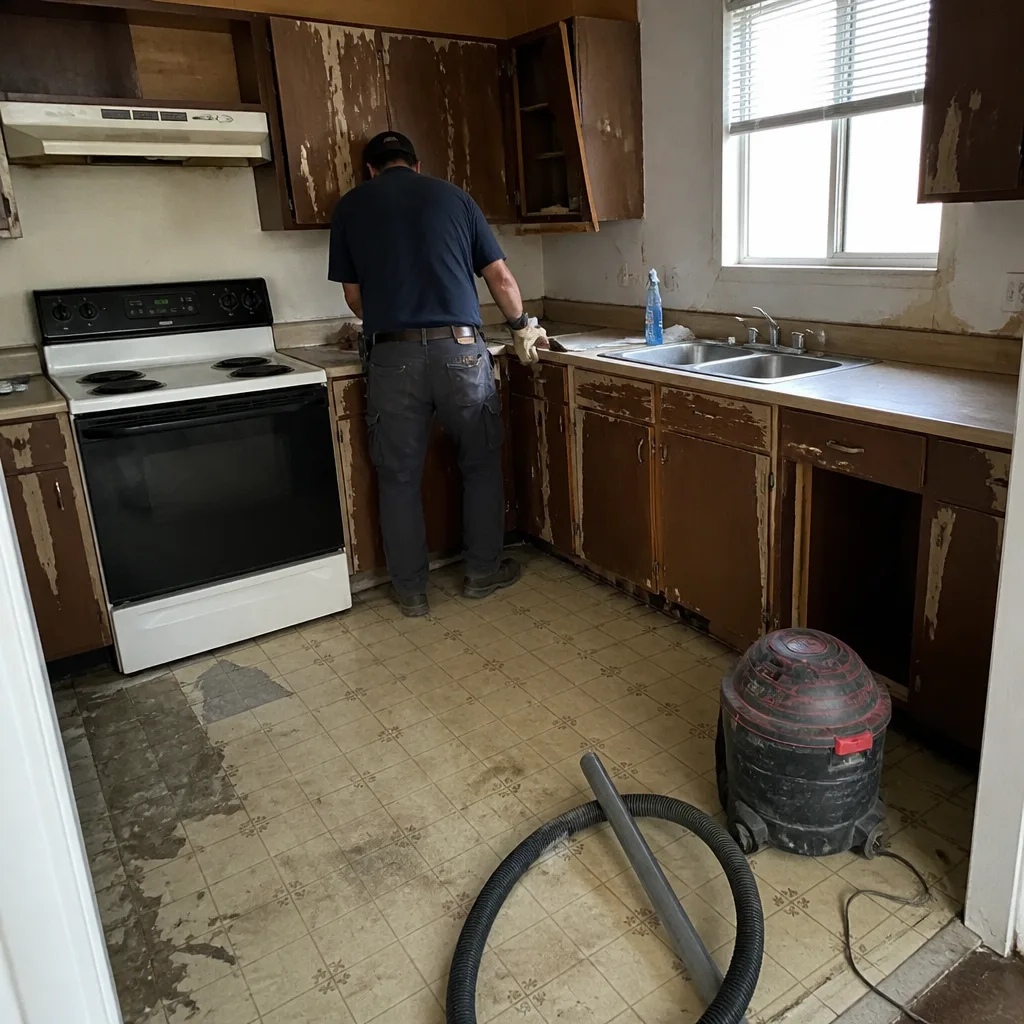 Before
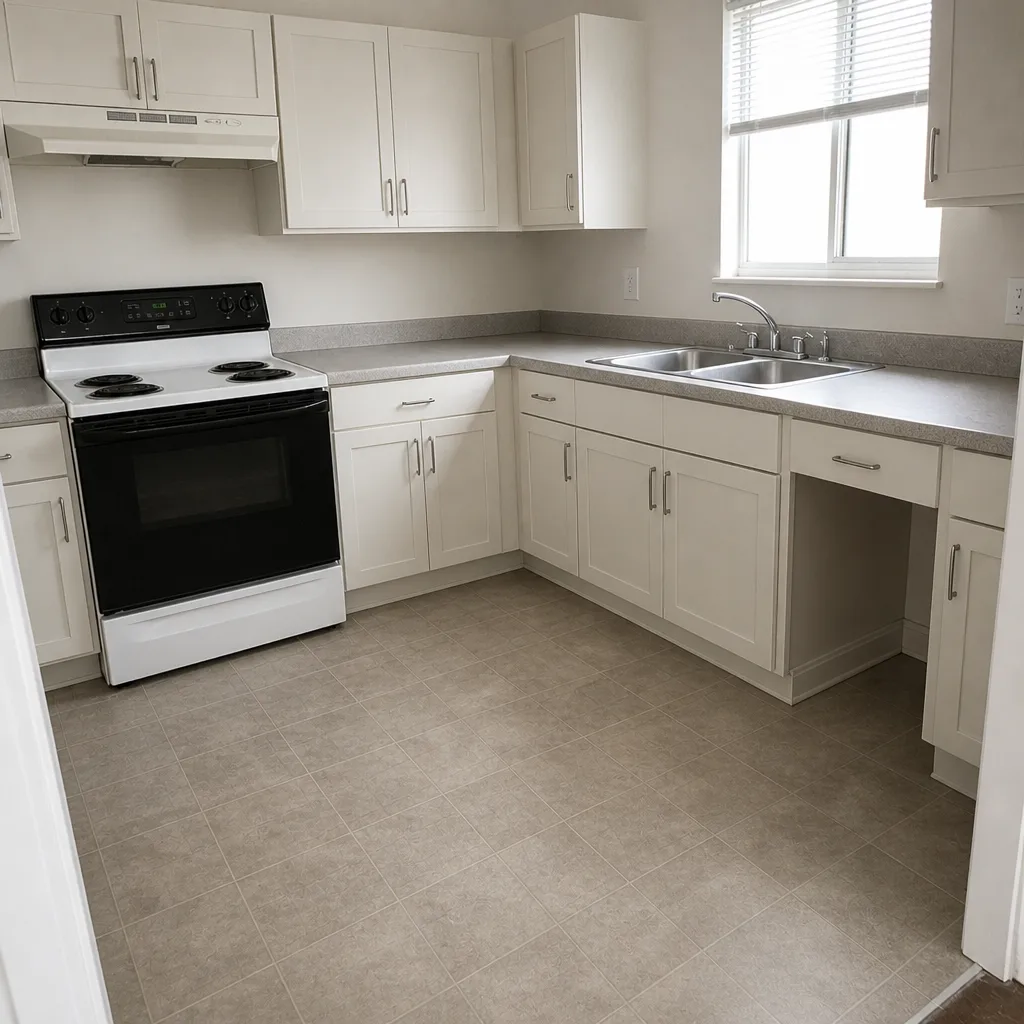 After
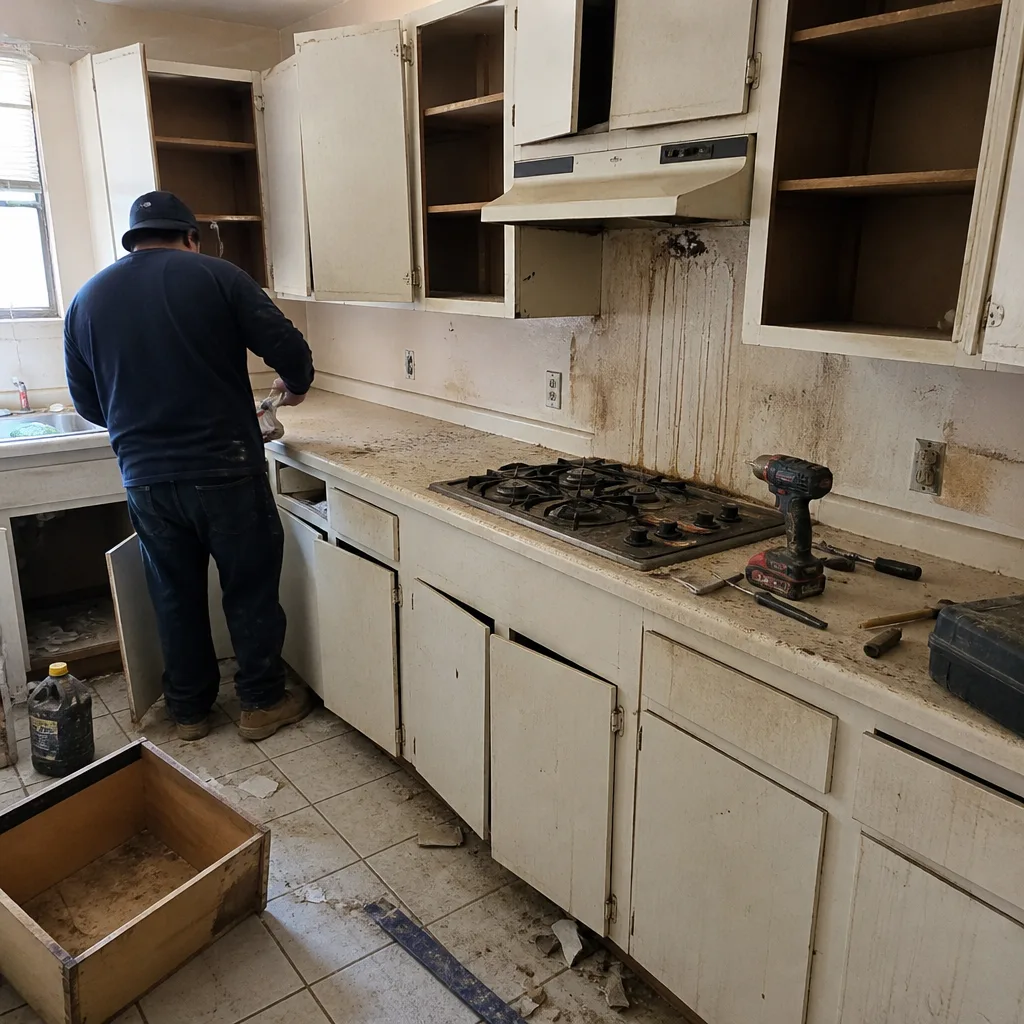 Before
 After
When to Call a Professional
Call a professional on any project that touches structure, roofing, electrical systems, gas lines, grading, drainage, or anything with a height or heat exposure component. Call when you’ve gotten a permit but haven’t done the work before. Call when a homeowner-level repair has failed once already – the second attempt on already-failed work is where the remediation premium really bites. Call when the project affects the resale disclosure trail. Call when you’re not sure – an estimate is the cheapest information you’ll buy. Groundwork Construction Co. of North Las Vegas offers free estimates in North Las Vegas – call (844) 797-5026. Our technicians have up to 12 years of experience, and every project carries the 730-Day Done Right Promise.
Frequently Asked Questions
Yes, for the right kind of work. Nevada allows homeowner-pulled permits for specific tasks on the primary residence you occupy, and cosmetic work generally doesn’t require a permit at all. What’s prohibited: structural work without engineer-stamped plans, work on properties you don’t occupy, and having unlicensed people work under your permit. The dividing line is whether the work is reversible and non-structural. Call (844) 797-5026 if you’re not sure – a quick conversation about scope usually settles it before you rent tools.
It can, mostly through the disclosure process. Nevada sellers must disclose known defects and material facts, including unpermitted work. Buyer inspections reliably find unpermitted electrical, plumbing, or drainage work, and those findings can delay escrow or force a price reduction. Properly permitted and documented work – whether DIY or professional – doesn’t carry the same risk. If you’ve done structural work, keep every record so you can prove it was done right.
Improperly prepped paver and concrete work. In our experience, the failure isn’t in the visible finish – it’s in the base prep, the drainage slope, and the compaction, none of which you can see once the surface is down. That’s the specific pattern we see recur in North Las Vegas: a paver installation that looks great in week one and starts shifting by the next rainy season. The fix costs far more than the initial install because you pay to remove and redo. Call (844) 797-5026 for a free estimate on hardscape before you dig – it’s the cheapest insurance there is.
Yes. Roof replacement and most significant roof repairs require a permit and a final inspection, regardless of who performs the work. DIY roof replacement is technically allowed for a homeowner occupant, but no – we don’t recommend it. Roof work means heights, extreme heat, and materials designed to be installed by trained crews. Improper installation is easy to miss from the ground and expensive to discover during monsoon season. The math rarely works out in favor of DIY on roofing.
Get a written line-item estimate and compare line items across two or three bids. A fair estimate shows labor, materials, permit costs, and any specialty work as separate lines. The cheapest bid usually omits scope or has change orders waiting – and change orders are where cheap bids become expensive. Groundwork Construction Co. of North Las Vegas prices upfront in writing with no change orders once work starts, and every estimate is free. Call (844) 797-5026 to schedule yours.
You get a re-inspection request and a list of corrections. Failing inspection itself isn’t a disaster; the pain is in what happens next. Corrections often mean opening up work that’s already closed – tearing out tile, cutting into drywall, removing a paver surface – to expose the failed portion. That’s where DIY remediation costs exceed the original project cost. If an inspection is pending, get an estimate of what the corrections will actually run before you decide to attempt them yourself. Call (844) 797-5026 for a free assessment – it’s worth knowing the number.
The Bottom Line
The DIY decision in North Las Vegas isn’t about capability. It’s about failure containment. Work that stays contained if you get it slightly wrong – paint, landscaping, minor maintenance – is worth keeping. Work that compounds under desert UV, thermal movement, and monsoon drainage – pavers, stucco, roofing, electrical, gas, structure – is worth getting right the first time, and the true cost of DIY failure on those categories almost always exceeds the savings. Add Nevada’s disclosure and resale reality, and the math tilts further toward professional work on anything structural or drainage-related. If you’re on the fence, get a free written estimate first. The number you see is the number you pay, backed by the 730-Day Done Right Promise. That’s how you make the decision with real information rather than a guess.
Ready to price the work before you decide? Call (844) 797-5026 for a free estimate from Groundwork Construction Co. of North Las Vegas. Live person, 24/7 – no voicemail, no waiting until Monday. Explore our full service menu on the Groundwork Construction Co. of North Las Vegas home page, and take a quick read of our driveways and pavers, fence installation, and additions and ADU guides if your project touches hardscape, fencing, or a new structure. From foundation to finish line, we’re ready to help you decide what’s worth doing yourself and what isn’t.
Written by the team at Groundwork Construction Co. of North Las Vegas.