Last updated November 18, 2026



Free written scope consultation - allowances, timeline, and change-order rules on paper before a single trade is scheduled
Construction Emergency Preparedness Guide for North Las Vegas Homes
The 2023 monsoon season sent flash floods through North Las Vegas that left foundation drainage failures and heaving flatwork scattered across neighborhood after neighborhood. Here’s the part almost nobody talks about: most of that damage wasn’t caused by the water itself. It came from homeowners standing in their driveways the next morning with no idea what to check first, what to document, or what to leave alone until a professional arrived. Construction emergencies in North Las Vegas aren’t random. They cluster around four predictable events, and the homeowners who plan for them spend a fraction of what the unprepared ones do. This guide walks you through the event hierarchy, a 24-hour self-inspection protocol, real temporary mitigation, and the documentation that makes an insurance claim stick.
Quick Answer
Construction emergency preparedness for a North Las Vegas home means planning for four events in order of likelihood: monsoon flooding, extreme heat material failure, rare hard freeze, and high-wind stucco or roofing damage. The core of any plan is a season-by-season prep checklist (drain inspection, joint sealing, expansion gap clearing) plus a documented 24-hour post-event inspection you run yourself before calling a contractor. Prepared homeowners file cleaner insurance claims, catch structural problems before they spread, and avoid the emergency-rate pricing that unprepared owners get hit with.
Styles & brands we work with
- Kitchen remodeling
- Bathroom remodeling
- Home additions & ADU
- Roofing
- Windows & doors
- Driveway & pavers
- Fence
Table of Contents
- The North Las Vegas Emergency Event Hierarchy
- Pre-Season Prep That Prevents Most Emergencies
- The 24-Hour Post-Event Inspection Protocol
- What Temporary Mitigation Actually Looks Like
- Documentation Checklist for Insurance Claims
- Zone-by-Zone Breakdown: Where to Look First
- After the Emergency: Rebuilding So It Doesn’t Repeat
- Common Mistakes to Avoid
- When to Call a Professional
- Frequently Asked Questions
The North Las Vegas Emergency Event Hierarchy
Not every weather event deserves equal prep time. In North Las Vegas, four event types account for nearly all construction emergencies, and they’re not ranked by how dramatic they look on the news. They’re ranked by how often they hit and how much damage they tend to leave behind. Understanding that order is the difference between spending your prep budget wisely and wasting it on the wrong threat.
1. Monsoon Flooding (Most Frequent, Widest Cost Range)
July through September is monsoon season across the Las Vegas Valley, and North Las Vegas sits on the receiving end of a lot of runoff from the surrounding terrain. The damage rarely announces itself as flooding. It shows up as saturated soil against a foundation wall, water pooling where the driveway meets the garage slab, block walls that suddenly lean a half inch, and flatwork that lifts at the joints. Neighborhoods near the upper elevations and areas with newer, less mature storm drainage infrastructure see it most. This is the event you prepare for first because it’s the one most likely to actually happen in any given year.
2. Extreme Heat Material Failure (Constant, Cumulative)
A Las Vegas summer doesn’t produce a single dramatic moment. It grinds. Roofing sealants that were rated for a heat cycle soften and fail. Stucco hairline cracks open into channels. Expansion joints in concrete fill with grit and stop expanding, so the slab cracks somewhere else instead. PVC irrigation and hose bib lines degrade faster here than in almost any other climate. Heat damage compounds quietly until a monsoon rain pushes water into a crack that’s been growing for three summers. Treat extreme heat as the accelerant that makes every other event worse.
3. Rare Hard Freeze (Low Frequency, High Severity)
Freeze events are uncommon in North Las Vegas, but they happen, and the rarity is exactly what makes them expensive. Homes here aren’t built with the freeze protections common in colder regions. Exposed backflow preventers, hose bibs, and irrigation components freeze and split. When they thaw, water runs. Most freeze emergencies we deal with involve a homeowner who didn’t know a 26-degree night could split a pipe that’s survived two decades of summers.
4. High-Wind Stucco and Roofing Events (Seasonal, Localized)
Wind events strip ridge caps, lift roof shingles, and open stucco cracks into wind-driven moisture channels. They’re the least predictable in location, which is why the post-event inspection protocol below covers the whole exterior rather than targeting one zone. GAF and Owens Corning roofing systems handle this climate well when they’re installed to spec, but no system survives a missed fastener or a sealant that baked off three summers ago.
Pre-Season Prep That Prevents Most Emergencies
Here’s the counterintuitive part: nearly every North Las Vegas construction emergency we see could have been caught by a homeowner spending two hours on prevention before the season arrived. The events are predictable. The damage happens when the prep didn’t.
Before Monsoon Season (Do This in May or June)
- Inspect and clear every drainage path. Walk the perimeter of your home and clear debris from downspouts, exterior drain inlets, landscape swales, and the transition where your property meets the street. In North Las Vegas, wind-blown desert dust and dead landscaping fill these faster than in wetter climates.
- Seal visible cracks in stucco and block walls. Any crack wider than a credit card is a water channel. Seal it before the first storm pushes water behind the wall where it does structural damage.
- Clear concrete expansion joints. Grit and vegetation packed into joints stop them from absorbing movement. That forces the movement into the slab, which cracks. A stiff brush and a screwdriver handle does most of this work.
- Confirm the slope away from the foundation. Soil against a North Las Vegas foundation settles and drops over time. It should slope visibly away from the house. If it doesn’t, that’s a drainage failure waiting for a storm.
- Check the roof. Look for lifted shingles, degraded sealant around vents and flashing, and any granules accumulating in gutters. Granule loss on an asphalt shingle roof is heat deterioration, not just wear.
Before the First Freeze Warning
- Insulate or cover exposed backflow preventers and hose bibs.
- Disconnect hoses and drain irrigation lines that run above grade.
- Know where your main water shutoff is before you need it in the dark.
Before Wind Season
Walk the yard and secure anything that can become a projectile. Check that your block walls are plumb with no visible lean or separation at the pilasters. Loose gates and fence panels flapping in wind stress the posts and can eventually pull them out.
If your exterior inspection turns up issues you can’t safely resolve yourself, the right move is a proper assessment rather than a duct-tape fix. Our Groundwork Construction Co. of North Las Vegas home page covers how we approach exterior assessments and the trades we handle from foundation to finish line.
The 24-Hour Post-Event Inspection Protocol
After a major storm, wind event, or freeze, most homeowners have a strong instinct to call someone immediately. That instinct is often wrong. The first 24 hours are for documenting and stabilizing, not rebuilding. Here’s the protocol, organized by exterior zone, that gets you to a contractor call with everything you actually need.
Zone 1: Foundation Perimeter (Start Here)
- Walk the entire perimeter at a slow, deliberate pace.
- Look for soil that has pulled away from the foundation, exposing a visible gap where it once met the wall.
- Check for standing water within three feet of the foundation. If it’s still there 24 hours after the storm, there’s a drainage problem.
- Look for new horizontal cracks, efflorescence (white chalky deposits), or damp patches on the foundation wall.
Zone 2: Driveway and Flatwork
- Look for new cracks running from corner to corner of any slab.
- Check for lifting or “heaving” at the joints, where one section is now higher than the adjacent one.
- Look for ponding that doesn’t drain.
- Photograph any crack with a ruler next to it for scale.
Zone 3: Block Walls and Fencing
- Stand at one end of each wall run and sight down the top edge. Any visible curve is a movement issue.
- Check the pilasters and posts for separation from the wall panels.
- Look for new cracks that follow the mortar joints in a stair-step pattern.
- Push firmly on gate posts to check for looseness at the soil line.
Zone 4: Roof and Stucco
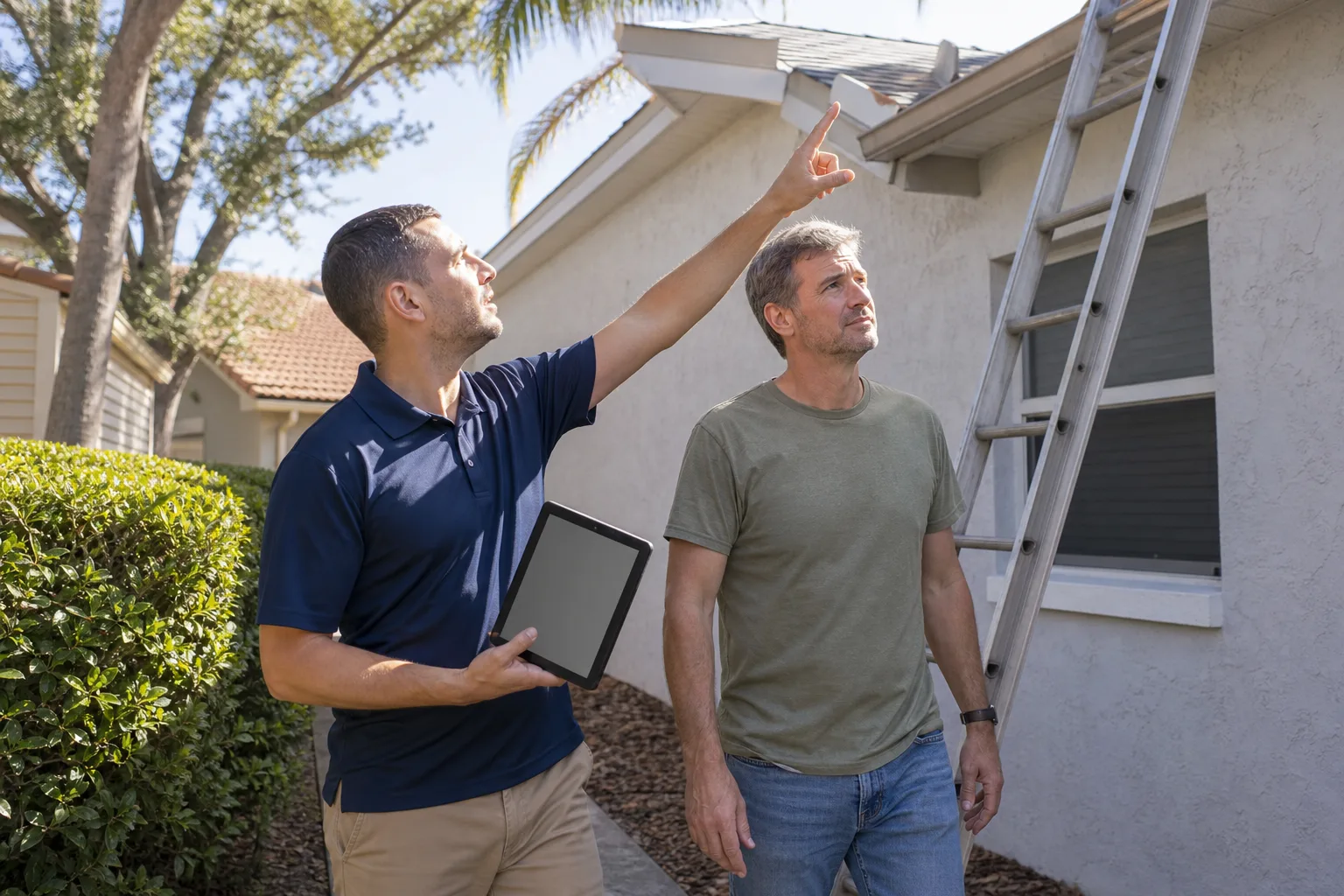
- From the ground with binoculars, look for missing shingles, lifted flashing, or a visible sag.
- Do not climb on the roof after a weather event. Wet or heat-stressed shingles are genuinely dangerous, and a fall costs far more than a professional assessment.
- Look for new stucco cracks, especially around windows and doors where moisture can enter.
- Check gutters and downspouts for any visible damage.
Zone 5: Windows and Doors
- Open and close every window and exterior door. Sticking indicates movement in the frame or foundation.
- Look for daylight around the frame seal.
- Check for water staining on the interior side of the frames.
Write down what you found for each zone. This record becomes the backbone of any claim and the basis for a contractor assessment. It takes less than an hour, and it changes the entire conversation.
What Temporary Mitigation Actually Looks Like
Here’s where a lot of homeowners get into trouble. Emergency spending on the wrong fix costs more than doing nothing and calling a professional. Real temporary mitigation is stabilized, documented, and safe to leave in place until a proper repair happens. Anything past that is not temporary; it’s a liability you’ve created.
Water Intrusion
- Stop the water at the source. If a pipe is actively leaking, shut off the main.
- Move furniture and stored items out of the wet zone.
- Get air moving. Box fans directed at damp walls and concrete dry the surface and slow mold growth, which is real here in the summer heat.
- Do not seal the surface with paint or sealer before it dries. That traps moisture and makes the eventual repair worse.
Cracked Flatwork
- Do not fill a structural-looking crack with landscape sand or a hardware-store patch before it’s been assessed. You’ll hide the diagnostic evidence a professional needs to see.
- Mark the crack ends with a small piece of tape or pencil and photograph it. Quick check next week shows whether the crack is growing.
- Keep the area clear of foot traffic if any section has become uneven enough to trip on.
Block Wall Cracking
- Do not attempt to patch or repoint a cracked block wall until the underlying movement is understood. Patching mortar hides a stability problem and delays the right repair.
- Keep anything that could be crushed (furniture, vehicles, play equipment) away from the base of a leaning wall.
- Document the lean with photos from a fixed position taken from the same spot, same angle, weekly.
What “temporary” means is this: it stops the damage from getting worse, it doesn’t hide the evidence, and it’s safe to leave in place for a few weeks while you get estimates. Anything that goes further than that is a permanent fix that happened to get built by surprise. That’s how the small fixes turn into the big ones.
Documentation Checklist for Insurance Claims
The single biggest reason a legitimate construction damage claim gets denied or underpaid isn’t the damage itself. It’s thin documentation. Here’s the full list, and it’s worth keeping it in a note on your phone before you need it.
What to Capture
- Wide shots and close shots of every damage point. Start wide so the context is clear, then move in. Insurance adjusters need both.
- Timestamps. Every phone photo carries one automatically. Don’t edit photos and don’t crop down to nothing.
- Scale references. A coin, a ruler, or a measuring tape placed next to a crack or gap speaks volumes about severity.
- Video walkthrough. A slow, narrated video tour of the damage is often more useful to an adjuster than 200 separate photos. Narrate what you’re seeing and where you’re standing.
- Dates of the event and the inspection. Note exactly when the storm hit and when you found the damage. Keep this record separate from the photos.
- Contractor assessment letter. This is the piece most homeowners miss. A written assessment from a licensed contractor that identifies the cause, the scope, and an estimated repair cost substantiates the claim in a way photos alone cannot. Ask for it in writing.
- Permit records. Pull any permit records for prior construction on the affected areas. If a prior contractor’s work is implicated, permit records establish what was authorized and inspected.
- Receipts for temporary mitigation. If you spent money stabilizing the damage (dehumidifiers, fans, rental equipment), keep the receipts.
- Any HOA or neighbor reports. In many North Las Vegas neighborhoods with HOAs, a formal report from the association adds a second witness to the damage and timeline.
What Not to Do
- Don’t throw anything away until the claim is settled.
- Don’t start permanent repairs before the adjuster has seen the damage. Ask permission first.
- Don’t sign anything from the first contractor who shows up on your doorstep offering to “handle the insurance.” That’s a red flag.
Zone-by-Zone Breakdown: Where to Look First
Not every zone carries the same risk. Here’s the priority order we’d recommend to any North Las Vegas homeowner on the morning after an event, ranked by how much structural damage a missed issue in each zone tends to cause and how much it costs to fix once it’s spread.
Priority 1: Foundation and Drainage (Highest Cost Exposure)
Foundation issues are the most expensive to fix and the easiest to miss. Any pooled water, soil separation, or new foundation crack moves to the front of the list. Get a professional assessment before anything else. Water that gets under a foundation in monsoon season doesn’t stop doing damage just because the storm passed.
Priority 2: Roof and Attic (Most Invisible Damage)
Roof damage hides above your head. Even a small missed shingle or flashing failure lets wind-driven rain into the attic, where it soaks insulation and starts rot before you see a stain on the ceiling. Get on a pair of binoculars from the ground and get a professional up top, safely, if you see anything questionable.
Priority 3: Block Walls and Fencing (Fastest Spread)
A leaning block wall is dangerous in a way most homeowners underestimate. A wall that’s moved can continue moving for days or weeks after the triggering event, especially when North Las Vegas soil goes from saturated back to bone dry. If you see a lean, keep clear and get an assessment. Our Fence Installation in North Las Vegas page covers how we evaluate wall and fence structural integrity before recommending repair versus rebuild.
Priority 4: Driveway and Flatwork (Slower, Still Structural)
Heaved and cracked flatwork is rarely dangerous, but it’s a trip hazard and it’s a marker for what’s happening under the slab. Get it assessed, especially if any section has moved more than an inch. You can read how we approach driveway assessment and repair on our Driveway & Pavers in North Las Vegas page.
Priority 5: Stucco, Windows, and Doors (Slow Creep)
Stucco cracks and sticking windows are usually the smallest immediate cost, but they’re the entry point for moisture that creates far bigger problems over a season. Fix them before the next monsoon cycle.
After the Emergency: Rebuilding So It Doesn’t Repeat
The final piece of a real emergency plan is what happens after the damage gets fixed. If you rebuild the same way that failed, you’ll be back in the same position after the next event. A few specific upgrades make the difference.
Drainage Improvements That Actually Hold
Surface drains, French drains, and properly sloped concrete work are worth doing well the first time. Cheap fixes look fine for one season. Here in North Las Vegas, we’ve seen the same driveway drain fail twice within a single monsoon cycle because the original install didn’t account for the volume of runoff. If your drainage has failed once, it will fail again unless the design changes.
Roofing Systems Rated for the Climate
Not every shingle holds the Las Vegas heat cycle equally. When you replace after a storm, choose a system rated for the local climate and installed to manufacturer spec. GAF and CertainTeed both publish system warranties tied to installation quality, which means the installer matters more than the brand name on the bundle. “Built to last, backed in writing” is the standard worth insisting on.
Concrete Work That Accounts for Movement
Concrete that heaves or cracks prematurely in North Las Vegas usually wasn’t designed for the ground movement here. Expansion joint spacing, subgrade preparation, and reinforcement all matter, and all get skipped on cheap installs. If you’re replacing flatwork, the subgrade prep is the part that protects the finished surface over the next decade.
Block Walls with Reinforced Pilasters
Rebuilding a failed block wall with the same pilaster spacing guarantees the same failure. Reinforced pilasters and proper footing depth buy real stability in the local soil conditions. We’ve seen the difference this makes across a full wind-and-monsoon cycle in neighborhoods around Aliante and Eldorado.
Additions That Improve, Not Compromise, the Existing Structure
If your emergency ends up revealing that an addition was built without permits or proper structural integration, the repair is bigger than it looks. Roll that discovery into a proper, permitted rebuild rather than a patch. Our Home Additions & ADU in North Las Vegas page covers what a properly engineered addition looks like from the foundation up.
Every project we take on across North Las Vegas is covered by the 730-Day Done Right Promise. That guarantee isn’t a marketing line; it’s the reason a rebuild done by us is built to last and backed in writing.
Common Mistakes to Avoid
- Calling a contractor before documenting. The instinct to get help immediately costs you the evidence that makes your insurance claim pass. Photograph first, then call. The delay of an hour doesn’t change the repair, but it protects the claim.
- Climbing on the roof after a weather event. Heat-stressed shingles and wet surfaces are genuinely dangerous, and a fall from a North Las Vegas roofline is a far worse emergency than the roof damage itself. Use binoculars from the ground.
- Patching before assessing. A hardware-store patch on a foundation crack or block wall hides the diagnostic evidence and often traps moisture that makes the underlying problem worse. Get a professional assessment first.
- Skipping pre-season prep because “nothing happened last year.” Monsoon flooding, freeze events, and wind damage are all cyclical here. Two quiet years doesn’t mean the next one will be quiet, and the prep cost is a fraction of the emergency cost.
- Letting the first door-knocker into your home. Storm-chasing contractors show up after every major event. If they’re offering to “handle the insurance” and starting work before an adjuster sees it, that’s a warning, not a convenience.
- Rebuilding with the same materials that failed. If your roof lost sealant in year three because it wasn’t rated for Las Vegas heat, replacing with the same product guarantees a repeat. Choose materials rated for the local climate and a contractor who installs to manufacturer spec.
- Ignoring small cracks before they grow. A hairline stucco crack in October becomes a water channel in July. Address the small stuff in the off-season, and you’ll never deal with the emergency version of the same issue.
When to Call a Professional
Some damage you can stabilize and document yourself. Some of it you shouldn’t touch. Call a professional immediately if you see: water pooling within three feet of your foundation more than 24 hours after a storm, any new crack or visual lean in a block wall, a roof sag or visible daylight through the roof deck, soil that has pulled away from the foundation exposing a gap deeper than a few inches, or any sign of water intrusion inside the home after a storm. For these, get an assessment before you spend money on permanent repairs. Groundwork Construction Co. of North Las Vegas offers free estimates in North Las Vegas, and our technicians have up to 12 years of experience assessing exactly this type of damage. Call (844) 797-5026. We answer with a live person, 24/7. And on any work we do, you’re covered by the 730-Day Done Right Promise, with no-hassle upfront pricing so the number you see is the number you pay.
Frequently Asked Questions
Foundation drainage failure is the most common post-monsoon construction emergency in North Las Vegas, followed by cracked or heaved flatwork and block wall movement. Most of these issues were seeded before the storm by poor drainage or unsealed cracks that didn’t get addressed in the off-season. If you’re seeing water pooling near your foundation after a storm, call (844) 797-5026 for a free assessment before the damage spreads.
Repair costs vary widely based on the damage type. Cosmetic stucco cracking runs in the low hundreds; driveway section replacement runs in the thousands; foundation drainage repairs and block wall rebuilds can run considerably higher. The pattern we consistently see is that homeowners who prepared in the off-season spend a fraction of what unprepared ones do. Call (844) 797-5026 for a free estimate, since every case is different and a written line-item quote is the only way to know your real number.
Filing depends on the size of the damage and your deductible. As a general rule, if the cost to repair is less than twice your deductible, it’s usually worth paying out of pocket to avoid claim history impact. Above that threshold, a well-documented claim is often the right move. Get a written contractor assessment first; it’s the single most persuasive piece of documentation for the claim. Groundwork Construction Co. of North Las Vegas provides written assessments as part of our free estimate process. Call (844) 797-5026 to schedule one.
You can safely handle basic mitigation: turning off the main water, moving furniture out of a wet zone, running fans to dry damp areas, and documenting damage with photos. Anything involving roof access, wall structural integrity, foundation assessment, or electrical systems after water intrusion should go to a professional. High-risk components (roofs, high-tension lines, electrical panels) carry genuine injury risk that homeowner DIY doesn’t defend against. Call (844) 797-5026 for a free professional assessment before you take on anything past basic stabilization.
Faster than most homeowners expect, especially in the summer heat and monsoon moisture. Water that gets into a foundation or subgrade continues to cause movement for weeks after the storm passes, and heat-stressed roofing or stucco can fail within a single additional cycle if the original crack isn’t sealed. The 24-hour inspection window matters because the damage evolves, not because a repair must happen within 24 hours. Get a professional assessment within the first week. Call (844) 797-5026 and we’ll get you on the schedule.
We handle the full scope: foundation, drainage, flatwork, block walls, stucco, roofing, windows, and doors under one contractor. That matters after an emergency, because the damage rarely stays in one trade and coordinating three or four separate contractors is where timelines and budgets break. Our work is covered by the 730-Day Done Right Promise and comes with no-hassle upfront pricing. Call (844) 797-5026 and we’ll scope the full repair in a single free estimate.
The Bottom Line
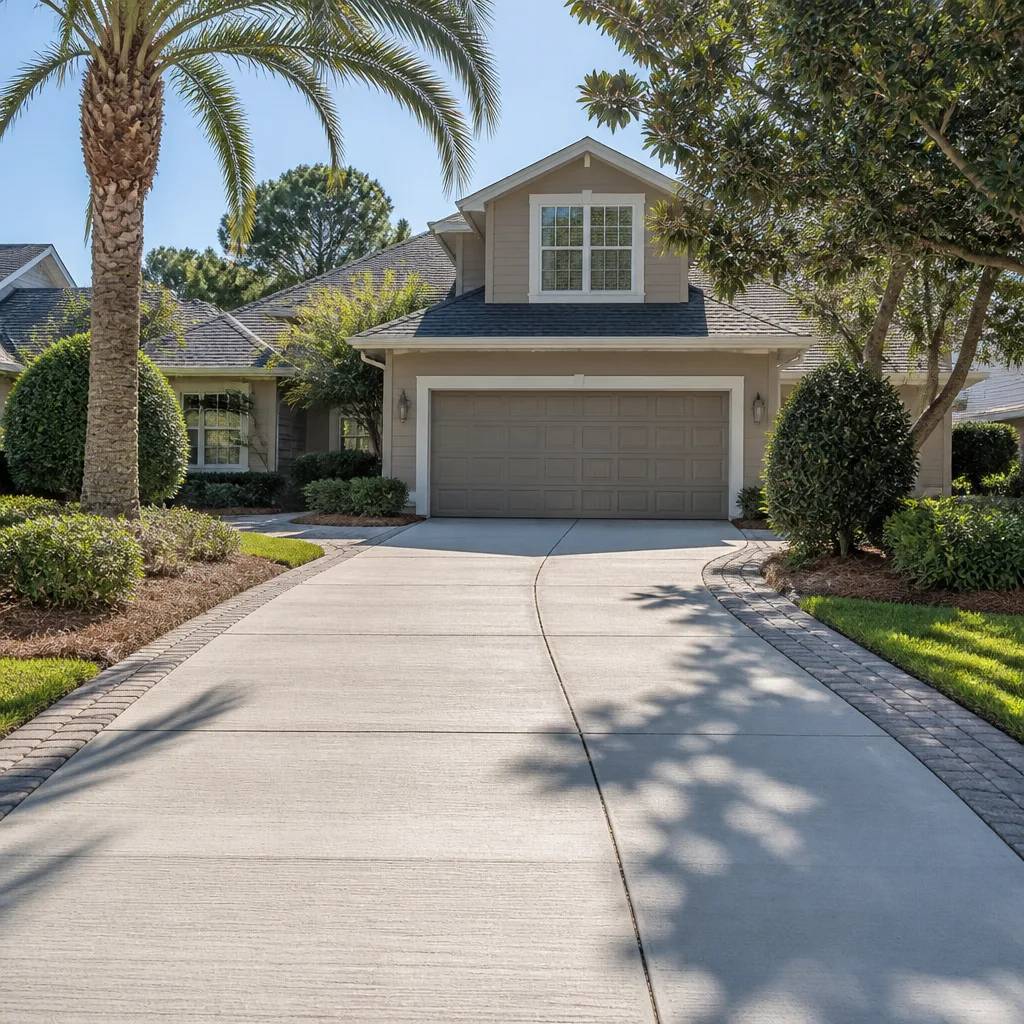
Construction emergencies in North Las Vegas are predictable, cyclical, and mostly preventable with two hours of prep work per year. The monsoon, the heat, the freeze, and the wind all come on schedules. What’s not on a schedule is whether your home is ready. The prepared homeowner inspects, documents, stabilizes, and calls a professional with a clean record in hand. The unprepared one spends weeks chasing a claim and months chasing a repair. Build the checklist into your calendar now: May for monsoon prep, October for freeze prep, and within 24 hours after any major event for the inspection protocol. And when the assessment turns up something that needs a real fix, call (844) 797-5026 for a free estimate. Our technicians have up to 12 years of experience, our pricing is upfront with no surprises, and every project is backed by the 730-Day Done Right Promise.
Written by the team at Groundwork Construction Co. of North Las Vegas.
See the difference
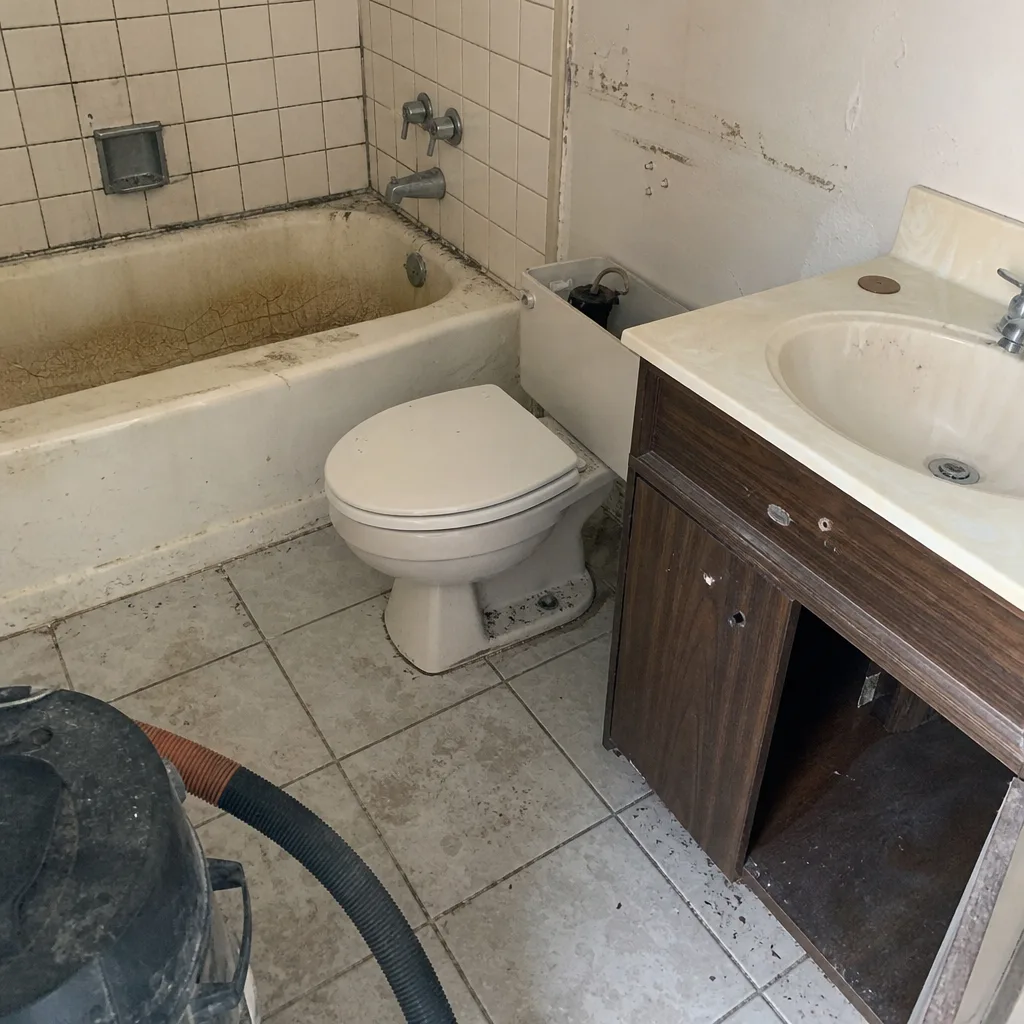 Before
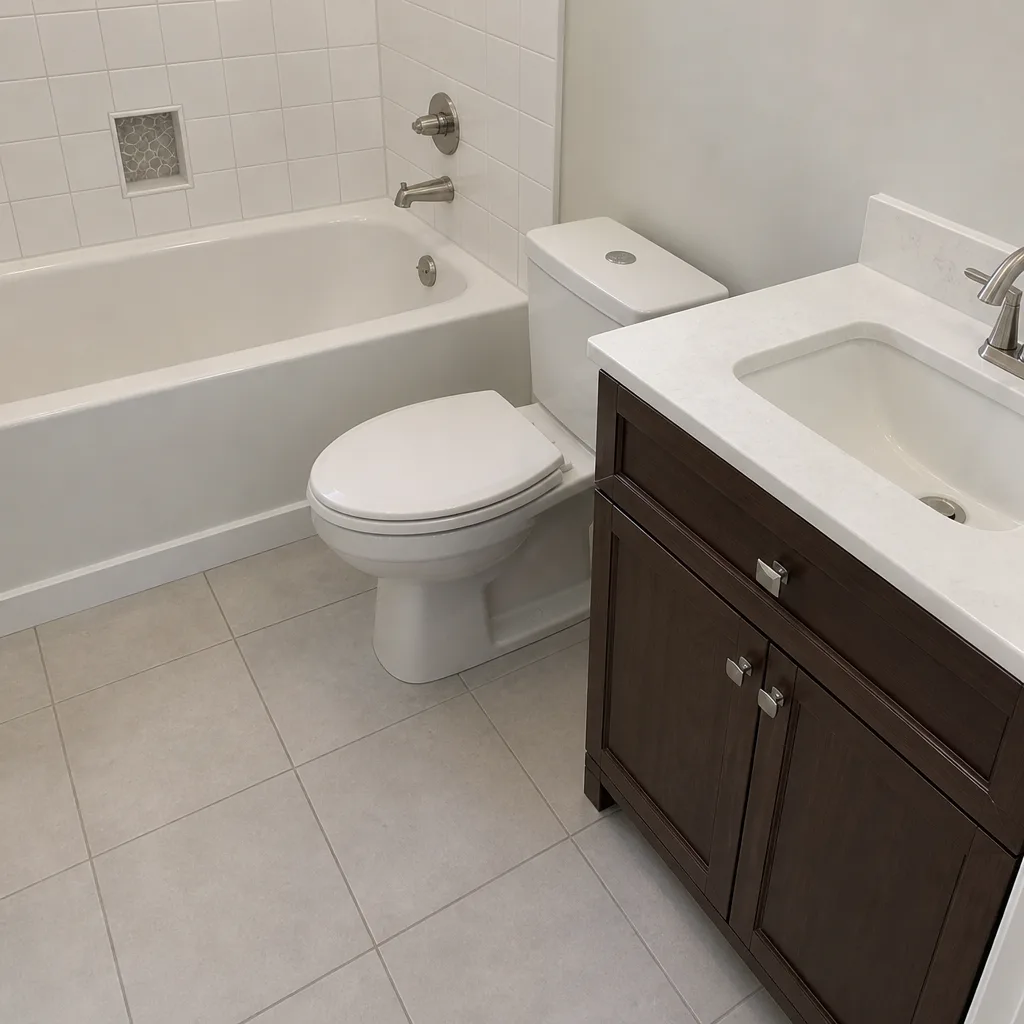 After
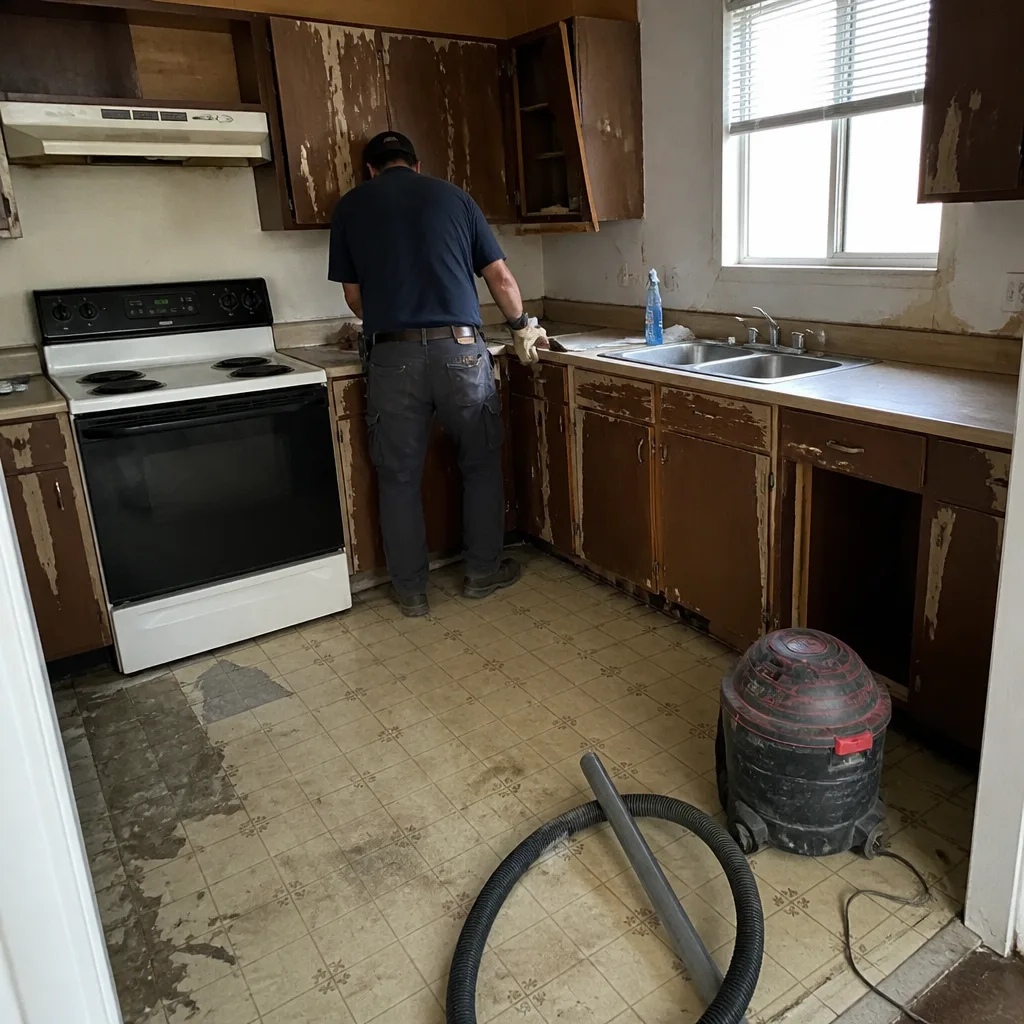 Before
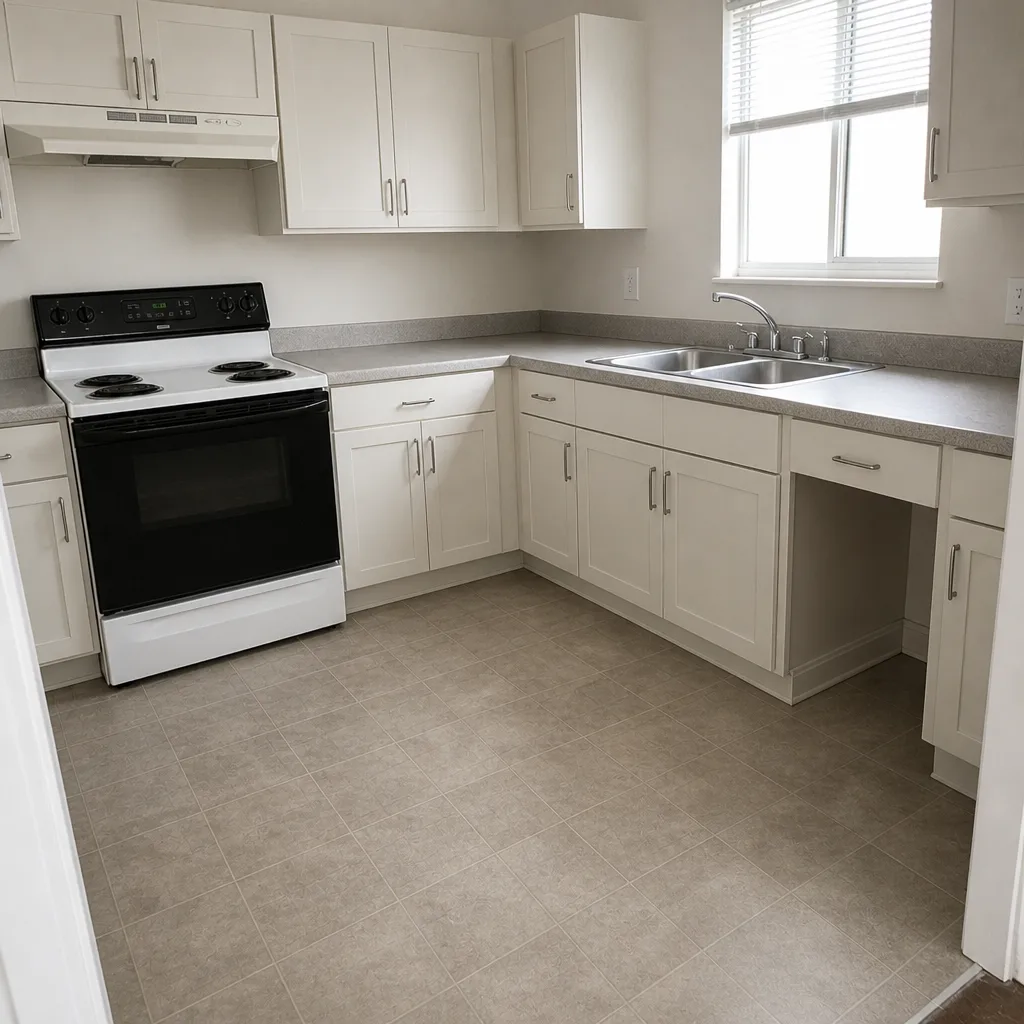 After
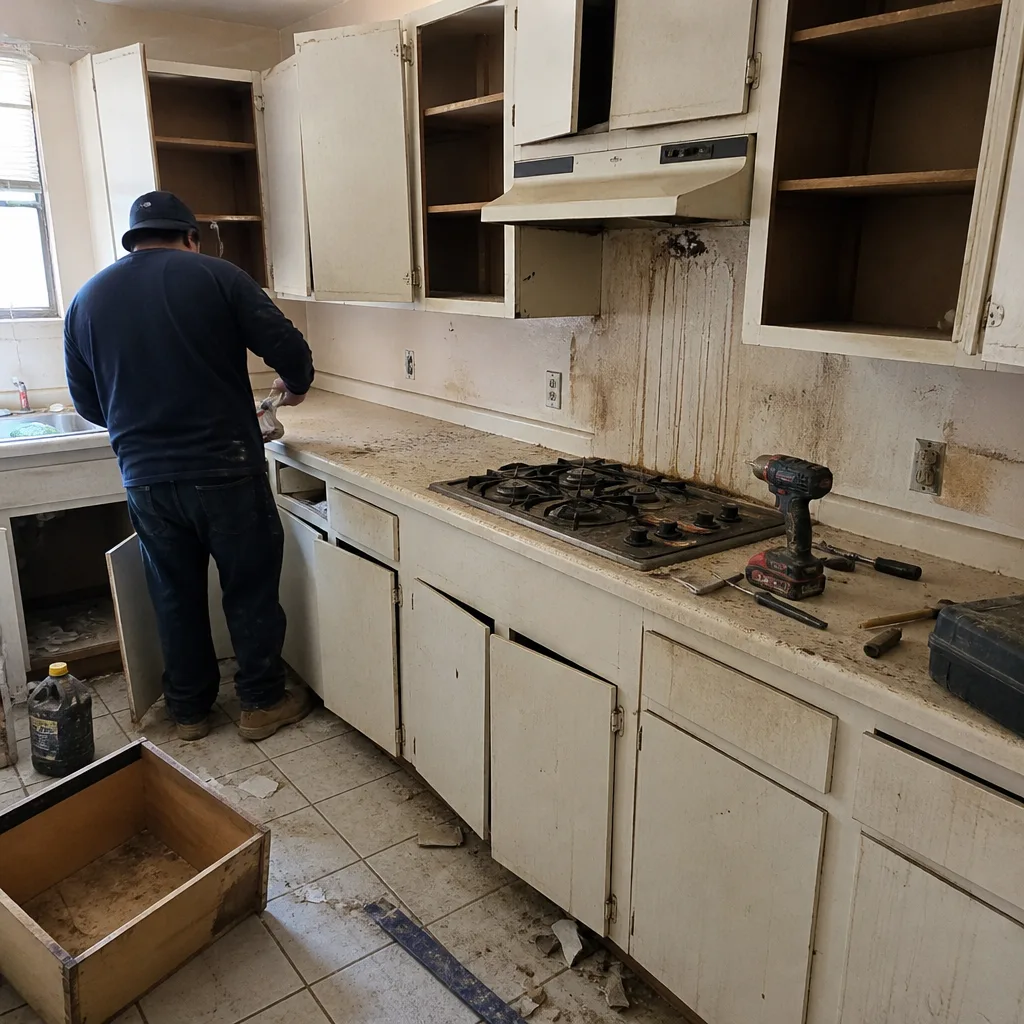 Before
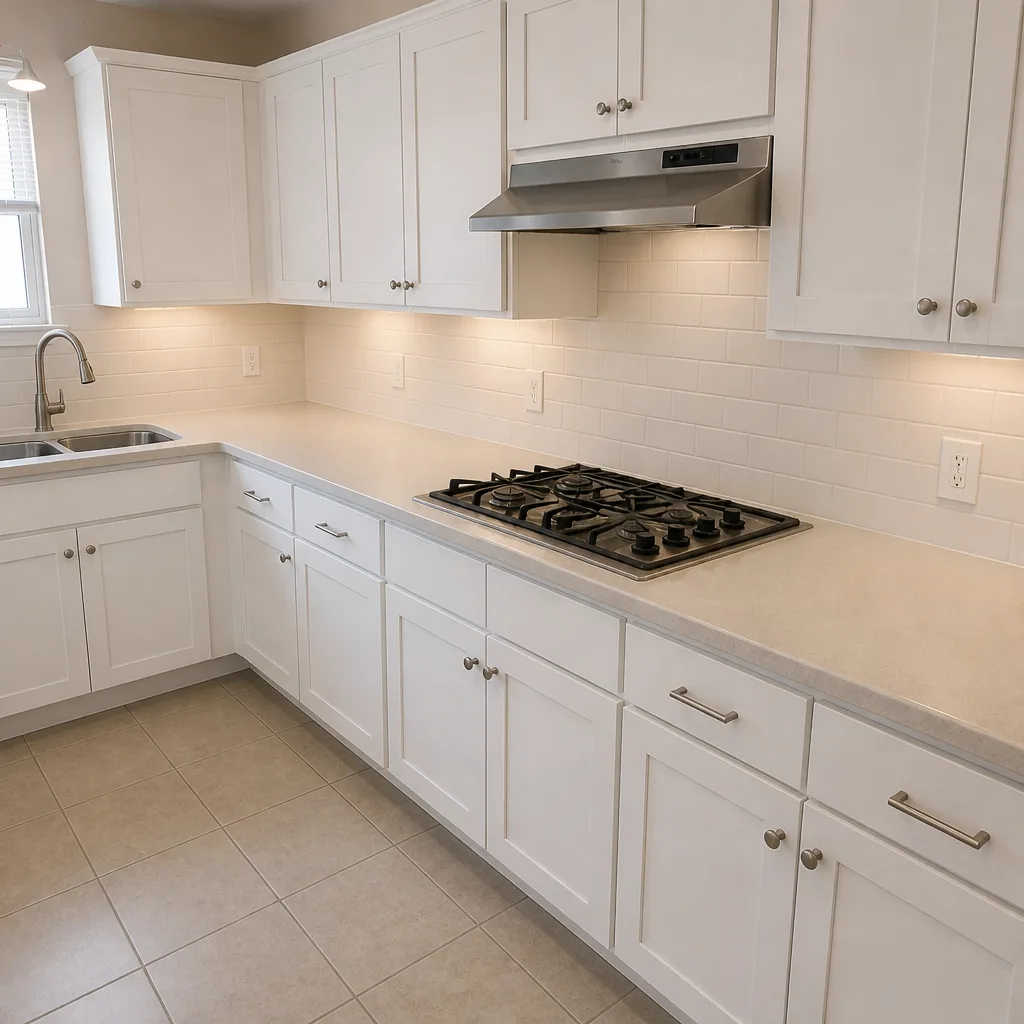 After