Last updated November 18, 2026


Free written scope consultation - allowances, timeline, and change-order rules on paper before a single trade is scheduled
Fence Installation Warning Signs Every Homeowner Should Know
Nevada requires a licensed contractor for any fence project over $1,000, yet crews with no license and no insurance knock on doors across North Las Vegas every week, quoting cash prices and promising a fence up by the weekend. The homeowner who signs that bid isn’t just saving money on paper. They’re quietly accepting liability for damaged utility lines, a fence that fails inspection, and a warranty that exists only in conversation. This guide walks through the specific red flags to look for before a single post goes in the ground in North Las Vegas, from license verification to bid language to what a leaning post tells you thirty days later.
Quick Answer
The biggest warning signs in fence installation are an unverifiable contractor license, no mention of 811 utility marking, vague or missing permit language in the bid, cash-only payment demands, and no written warranty. In North Las Vegas, where soil conditions and summer heat put real stress on fence footings, skipping any of these steps almost always leads to expensive repairs within the first two years. A legitimate contractor will volunteer all five before you sign anything.
Styles & brands we work with
- Kitchen remodeling
- Bathroom remodeling
- Home additions & ADU
- Roofing
- Windows & doors
- Driveway & pavers
- Fence
Table of Contents
- How to Verify a Nevada Contractor’s License in Under Two Minutes
- Why a Contractor Who Skips 811 Utility Marking Is a Hard Walk-Away
- The Bid Language That Signals a Contractor Plans to Skip Permits
- What Footing Depth Really Means in North Las Vegas Soil
- Post-Installation Red Flags Visible Within 30 Days
- What a Real Written Warranty Looks Like vs. a Verbal Promise
- Payment Terms That Protect You (and the Ones That Don’t)
- Material Substitution: The Quiet Bait-and-Switch
How to Verify a Nevada Contractor’s License in Under Two Minutes
The Nevada State Contractors Board maintains a free public license lookup that runs online. Before signing anything, take two minutes and run the contractor’s license number. Every legitimate fence contractor in North Las Vegas has one, and they will hand it to you without hesitation. A contractor who dodges the question or says the license is “in my partner’s name” is telling you something.
Here’s the exact sequence to check:
- Ask for the license number in writing, on the bid or contract itself. Not a business card.
- Look up the number on the Nevada State Contractors Board site.
- Confirm the license is Active, not suspended, expired, or revoked.
- Check that the license classification covers fencing work. Residential fencing typically falls under a general or specialty classification that allows site work.
- Verify the name and business entity on the license match the name on your bid.
One detail homeowners in North Las Vegas miss: the license must be active at the time work starts, not just when you sign. Contractors who lose their license mid-job are not uncommon, and work performed by an unlicensed contractor after suspension can void your ability to file a complaint. Save a screenshot of the active license on the date work begins.
If a bid comes from someone who says “I don’t need a license for jobs under $1,000,” that’s true in narrow cases, but any fence project worth doing in North Las Vegas is well over that threshold. Fence installation for a typical single-family backyard runs $4,000 to $9,000 by North Las Vegas market pricing, and that number should make you walk away from anyone offering to skip the paperwork.
Why a Contractor Who Skips 811 Utility Marking Is a Hard Walk-Away
811 is the national call-before-you-dig number. Every contractor setting posts more than a few inches into the ground is legally required to have utilities marked first. Skipping this isn’t a small oversight. It’s a signal that the contractor either doesn’t know the law or doesn’t care about it, and either one puts your property at risk.
In North Las Vegas, utilities run at varying depths and older neighborhoods have irregular placement. A crew that hits an irrigation main is looking at $500 to $2,000 in emergency repair. A crew that strikes a gas line or electrical conduit is looking at evacuation and a bill that dwarfs the entire fence project. Hitting a fiber line can leave your neighbors without internet for days while the repair is scheduled.
Here’s how to tell whether a contractor takes 811 seriously:
- They mention the 811 call before you ask about it. It should appear on the timeline or in the bid itself.
- They schedule the utility locate at least three business days before breaking ground, which is the standard notification window.
- They photograph the markings after they’re painted and share them with you.
- They wait for the locate ticket to expire before digging, and re-call if the ticket lapses.
We’ve seen crews in North Las Vegas start digging on a Friday without ever calling 811. If the contractor you’re talking to doesn’t bring up utility marking in the first conversation, that should end the interview. There’s no version of the job where this gets done right later.
The Bid Language That Signals a Contractor Plans to Skip Permits
Permits matter because the inspection catches bad footings, wrong setbacks, and code violations you can’t see once the fence is up. In North Las Vegas, fence permits typically run through the city’s building department and require a site plan showing property lines, set-backs, and fence height. The specific bid language a contractor uses tells you whether they plan to pull that permit or hand you the liability.
These phrases should make you pause:
- “Permit is the homeowner’s responsibility”
- “We can do this without the permits if you sign a waiver”
- “The city doesn’t actually require a permit for this height”
- “You can pull the homeowner permit yourself, it’s easy”
- Any bid that doesn’t mention permits at all
Every one of these is a way of making you the general contractor on your own project. That means any code violation found later becomes your problem, not theirs. If the fence blocks a drainage easement, exceeds the height limit in your zoning district, or sits over a setback line, the city can require you to remove it at your own cost.
A proper North Las Vegas bid names the permit explicitly: who pulls it, who pays for it, and when it will be filed. Permits for residential fencing typically cost a few hundred dollars and the contractor should be including this in the line items. If they aren’t, ask why. A contractor who tells you “we’ve never pulled a permit for a fence in North Las Vegas” hasn’t been working in North Las Vegas very long.
When done right, fence installation in North Las Vegas includes the permit work as part of the service, not as a separate errand you’re expected to run.
What Footing Depth Really Means in North Las Vegas Soil
North Las Vegas soil is caliche-heavy in many neighborhoods, which changes how fence footings behave. Caliche is a calcium carbonate hardpan that can feel like concrete when dry but shifts when saturated. A footing that goes down 18 inches and sits in caliche may hold in April and fail after the first heavy monsoon in August. The standard is typically a minimum of 24 inches below grade for a 6-foot fence, with deeper footings for anything taller or in areas with loose fill.
A contractor who volunteers the footing depth in the bid, in writing, is one who has actually thought about your soil. A contractor who says “we know what we’re doing, don’t worry about it” is not.
What to ask before work starts:
- How deep will the footings go, in inches?
- What’s the hole diameter, and how much concrete per post?
- Are they using pre-mixed bagged concrete or a truck delivery, and why?
- Will they set posts on gravel at the bottom for drainage, or pour against bare soil?
- What happens if they hit caliche that’s too hard to dig through?
The caliche question is one homeowners forget to ask. A contractor who hasn’t worked through caliche will either charge you extra or shave the footing depth to save time. The bid should show how they handle both.
Post-Installation Red Flags Visible Within 30 Days
Most bad fence jobs announce themselves quickly. Within the first 30 days after installation, these warning signs are visible to any homeowner who walks the line with attention:
- Posts leaning by more than a half-inch. This almost always means shallow footings or failed soil compaction around the post. In North Las Vegas, monsoon moisture is often the trigger.
- Uneven rail spacing between sections. Rails that vary by more than a quarter-inch section to section mean the installer was eyeballing the job rather than using a string line and level.
- Panels or pickets that don’t plumb. Lean any section against a level and it should be within a quarter-inch over 8 feet. More than that is a footing problem.
- Sagging gates. A gate that drags after three weeks has a hinge issue or a footer that’s sunk.
- Visible gaps at the bottom of the fence. If the bottom of the pickets leaves more than a two-inch gap, or sits directly on the ground, you [will face drainage or rot problems].
A leaning post is not a maintenance item. It’s a foundation failure, and the only permanent fix is pulling the post and re-pouring the footing. If your contractor’s warranty doesn’t cover leaning posts, the warranty is missing the one thing fence warranties are supposed to cover.
Do the 30-day walk before quarterly. Take a photo of every post base where it meets the ground and compare them 30, 60, and 90 days later. In North Las Vegas’s climate, the first big swing from summer heat to monsoon moisture tells you whether the footings are going to hold.
What a Real Written Warranty Looks Like vs. a Verbal Promise
“I’ll take care of you if anything goes wrong” is not a warranty. It’s a sentence with no enforcement mechanism behind it. When a panel fails at 18 months, the contractor who said that has three options: fix it for free, argue that it wasn’t their fault, or stop answering the phone. Which one happens is entirely at their discretion.
A written warranty on the contract solves that. It should specify:
- What’s covered: footing failures, leaning posts, premature rot, hardware, workmanship on rails and pickets.
- What’s not covered: damage from vehicles, acts of God, homeowner-installed modifications.
- How long the coverage runs. Workmanship warranties on fences typically range from 1 year up to 5 years depending on the contractor. Anything shorter than 12 months is a red flag on a project built to last 15 to 20 years.
- The remedy: repair, replacement, or refund. “Repair or replace” is standard. “Refund” is rare but valuable.
- How to file a claim and what the response timeline is.
A verbal warranty and a written one feel the same on signing day. They look completely different in year three when a panel fails. Any contractor offering to stand behind their work in North Las Vegas should be willing to put the same promise on paper.
Ask to see the written warranty document before you sign the contract. Not the summary. The full document. A contractor who is hesitant to show it is telling you the warranty is written with enough exclusions to cover nothing.
Payment Terms That Protect You (and the Ones That Don’t)
The payment schedule in the bid is where several of the worst contractor stories start. A crew that wants 50% or more before work begins is either undercapitalized or planning to disappear. Either one leaves you with a torn-up yard and no fence.
A reasonable payment schedule on a North Las Vegas fence project looks like this:
- Deposit: 10% to 20% at contract signing for material order and scheduling.
- Progress payment: 30% to 40% after post holes are dug and inspected, or after footings are poured.
- Final payment: Remaining balance after walkthrough and sign-off, with the fence complete and passable for city inspection.
Other red flags on payment terms:
- Cash-only or “write the check to me personally” requests. Pay the business, by check or card, so the payment is traceable.
- Requests for the full amount before materials are delivered to your property.
- Pressure to sign before you’ve had time to review the contract or check the license.
- No lien waiver language. In Nevada, subcontractors and material suppliers can file a mechanic’s lien against your property if the general contractor doesn’t pay them. A final lien waiver protects you.
A contractor who says “no lien waivers needed, we pay everyone at the end” doesn’t understand the liability they’re putting you in. Get the waiver. It’s the difference between a closed project and a $6,000 lien you discover when you try to refinance.
Material Substitution: The Quiet Bait-and-Switch
The bid says one thing, the fence shows up in another. Material substitution is silent damage. Homeowners rarely catch it because they don’t know what grade of wood or vinyl was specified, and by the time the fence is up, the difference is invisible.
The North Las Vegas desert is unforgiving on fence material. Vinyl that’s rated for cold climates will chalk and crack in the local UV load within three to four years. Cedar pickets from a bad mill will cup and warp within one summer. A contractor who substitutes a lower grade to protect their margin hands you a fence that fails at year five instead of year fifteen.
Protect yourself by doing three things:
- Specify the exact product in writing in the contract. Brand, model, grade, and color code. Not “premium cedar” but “Western red cedar select tight knot, 5/8-inch pickets, applied with stainless ring-shank nails.”
- Ask about the specific brand of composite or vinyl being used. Reputable North Las Vegas contractors work with legacy brands like Belgard or Tremron for paver borders and accessory hardscape, and equivalent category leaders for vinyl and composite fence systems.
- Confirm what happens if the specified material isn’t available. Substitution should require your written approval, not a handshake.
Ask to see samples. Any contractor worth working with will bring the actual product they plan to install, in person, before you sign. A contractor who says “it’s all the same stuff” doesn’t know the difference either.
Common Mistakes to Avoid
- Skipping the license lookup because the contractor seems friendly. Friendliness has nothing to do with license status. Run the number, even if you like the person.
- Treating 811 utility marking as optional. It isn’t. If you don’t see markings spray-painted on the ground before digging begins, stop the job. Every time.
- Accepting an unclear scope. “New fence” without specifying material, height, footing depth, gate hardware, and finishing means the contractor decides what those mean. Ask for line-item scope on the proposal.
- Paying cash to an unmarked crew. In North Las Vegas, door-to-door fence crews soliciting work in residential neighborhoods almost never carry proper licensing or insurance. If they can’t show the paperwork, they can’t do the work.
- Ignoring HOA rules before the bid is finalized. Many North Las Vegas communities have strict fence height and material restrictions. Get HOA approval in writing before installation, and confirm the contractor is aware of the restrictions.
- Assuming the verbal warranty covers what matters. Verbal warranties don’t survive when the contractor changes phone numbers. If it isn’t in the written contract, it isn’t a warranty.
- Skipping the final walkthrough. Walk the entire fence line with the contractor before final payment. Point out any leaning posts, uneven rails, or gates that don’t latch. Once you pay, your leverage drops dramatically.
See the difference
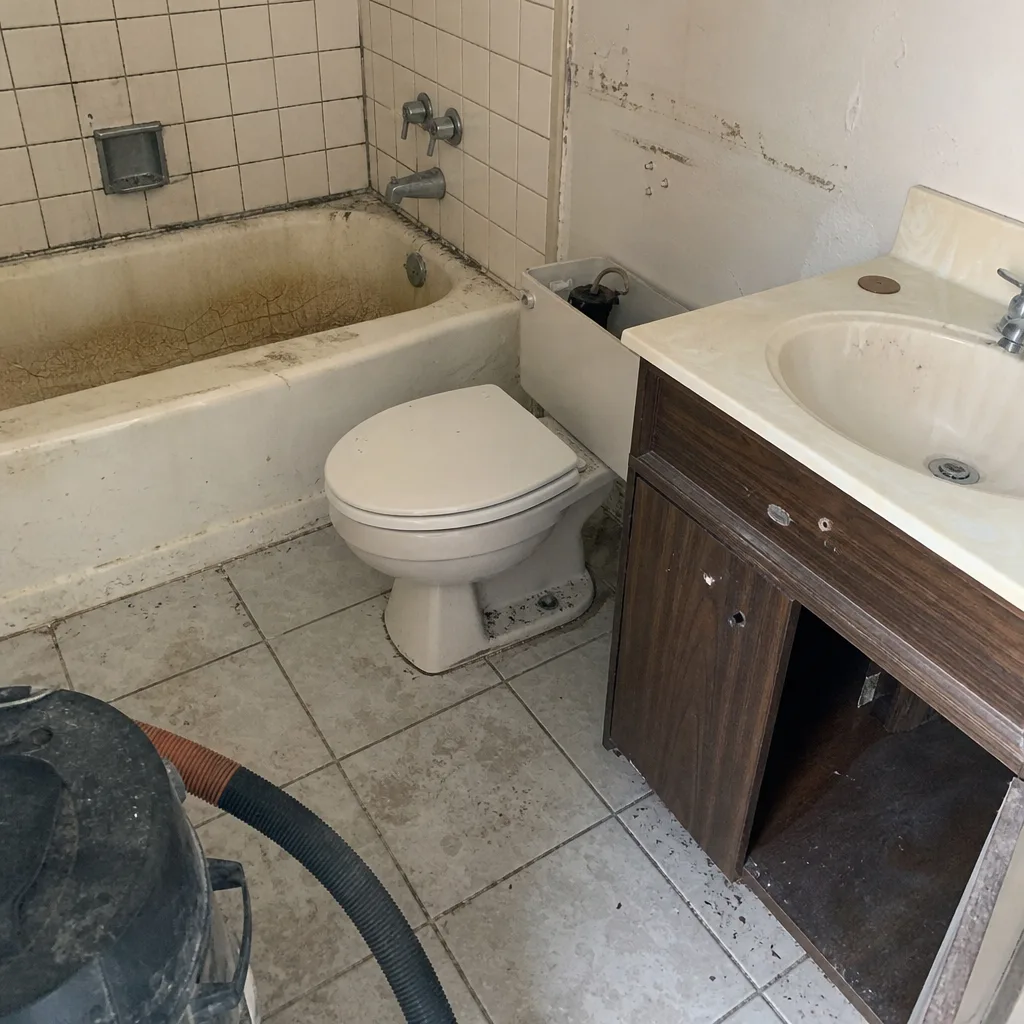 Before
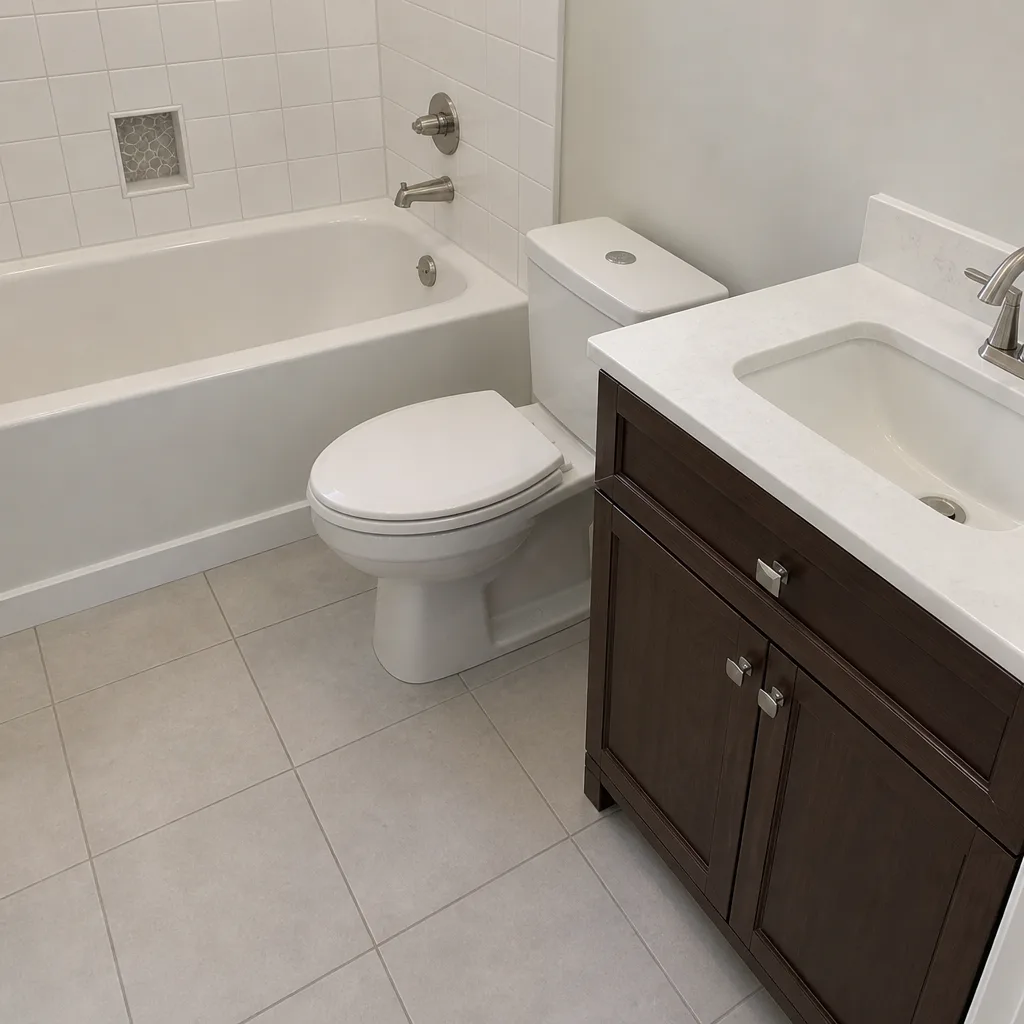 After
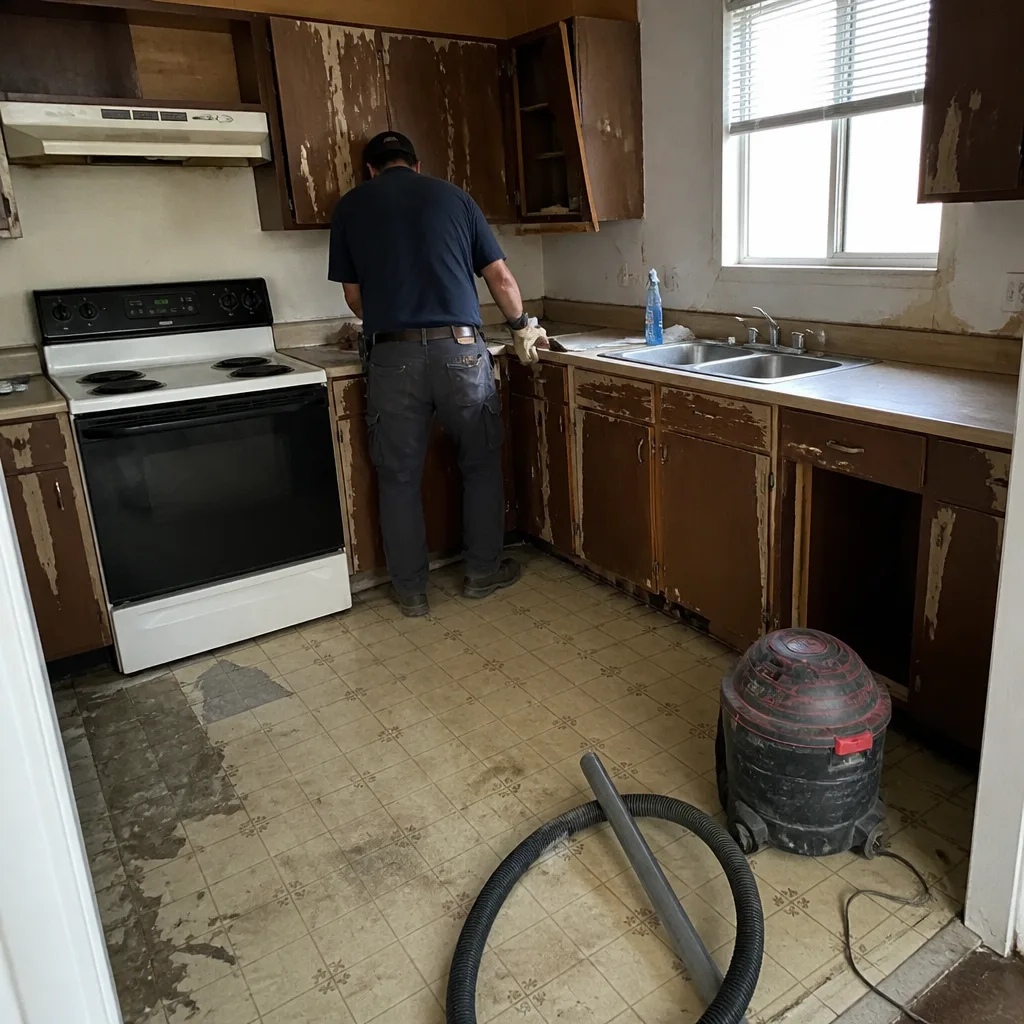 Before
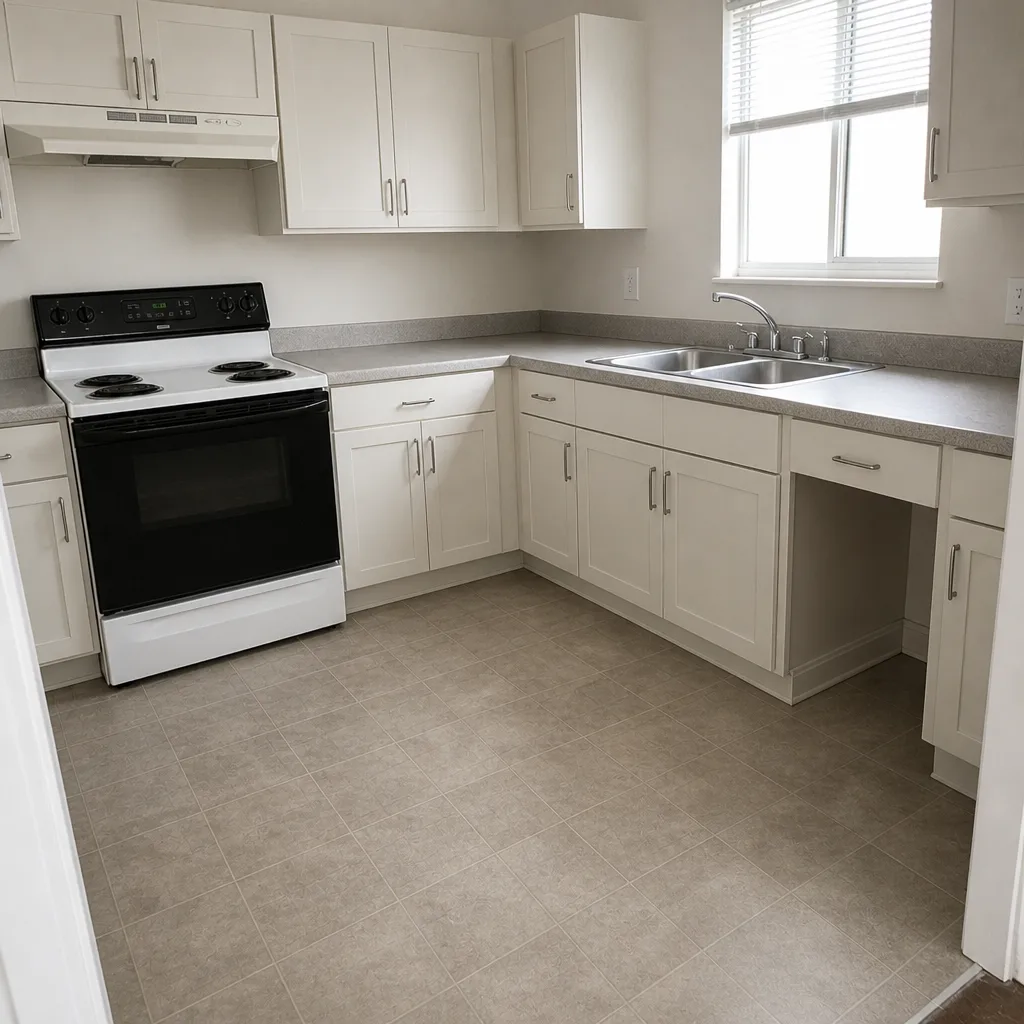 After
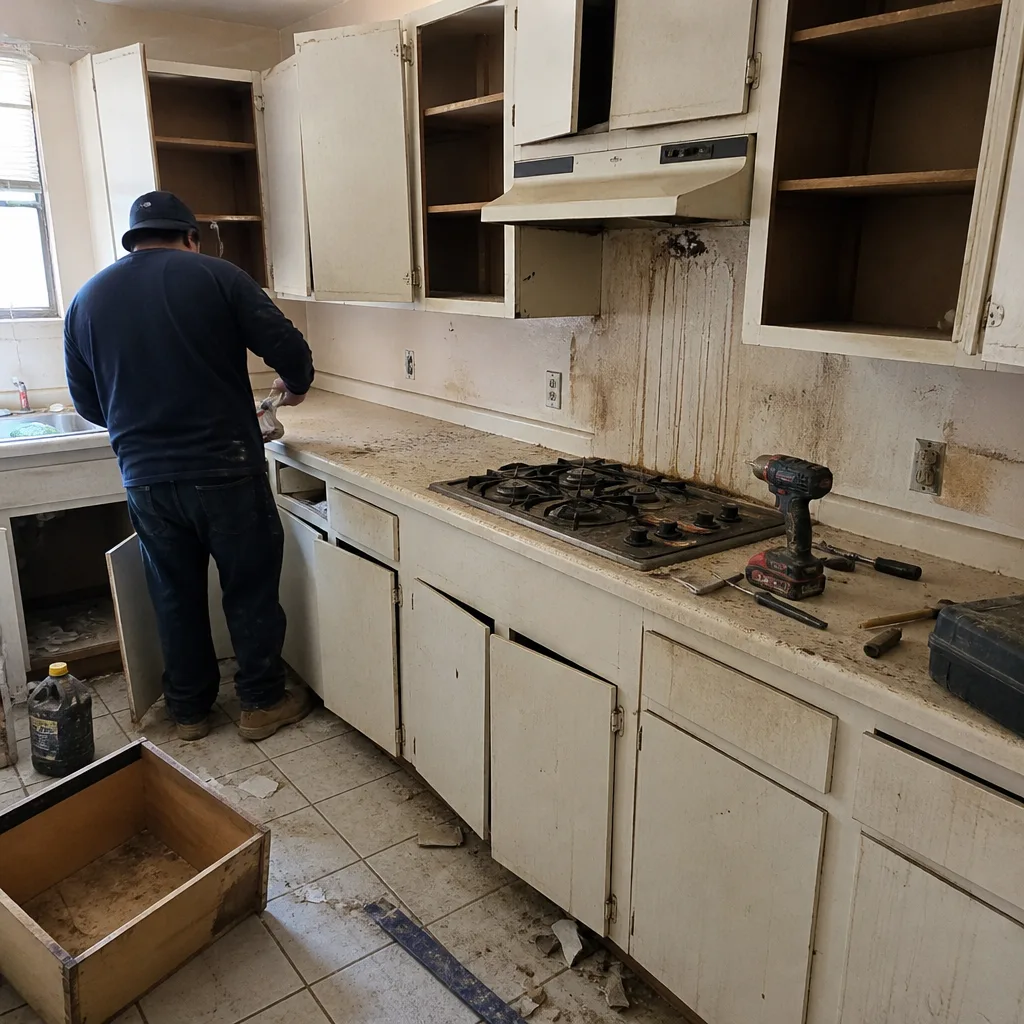 Before
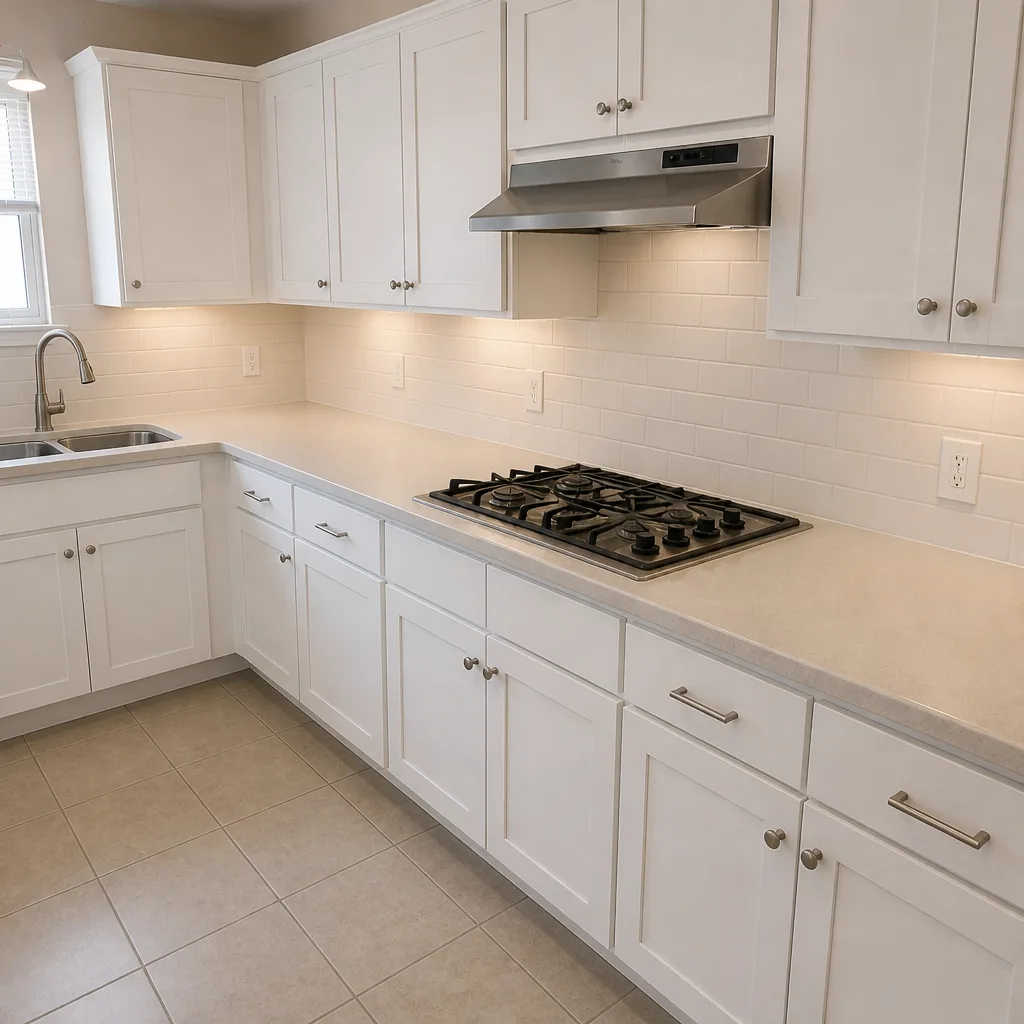 After
When to Call a Professional
If the fence borders a property line dispute, sits over a utility easement, requires removal of mature trees or existing hardscape, or needs to meet HOA or city code restrictions you aren’t sure how to interpret, call a licensed professional. Same answer if you’re adding a fence alongside an upcoming Home Additions & ADU in North Las Vegas project or coordinating with a Driveway & Pavers in North Las Vegas installation where grades and property lines matter. Fence crews that skip permits or utility locates put the whole project at risk, and the cost of correcting bad work usually lands on you. Groundwork Construction Co. of North Las Vegas offers free estimates in North Las Vegas and pulls the permits required for each job. Call (844) 797-5026 to talk through your project.
Frequently Asked Questions
Ask for the license number in writing, then look it up on the Nevada State Contractors Board’s public lookup. Confirm the license is active, that the classification covers fence and site work, and that the business entity on the license matches the name on your bid. Screenshot the active status on the day work begins so you have documentation if anything changes mid-project.
It means they plan to dig without having utilities marked, which is both illegal and dangerous. Hitting a gas line, electrical conduit, or fiber line on a residential property can cost thousands in emergency repair and leave you liable. A contractor who skips 811 isn’t being efficient, they’re skipping the law. Call and ask directly whether they will file an 811 ticket before digging. If the answer is anything but “yes, always,” walk.
Fence installation in North Las Vegas typically runs $30 to $55 per linear foot for wood and $45 to $75 per linear foot for quality vinyl or composite, depending on height and brand. A standard single-family backyard of 150 to 200 linear feet lands between $4,500 and $12,000 all-in, including permits and cleanup. Call (844) 797-5026 for an exact quote on your property, estimates are free.
It shouldn’t. A written line-item bid specifies the material grade, footing depth, permit cost, and cleanup, so there’s nothing left to renegotiate. The exceptions are genuine surprises like a buried utility line, rock that requires extra excavation, or a change order you approve in writing before work continues. If the bid was vague at the start, expect the price to drift. Call (844) 797-5026 for a written estimate you can compare line by line.
A real written warranty covers footing failures, leaning posts, workmanship on rails and hardware, and premature material failure within the covered period. It should specify the length (12 months is minimum, longer is better), how to file a claim, and the remedy. Verbal warranties don’t hold up when the contractor moves on. Ask to see the written warranty document before you sign, and confirm that it’s attached to the contract.
In most cases, yes. North Las Vegas requires permits for fences above a certain height and for anything affecting property lines, setbacks, or easements. The building department can tell you the specific threshold for your zoning district. Any licensed contractor should be able to pull the permit themselves and name it in the bid. If they’re telling you to file the homeowner permit instead, they’re shifting the liability of any code violation onto you.
The Bottom Line
The warning signs in this guide all trace back to one question: is the contractor willing to put their promises in writing, or are they asking you to trust a handshake? A real bid names the license, the 811 call, the permit, the footing depth, the material grade, and the warranty. Anything short of that is a bid built to shift risk to you. If the contractor in front of you can’t deliver all five, walk. North Las Vegas homeowners deserve better than that. When you’re ready to see what a proper scope looks like on paper, Groundwork Construction Co. of North Las Vegas offers free estimates in North Las Vegas, backed by the 730-Day Done Right Promise and free estimates. Call (844) 797-5026 to get a written estimate.
Wherever the project goes next, start with a real estimate and a fully scoped bid. Return to the Groundwork Construction Co. of North Las Vegas home page to see the full menu of services and browse customer resources.
Written by the team at Groundwork Construction Co. of North Las Vegas.