Last updated November 18, 2026





Free written scope consultation - allowances, timeline, and change-order rules on paper before a single trade is scheduled
Windows & Doors Troubleshooting: Common Problems and How to Fix Them
If your door is sticking every summer and fine every winter, your house is trying to tell you something about your foundation, not your door. That swing that appears in July and vanishes by November is a seasonal signal, and it points to soil movement, not a failing hinge. Most window and door problems homeowners wrestle with trace back one layer deeper than the part that seems broken. Fix the symptom and you’ll pay for the same repair twice; find the cause and you fix it once. This guide walks through the root-cause approach we use on North Las Vegas homes, from hardware to frame to structure.
Quick Answer
Troubleshoot window and door problems by identifying which of three layers is actually failing: hardware (locks, hinges, rollers), the frame (warping, gaps, weatherstripping), or structure (settling, foundation movement). Drafts, sticking doors, and condensation each have distinct causes, and the correct fix depends on which layer is involved. In North Las Vegas, UV exposure and caliche soil drive most of the frame and structural issues we see.
Styles & brands we work with
- Kitchen remodeling
- Bathroom remodeling
- Home additions & ADU
- Roofing
- Windows & doors
- Driveway & pavers
- Fence
Table of Contents
- The Three Layers of a Window or Door Problem
- Why North Las Vegas Homes Struggle With Windows and Doors
- Diagnosing Sticking Doors and Windows
- Finding the Source of Drafts Before You Buy Weatherstripping
- Condensation on Windows: Benign Humidity or Failed Seal?
- Lock and Latch Misalignment: Three Adjustments to Try First
- Failed Seals and When a Unit Needs Replacement
- What Homeowners Should Never Attempt Themselves
The Three Layers of a Window or Door Problem
Every window and door issue lives in one of three layers. Knowing which one you’re dealing with determines whether you pick up a screwdriver, call a handyman, or call a contractor who can address the structure underneath.
Layer one: hardware. Locks, latches, hinges, rollers, and handles. These are the parts you can see and touch. Hardware problems are usually the cheapest to fix and the most common false alarm. A door that won’t latch gets blamed on the door itself when the strike plate has simply shifted an eighth of an inch. Hardware issues respond to adjustment, lubrication, or part replacement.
Layer two: the frame. The frame is the assembly that holds the glass and anchors to the wall. Warping, rot, cracked welds, failed weatherstripping, and gaps around the perimeter all live here. Frame problems often masquerade as hardware problems because a warped frame throws the lock out of alignment. In our experience, a door that suddenly needs a shoulder to close is usually telling you the frame has moved.
Layer three: structure. This is the wall, the header above the opening, and the foundation below it. Structural movement shows up as doors that stick seasonally, cracks that radiate from window corners, and gaps that open and close with the weather. This is the layer most homeowners miss, and it’s the one that makes repairs come back.
The test is simple: does the problem change with the seasons or the weather? If a door sticks only in summer, or a window only leaks air on windy days, the cause is almost certainly in layer two or three. Hardware failures are consistent year-round. Frame and structural issues are not.
Why North Las Vegas Homes Struggle With Windows and Doors
North Las Vegas puts windows and doors through a specific kind of punishment that you won’t find in most of the country. The combination of intense UV, big day-to-night temperature swings, and expansive clay soil creates a set of failure patterns we see over and over in neighborhoods like Aliante, Eldorado, and the older tracts near downtown.
UV seal degradation. Our sunlight is relentless, and the butyl seal that holds a dual-pane insulated glass unit (IGU) together breaks down faster here than in cooler climates. Once that seal fails, moisture gets between the panes and the unit fogs permanently. This shows up most on south- and west-facing windows. A failed seal is a replacement job for the glass unit itself, not a cleaning job.
Thermal expansion gaps. North Las Vegas regularly swings from the 40s at night to the 90s during the day in spring and fall. Every material in your wall assembly expands and contracts with those swings at a different rate. Vinyl frames expand more than wood, aluminum more than vinyl. Over years, that movement opens gaps at the perimeter caulk line and around the frame. This is where most “new” drafts come from.
Caliche settling. Much of the soil under North Las Vegas homes is caliche, a dense calcium carbonate layer that drains poorly and behaves unpredictably under a foundation. When the soil beneath a footing shifts, the whole wall above it can tilt slightly. That tilt shows up first at door frames and window openings, because those are the weakest structural points in a wall. A door that was plumb when it was hung and isn’t anymore is often a caliche story, not a door story.
This is the local context that most troubleshooting guides skip, and it’s the reason a North Las Vegas homeowner can follow a generic online fix and still watch the problem come back six months later.
Diagnosing Sticking Doors and Windows
A sticking door is a symptom, not a diagnosis. Before you sand anything, figure out what kind of sticking you have. The pattern tells you which layer is failing.
- Check the season. Sticks only in summer heat, fine in winter? Suspect frame expansion or foundation movement. Sticks year-round? Suspect hardware, swelling wood, or a shifted hinge.
- Look at the gap around the door. Close the door and look at the margin at the top, sides, and bottom. If the gap is even all around, the door is square in its frame. If it’s tight at the top and wide at the bottom, the door has dropped or the frame has racked.
- Check the hinges. Open the door halfway and look at the hinge plates. A loose top hinge (or a hinge whose screws have stripped out of the wood) causes the door to sag and drag at the bottom.
- Test the latch side. Does the door rub on the latch side, the hinge side, or the top? Latch-side rubbing usually points to a frame problem. Top rubbing usually points to a sagging hinge or a settling header.
- Look for cracks radiating from the opening. Drywall cracks running diagonally from the corners of a door or window are a sign of structural movement. That’s a call-a-professional situation, not a sanding situation.
Windows stick for a similar set of reasons. A double-hung window that won’t slide smoothly is usually a balance or track issue. A window that won’t close flush in its frame is usually a frame or structural issue. Vinyl windows are more forgiving of thermal movement than wood, but they’ll still bind when the frame racks.
In North Las Vegas, we regularly see summer-sticking interior doors in two-story homes built on clay-heavy lots. The fix isn’t to shave the door; it’s to understand what’s moving and whether it needs addressing. If you’re noticing other symptoms of movement, a home addition or ADU project in North Las Vegas is the right time to assess the structure properly, since any new opening has to be framed correctly the first time.
Finding the Source of Drafts Before You Buy Weatherstripping
Most homeowners buy weatherstripping before they know where the air is actually coming from. That’s backward. Find the infiltration point first, then fix that specific point. Otherwise you spend weekend after weekend sealing gaps that weren’t the problem.
The candle test is the simplest and most reliable method. Here’s how it works:
- On a windy day (or with a fan blowing against the outside of the door or window), light a candle and hold it near the suspected opening.
- Move the candle slowly around the perimeter of the door or window: along the bottom sweep, up the latch side, across the top, down the hinge side, and across the threshold.
- Watch the flame. A flicker or lean means air is moving through that spot. A steady flame means that area is sealed.
- Check the frame-to-wall joint, not just the door-to-frame gap. Many drafts come in around the perimeter of the frame, not through the weatherstripping itself.
- Repeat on the opposite side of the door (inside vs. outside) to confirm the direction of the flow.
Once you know where the air is coming from, the fix becomes obvious. A draft along the bottom sweep points to a worn door sweep or threshold gasket. A draft around the perimeter points to failed caulk or a gap between frame and wall. A draft through the closed door itself points to worn weatherstripping in the jamb.
This is where the difference between hardware, frame, and structure matters again. If the candle flickers along the frame-to-wall joint, no amount of new weatherstripping will fix it. The gap is behind the frame. That’s a frame-and-structure problem, and in North Las Vegas, thermal expansion is the usual culprit.
Condensation on Windows: Benign Humidity or Failed Seal?
Condensation on a window can mean two completely different things, and the distinction saves you a lot of money. If the moisture is on the room side of the glass, it’s surface condensation, which is usually benign. If it’s between the panes of a dual-pane unit, you have a failed seal and the unit needs replacing.
Surface condensation happens when warm, humid indoor air meets cold glass. It’s more common in bathrooms and kitchens, and it usually clears once the room warms up or you run a fan. Cracking a window or running a bath fan resolves it. Las Vegas has low outdoor humidity, so surface condensation here is usually caused by indoor sources: showers, cooking, laundry, or a failing exhaust fan. Wet glass in a room with no humidity source is worth investigating.
Fog between the panes is the signature of a failed insulated glass unit. That’s not condensation you can wipe away, because the moisture is sealed inside the unit. The seal that was supposed to keep dry air trapped between the panes has failed. Once that happens, the window loses its insulating value (the gas fill that made it efficient is gone) and the fog never clears. Replacement of the glass unit is the fix. The frame itself is usually fine.
In North Las Vegas, failed IGUs are one of the most common window problems we’re called about, due to UV exposure breaking down the butyl seal around the perimeter. South- and west-facing units go first. If you have one fogged window on the sunny side of the house, there’s a good chance more are close behind. If your fogging is widespread and combined with draftiness, that’s the point to look at full window replacement, and it’s worth reading our Groundwork Construction Co. of North Las Vegas home guide to how we approach whole-home projects like this.
Lock and Latch Misalignment: Three Adjustments to Try First
A door that won’t latch is one of the most common complaints we hear, and it’s also one of the most fixable. Before you call anyone, try these three adjustments. They cover the majority of latch problems.
- Adjust the strike plate. The strike plate is the metal plate on the door jamb with the hole the latch fits into. If the door latches when you push it, but not on its own, the strike plate hole is slightly out of position. Loosen the screws, nudge the plate a sixteenth to an eighth of an inch in the direction the latch needs to go, and tighten. If the plate won’t budge, you can file the hole slightly larger in the direction of the latch.
- Tighten or replace the hinge screws. A sagging door won’t latch because the top of the door has dropped. Check the screws in the top hinge. If they spin without biting, the holes are stripped. Remove one screw, pack the hole with a few wooden toothpicks and a dab of wood glue, let it set, then reinstall the screw. Repeat for each loose screw.
- Check the door for warp. Hold a straightedge (or a level) along the hinge side and the latch side of the closed door. If the door is bowed, no amount of strike plate adjustment will fix the latch. A warped door is a frame-level or door-level problem, not a hardware one.
These three adjustments solve most residential lock problems without any special tools. If you’ve tried them and the door still won’t latch, the issue is likely the frame or the structure, especially if the misalignment comes and goes with the seasons. That’s when a professional eye is worth the call. Interior door alignment issues in a home with foundation movement are worth addressing at the same time any significant structural work is happening, which is one reason additions and framing work deserve a careful look together with the rest of the home.
Failed Seals and When a Unit Needs Replacement
Not every window problem means the whole window has to come out. The important distinction is between the glass unit and the frame. A failed seal is an IGU problem. A cracked or rotted frame is a window problem. The prices are very different, and the fix is different.
A failed IGU (insulated glass unit) is the dual-pane sandwich of glass-gas-glass that sits inside the window frame. It’s replaceable on most modern windows without removing the frame from the wall. Signs you need a new IGU:
- Fog or moisture trapped between the panes
- A visible haze or mineral film on the inside of the panes
- A change in the window’s tint or clarity on one side
- Condensation that never clears, indoors or out
When the entire window needs replacing instead, you’re looking at frame damage, cracked glass that can’t be individually sourced, or a unit so far past its service life that the energy loss outweighs the cost of another repair. In North Las Vegas, windows on the west side of the house take the worst UV beating and are often the first to go.
For window replacement, materials matter in this climate. Vinyl frames hold up well and resist UV discoloration better than some older products. Aluminum is durable but transmits heat. Wood looks excellent but needs maintenance here. Premium brands like Andersen and Marvin are worth the line-item cost for the long haul. The fence installation in North Las Vegas work we handle shares the same UV-exposure reality, and the same logic applies: buy materials rated for the climate, or pay twice.
If your project involves exterior doors that open onto a new hardscape, the details of both go together. Our team handles driveway and pavers in North Las Vegas as well, and coordinating the door and threshold work with the hardscape keeps water moving away from the sill.
What Homeowners Should Never Attempt Themselves
Most window and door troubleshooting is safe to do yourself. Some isn’t. The pieces below involve either significant weight, structural implications, or a genuine injury risk, and they’re worth handing to a trained professional.
- Replacing a large window or sliding glass door. Glass is heavy and unforgiving. A sliding door unit can weigh over 200 pounds and dropping one is not a small error.
- Removing or resetting a door frame. The header above a door opening carries structural load. Moving it without understanding what it holds up is dangerous.
- Adjusting a window that’s part of a structural wall. If the issue is frame racking or foundation movement, the fix isn’t a window adjustment. It’s a structural assessment.
- Working at height on second-story windows. Ladder work at a second-story window is a serious fall risk, and no troubleshooting guide should pretend otherwise.
- Anything that requires understanding the wall assembly. If the fix involves opening up drywall, exterior siding, or the frame-to-wall seal, that’s a professional job.
The rule of thumb: if the fix involves you touching the part that holds the window or door into the wall, stop and call someone.
Common Mistakes to Avoid
- Shaving the door instead of fixing the cause. Sanding the top of a sticking door solves the symptom for a season. If the door is sticking due to frame movement, it will stick again next year and now sit lower in the frame than it should.
- Buying weatherstripping before doing the candle test. Most drafts come from a specific gap, not from worn weatherstripping all the way around. Sealing the wrong spot means repeating the job.
- Mistaking surface condensation for a failed seal. Wiping condensation off glass is fine. Wiping condensation off the inside of a sealed unit is impossible; if you’re doing that, it’s not surface condensation and it’s not going away.
- Ignoring cracks that radiate from window and door corners. Those cracks are the wall telling you something is moving. A North Las Vegas home on caliche soil can show small cracks for years before a door finally binds. Catching them early is cheaper.
- Choosing cheap replacement windows for a UV-heavy climate. A bargain window rated for a mild climate will fail its seal in North Las Vegas sun far sooner than a window rated for this region.
- Over-tightening a door lock to force it into place. If a lock needs force to turn, the misalignment is real. Forcing it strips the lock or cracks the door.
- Assuming all fogging and all drafts need new windows. Often it’s one IGU, one weatherstrip, or one caulk line. Diagnose first, replace second.
See the difference
 Before
 After
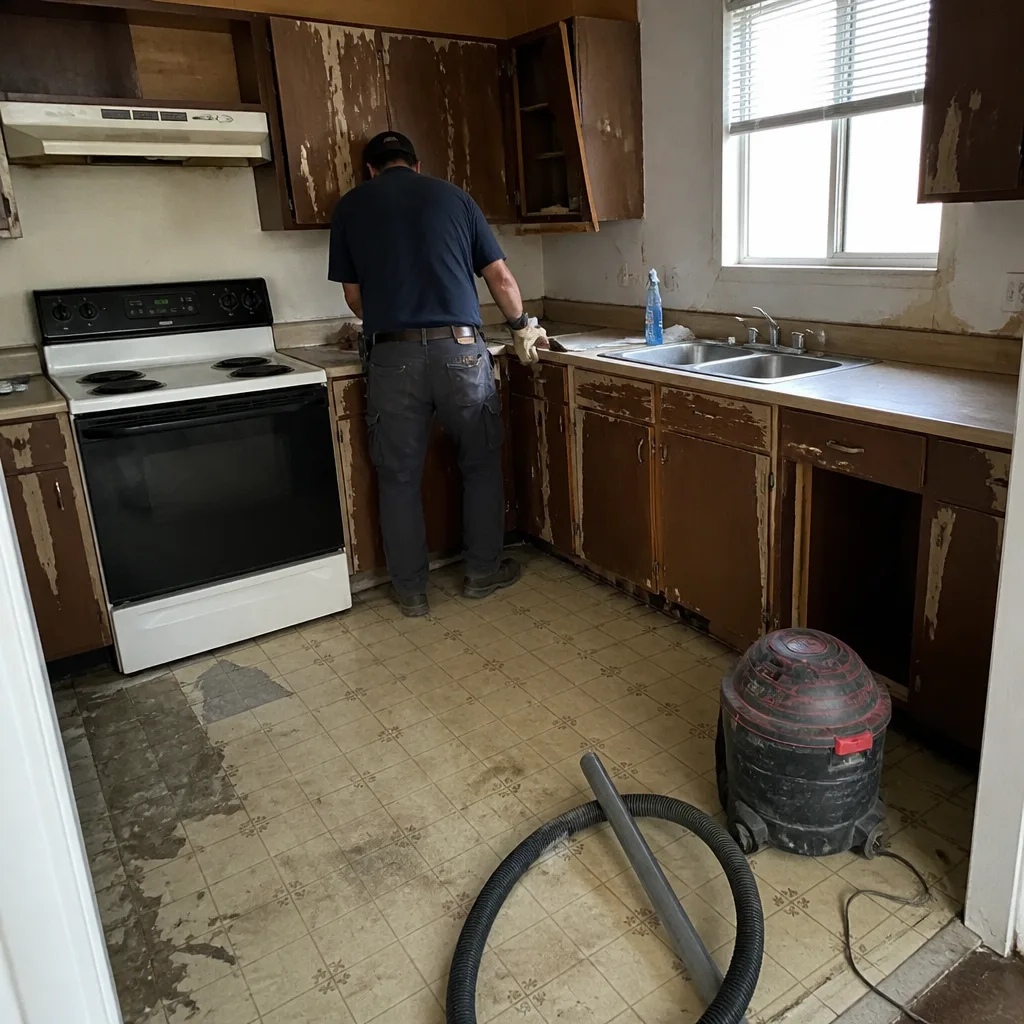 Before
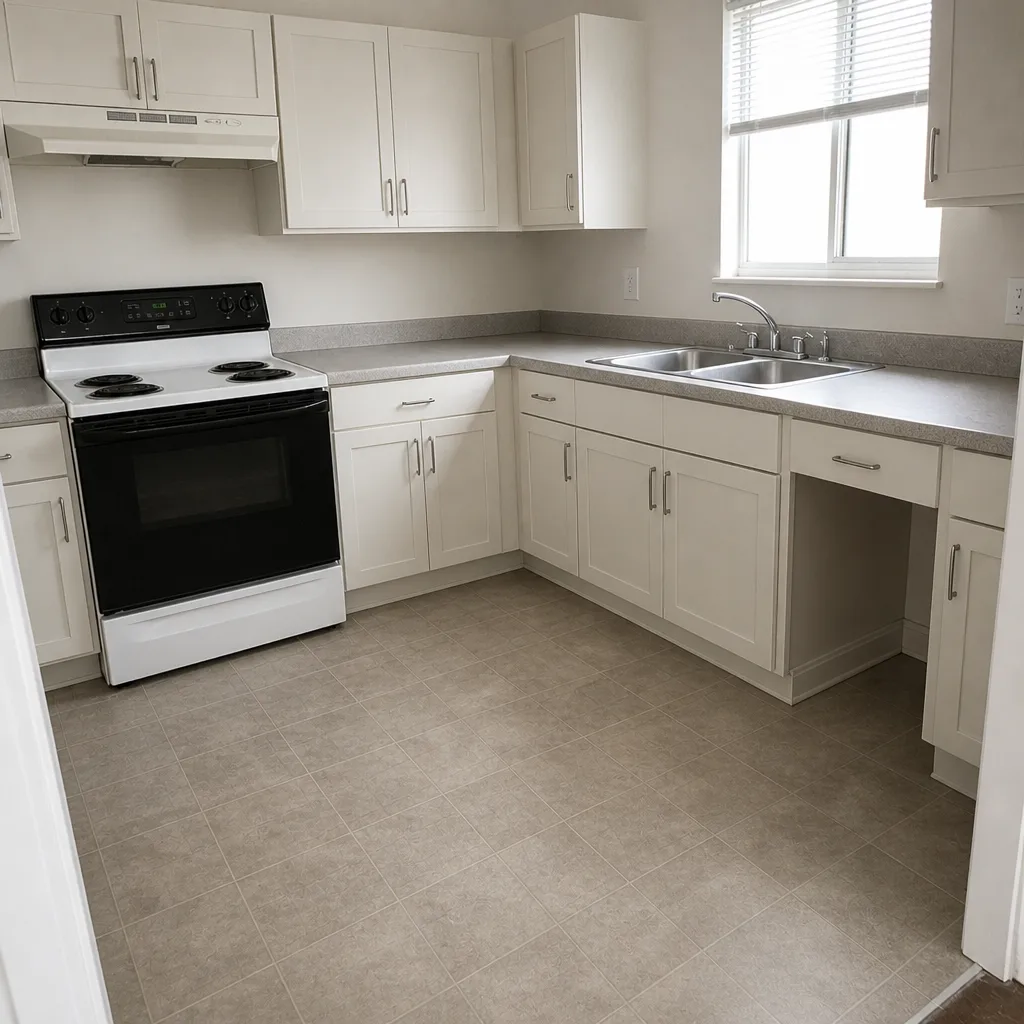 After
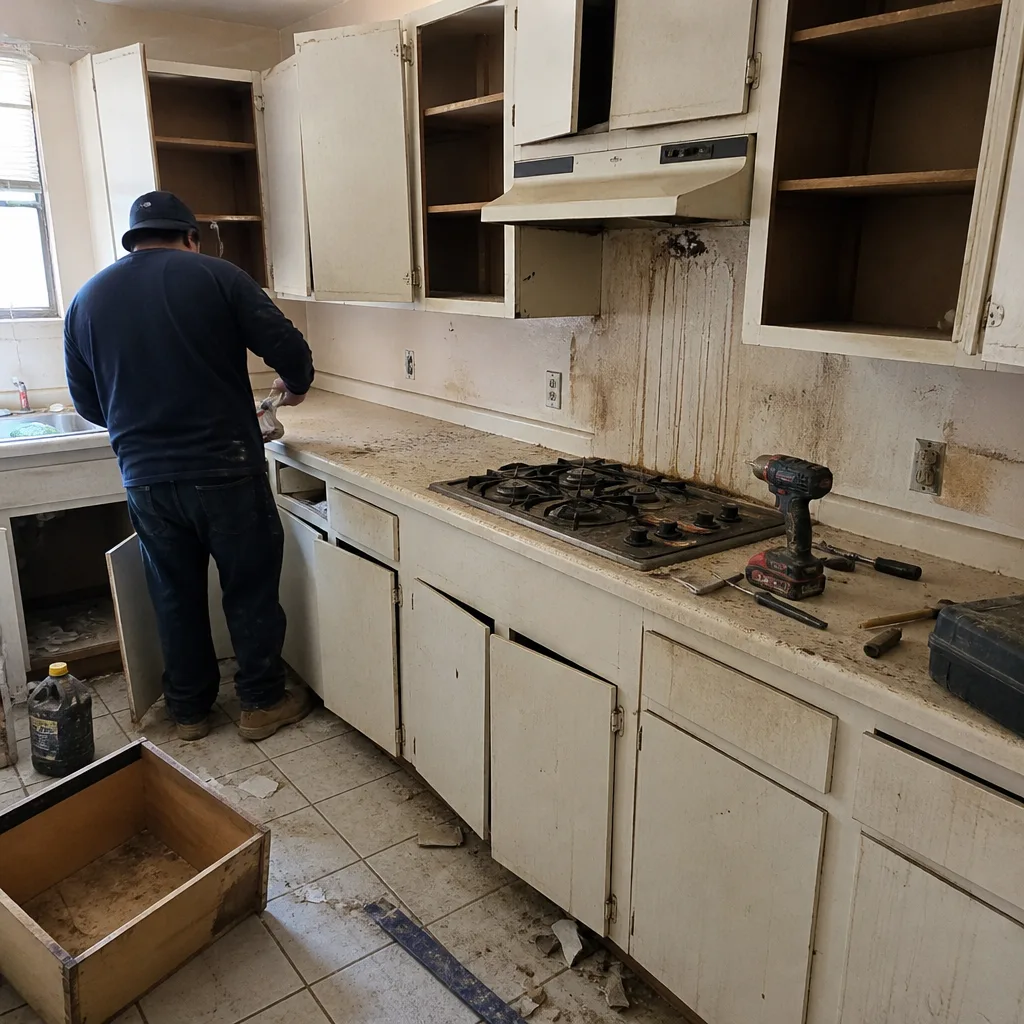 Before
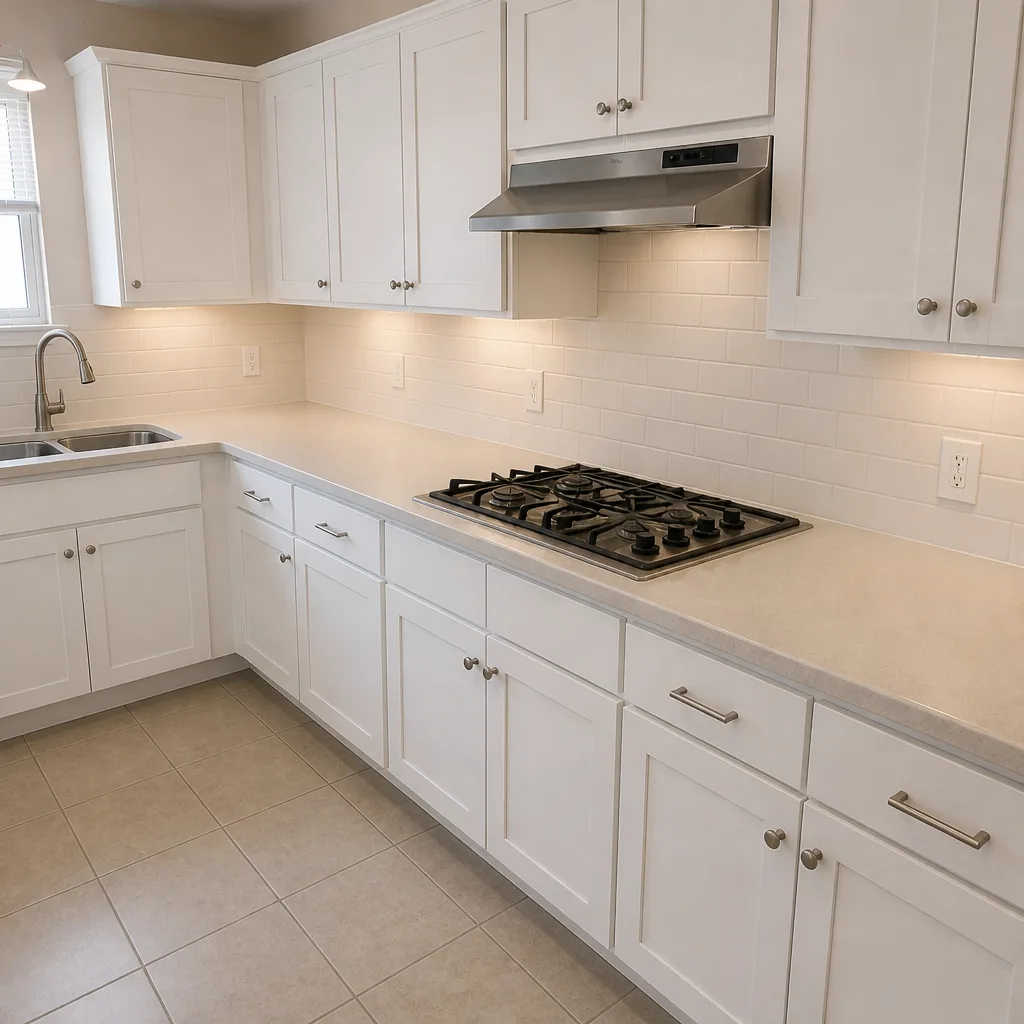 After
When to Call a Professional
Call a professional when the problem involves the frame, the structure, or the wall assembly, or when the fix requires moving heavy glass. Specifically: a door that sticks seasonally and progressively over multiple years, drywall cracks radiating from window or door corners, visible gaps at the perimeter of a frame, widespread fogging across multiple windows on the same exposure, or any window that has cracked glass that can’t be safely handled. If your issue is hardware-only and you’ve tried the three latch adjustments above without luck, that’s also a reasonable time to call, because the cause is probably one layer deeper than hardware.
Groundwork Construction Co. of North Las Vegas offers free estimates in North Las Vegas, and we can walk the whole exterior and spot the issues you might not see. For window and door work that ties into a bigger exterior project, our team also handles coordinated scopes. We’re formal about the process: upfront pricing, no surprises, and a 730-Day Done Right Promise on the workmanship. Call (844) 797-5026 to schedule your free estimate.
Frequently Asked Questions
Look for fog, haze, or moisture between the panes that never clears. If the inside surface of the glass wipes clean but the fog stays, the insulated glass unit’s seal has failed and the unit needs replacing. In North Las Vegas, west- and south-facing windows fail first because UV breaks down the seal faster. Call (844) 797-5026 for a free estimate on glass unit replacement.
Because the door itself isn’t the problem; the frame or the foundation below it is moving with the heat. Thermal expansion in the frame plus soil movement under the footing can throw a door out of square in July and back to normal in November. This pattern is common in North Las Vegas on clay-heavy lots. Call (844) 797-5026 to schedule a free structural walk-through.
Run the candle test: move a lit candle slowly around the door or window perimeter on a windy day and watch for the flame to flicker. The flicker location points to the infiltration gap. In our experience, most North Las Vegas drafts come in at the frame-to-wall caulk joint, not through the weatherstripping itself. Call (844) 797-5026 for an exact repair quote, free of charge.
Often, yes. Adjust the strike plate a sixteenth of an inch, tighten or replace the top hinge screws, and check whether the door is warped with a straightedge. If the door latches after those three steps, you’re done. If not, the frame or structure is moving and it’s time for a professional look. Call (844) 797-5026 for a free assessment.
It depends on the warranty and the failure type. Most builder warranties cover hardware and seal failures for a defined period, but coverage on our UV exposure varies. Read the warranty language on the IGU specifically, because that’s the component most likely to fail here. For a second opinion, call (844) 797-5026; we’ll walk you through what we see in similar North Las Vegas homes.
Not with us. Groundwork Construction Co. works on upfront pricing with no change orders once the scope is set, which means the number you see is the number you pay. If a hidden issue is uncovered during the job, we stop and talk to you before we touch anything else. Call (844) 797-5026 to schedule your free project estimate.
The Bottom Line
Window and door problems always trace to one of three layers: hardware, frame, or structure. Hardware fixes are cheap and quick. Frame fixes are about weatherstripping, caulk, and alignment. Structural fixes are about the wall and the foundation underneath it, and they’re the ones that come back if you don’t address them. In North Las Vegas, UV seal failure, thermal expansion gaps, and caliche settling are the drive spots behind most of what we see. Diagnose with the candle test, check the seasonality, and don’t buy parts before you know the cause. When it’s hardware you’ll handle it. When it’s structure, call a pro. Build it once, build it right, and back it in writing.
Ready to stop guessing and start with a real assessment? Groundwork Construction Co. of North Las Vegas answers the phone around the clock with a live person, backs every project with the 730-Day Done Right Promise, and offers free estimates with upfront pricing. Ask about our standing promotions: $1,000 off projects over $10,000, a free project estimate and design consult, and 0% financing for 18 months. Call (844) 797-5026 to schedule your free estimate today.
Written by the team at Groundwork Construction Co. of North Las Vegas.