Free written scope consultation - allowances, timeline, and change-order rules on paper before a single trade is scheduled
Styles & brands we work with
- Kitchen remodeling
- Bathroom remodeling
- Home additions & ADU
- Roofing
- Windows & doors
- Driveway & pavers
- Fence
See the difference
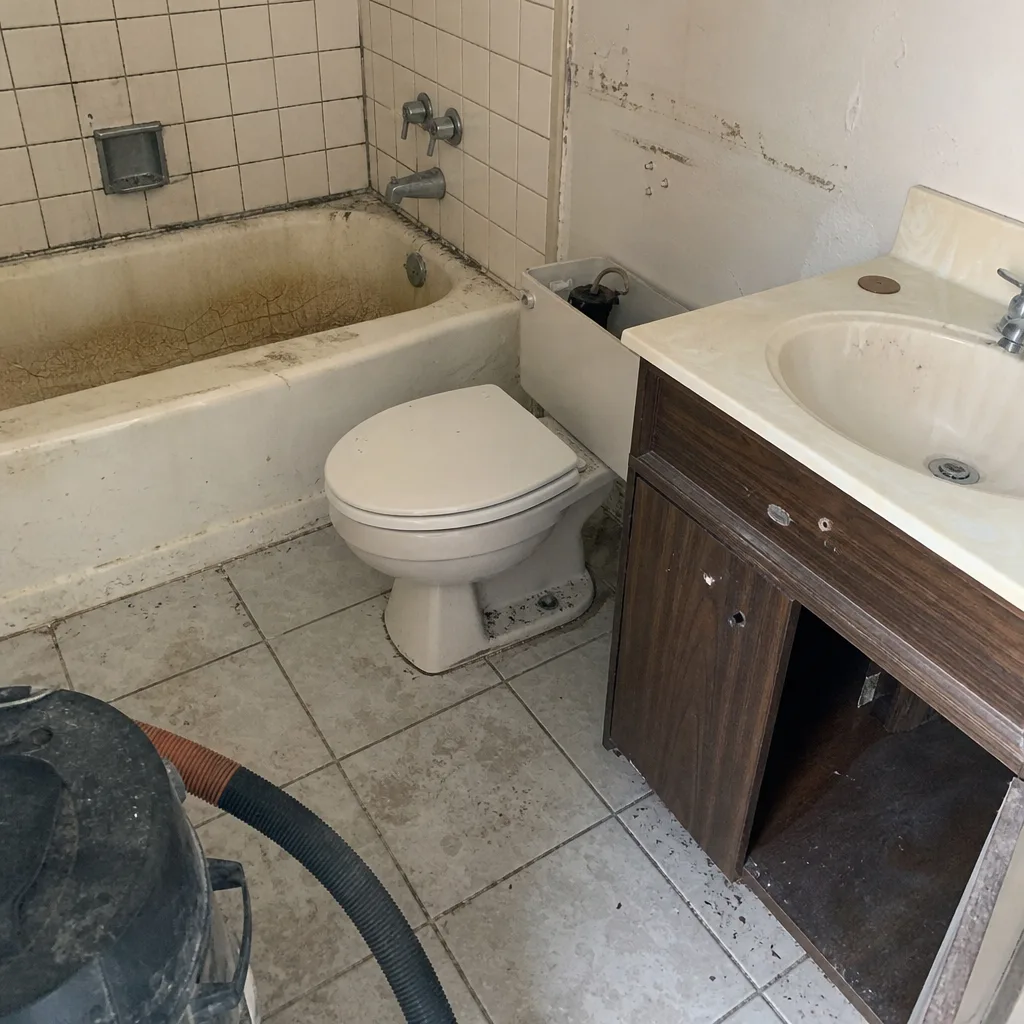 Before
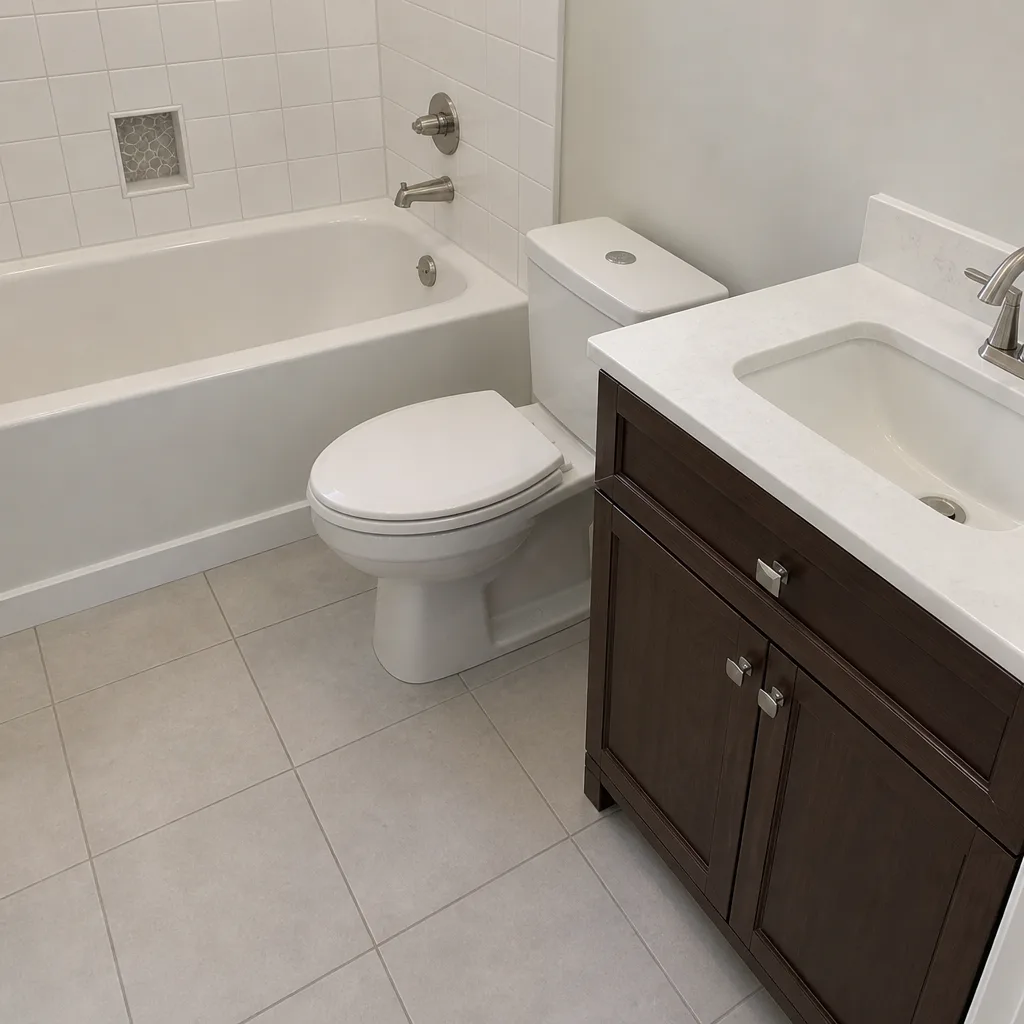 After
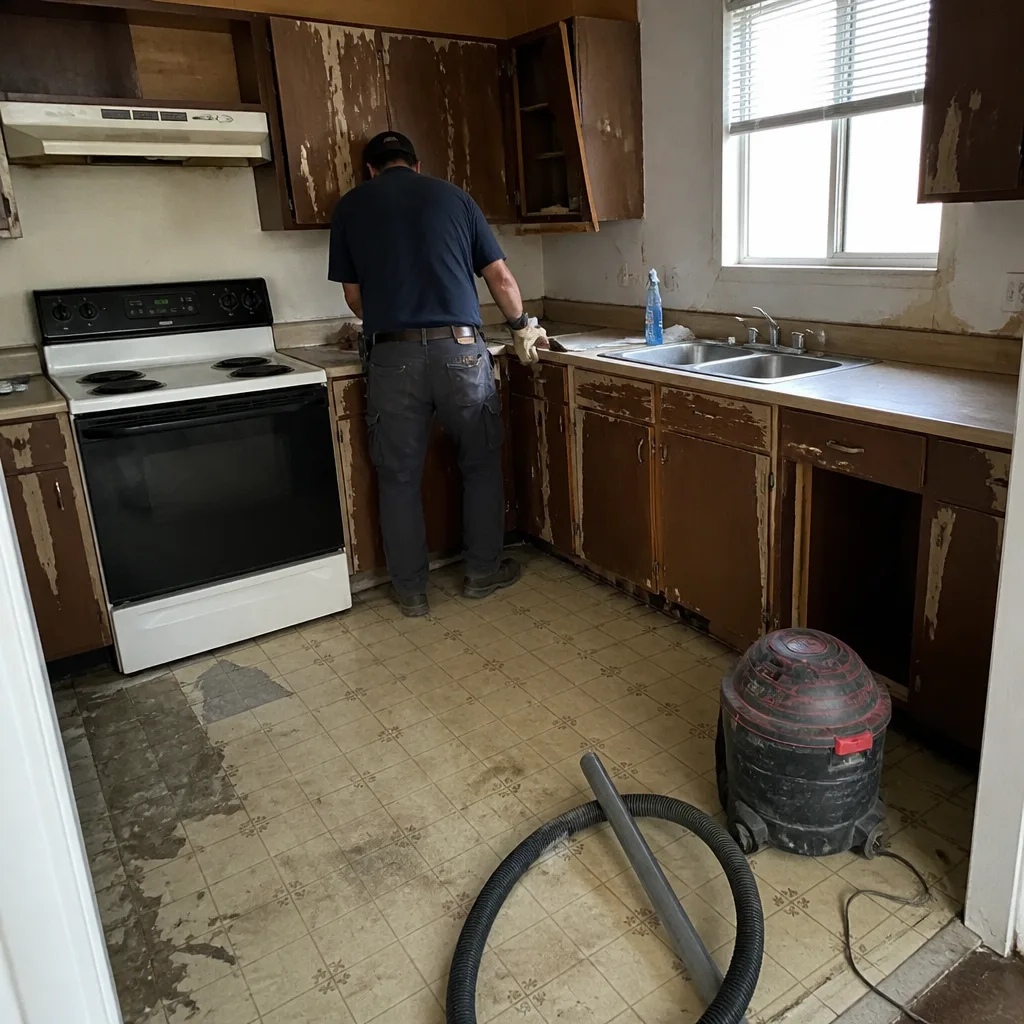 Before
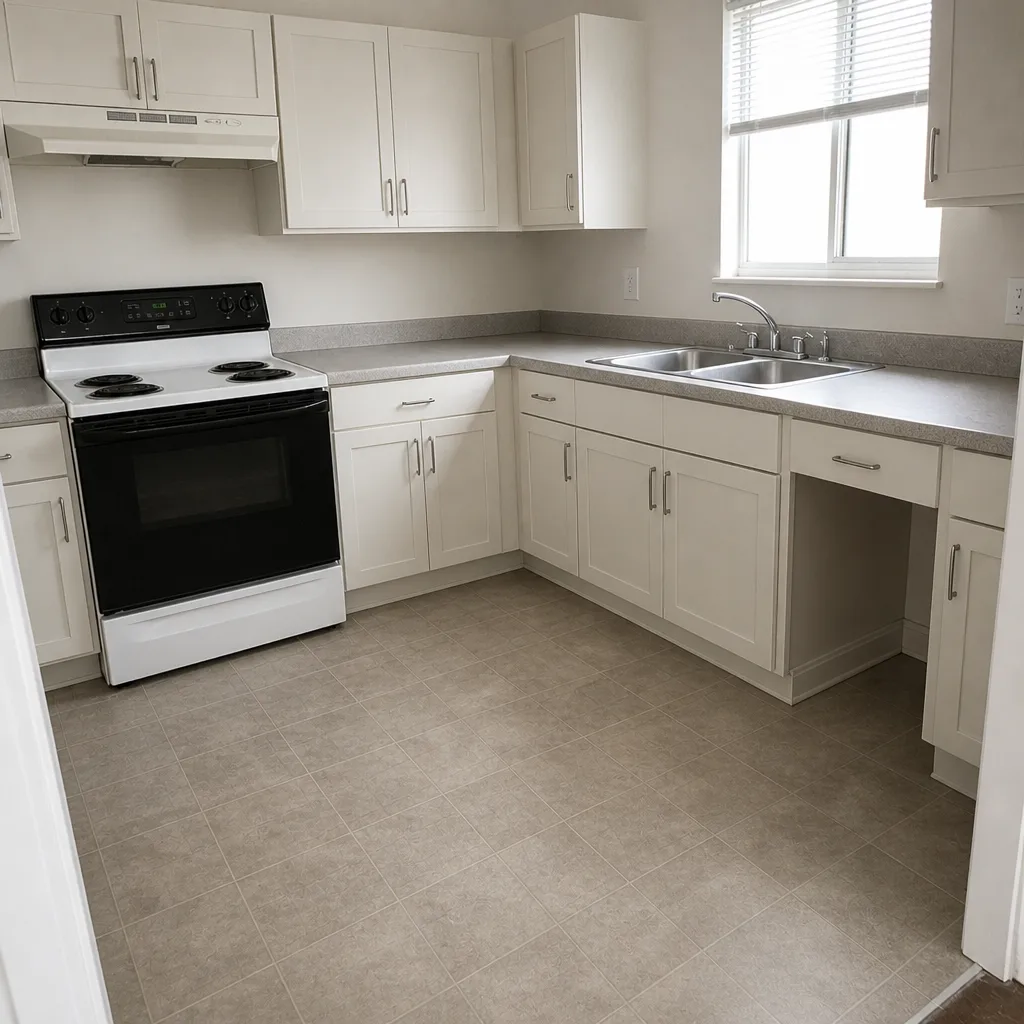 After
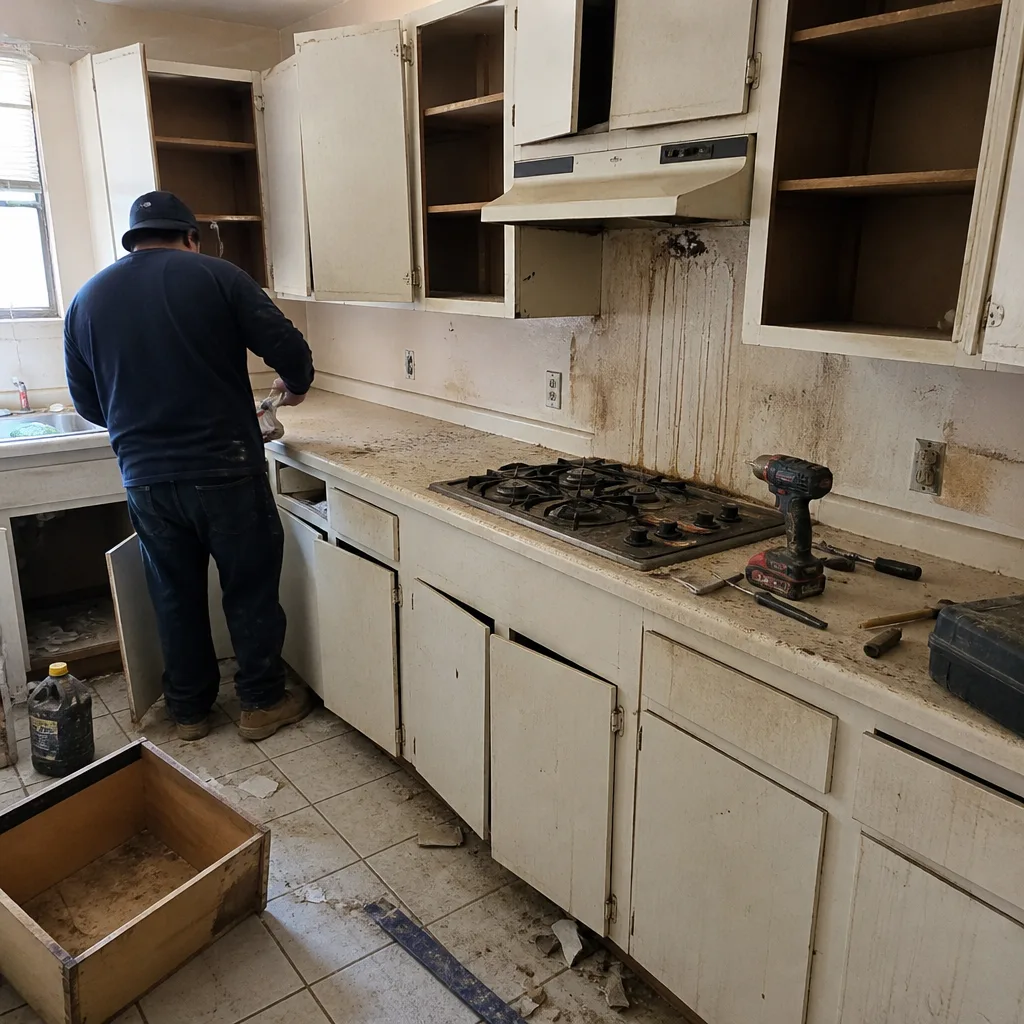 Before
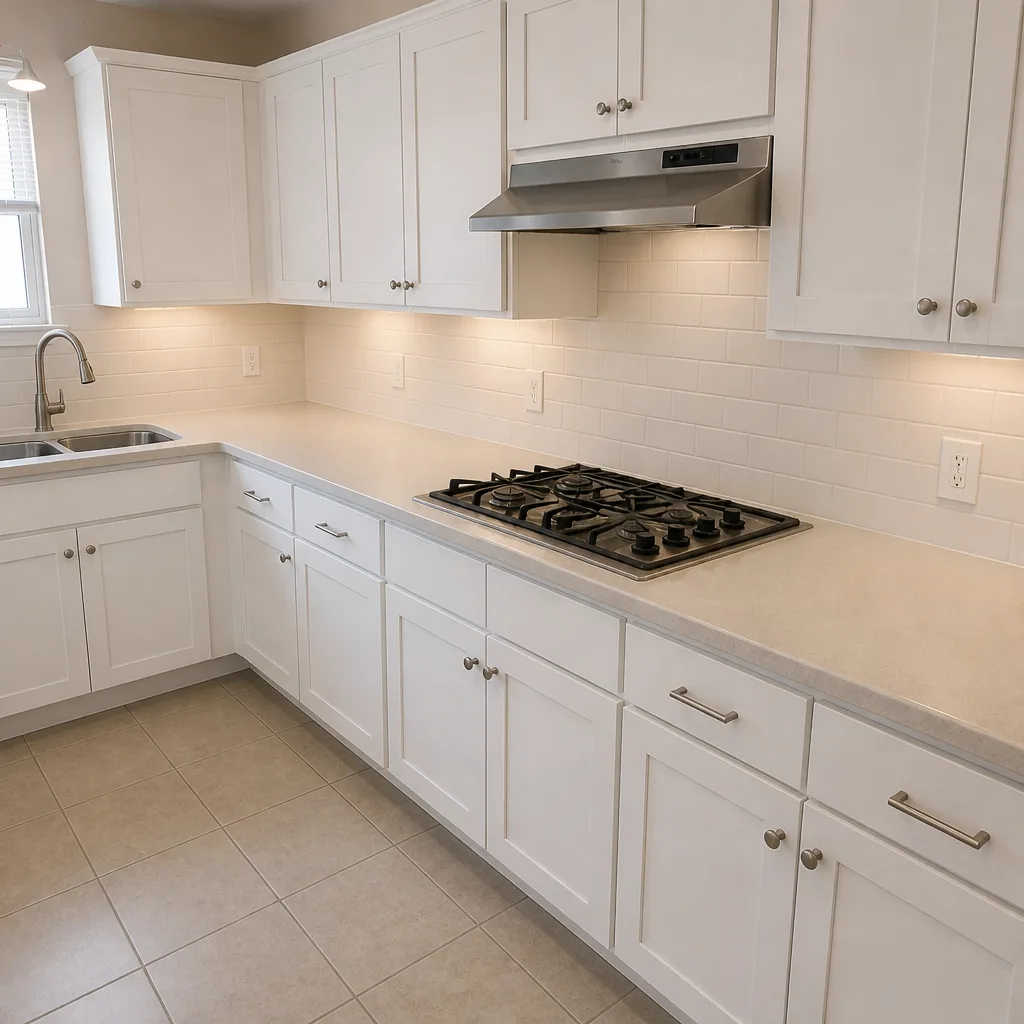 After
How Long Does a Paver Driveway Last in North Las Vegas, NV?
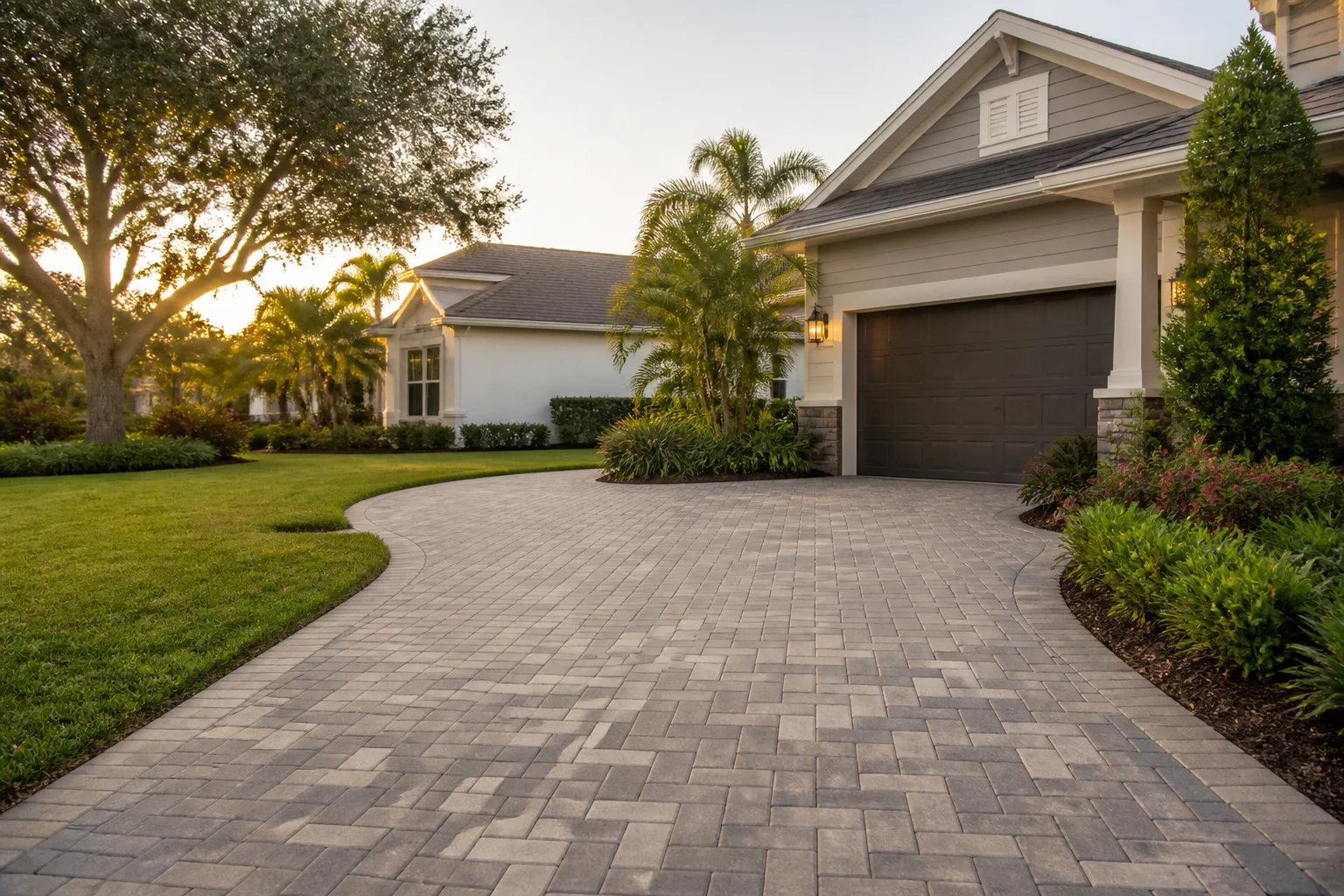
A paver driveway in North Las Vegas typically lasts 25 to 40 years when the base is engineered correctly for our expansive clay soils and the joints are maintained every 5 to 7 years. The pavers themselves rarely fail. The base does. Installed over an under-prepared subgrade, the same driveway can need full reinstallation within 7 to 10 years, and that gap is the entire story here. Call (844) 797-5026 and we’ll tell you which situation you’re in before anyone touches a paver.
Key takeaways:
- Base engineering, not paver quality, is what decides whether you get 7 years or 40.
- North Las Vegas clay swells and shrinks with our wet and dry cycles, and that movement travels straight through any base thinner than 6 inches of compacted aggregate.
- Polymeric sand in this climate needs reapplying every 5 to 7 years, not the 10-plus you’ll read about in cooler regions.
- Concrete pavers outperform natural stone here because consistent density resists the UV spalling that hits porous materials.
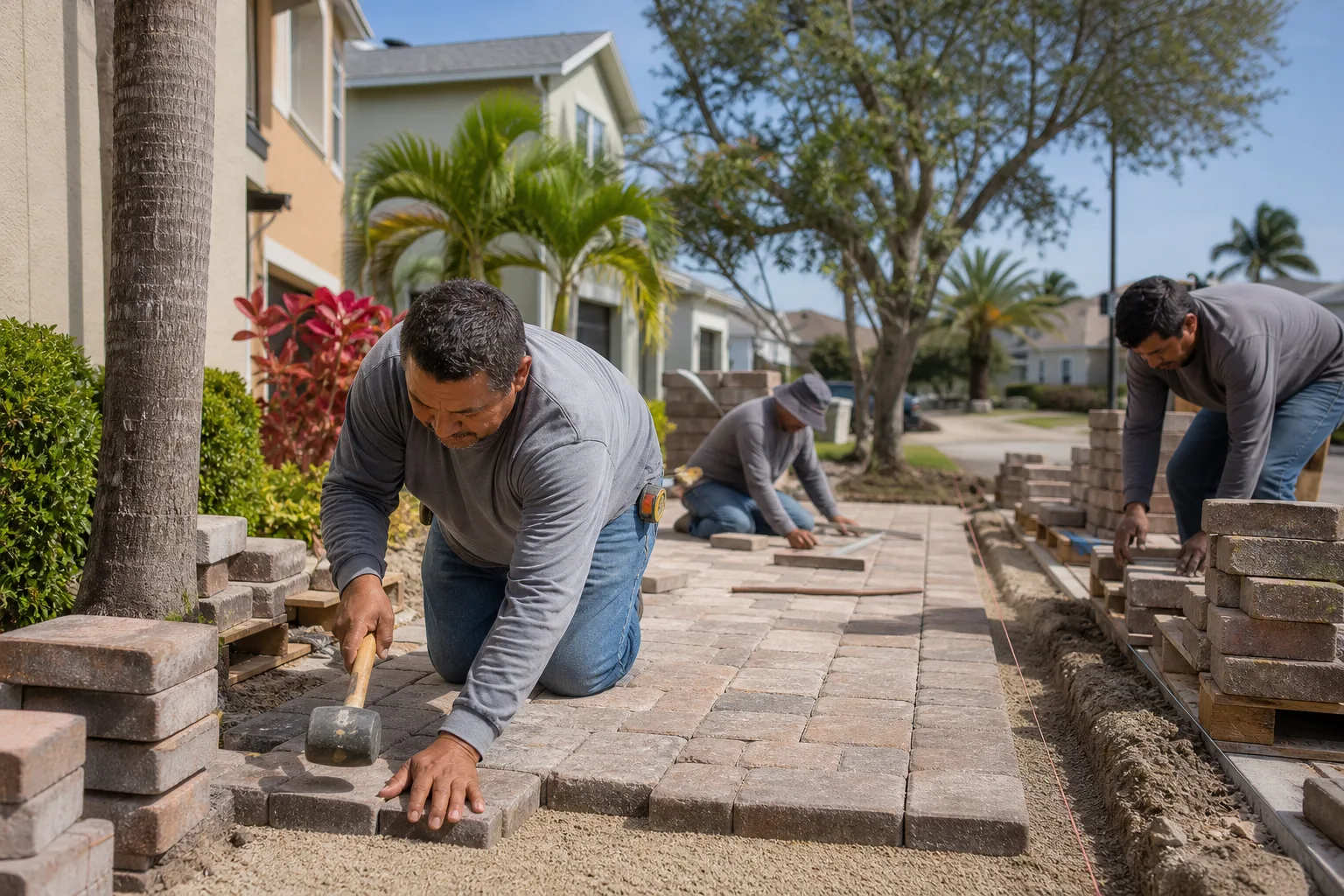
Why the Generic “25-50 Years” Answer Doesn’t Fit North Las Vegas
Most of what you’ll read about paver longevity was written for milder climates. Our heat is not mild. Summer highs routinely push past 105°F, and the surface of a driveway in direct sun can run considerably hotter than the air. That thermal cycling, day after day, works on the joints, the sand, and the base beneath. It’s why the honest answer here comes down to two variables the standard answer never mentions: base engineering and joint maintenance.
North Las Vegas’s clay soils are expansive. In the wet months, monsoon runoff and winter rain make that clay swell. Through the dry stretch, it shrinks back. The clay doesn’t have to heave dramatically to do damage; it just has to move a little, season after season, under a base that wasn’t built to absorb it. A properly built base includes geotextile fabric separating the subgrade from the aggregate, then 6 inches or more of compacted aggregate above it. Skip that fabric and thin the aggregate, and you’ve handed the clay a free path to your pavers.
We see this split in the field. In the newer master-planned communities north of the valley, the base is often the whole story, and it’s usually a job done right or done cheap. In the older core neighborhoods, where infill and rehab work dominate, we’re often correcting base problems somebody else buried under a fresh-looking surface layer.
What Actually Shortens a Paver Driveway’s Life Here
The pavers are the most durable part of the system. Everything that ages is happening underneath or between them.
Polymeric sand degradation. In cooler regions, joint sand holds up for a decade or more. Under our UV load and heat, plan on reapplying it every 5 to 7 years. Once the joints open up, weeds get in, water gets in, and lateral paver movement follows. That’s the beginning of a slow unraveling that a settled base can’t recover from.
Base failure over clay. A compacted aggregate base that’s too thin or missing its fabric barrier transfers every seasonal clay movement upward. You’ll notice it as pavers that rock slightly underfoot, joints that open unevenly, or a slight lip where one section meets another. Those small signs are your early warning. Catch them inside the first two years and you’re often looking at releveling. Miss them for five and you’re looking at a full reinstall.
Seismic and high-wind spec. North Las Vegas sits in a designated seismic zone, and engineered driveway slabs and sub-bases here have to account for lateral soil movement in a way that inland, low-seismic markets don’t. That spec costs more at installation and is one of the reasons our local price range for a paver driveway runs $7,000 to $18,000. It’s also a meaningful part of why a correctly built driveway still looks right after 30 years.
Material choice. Concrete pavers win in this climate over natural stone. Natural stone varies in porosity and density, and under our UV and thermal cycling that variance shows up as micro-spalling – small surface flaking that worsens each year. Driveway & Pavers work we do sticks with quality concrete pavers for exactly that reason. Belgard is one of the brands we lean on because the product consistency is there.
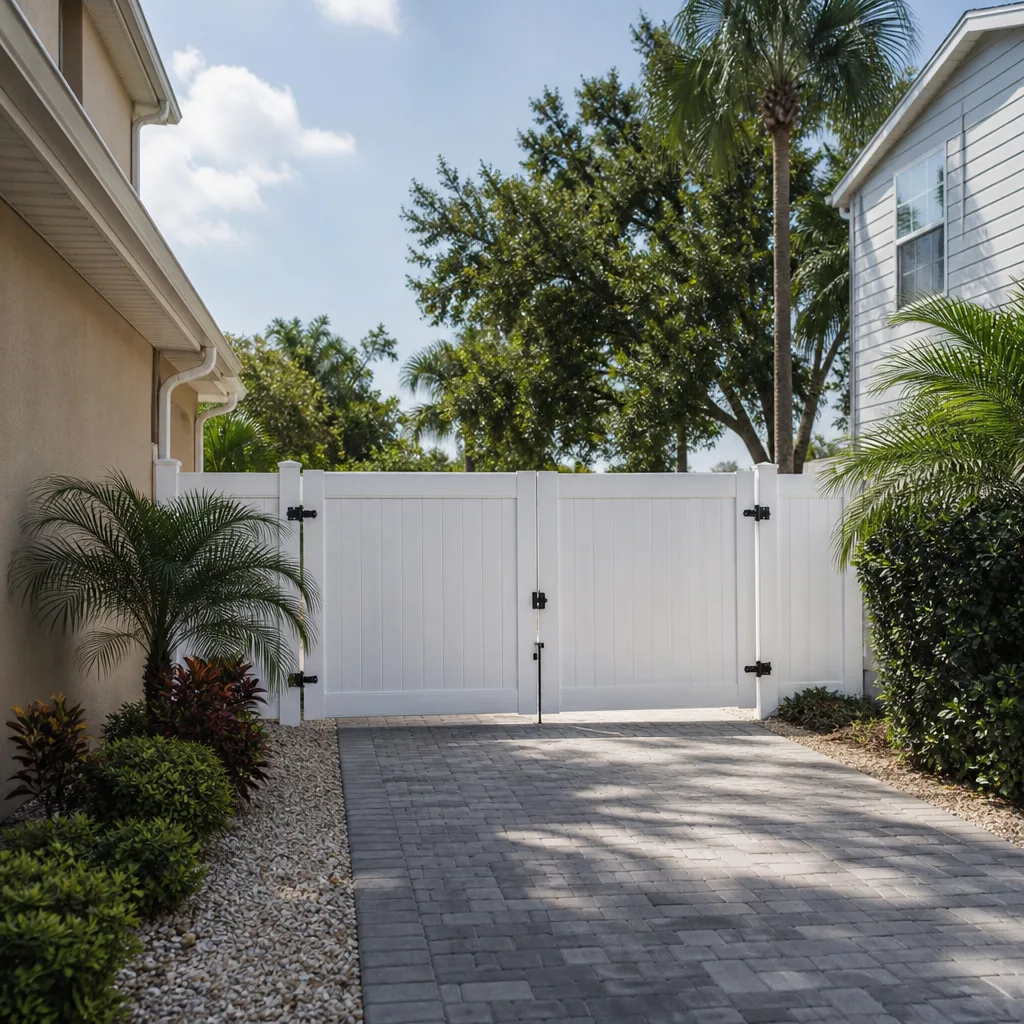
Common Local Scenarios We See in North Las Vegas
A 10-year-old driveway in Aliante with pavers that rock. Almost always base settlement where the aggregate was compacted light or the fabric barrier was skipped. Sometimes relaying the worst section is enough. We confirm with a probe before quoting the fix.
A new build in Tule Springs where the driveway was installed in a hurry. Builder-grade base work often meets code on paper. It doesn’t always survive a full wet-dry cycle. We see premature joint failure inside the first three years, and a joint sand refresh plus drainage correction usually restores it.
An older ranch home near Downtown with an original driveway. These are often natural stone or old concrete block with twenty years of deferred joint maintenance. The pavers usually hold. The grade and drainage around them are what need attention.
A Valley Vista homeowner asking whether to seal a 5-year-old driveway. Sealing runs $250 to $700 and is worth it once. Over-sealing in our heat can trap moisture and cause haze. We specify a breathable sealer and a longer recoat interval than a northern climate would need.
Where Groundwork Construction Co. of North Las Vegas Fits
Our technicians have up to 12 years of experience with paver and driveway installations in this climate, and we back the work with our 730-Day Done Right Promise – if it’s not done right, we make it right. That two-year window has a specific purpose for a driveway. It’s long enough to include two full wet-dry clay cycles, which is when base settlement and joint failures show themselves. Most competitors close their warranty before a driveway has been through even one seasonal cycle. Ours stays open through two.
We also run on upfront pricing. The number you see is the number you pay, and it’s grounded in the engineered base spec your address actually requires. Bundle that with 0% financing for 18 months and $1,000 off projects over $10,000, and a correctly built driveway stops being a project you postpone. If you’d rather compare scopes first, our Driveway & Pavers in North Las Vegas page lays out what the build involves from the subgrade up.
| Paver driveway work | North Las Vegas range |
|---|---|
| Full paver driveway installation (engineered base) | $7,000-$18,000 |
| Paver sealing (breathable sealer) | $250-$700 |
| Polymeric sand reapplication (joint refresh) | Quoted per driveway |
| Full replacement of a failed paver driveway | $5,000-$14,000 |
For a same-trade comparison, our concrete driveway installation page covers that side of the decision.
FAQs
A correctly built paver driveway in North Las Vegas lasts 25 to 40 years, and one with a well-engineered base over clay soil routinely reaches 40 or more. The failure point is almost never the pavers; it’s the base and the joints. If the base is thin and the joint sand hasn’t been refreshed, expect reinstallation inside 7 to 10 years. Call (844) 797-5026 and we’ll assess which condition your driveway is in.
Every 5 to 7 years is the right schedule in our UV and heat load. That’s noticeably more often than the 10-plus years you’ll see quoted for cooler climates. Left longer, joints open, weeds root in, and pavers begin to shift laterally. Call us and we’ll quote a joint refresh, typically well under a full job.
Often yes, when the failure is caught early and limited to one or two sections. We lift the affected pavers, correct the base and compaction, and relay. Once settlement has spread across a large area or the base is missing its fabric barrier, a full rebuild is the more honest call. Either way, estimates are free – call (844) 797-5026.
Yes, for this climate, because concrete pavers hold a consistent density and resist the UV-driven micro-spalling that porous natural stone develops over time. Natural stone varies piece to piece, and under 105°F-plus summers that variance shows up as surface flaking. Call us to talk through the paver options that fit your driveway and budget.
If you’d rather have it looked at, Groundwork Construction Co. of North Las Vegas offers a no-pressure assessment in North Las Vegas – call (844) 797-5026. We’ll tell you whether your base is holding or on its way out, and quote the fix with upfront pricing.
Written by the team at Groundwork Construction Co. of North Las Vegas, serving North Las Vegas, NV.