Last updated November 18, 2026






Free written scope consultation - allowances, timeline, and change-order rules on paper before a single trade is scheduled
Windows & Doors Maintenance Schedule: What to Do and When
Window manufacturers publish maintenance requirements that most installers never hand over. Seals fail early, frames warp, and the homeowner calls for warranty service, only to hear the claim was denied because the required upkeep was never documented. That missing paperwork is the whole story. In North Las Vegas, the heat, wind-blown dust, and monsoon season get a vote too, and they accelerate the wear that manufacturers won’t cover if you skipped the schedule. What follows is the actual calendar: what to check, when to check it, what to do about it, and how to keep a record that holds up at resale and in a warranty dispute.
Quick Answer
Inspecting seals and weatherstripping twice a year (late spring before the heat, and again after monsoon season), cleaning weep holes every three to six months, and lubricating hardware annually with a product matched to your frame material will keep windows and doors performing through a North Las Vegas summer. Document every inspection and repair with dated photos and receipts so a future warranty claim has a paper trail.
Styles & brands we work with
- Kitchen remodeling
- Bathroom remodeling
- Home additions & ADU
- Roofing
- Windows & doors
- Driveway & pavers
- Fence
Table of Contents
- Why a Maintenance Schedule Matters More in North Las Vegas
- The Four-Season Maintenance Calendar
- Weep Holes: What Cleaning Them Actually Means
- Weatherstripping Lifespan in Desert Heat
- Hardware Lubrication by Frame Material
- Building a Maintenance Log That Protects You
- Post-Monsoon Frame and Seal Checks
- When Maintenance Turns Into Replacement
Why a Maintenance Schedule Matters More in North Las Vegas
Manufacturers write their maintenance guidelines for a national average, and that average has a mild four-season climate. North Las Vegas does not. Summer highs push past 110°F for weeks, the UV index stays brutal for six months, and the swing between a July afternoon and a July night can run 30 degrees or more. That expansion and contraction cycle works the seals and weatherstripping every single day.
Add the dust. Wind moves fine desert soil across every exterior surface, and it settles into window tracks and door sills where it acts like sandpaper on gaskets and hinge pins. Then monsoon season arrives in late summer with driving rain that tests the drainage system you may have let clog. The result is a windows and doors package that ages on an accelerated timeline compared with the manufacturer’s reference climate. We’ve seen seals fail in year four or five on North Las Vegas homes that would have lasted a decade in a milder market.
None of that is a product defect, which is the problem. When a manufacturer publishes a maintenance requirement and you don’t meet it, warranty coverage gets denied. The schedule below exists so you aren’t the homeowner finding that out the hard way.
A quick note on what covers what. If your windows or doors are still under the original installer’s workmanship coverage, the labor side is likely protected under a written guarantee. Our own work carries the Groundwork Construction Co. of North Las Vegas home service umbrella and a 730-Day Done Right Promise on workmanship, which sits alongside the manufacturer’s material warranty rather than replacing it. Know which warranty is which before you file a claim; most denials come from asking the wrong party.
The Four-Season Maintenance Calendar
This is the schedule to print and stick on the inside of a closet door. It’s built for North Las Vegas conditions, not the national average, because the timing of each task matters as much as the task itself. Do this and you’ll catch most failures before they cost anything.
Late spring (May, before the heat sets in)
- Inspect every window seal and weatherstrip along the operable sash and the fixed frame. Run a finger along the edge and feel for gaps, brittleness, or compression set.
- Clean all weep holes (more on those below) and confirm the window drains freely after a bucket of water test.
- Check exterior caulk lines at window and door perimeters. Any crack wider than a hairline needs fresh sealant before summer sun cures the old bead harder.
- Test every lock, latch, and door handle for smooth operation; a stiff mechanism under heat is a sign lubrication is overdue.
- Inspect door sweeps and thresholds for gaps that let conditioned air escape.
Summer (June through August, the light-touch months)
This is inspection-only season. Don’t caulk or seal in extreme heat, because many sealants skin over before they’ve bonded. Just look: any interior condensation on a double-pane window during a hot afternoon is a sign the seal is failing internally. Note it with a date and a photo.
Post-monsoon (September, once the storms pass)
- Walk the exterior of every window and door after rain and check for water staining, bubbling, or soft spots in the surround.
- Press on frame corners and joints; any movement means a fastener has loosened.
- Recheck weep holes for debris the storms pushed into the track.
- Look for interior water marks near window corners, which is where a failed exterior joint shows up first.
- Confirm storm screens and window coverings weren’t bent or loosened by wind.
Winter (December through February)
Hardware lubrication and a full documentation pass. Because North Las Vegas winters are mild, this is the easiest season to open everything up and give the moving parts real attention without fighting heat or monsoon leakage. Lubricate hinges, locks, and sliding tracks, then update your maintenance log.
Weep Holes: What Cleaning Them Actually Means
Weep holes are the small openings in the bottom of a window frame that let trapped water drain back outside. Every modern window has them, and almost nobody cleans them. When they clog with dust, insects, and debris, rainwater and condensation pool inside the frame instead of draining.
What happens next is what most homeowners miss. The trapped water can’t reach the exterior, so it finds the interior. It works into the sill, the drywall, and the framing, and by the time you see a water stain on the wall under a North Las Vegas window, the damage started months earlier. In our experience, weep-hole clogs are the single most common cause of “my window is leaking” calls we get during and after monsoon season.
Cleaning them doesn’t require disassembly. The task is:
- Locate the slots along the bottom exterior of the operable sash and fixed frame; there may be several per window.
- Use a soft brush, a can of compressed air, or a vacuum with a nozzle attachment to clear visible debris from each slot.
- Follow with a slow pour of water along the track to confirm it drains out the weep holes.
- If water backs up inside the frame after you’ve cleared the slots, the internal track or drain path is likely blocked deeper than a homeowner tool can reach.
If water won’t drain after a simple cleaning, that’s a call-a-professional moment, not a drill-and-poke moment. The internal drainage path can be compromised, and a trained eye can confirm it with the window out of the wall far faster than trial and error.
Weatherstripping Lifespan in Desert Heat
Weatherstripping is the flexible gasket around doors and operable windows that seals out air, dust, and water. In mild climates it commonly lasts 10 to 12 years. In North Las Vegas, we’d put the real-world window at closer to five to seven. UV exposure and the daily expansion and contraction cycle age the material faster, and once it goes brittle or takes a compression set, it stops sealing.
How do you know you’re past the threshold? A few signals:
- You can see daylight around a closed door or window when the room behind it is dark.
- The strip feels stiff, crumbly, or cracked when you press it, rather than springy.
- A dollar bill (or a piece of paper) slides through the closed gap with no drag at all.
- You feel a draft at the edge on a cool winter morning, or your cooling costs have crept up with no other explanation.
The compression-set test is the simplest. Close the door or window and put a piece of paper in the gap; it should be held firmly by the strip on both sides. If it glides through, the strip has lost its memory and the seal isn’t doing its job.
One desert-specific wrinkle: non-hardening, exterior-grade caulk works better than traditional foam weatherstripping around door frames and thresholds in this climate, because it stays flexible through the swings instead of hardening and cracking. Whatever you choose, make sure the product is rated for exterior use and high UV exposure; the cheap interior-grade foam is a waste of a Saturday in North Las Vegas.
Hardware Lubrication by Frame Material
This is where well-intentioned homeowners do damage. The wrong lubricant can attack a frame finish or speed up corrosion, and using a general-purpose spray on everything is exactly how that happens. Match the product to the material.
Vinyl frames
Silicone-based lubricant on hinges, tracks, and latches. Avoid petroleum-based sprays that can stain or soften vinyl over time. Don’t use an oil that will attract and hold the dust this area produces so freely.
Aluminum frames
Dry film PTFE or a lightweight silicone spray. Aluminum is corrosion-resistant but the hardware components (steel pins, latches, screws) aren’t, and a dry film keeps gunk out without trapping grit. Avoid anything with abrasive particles.
Wood frames
Carnauba or beeswax-based lubricant on sliding surfaces and hinges; it conditions the surface instead of just coating it. Mineral oil on hinges and latches works but requires more frequent reapplication. Avoid water-based lubricants on interior hardware, because wood swells with moisture, while a penetrating PTFE spray on hinges and latches keeps the moving parts free in a desert.
Fiberglass and composite frames
A quality PTFE or silicone lubricant works well; these frames are dimensionally stable but the moving hardware needs the same protection as any other frame material. The frame material is irrelevant to the hardware here, so treat the hinges and locks like the metal they are.
Whatever the frame, lubricate the moving parts once a year, ideally in winter, and wipe away surplus rather than leaving a film. A dry, clean mechanism lasts longer than a greasy one that collects dust. Door and window manufacturer >always< specifies a lubrication product in the manual, so check it first and follow it. If the manual is long gone, the products above are safe defaults.
Post-Monsoon Frame and Seal Checks
Monsoon season in North Las Vegas runs roughly July through September and delivers short, intense rain driven sideways by wind. That’s the hardest test of a window and door assembly all year, and it finds every weakness. September is when you go looking for what the storms exposed.
Walk the exterior of every window and door after the first significant rain. What you’re looking for:
- Water staining or soft spots in the trim or surround, which means water is getting behind the assembly.
- Loose frame corners or joints, which point to fasteners that loosened over the summer expansion cycle.
- Debris packed into the weep holes from windblown dust and leaf litter.
- Interior water marks near window corners on the drywall or ceiling, which is where an exterior failure shows up first.
- Bent or loosened storm screens and window coverings from wind loading.
Check door frames too, particularly the bottom corner nearest the hinge side, since that’s where wind-driven rain enters first. If any joint moves when you press it, it’s a repair, not a routine check. And if you find interior water marks, tighten your schedule and get eyes on it soon; interior evidence of water intrusion never improves on its own. If the assembly is part of a larger exterior or structural issue, that’s the sort of thing we handle alongside fence installation in North Las Vegas, because wind and monsoon damage rarely stops at the house wall.
Building a Maintenance Log That Protects You
The habit that saves you money on a warranty claim is the one almost nobody keeps: a record. Manufacturers and installers ask for proof of required maintenance before honoring a seal or frame warranty, and “I cleaned them, I promise” doesn’t hold up. A simple log does.
Here’s how to build one that works:
- Create a single folder (physical or cloud) with the original purchase or installation paperwork, including the model numbers, serials, and the manufacturer’s written maintenance requirements.
- Date every entry. Note the task, the date, and any observations (“weep holes cleared, west-facing kitchen window,” “sealant refreshed on north door frame’).
- Take a dated photo of each photo-worthy check: sealant before and after, hardware lubricated, water marks found. A camera timestamp plus your note is evidence.
- Keep receipts for any weatherstripping, sealant, or lubricant you buy; a receipt dated before the failure proves you did the upkeep.
- Log professional visits the same way you would a home repair or install: what was done, when, and by whom, which is where a written workmanship guarantee becomes a real asset.
At resale, this log does double duty. North Las Vegas buyers and their inspectors take a well-maintained windows and doors package seriously, and “documented maintenance” in a listing disclosure signals a homeowner who took care of the house. Two years of dated entries is a tangible value signal, not just paperwork.
When Maintenance Turns Into Replacement
Maintenance buys time, but there’s a point where it stops making sense to keep servicing a failing unit. Here’s how we read it in North Las Vegas:
- Failing seals on double-pane units (fogging or condensation between the panes) mean the factory seal is gone. No amount of cleaning fixes it.
- Wood rot or soft frame material, particularly at the sill or corners, which can spread into the surrounding framing if it’s not addressed.
- Windows or doors that stick, won’t close flush, or leak after monsoon season despite fresh weatherstripping and clear weep holes.
- Seal failures that recur in the same unit two or more times, which usually means the assembly is out of square or the original install has shifted.
When you’re pricing a replacement, budget like a North Las Vegas homeowner, not a national average. Standard vinyl replacement window pricing in this market typically runs roughly $450 to $900 per window installed, with larger picture windows and impact-rated units climbing above that; a typical entry door replacement lands in the $1,200 to $3,500 range depending on material and size. Those are broad ranges, and the only number that matters is the one on your written quote, so ask for it in writing and line by line. Financing options like 0% for 18 months and a standing $1,000 off on projects over $10,000 help spread the cost of a whole-house replacement instead of doing it in painful chunks.
While you’re thinking about the exterior as a whole, replacement windows pair naturally with other entry-point work; if you’re upgrading the windows and doors, the driveway and hardscape on the same elevation usually come up next, which is why we bundle that kind of planning (Driveway & Pavers in North Las Vegas covers the paving side). And if the window work is part of a larger structural change, a room addition or ADU, that’s a different scope entirely: Home Additions & ADU in North Las Vegas lays out how those larger projects sequence with replacement windows and doors.
For replacements, we source from brand partners like Andersen, Pella, and Marvin, and a CertainTeed window package is a strong fit for a lot of North Las Vegas homes. Choosing a known brand matters precisely because the maintenance schedule and warranty language come with it; off-brand units often arrive without either, and that’s when a cheap window becomes expensive.
Common Mistakes to Avoid
- Skipping weep-hole cleaning because they “look clean.” The clogs form behind the slot where you can’t see them, and the first sign is water inside the wall.
- Using WD-40 on everything. General-purpose products can stain vinyl, attract desert dust, and wash away the correct lubricant. Match the product to the frame and hardware.
- Caulking in extreme heat. A North Las Vegas July afternoon cures many sealants before they bond, and the new bead fails faster than the one you replaced.
- Patching weatherstripping with whatever’s on the shelf. Interior-grade foam dies within a season in desert UV; the exterior-grade material is the only kind worth installing.
- Ignoring condensation between double panes. That’s a broken factory seal, and it won’t clear up with cleaning; every month you wait lets interior moisture spread.
- Never filing paperwork. Without dated records and the original maintenance requirements, a valid warranty claim can still be denied.
- Treating monsoon season as a one-time cleanup. The post-storm check is annual, and skipping it means the next summer finds the damage already inside.
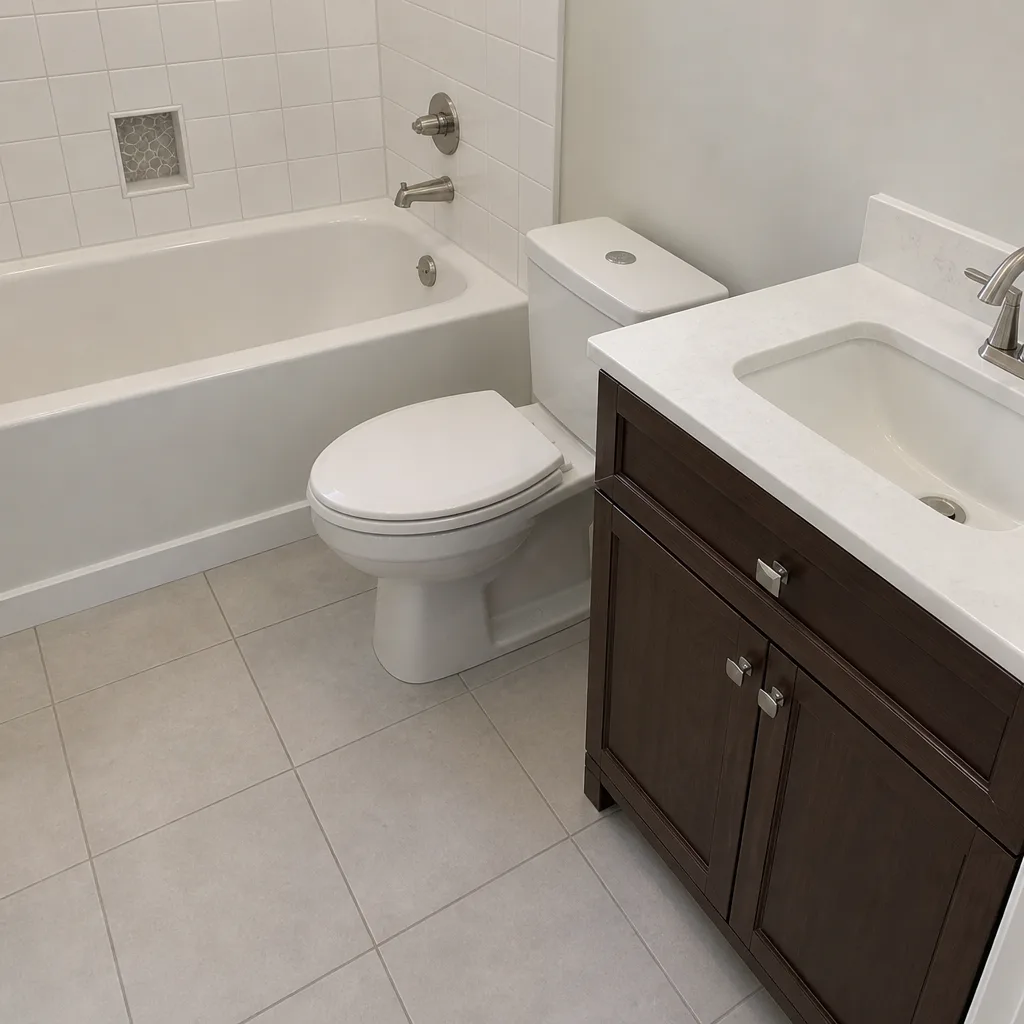
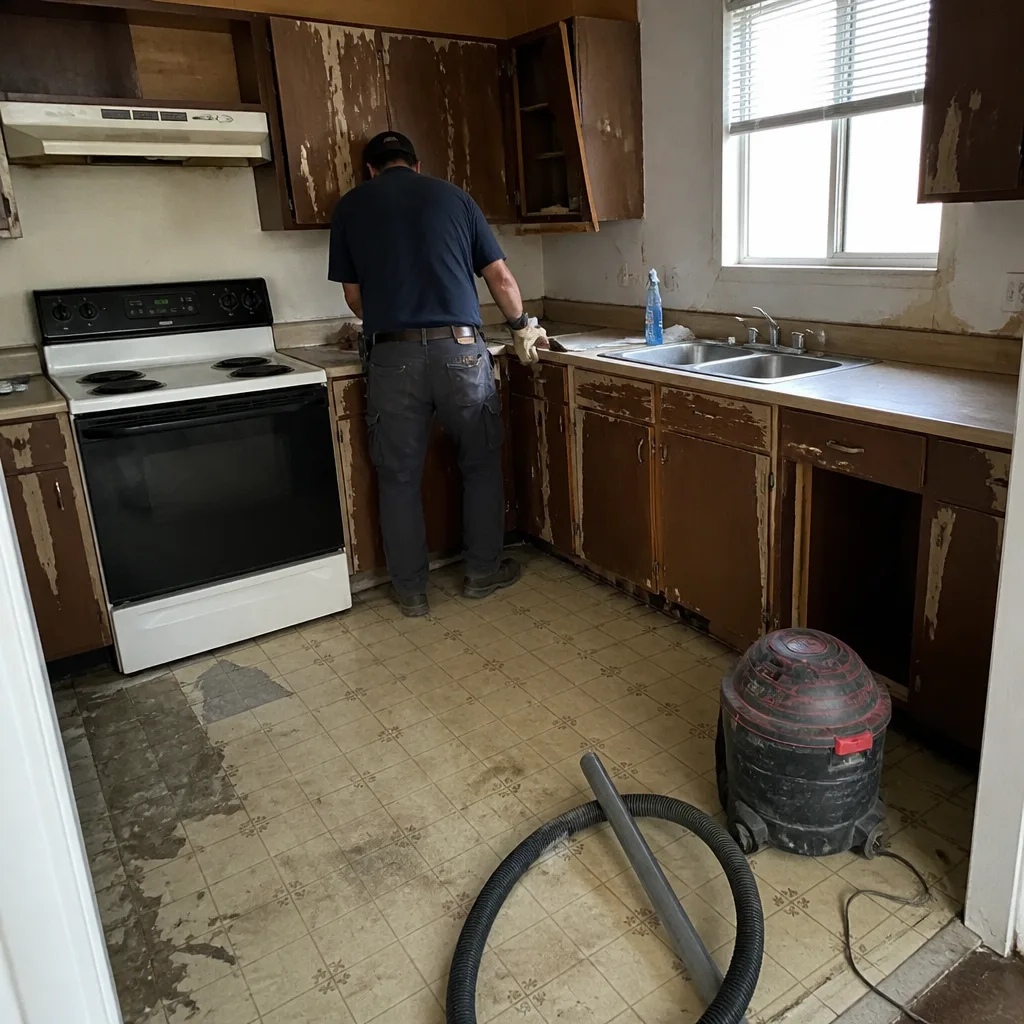
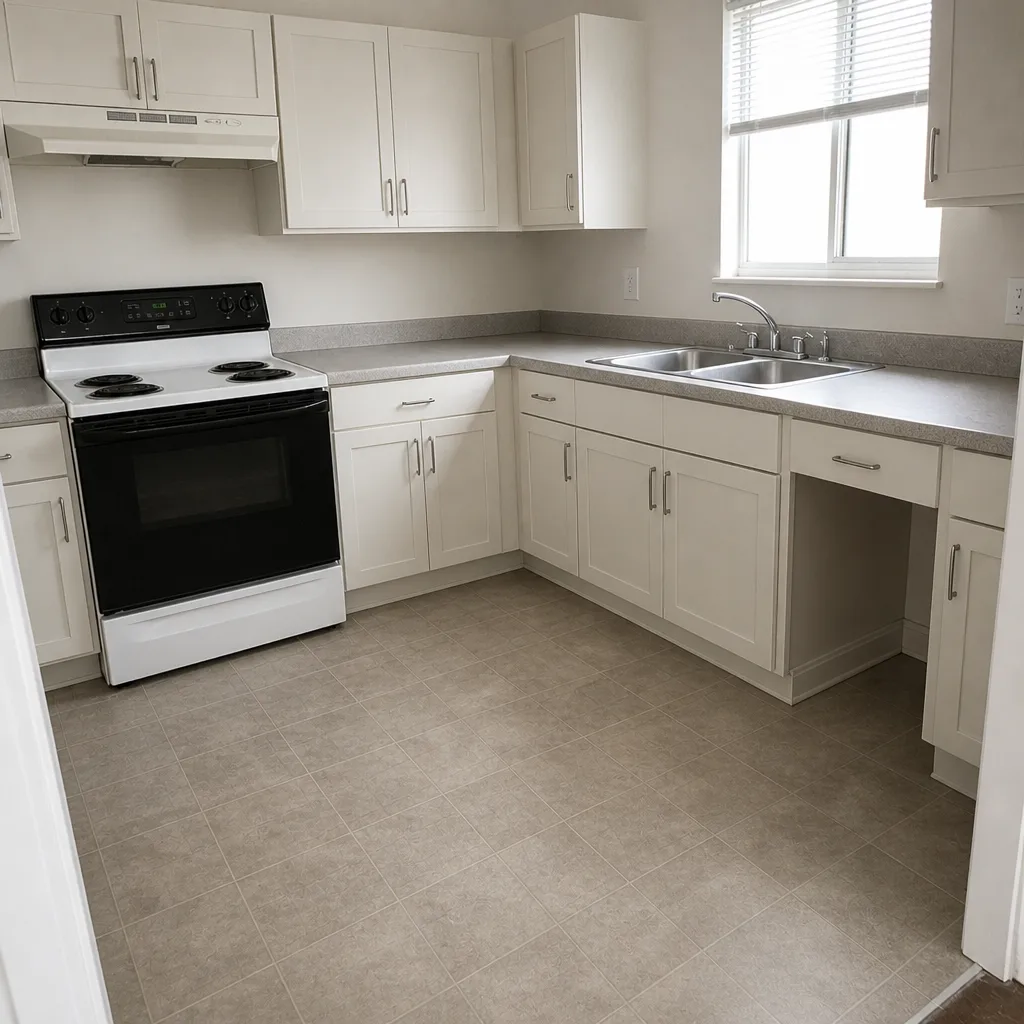
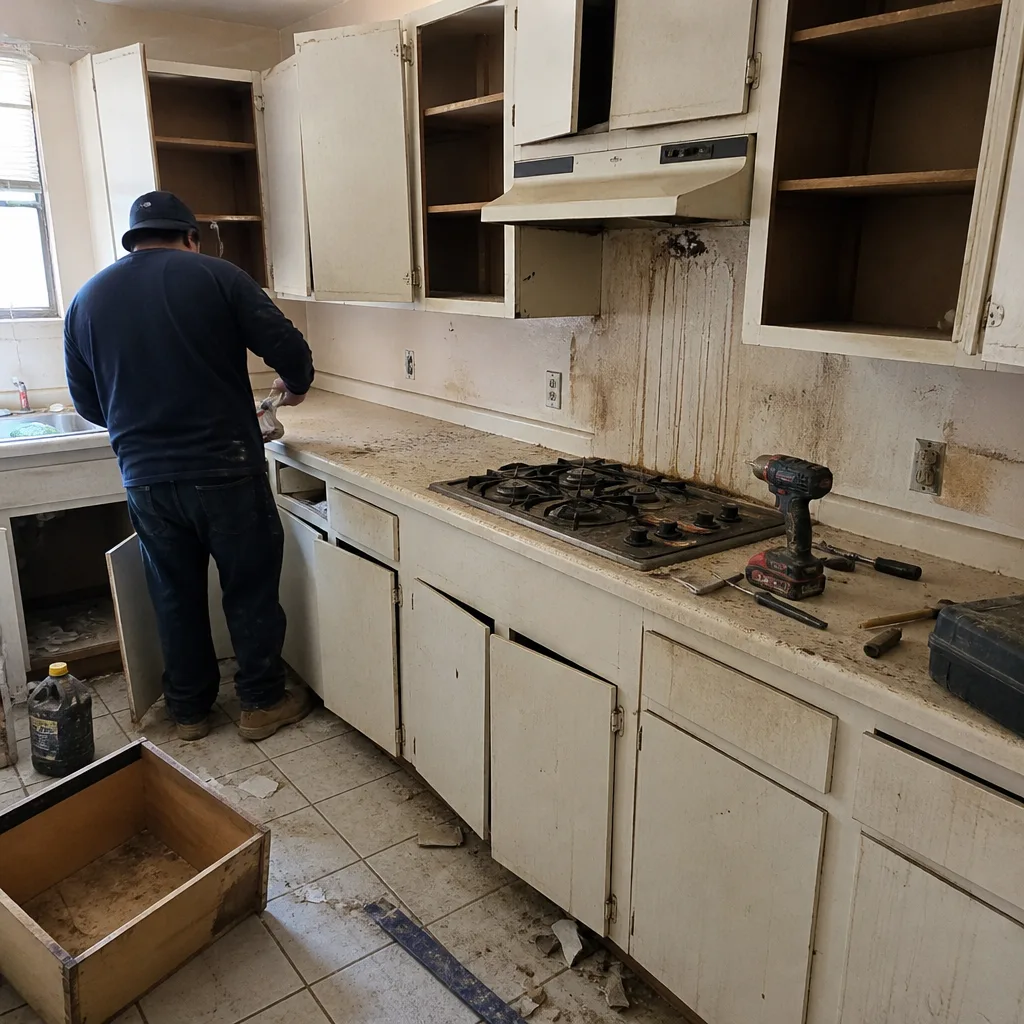
See the difference
 Before
 After
 Before
 After
 Before
 After
When to Call a Professional
Call for help when water won’t drain after a weep-hole cleaning, when you find active water intrusion or soft framing after monsoon season, when a seal has failed between the panes, or when a window or door no longer closes flush. Those are all signs the assembly needs a trained eye rather than another round of symptom-chasing. The same goes for any replacement work involving ladders and second-story units: that’s a job for a professional with the right equipment and coverage, not a weekend project.
Groundwork Construction Co. of North Las Vegas offers free estimates in North Las Vegas, and our team walks your whole exterior so you’re not guessing at what needs repair versus replacement. Calls are answered by a live person 24 hours a day, every day, so you get a real answer when you need one. If replacement is the right call, every job is backed by the 730-Day Done Right Promise and priced upfront. Call (844) 797-5026 to schedule your free estimate.
Frequently Asked Questions
Every three to six months. Desert dust and windblown debris clog them faster than in most markets, and at least one cleaning right before monsoon season is essential. If water doesn’t drain freely after clearing the slots, call (844) 797-5026 for a free estimate and let a professional confirm the internal path is clear.
Not automatically, but manufacturers often deny claims for seal failures tied to skipped maintenance or improper installation. That’s why the dated maintenance log matters. If your window is still covered and a seal has failed, contact the manufacturer and be ready to show your maintenance records; if the install was done by us, our written 730-Day Done Right Promise covers the workmanship side.
Fogging between the panes means the factory seal on a double-pane unit has failed, and outside moisture has entered the air space. No cleaning or lubricant fixes it. Heat and daily temperature swings in North Las Vegas accelerate this. If it’s a single fogging window, call (844) 797-5026 for a free estimate on repair versus replacement.
It’s better than nothing for freeing a stiff mechanism short term, but it isn’t the right long-term choice. It attracts dust and can stain vinyl frames. For North Las Vegas homes, we recommend a silicone spray on vinyl and aluminum, and a wax or PTFE-based product on wood and composite. When in doubt, check the manufacturer’s manual first.
Expect five to seven years in North Las Vegas versus 10 to 12 in milder climates. Replace it sooner if it’s brittle, cracked, or lets a piece of paper slip through a closed gap with no drag. If you’re not sure, a free estimate from our team at (844) 797-5026 gives you a straight answer without guesswork.
Keep a dated log, take photos of each inspection and repair, save receipts for weatherstripping and sealant, and store the original manufacturer requirements with the file. A short written entry after each seasonal check is enough. If you’ve had professional work done, add the invoice and any written workmanship guarantee to the same folder.
The Bottom Line
Windows and doors in North Las Vegas need a real maintenance calendar, not a once-a-year glance. Inspect seals and weatherstripping in late spring and again after monsoon season, clean weep holes every few months, lubricate hardware annually with the right product for your frame, and write down what you did. Do that and you’ll catch most failures before they cost money, keep your warranty coverage intact, and have a documented record that adds value at resale. When the repair outgrows the schedule, our team at Groundwork Construction Co. of North Las Vegas is one call away at (844) 797-5026.
Trusted by homeowners in North Las Vegas and across our markets, our technicians have up to 12 years of experience on windows, doors, and every other corner of the home. From foundation to finish line, we bring background-checked, uniformed technicians, no-hassle upfront pricing, and the 730-Day Done Right Promise on work you can inspect for yourself. Built to last, backed in writing.
Written by the team at Groundwork Construction Co. of North Las Vegas.