Last updated November 18, 2026




Free written scope consultation - allowances, timeline, and change-order rules on paper before a single trade is scheduled
Seasonal Construction Care for North Las Vegas: Year-Round Homeowner’s Guide
Most North Las Vegas homeowners assume the desert is easy on a house. It isn’t. The valley hands you two construction-hostile windows (the brutal heat from June through September and the surprise monsoon stretch from July into September) and two working windows (March-April and October-November), and that’s it. The catch is the narrow opening between them: most exterior sealers, caulks and adhesives stop curing once the surface passes about 90 to 95°F, so the window to seal, repair and prep on the outside of an NLV home is genuinely short. Wait until the first cool weekend in November and you’re sealing over surfaces that already took a summer of UV. This guide walks the calendar, phase by phase.
Key Takeaways
- North Las Vegas runs on two real working windows (March-April hardening and October-November optimal work) separated by a heat block and a monsoon block.
- Exterior sealers and adhesives have application ceilings around 90-95°F. June through September is not a viable time to waterproof exterior surfaces.
- Monsoon moisture behaves differently on stucco, block and poured concrete. Each needs its own inspection approach.
- Thermal expansion joints should be checked every fall, not “eventually.” A joint that’s over-filling needs attention before winter.
- January freeze-thaw in North Las Vegas is real and short. Exposed concrete and irrigation sleeves through flatwork are the exposure points.
Quick Answer
North Las Vegas doesn’t have a standard four-season maintenance cycle. It has a March-April hardening phase for exterior sealing and roof repair, a July-September monsoon watch, an October-November optimal work window that’s the best time for anything needing sealer or adhesive, and a December-February freeze-prep window. Following that calendar rather than a generic spring/fall routine is the difference between reactive repair and predictable maintenance.
Styles & brands we work with
- Kitchen remodeling
- Bathroom remodeling
- Home additions & ADU
- Roofing
- Windows & doors
- Driveway & pavers
- Fence
Table of Contents
- The Real North Las Vegas Construction Calendar
- Pre-Summer Hardening: March and April
- Monsoon Watch: Humidity Chemistry on Stucco, Block and Concrete
- The Optimal Work Window: October and November
- Freeze Prep and the January Freeze-Thaw Risk
- Thermal Expansion Joints: What “Tight Is Fine” Actually Means
- Landscaping and Drainage Decisions Most NLV Homeowners Skip
- Common Mistakes to Avoid
The Real North Las Vegas Construction Calendar
The four-phase calendar isn’t marketing. It’s driven by how materials behave at temperature. Sealers, caulks, adhesives, stucco patch and roof mastics all have manufacturer application ranges that cap out in the high 80s to low 90s. North Las Vegas crosses 95°F most days from late May through early September, and it crosses 105°F often enough that a “cool” week is still too hot to trust a fresh bead of elastomeric sealant.
Here’s how the year actually splits:
- March-April (Pre-summer hardening): The window to seal, patch and prep anything exposed. Temperatures typically sit between the 60s and the low 90s, which keeps most sealers inside their application range.
- May (Cushion month): A short overlap where early-May work is still possible if you front-load it. By the second week most exterior work shifts to morning-only.
- June-September (Heat block, with a monsoon pocket): Roof pitch work, elastomeric coating, exterior paint and stucco patch work are impractical for much of this stretch. Monsoon moisture from July into September introduces its own problems.
- October-November (Optimal work window): The best months on the calendar for nearly any exterior project that needs a sustained cure. Temperatures land in the 60s-80s, and overnight lows stay warm enough that most adhesives cure cleanly.
- December-February (Freeze-prep and cool-season work): Arizona and Nevada desert code cycles treat these as cool months where the meaningful exposure is overnight freeze.
We’ve seen homeowners in Aliante and the older Ranch Estates stretch of North Las Vegas try to squeeze a re-seal in June because “the weekend looked nice.” The first cool morning in October revealed exactly how that went.
Pre-Summer Hardening: March and April
March-April is when the real pre-season work happens in North Las Vegas. The goal is to close every gap, seam and joint that could take on water or heat before the extremes hit. The window is tight, so the order matters.
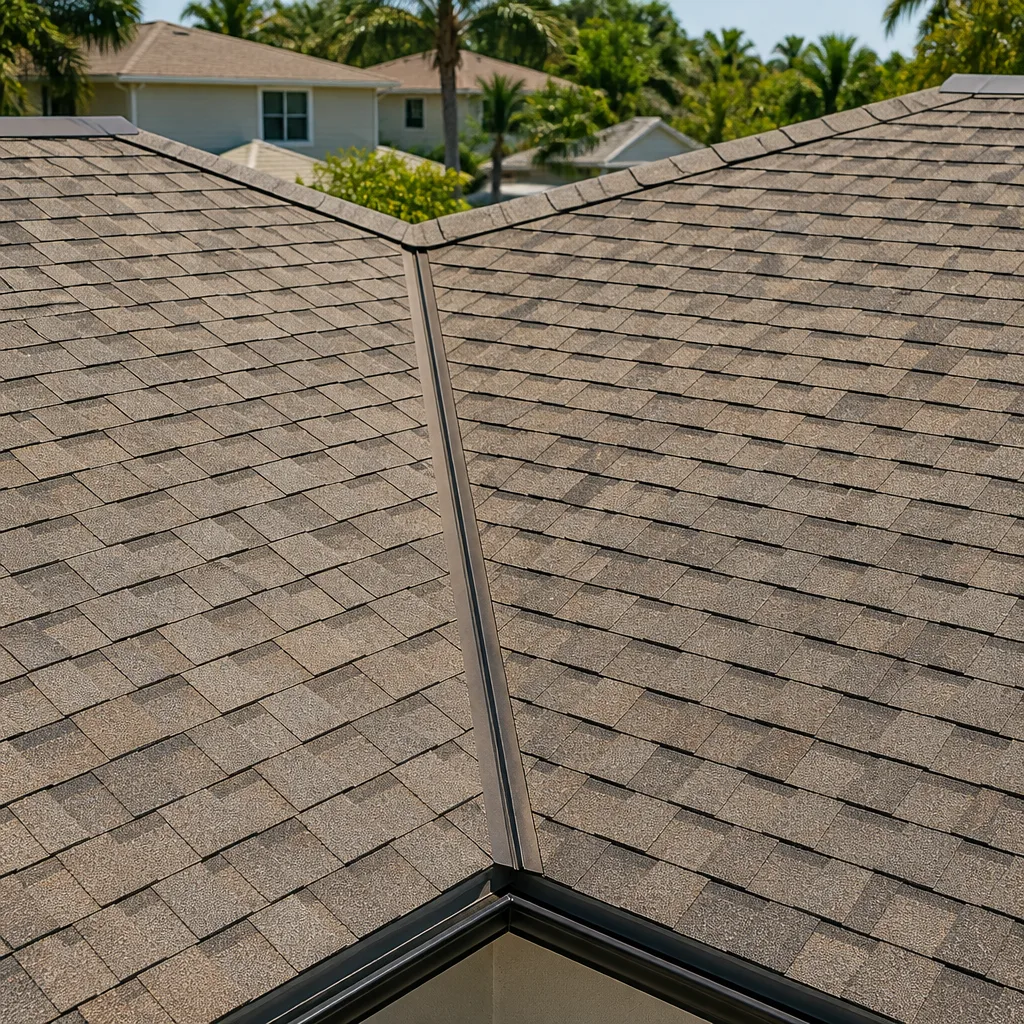
- Walk the roof perimeter first. Check the flashing at the chimney, vent stack boots, and every valley. Boots are the single most common roof leak point on North Las Vegas ranch homes from the 1990s and 2000s.
- Inspect and re-seal exterior caulk joints. Window frames, door frames, penetration pipes and where stucco meets trim. Use a sealer rated for the product underneath; elastomeric over acrylic fails within one summer.
- Check the perimeter of every exterior door. Thresholds that sit under full western sun can shrink and pull away. Look for daylight or a feel of cooler air.
- Clear the gutters and downspouts. Desert homes still get rain, and one clogged downspout can dump a full monsoon storm onto a slab edge.
- Re-seal the driveway and any pavers. If the paver finish is chalky or the color is fading, resealing now will hold through the summer. If it’s already failed, this is our related guide to Driveway & Pavers in North Las Vegas.
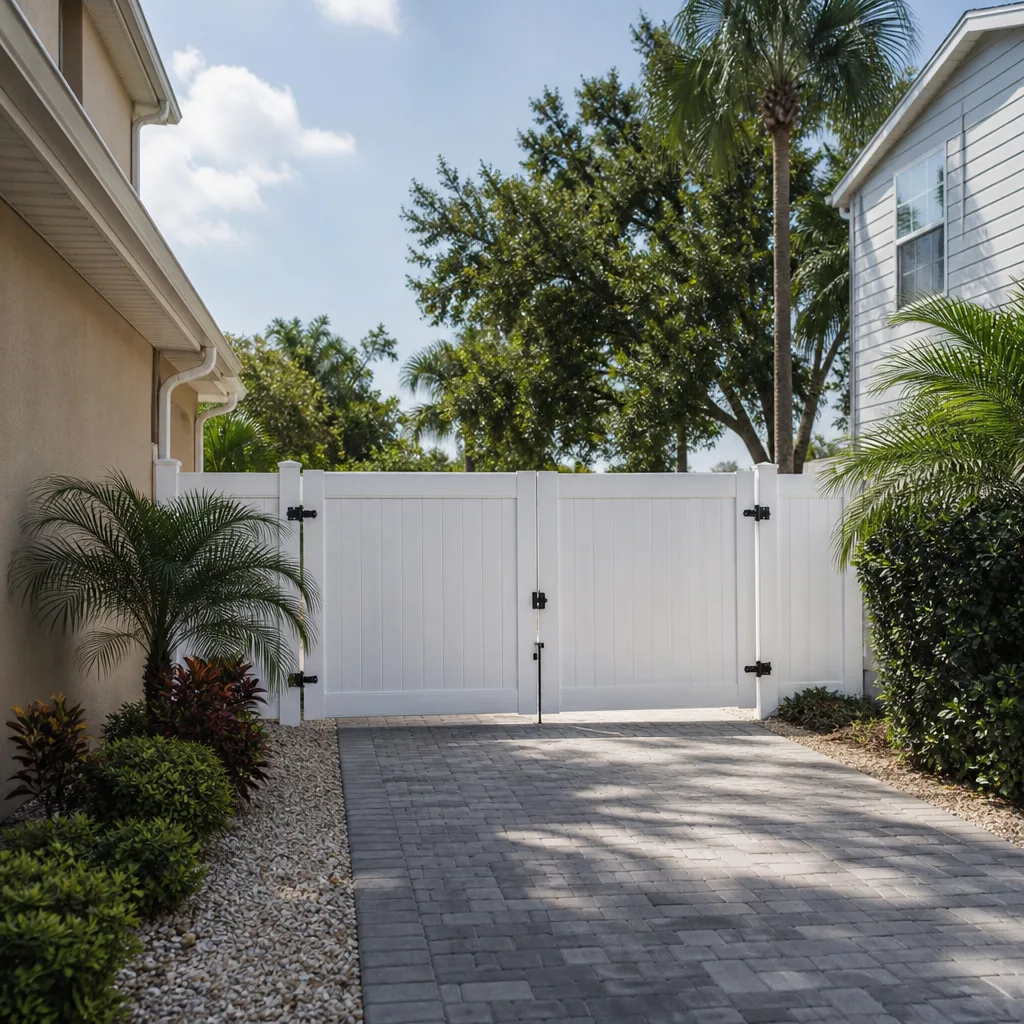
- Check fence posts and gates. Cracking at post bases or gates that sag can be tightened or replaced before heat makes the wood move more. Our full guide is at Fence Installation in North Las Vegas.
The HVAC-driven moisture source to know about is the condensate line. On a typical North Las Vegas single-story, the AC condensate discharge pipe leaves the wall at grade. Make sure that discharge doesn’t sit against the foundation. We’ve seen water quietly pulling at a stem wall for a decade before anyone noticed.
Monsoon Watch: Humidity Chemistry on Stucco, Block and Concrete
Monsoon in North Las Vegas runs roughly July through September, and what arrives in a forty-five minute stretch is more water than most desert soil can absorb. The damage pattern depends on which wall assembly it’s hitting.
Stucco
Almost every home built in North Las Vegas after 1995 uses a three-coat or one-coat stucco system over sheathing or block. New stucco moves away from a wall during a monsoon. The material itself is water-shedding on the surface, but hairline cracks at penetrations (hose bibs, light fixtures, meter boxes) wick water into the sheathing behind. That’s why stucco leaks almost never show where you’d expect. The wet spot shows up on an interior wall as a stain after two days of rain, but the entry crack is often two horizontal feet away.
Monsoon-season inspection rule for stucco: check the caulk joint at every window sill and every through-wall penetration twice during the season. Once in July, once in early September.
Concrete Block
Older block construction throughout North Las Vegas, especially pre-1980 neighborhoods, is designed to shed water. Block itself won’t absorb much. What fails is the joint – the mortar line at windowsills, at the top of the parapet, and at the ground-course between block and stem wall. Block wall leaks during monsoon almost always trace to a mortar joint that opened up during a dry summer.
Poured Concrete Foundations
Poured stem walls with slab-on-grade are the most common North Las Vegas foundation type. The monsoon failure point is the cold joint where the slab meets the stem wall, and any construction joint running through the slab. If water sits against the stem wall for two days, it can find its way through a hairline at the cold joint. The fix is never to seal the inside of a wet joint; the goal is to get water away from the outside first.
The Optimal Work Window: October and November
If you’re going to do one thing to a North Las Vegas home exterior, do it in October. October-November is the calendar window where sealer, adhesive, paint and stucco patch actually cure the way the manufacturer says they will. Daytime temps land in the 70s-80s, overnight lows stay 50s-60s, and the sun angle is low enough that surfaces don’t bake.
Here’s what we schedule first every October in North Las Vegas:
- Full exterior re-seal of window and door frames, and any through-wall penetrations.
- Complete roof inspection with shoulder-season urgency – the roof took a full summer of UV-induced movement, and you want the next problem on your calendar, not the next monsoon’s.
- Exterior paint touch-ups and full re-paint on trim and door frames.
- Paver re-sanding and re-sealing.
- Stucco patch work (this is the only reliable window for real patch repairs on a sun-facing wall).
- Window and door replacement, which is the calendar window where most installers actually prefer to work. If you’re in the middle of window replacement, the brand pattern matters – CGI, CWS and ES Windows are the ones we specify most on North Las Vegas homes because their weatherstripping and sealant systems hold up to a desert monsoon cycle. Groundwork Construction Co. of North Las Vegas home covers the full service scope if you’re planning to bundle this with other exterior work.
The reason sealers care so much about this window comes down to surface temperature, not air temperature. A west-facing stucco wall reads 25-35 degrees hotter than the ambient air on a sunny October afternoon. In June that same wall hits 145°F or more. Sealant will skim, cure too fast and lose adhesion before it ever meets the substrate properly.
Freeze Prep and the January Freeze-Thaw Risk
North Las Vegas does drop below freezing. Not every year, and not for more than a few hours at a time, but the December-February overnight lows hit the low 30s often enough that the local building code has a frost-depth requirement for footings. The risk isn’t the length of the freeze. It’s the cycle.
Freeze-thaw matters most on three specific things:
- Exposed concrete flatwork – driveways, sidewalks, and patios that were poured with air-entrained mix will handle a short freeze. Non-air-entrained concrete (which appeared on some 1990s North Las Vegas production homes) will spall at the surface over repeated cycles. Look for pop-outs or shallow surface flaking after a hard January morning.
- Irrigation sleeves running through flatwork – uninsulated irrigation sleeves under a driveway or sidewalk are exposed to whatever the concrete is exposed to. If a sleeve sits full of water, a hard freeze can crack it. Blow out your irrigation lines by mid-November, not January.
- Exterior hose bibs and any exposed copper or PVC on the exterior face – the ordinary hose-bib winterization applies. The specific North Las Vegas exposure point is the hose bib that sits on a south-facing wall on homes built before the 2000s, because south-facing exposure is where spec builders sometimes skimped on pipe insulation.
Pre-December freezer prep in North Las Vegas is short and simple: blow out irrigation, insulate every exposed hose bib and any exterior pipe, and confirm you’re not leaving a fully filled hose coiled against a stem wall. That last one sounds trivial and it’s responsible for more stem-wall nuisance cracks than any other single item on this list.
Thermal Expansion Joints: What “Tight Is Fine” Actually Means
Every concrete flatwork install in North Las Vegas is designed with control joints and expansion joints. Over a year, each joint opens and closes by a small but measurable amount as the slab cycles between roughly 45°F in January and 160°F surface temperature in July. That cycle is normal. What matters is which joints maintain their design gap and which ones close completely.
A joint that’s tight but has a uniform width and no visible spalling under the sealant is usually fine. “Tight is fine” means the joint is doing its job – it’s moving, the slab hasn’t cracked elsewhere to relieve stress, and the surface is intact.
A joint that requires action shows one of these signs:
- The sealant has pulled away from the joint face on either side.
- You can see daylight, gravel or soil below the sealant.
- There’s a crack running parallel to the joint within six inches.
- The surface has chipped or spalled at the joint edge.
- The joint completely closes on a hot day (July), which tells you the design allowance is being exceeded.
Inspect every fall, ideally in October, because that’s when the joint is in mid-cycle. The fall inspection in North Las Vegas is far more useful than the spring inspection, because it tells you what the summer actually did to the flatwork before winter freeze stresses the same joint again.
For block walls and masonry, the same principle applies to the horizontal mortar joints, and to the joint between a wall and any adjacent slab. A block wall that’s fully grouted and moving a quarter inch a year is a wall that will need attention; a wall moving a sixteenth inch is behaving as designed.
Landscaping and Drainage Decisions Most NLV Homeowners Skip
North Las Vegas drainage fails when the soil and the grade disagree with the monsoon. Desert soil takes water slowly, so the roof discharge, the AC condensate and the driveway slope have to move water quickly before soil saturates. Most homeowners don’t think about this until a stem wall is already wet.
Three decisions to make in the October-November window:
- Confirm every downspout discharges at least six feet from the foundation. The default North Las Vegas production-home arrangement comes down at four to twelve inches from the stem wall. Extend it. For anything within three feet of the house, that’s not close enough to be safe during monsoon.
- Grade planters and decorative rock beds away from the wall, not toward it. We see rock bed edges built up against the stem wall “for looks.” That arrangement sends monsoon water straight against the cold joint. Regrade it or pull it back so the bed slopes away.
- Check that the front-to-back yard slope carries runoff to the street or a dry well, not to the neighbor’s fence line. A fence line that concentrates water into one low corner is the single most common North Las Vegas monsoon damage call we make. Our fence guide at Fence Installation in North Las Vegas covers the post-footing detail that prevents this.
If you’re adding a detached structure or planning a home addition this fall, tying the new drainage into the existing site grade is one of those decisions that gets made once – well or badly. Details are in Home Additions & ADU in North Las Vegas.
Common Mistakes to Avoid
- Sealing exterior surfaces in June. The sealer will skim-cure before it keys to the substrate. North Las Vegas wall surface temps in June push 145°F. Wait for October unless a failure is actively leaking.
- Skipping the fall expansion-joint inspection. Joints that look tight in April often tell a very different story by October. If you only inspect once a year, do it in the fall.
- Leaving irrigated planters wet through December. Winter irrigation on a North Las Vegas native-plant bed is one of the most common causes of stem-wall nuisance cracks. Cut irrigation back by November.
- Associating “monsoon” with “rain is over by September, so I’m safe.” Some years, the last meaningful monsoon cell lands in early October. Check the calendar, not the assumption.
- Resealing after summer instead of before. The seal on a North Las Vegas home has to hold through the hottest eight weeks. Seal in March-April or October-November, never in June.
- Grading rock beds toward the wall for appearance. It looks tidy and it dumps monsoon water against the most vulnerable joint in the wall.
- Ignoring surface spalling on concrete flatwork after a hard January. Pop-outs are cosmetic the first year and stem-wall stress by year three. Get the flatwork checked in the spring after a cold January.
See the difference
 Before
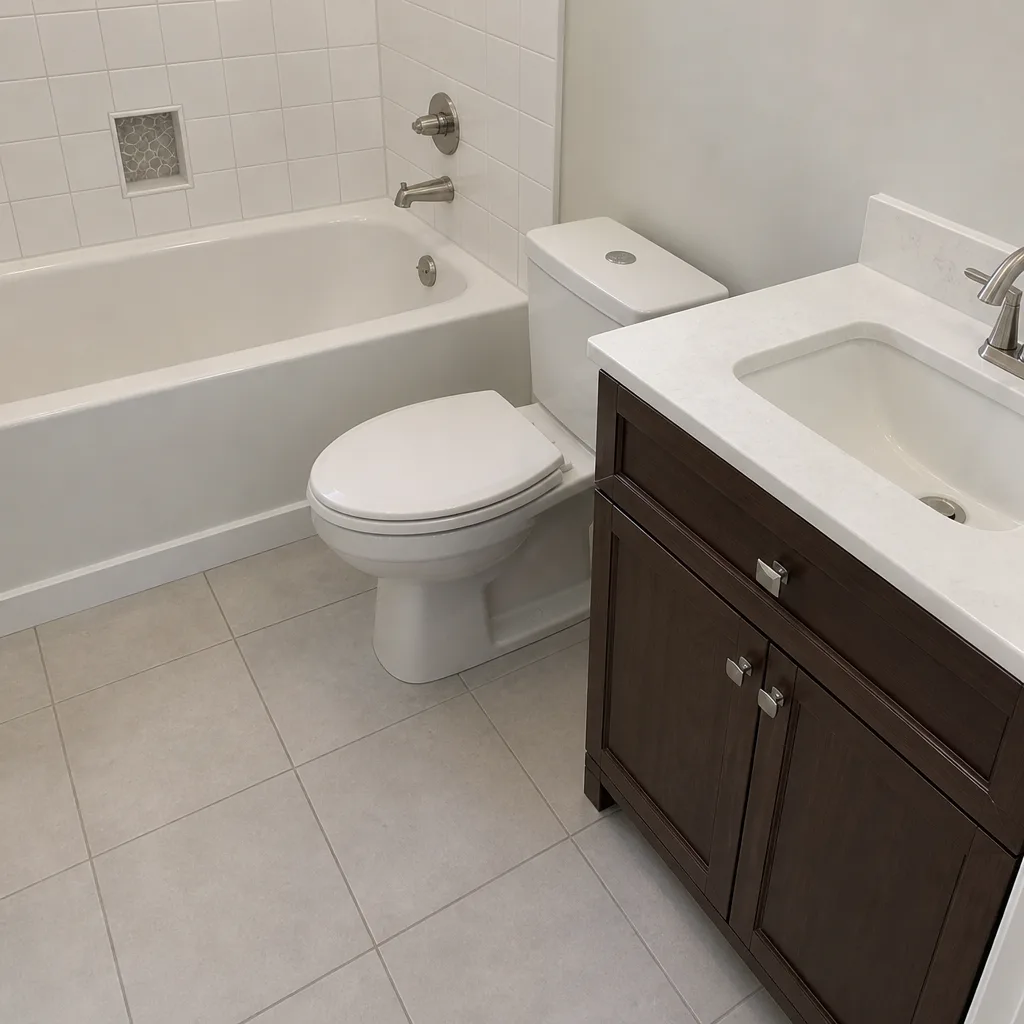 After
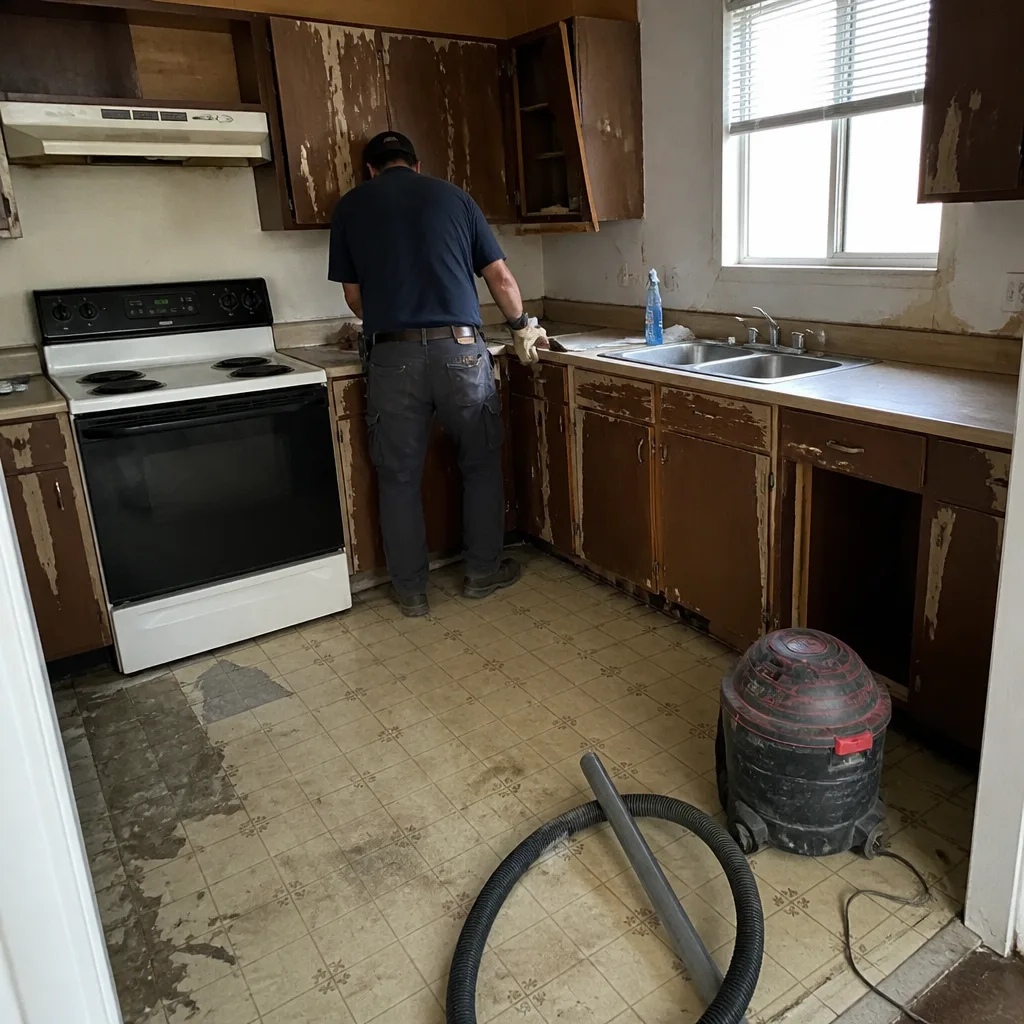 Before
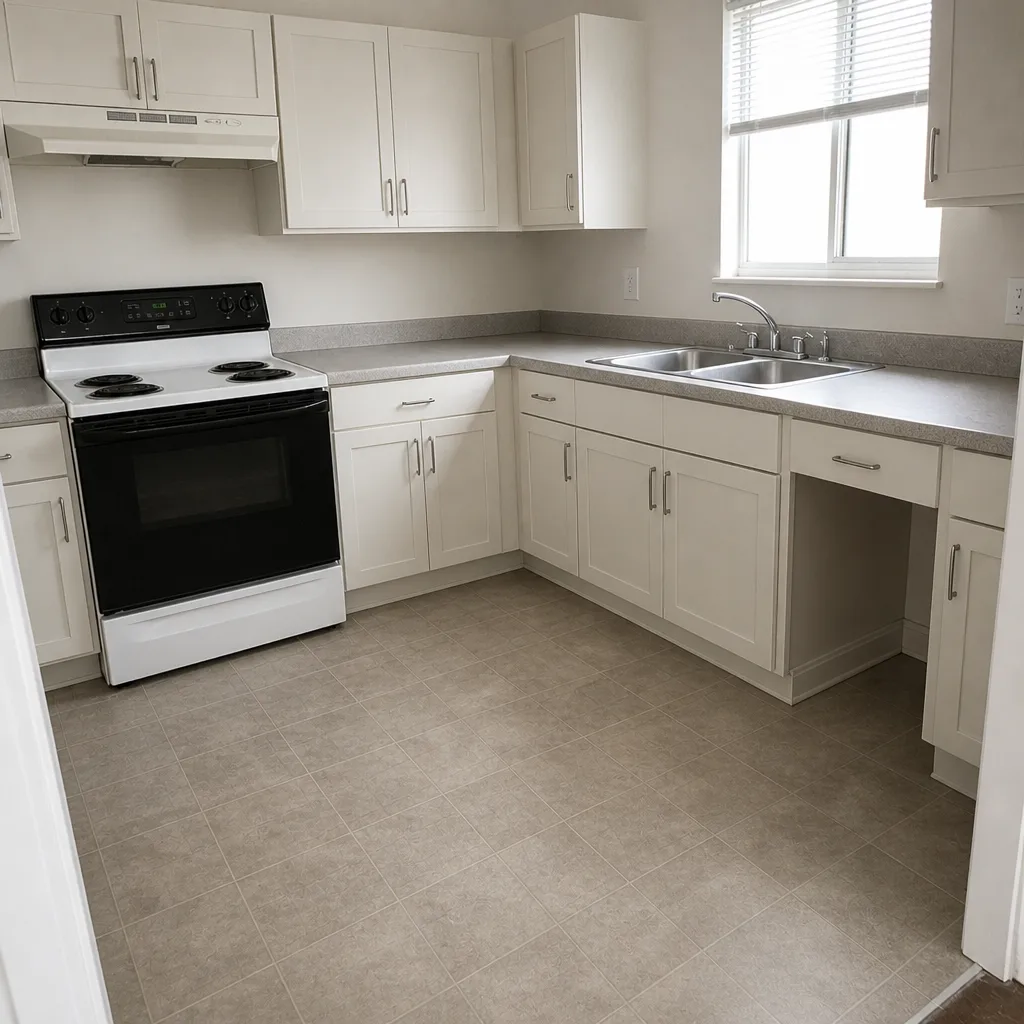 After
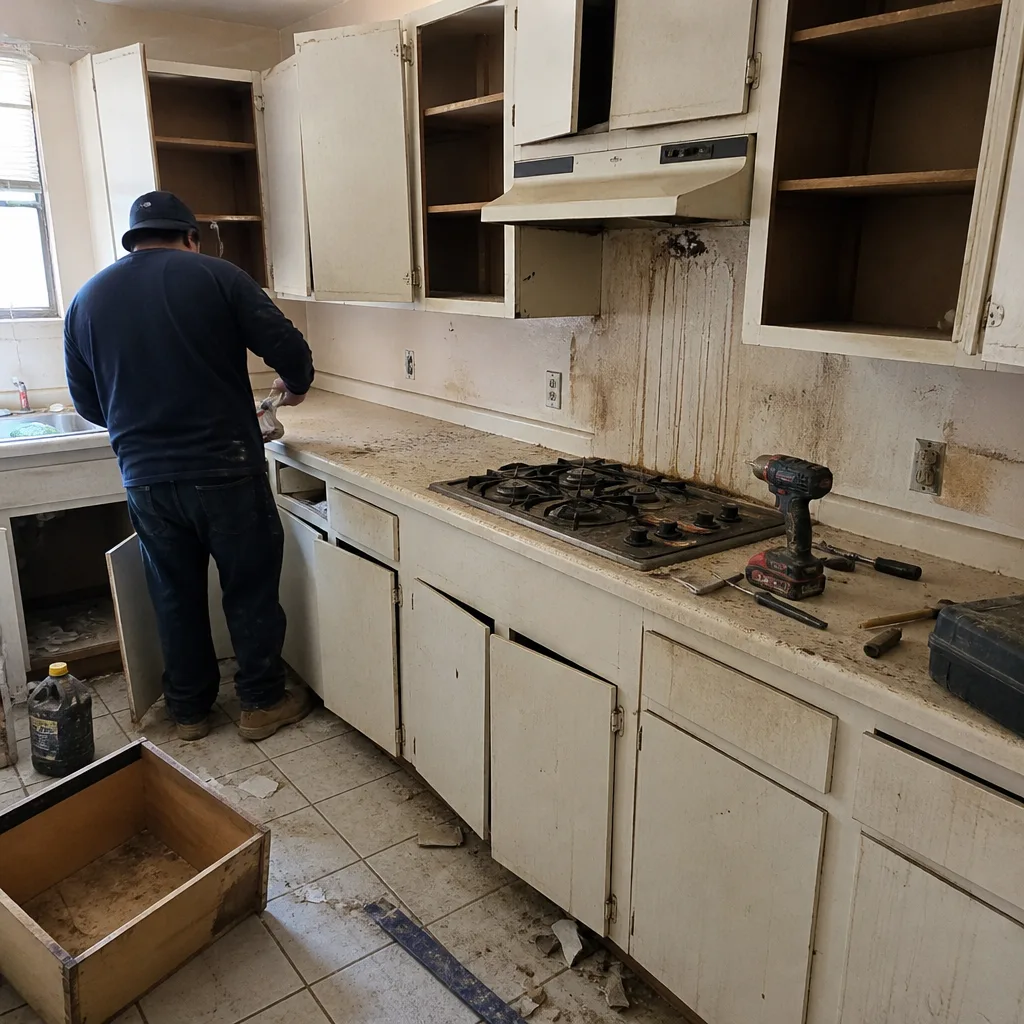 Before
 After
When to Call a Professional
Some seasonal maintenance is homeowner work; some isn’t. If you’ve spotted a stucco crack wider than a credit card, a roof boot that’s already missing its collar, or a stem-wall cold joint that’s showing water on the inside face after a monsoon storm, those are professional calls. Same for any concrete crack running through a slab, any spalling at an expansion joint, or any drainage regrade that touches your foundation footprint. Groundwork Construction Co. of North Las Vegas technicians have up to 12 years of experience across roofing, stucco repair, flatwork, drainage and full home additions, and every project is covered by the 730-Day Done Right Promise. We offer free estimates in North Las Vegas, and we quote upfront pricing with no surprises. Call (844) 797-5026 to schedule one.
Frequently Asked Questions

March-April and October-November, and that’s it. Sealers and elastomeric caulks have manufacturer application ceilings in the high 80s to low 90s, and North Las Vegas surface temperatures on sun-facing walls run 25-35°F hotter than ambient. Call (844) 797-5026 for a free estimate on sealing or exterior repair.
Each fails in a different pattern. Stucco leaks show up at through-wall penetrations (hose bibs, light fixtures, meter boxes) and often show as an interior stain two feet from the actual entry crack. Block fails at mortar joints, especially window sills and the ground course. Poured concrete fails at the slab-to-stem-wall cold joint. Fall inspections in North Las Vegas catch all three before winter. Call (844) 797-5026 for a free inspection estimate.
Every October. The fall inspection catches what the summer did to the joint before winter freeze-thaw stresses it a second time. If the sealant has pulled away from either joint face, you can see daylight or gravel below, or there’s a parallel crack within six inches, that joint needs a professional look. Call (844) 797-5026 for a free estimate.
Real but short. Overnight lows drop into the low 30s most years, rarely for more than a few hours. The exposure is non-air-entrained concrete from some 1990s production homes, uninsulated irrigation sleeves running through flatwork, and exposed hose bibs on south-facing walls. Blow out irrigation by mid-November and insulate every exposed line. Call (844) 797-5026 for a free storm and freeze-readiness estimate.
Always regrade the outside first. Sealing a wet cold joint on the inside of a North Las Vegas home treats the symptom; it doesn’t stop the water. Get downspouts and rock beds sloping at least six feet away from the wall before any interior sealing. Call (844) 797-5026 for a free drainage estimate.
Yes, October-November is the ideal same-week window for both, because both products share similar temperature ceilings. Do the paver re-sand and re-seal first, then the wall caulking. Call (844) 797-5026 for a free estimate covering both.
The Bottom Line
North Las Vegas weather is not “nice year-round.” It’s a punishing two-season machine that gives you about eight working weeks a year for exterior sealing, patching and prep. The North Las Vegas homeowner who wins the calendar is the one who plans around the March-April hardening window, watches the July-September monsoon on stucco joints and block mortar, schedules everything that touches sealer or adhesive into October-November, and preps for the short January freeze-thaw risk in December. That’s the whole calendar. Everything else is just showing up for it. Groundwork Construction Co. of North Las Vegas builds and maintains against that schedule – full-scope, from foundation to finish line, with the 730-Day Done Right Promise behind the work.
Call (844) 797-5026 for a free estimate in North Las Vegas. Our live-person, 24/7 team will schedule your walkthrough, give you upfront pricing with no surprises, and quote a plan built around the North Las Vegas calendar. Financing options include 0% financing for 18 months and $1,000 off projects over $10,000.
Written by the team at Groundwork Construction Co. of North Las Vegas.